Whether a Border Collie Suits a Dog Park
It’s a common scenario for Border Collie owners: you’ve got this incredibly energetic, intelligent dog, and you just want them to be tired. You see other dogs romping happily at the local dog park, and it seems like the perfect solution to burn off all that boundless Border Collie enthusiasm. But often, what starts as a hopeful outing ends in frustration, overstimulation, or even outright conflict, leaving you wondering if dog parks are really the right fit for your highly driven companion. This guide will explore the unique traits of Border Collies and help you understand why dog parks can be a mixed bag, offering insights into their suitability and suggesting better alternatives for their physical and mental well-being.
The Allure and Illusion of the Dog Park for High-Energy Breeds
When you own a Border Collie, you quickly learn that their energy isn't just a casual trait; it's a fundamental part of who they are. They are built for movement, for thinking, and for working tirelessly. Naturally, when you're faced with a dog that still has zoomies after an hour-long walk, the idea of an off-leash park where they can just run seems like a godsend.
The Misconception of "Tiring Them Out"
Many Border Collie owners, myself included in my early days, fall into the trap of thinking that physical exhaustion is the ultimate goal. We aim for sheer mileage, hoping that if our dog runs enough, they'll finally settle down for the day. A dog park, with its wide-open spaces and a rotating cast of canine playmates, appears to offer endless opportunities for this kind of physical output. It promises a chance for your Border Collie to sprint, chase, and wrestle without the constraints of a leash or carefully planned routes.
However, for a Border Collie, pure physical exercise is often just one piece of the puzzle, and sometimes, the least effective one for true contentment. These dogs are bred to engage their minds as much as their bodies. Running around aimlessly in a chaotic environment can certainly tire them out physically, but it often leaves their sharp minds under-stimulated, or worse, overstimulated and prone to developing undesirable behaviors. Think of it like a highly intelligent person being forced to do repetitive, mindless labor all day – they'd be physically drained but mentally frustrated, maybe even agitated. It's not just about how far they run; it's about what they're running for. If you're struggling to understand the sheer volume of activity your Border Collie needs, consider exploring Why Walking a Border Collie Is Not Enough and Two Hours of Work a Border Collie Needs Daily for a deeper dive.
The Appeal of Unrestricted Space
The freedom of an off-leash area is undeniably appealing. We want our dogs to experience the joy of unbridled running, of stretching their legs at full speed. For a Border Collie, a breed known for its incredible athleticism and speed, this freedom seems crucial. Dog parks offer this in spades, presenting a seemingly perfect playground where they can express their natural gait and explore without constant interruption.
Yet, this unrestricted space comes with its own set of challenges, particularly for a dog with a strong working heritage. While a casual Labrador might happily sniff around and engage in a bit of polite wrestling, a Border Collie's instincts often kick into high gear in such an environment. The sheer novelty and unpredictability of many dogs, all moving in different directions, can quickly become overwhelming for a dog hardwired to control and organize movement. This often leads to them trying to "herd" other dogs, or becoming hyper-focused on one particular playmate, exhibiting behaviors that aren't always welcomed by other dog owners or even safe for the dogs involved.
Border Collie Instincts and Dog Park Dynamics
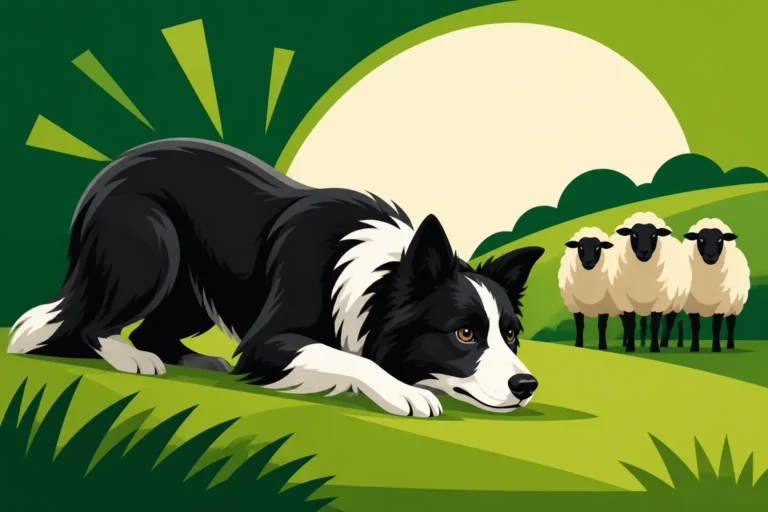
The core of a Border Collie's being is their herding instinct. It's what makes them so brilliant at their traditional work, but it's also what can make dog parks a surprisingly poor fit. Their intensity, their "eye," and their sensitivity can all contribute to problematic interactions in a less structured setting.
The Herding Drive in a Free-for-All
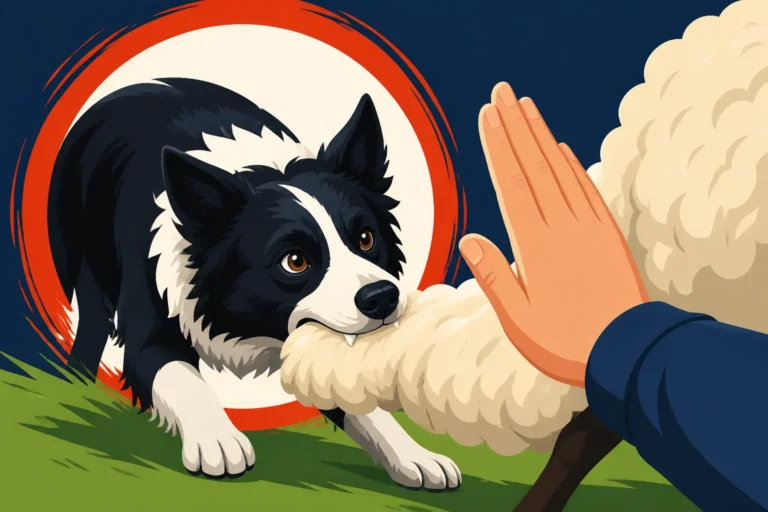
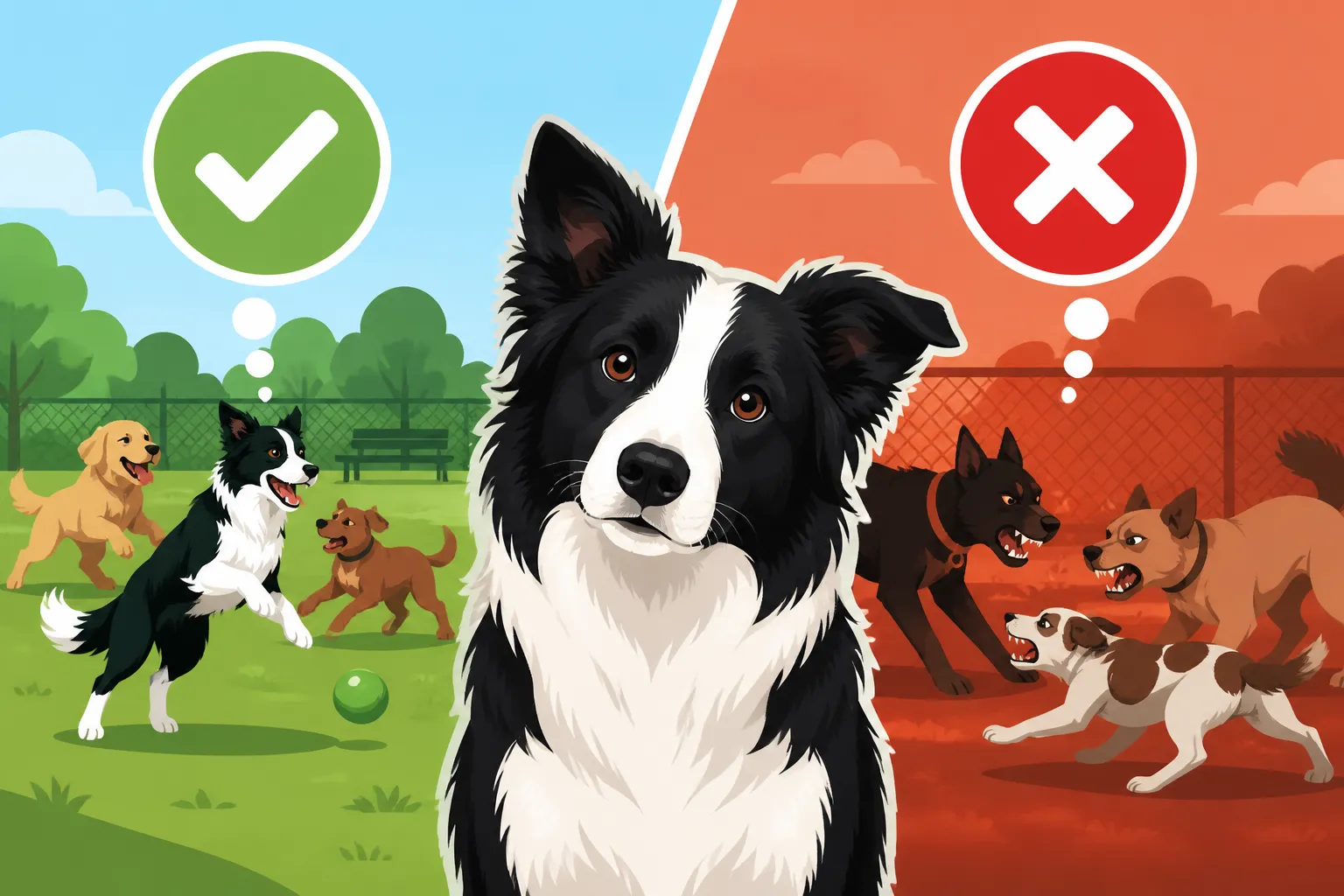
Imagine a dozen dogs of varying breeds and sizes, all running, chasing, and playing in a dog park. Now, imagine a Border Collie in the middle of it. For many Border Collies, this isn't seen as a free-for-all play session; it's a chaotic flock that desperately needs organizing. Their natural instinct is to gather, to control movement, and to apply their intense "eye" to keep things together. This can manifest as circling, nipping at heels, intense staring, or blocking other dogs' paths. For the other dogs, particularly those who prefer a more relaxed play style, this can be incredibly annoying, frightening, or even perceived as aggressive.
I've seen countless Border Collies try to "herd" smaller, yappier dogs, only to have the smaller dog feel threatened and react defensively. Or they'll become fixated on a fast-moving retriever, trying to turn it back towards the "flock." This isn't usually malice; it's just instinct. But it's an instinct that doesn't always translate well to the social etiquette of a dog park. Furthermore, some Border Collies develop an obsessive pattern of play, focusing solely on one ball or one dog, unable to self-regulate or switch gears. If you've observed your dog trying to organize other dogs, you might be seeing a Border Collie that herds other dogs in action. This behavior isn't limited to other canines either; I’ve known Border Collies who try to herd their families into one room or even stalk the vacuum cleaner!
Overstimulation and Reactivity
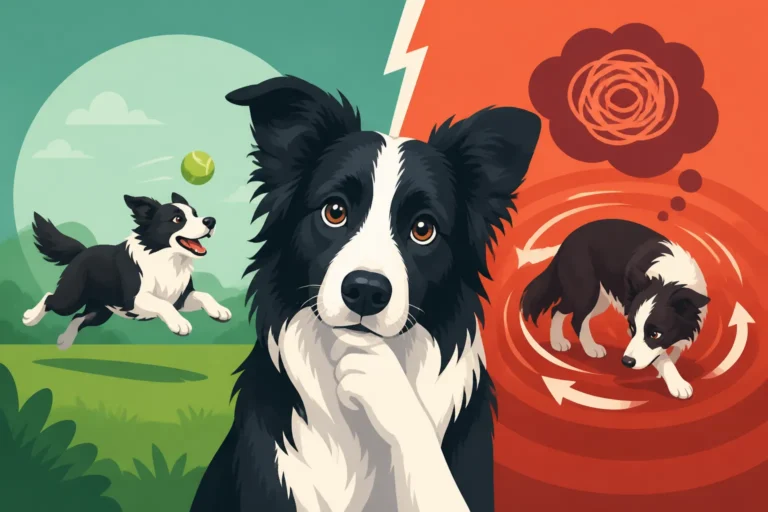
Dog parks are inherently unpredictable. There are new dogs constantly arriving, different play styles clashing, and a lot of sensory input. For a highly sensitive and intelligent breed like the Border Collie, this can quickly lead to overstimulation. Instead of becoming calmly tired, they might become hyper-aroused, anxious, or even reactive. This isn't always obvious at the park; sometimes, the signs only appear later.
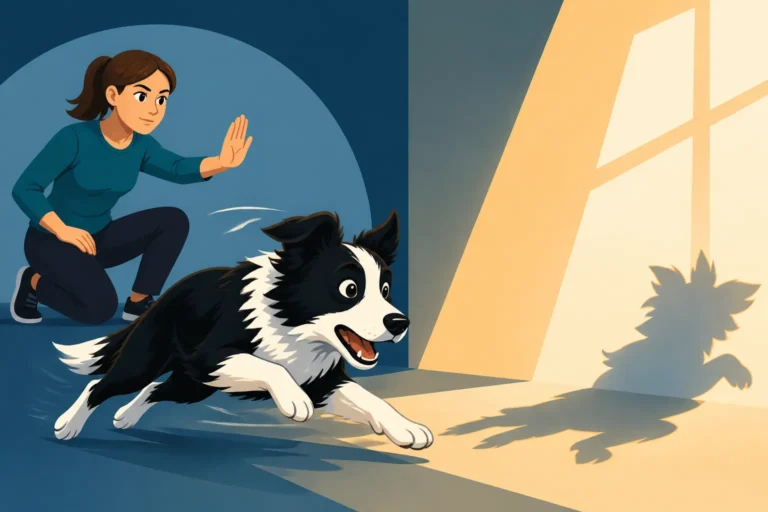
An overstimulated Border Collie might become extra nippy, bark excessively, or struggle to settle down once they get home. They might even start exhibiting compulsive behaviors, like shadow chasing or frantic pacing, because their nervous system has been pushed into overdrive. For these dogs, the mental chaos of a dog park does more harm than good, teaching them to be hyper-vigilant and reactive rather than confident and calm. Building strong foundation skills outside of this chaotic environment, often through online training programs like those offered by BAXTER & Bella, can help a Border Collie learn to manage their arousal levels and focus on their handler, even with distractions.
Sensitivity to Rough Play and Stranger Dogs
Border Collies, especially those from working lines, are often very sensitive dogs. They can be acutely aware of body language and subtle cues, both from humans and other dogs. While some breeds thrive on rough-and-tumble play, many Border Collies find it overwhelming or even frightening. They might retreat, try to "correct" overly boisterous dogs, or become defensive if approached too aggressively.
This sensitivity means that a dog park, where play styles aren't moderated, can be a breeding ground for negative experiences. A single bad encounter with a rude or overly dominant dog can set a Border Collie back significantly, potentially leading to fear-based reactivity towards other dogs in the future. It’s also important to consider the potential for physical injury in such an environment. A high-speed collision, a misstep during an abrupt turn, or even getting tangled with another dog during play can result in strains or tears. Conditions like Shoulder Injuries in an Agility Border Collie or Iliopsoas Strain in a Border Collie can sometimes stem from uncontrolled, high-impact activities.
Recognizing When a Dog Park Isn't Working
So, how do you know if your Border Collie is actually enjoying the dog park or just tolerating it, or worse, being negatively affected by it? It's not always about a dramatic fight; often, the signs are more subtle.
Behavioral Changes Post-Visit
One of the clearest indicators that a dog park isn't a good fit is observing your Border Collie's behavior after the visit. Are they calm and settled? Or are they still wired, pacing, unable to relax, or excessively barking? If your dog is coming home seemingly more agitated, restless, or even anxious than before, the park might be overstimulating them rather than fulfilling them.
Look for signs like increased reactivity to sounds at home, difficulty engaging in calm activities, or an inability to "switch off." Some dogs will develop a heightened sense of alert, constantly scanning their environment or becoming jumpy. Others might show increased frustration behaviors, such as demanding attention aggressively, destroying items, or spinning in circles. These aren't signs of a well-exercised, content dog; they're often indicators of a dog that has been over-aroused and is struggling to decompress. Remember, true contentment for a Border Collie comes from a balance of physical activity and mental engagement, helping them utilize their intelligence constructively.
Escalating Conflicts
While an occasional minor squabble can happen in any group of dogs, a consistent pattern of conflicts at the dog park is a huge red flag. This isn't just about your Border Collie initiating the conflict; it's also about how they respond to other dogs. Are they frequently putting themselves in situations where they are correcting other dogs, or are other dogs constantly correcting them?
Observe your dog closely. Do they stiffen when another dog approaches? Do they use their "eye" to try and control other dogs, leading to tension? Do they frequently snip, bark aggressively, or even get into physical altercations? Even if your dog isn't the primary aggressor, being repeatedly on the receiving end of rough play or bullying can erode their confidence and teach them that other dogs are something to be feared or avoided. It's crucial to be honest about these interactions, as ignoring them can lead to ingrained behavioral issues that are much harder to correct down the line. If you're seeing your dog try to micromanage other dogs, it's a good time to reconsider if A Border Collie That Herds at Daycare or a dog park is truly beneficial.
Owner Stress and Frustration
Let's be real: owning a Border Collie is a commitment. It's rewarding, but it's also a lot of work. If taking your Border Collie to the dog park consistently fills you with dread, anxiety, or frustration, then it's probably not a good experience for either of you. Are you constantly scanning for potential problems, intervening in play, or worrying about what behavior your dog might pick up next? Are you leaving the park feeling more drained than your dog?
Your stress impacts your dog. They are incredibly attuned to your emotions. If you're tense and anxious, your Border Collie will pick up on that, and it can exacerbate their own anxieties or reactivity. A good dog park experience should be enjoyable for both handler and dog. If it's not, it's a clear signal to seek out different avenues for exercise and socialization. Your peace of mind and your dog's well-being are paramount.
| Aspect | Dog Park Experience for Border Collies | Structured Activities for Border Collies |
|---|---|---|
| Physical Exercise | Often high intensity, but can be chaotic and unstructured. Risk of injury. | Intentional, controlled bursts, builds specific muscle groups, lower injury risk. |
| Mental Stimulation | Can be overstimulating, focuses on chaotic observation rather than problem-solving. | Engages problem-solving, focus, and strategic thinking. |
| Socialization | Unpredictable interactions, risk of negative experiences. | Controlled, positive interactions with known dogs or specific play styles. |
| Behavioral Impact | Can encourage herding, reactivity, over-arousal, compulsive behaviors. | Builds focus, impulse control, confidence, and appropriate social skills. |
| Handler Involvement | Often passive observation, reactive intervention. | Active participation, strengthens bond, builds communication. |
| Risk of Injury | Higher due to uncontrolled play and varied dog sizes/temperaments. | Lower due to controlled environment and tailored activities. |
| Convenience | Easy to access for quick bursts of activity. | Requires planning, specific locations, potentially more time commitment. |
Smarter Alternatives for Border Collie Exercise and Socialization
The good news is that there are many fantastic ways to exercise and socialize your Border Collie that cater to their unique needs far better than a typical dog park. It's all about channeling their natural drives into productive, positive outlets.
Structured Activities and Sports
This is where Border Collies truly shine! Their intelligence, athleticism, and desire to work with a handler make them exceptional candidates for a wide variety of dog sports. Think about activities that engage both their body and their mind, giving them a "job" to do.
Agility, for example, is perfect for a Border Collie. It requires them to run, jump, weave, and think through a course, all while responding to your cues. It builds incredible focus and teamwork. Other excellent choices include flyball, disc dog, obedience, rally, and, of course, herding with actual livestock if you have access to it. These activities provide intense physical exercise combined with mental challenges, leading to a much more fulfilled and calmer dog at the end of the day. You can often find local clubs and trainers through a quick online search or by asking at your local pet supply store, perhaps even finding specialized gear on Amazon that can help with training. These structured outlets are far more effective at achieving Exercise, Work and What Actually Settles a Border Collie than undirected free play.
Controlled Social Interactions
While dog parks can be a gamble for socialization, controlled interactions are invaluable. Instead of throwing your Border Collie into a chaotic mix, arrange playdates with a few well-matched, known dogs whose play styles you trust. Look for dogs that are calm, respectful, and enjoy a similar type of play – perhaps a good chase, but without the intense herding pressure.
Another option is enrolling in group training classes, even if your dog is already well-trained in basic obedience. Advanced obedience, rally, or even nose work classes provide opportunities for your dog to be around other dogs in a structured, calm environment, focusing on their handler rather than interacting with every dog they see. This teaches them to exist peacefully in the presence of others without feeling the need to control or react to them. This kind of interaction helps them build positive associations without the overwhelming nature of a free-for-all park. For building that rock-solid recall, which is essential in any off-leash scenario, consider working on Building a Border Collie Recall Against Moving Things or refining The Emergency Word a Border Collie Must Know.
Mental Enrichment Beyond Physical Exertion
Never underestimate the power of mental work for a Border Collie. A half-hour of mentally stimulating activity can be as tiring, if not more so, than an hour of mindless running. Incorporate puzzle toys, scent work, and trick training into your daily routine.
Puzzle feeders, readily available on Amazon, can turn mealtime into a brain game, making your dog work for their food. Scent work, where your dog uses their nose to find hidden treats or articles, taps into their natural instincts and is incredibly rewarding and tiring. Teaching new tricks, even complex sequences, keeps their intelligent minds engaged and strengthens your bond. Remember, a Border Collie wants to think and learn. Providing these opportunities will lead to a much more balanced and happy dog. Programs like BAXTER & Bella often provide excellent resources and structured lessons for teaching complex tricks and engaging in mental games, offering a fantastic way to achieve Mental Work That Tires a Border Collie Faster and address Why a Border Collie Cannot Stop on Its Own by providing appropriate outlets for their drive.
In conclusion, while the idea of a dog park for a Border Collie might seem appealing on the surface, their unique blend of intelligence, herding instinct, and sensitivity often makes it less than ideal. Focusing on structured physical activities, controlled social interactions, and plenty of mental enrichment will serve your Border Collie far better, leading to a more balanced, happy, and well-adjusted companion.
Disclaimer
This article is for general informational purposes only and does not constitute professional advice. Laws, prices and regulations vary by location and change over time. Consult a qualified professional for guidance on your specific situation.