Whether ISDS Papers Mean Anything in America
It can be incredibly confusing when you're looking into Border Collies, especially if you're venturing into working lines, and you stumble upon terms like "ISDS papers." For many in America, it's natural to wonder if these international documents hold any weight here, or if they're just an interesting historical footnote. This guide is going to clear up the mystery of what ISDS papers mean for your Border Collie in the United States, and how they factor into the breed's vibrant world here.
Understanding ISDS Papers: What Are They, Really?
Before we dive into their relevance across the pond, let's talk about what ISDS papers actually are. It's more than just a certificate; it's a testament to a very specific kind of heritage.
The International Sheep Dog Society's Legacy
The ISDS, or International Sheep Dog Society, isn't just any registry. It was founded way back in 1906 in the United Kingdom with a singular, unshakeable purpose: to maintain and promote the working Border Collie. This wasn't about pretty dogs for the show ring; it was about preserving the intelligence, instinct, and unparalleled working ability that makes a Border Collie, well, a Border Collie. When we talk about The International Sheep Dog Society, Founded 1906, we're talking about an organization rooted in the very fabric of sheep farming and herding traditions.
Their focus has always been on performance. Dogs registered with the ISDS are typically from lines where ancestors have proven themselves in actual sheepdog trials or on the farm, demonstrating genuine herding prowess. This means that an ISDS registration isn't just a record of parentage, but a seal of approval on a dog's inherent working qualities. They care deeply about the 'eye' – that intense gaze a Border Collie uses to control sheep – and the natural ability to gather, drive, and pen livestock effectively and quietly. This dedication to working instinct is what has allowed the Border Collie to become the world-renowned sheepdog it is today, consistently producing dogs that excel in demanding environments.
Papers as a Mark of Working Ability
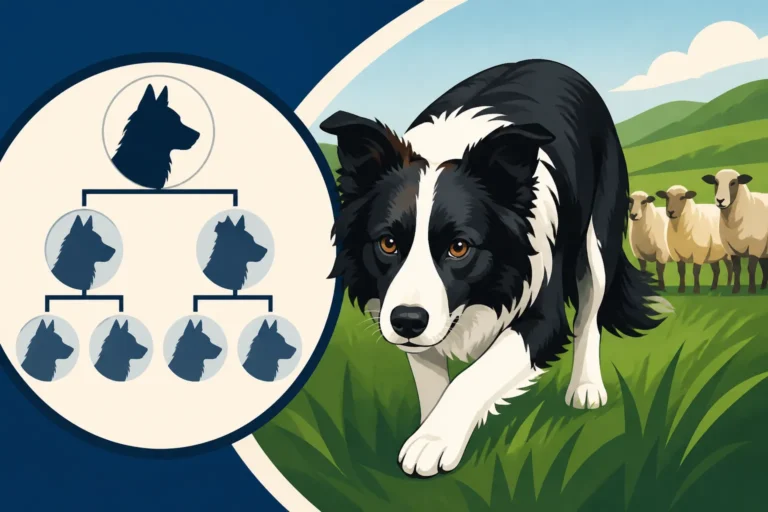
So, what do these papers signify for a particular dog? Imagine looking at a family tree, but instead of just names, each ancestor also has a resume of their accomplishments in the sheep fields. That's essentially what ISDS papers provide. They detail a Border Collie's lineage, yes, but crucially, they provide a strong indication of the dog's potential for working livestock. A dog with ISDS papers is typically expected to possess strong herding instincts, a keen intelligence, and the biddability that allows them to be trained for complex tasks.
This is a stark contrast to registries that focus primarily on physical appearance or conformation standards. While a dog can be beautiful and a good worker, the ISDS prioritizes the latter. When you see ISDS papers, you're looking at a dog whose ancestors have been put to the test, generation after generation, proving their worth where it truly matters: on the farm or in the trial arena. This background offers an owner a much clearer picture of what kind of inherent drive and talent their Border Collie might possess. It’s an incredibly valuable source of information, especially when you're trying to predict a puppy's aptitude. For example, Reading Trial Wins on a Border Collie Pedigree can tell you volumes about the natural talent and training capacity passed down through a dog's lines, giving you a powerful insight into its potential as a working companion or sport dog. These papers aren't just for historical archives; they are a living document of working heritage.
The Value of ISDS Papers for a Border Collie in the USA
Now, let's get to the heart of the matter for those of us stateside. Do these international papers really hold any weight here? The answer, in short, is a resounding yes, though not always in the way you might initially expect.
Pedigree and Proven Working Lines
For American enthusiasts looking for a Border Collie that embodies the breed's original purpose, ISDS papers are incredibly valuable. They represent a direct link to the purest, most respected working Border Collie lines on the globe. Many of the top working Border Collies in the United States, those excelling in sheepdog trials or actively working livestock on ranches, have ISDS-registered ancestry. It’s because the ISDS has been so steadfast in its mission that these lines have retained their incredible instinct and ability.
This lineage isn't just a point of pride; it's a predictor. When you acquire a Border Collie with ISDS papers, or from parents with ISDS lineage, you're investing in generations of selective breeding for "eye," for drive, for intelligence, and for biddability. These are the traits that allow a Border Collie to perform intricate herding tasks with minimal instruction. You're not just getting a dog; you're getting a legacy. Understanding this heritage helps you appreciate the profound capabilities of your dog. Many will tell you that Old Hemp and Every Border Collie Alive Today traces back to that foundational sire, whose working style shaped the breed as we know it. For breeders aiming to produce top-tier working dogs, or for individuals looking to import a dog, understanding and valuing ISDS papers is paramount. It gives you confidence in the dog's genetic predisposition for the work, a significant factor if you're going through the expense and effort of Importing a Border Collie From a British Working Line.
Informational Asset for Breeders and Owners
Beyond direct registration, the information contained within ISDS papers serves as an invaluable asset. For breeders, it's a critical tool for making informed pairing decisions, ensuring that desirable working traits are passed down and that genetic diversity is maintained within working lines. It's about preserving the essence of the Border Collie. For owners, especially those new to the breed or new to working dogs, these papers offer profound insight into their dog's inherent instincts and potential. Knowing that your dog comes from generations of proven workers can help you understand certain behaviors, like the intense stare or the urge to "gather" family members, and guide you in providing appropriate outlets for their energy and intelligence.
A dog with this kind of background isn't just a pet; it's an athlete and a thinker. This breed is known for its incredible drive, and that comes directly from this deep working heritage. It also means that you, as the owner, need to be prepared for the significant mental and physical exercise demands such a dog will have. You might find yourself seeking out challenging puzzle toys, durable chew items, or high-quality performance foods. Online retailers like Chewy offer a wide selection of these kinds of products, which can be absolutely essential for keeping a high-drive Border Collie mentally stimulated and physically healthy. This breed needs a job, and understanding their papers helps you understand exactly What Separates a Border Collie From Every Other Herder – their almost innate desire to work. The papers provide a roadmap, helping you anticipate their needs and channel their incredible abilities productively.
ISDS vs. American Registries: The Practicalities
Here’s where it can get a little tricky. While ISDS papers are highly respected, their direct utility for registration within American organizations varies significantly.
ABCA and AKC: The American Landscape
In the United States, there are primarily two main registries that deal with Border Collies: the American Border Collie Association (ABCA) and the American Kennel Club (AKC). Each has its own philosophy and registration process, which directly impacts how ISDS papers are viewed.
The ABCA, much like the ISDS, is deeply committed to preserving the Border Collie as a working stock dog. Their registration system is designed to ensure that Border Collies retain their herding instincts and abilities. In fact, many working Border Collie breeders in America choose the ABCA precisely because of this shared philosophy. The ABCA traditionally fought against the AKC's recognition of the Border Collie, fearing that a focus on conformation showing would dilute the breed's working essence. This history explains a lot about the current landscape. You can learn more about this by exploring resources like The ABCA and Its Working Registry and understanding Why Working Breeders Fought AKC Recognition. For the ABCA, ISDS papers are not just relevant; they are often a foundational piece of evidence for a dog's working lineage.
The AKC, on the other hand, registers a wide variety of breeds and focuses on conformation shows, obedience trials, agility, and a broader range of dog sports, alongside some performance events. When the AKC recognized the Border Collie in 1995, it created a significant split within the breed community. The AKC's standard describes a beautiful, athletic dog, but its primary lens is often on physical appearance rather than proven working ability. You can look at What the AKC Standard Says a Border Collie Is to understand their criteria. Due to this difference in focus and the historical tensions, ISDS papers hold less direct sway for AKC registration.
Dual-Registration and Recognition Challenges
So, the burning question: can you simply use ISDS papers to register your Border Collie with the ABCA or AKC? It's not quite that straightforward, but let's break it down.
For the ABCA, ISDS papers are highly regarded and critically important. While they don't automatically register your dog, having ISDS papers for your dog or its ancestors provides compelling evidence of a strong working lineage. The ABCA has a process for registering dogs with ISDS pedigrees, often requiring a copy of the ISDS certificate along with an application. It demonstrates that your dog comes from stock bred for its working capabilities, which aligns perfectly with the ABCA's mission. Many American breeders of working Border Collies proudly display both ABCA and ISDS pedigrees for their dogs, signifying a commitment to preserving the breed's heritage. There are specific ABCA Registration Fees for a Border Collie that apply, but the ISDS documentation will be a key part of your application.
For the AKC, the situation is different. Generally, ISDS papers do not directly translate into AKC registration. The AKC has its own registration requirements, often stemming from AKC-registered parents. While an individual dog with ISDS lineage might eventually be registered with the AKC through specific pathways (like a one-time registration of a proven working dog under certain circumstances), it's not a direct transfer like it might be with the ABCA. The philosophical divide means that what the ISDS prioritizes (working merit) is not always what the AKC prioritizes (conformation and specific bloodlines within their own registry).
Here's a quick overview of how these registries compare regarding their primary focus and how ISDS papers fit in:
| Feature | ISDS (International Sheep Dog Society) | ABCA (American Border Collie Association) | AKC (American Kennel Club) |
|---|---|---|---|
| Primary Focus | Working ability (herding) | Working ability (herding) | Conformation, various dog sports |
| Origin | UK, Ireland | USA, Canada | USA |
| Registration Basis | Proven working merit, pedigree | Proven working merit, ISDS lineage | Pedigree, conformation standards |
| US Recognition | Highly respected, often foundational | Strong basis for registration (not automatic) | Limited direct registration value |
| Key Advantage | Predicts strong working instinct | Preserves working lines in North America | Broadens participation in events |
This table illustrates why an ISDS papered dog finds a more direct philosophical home with the ABCA, while the AKC operates under a different set of priorities.
Navigating the System with an ISDS-Papered Border Collie
So, you have an ISDS-papered Border Collie, or you're considering one, and you want to ensure you're doing everything right in America. It's definitely doable, but it requires a bit of homework and understanding the nuances.
Consulting with Breeders and Registry Officials
My biggest piece of advice here is always, always consult directly with reputable breeders and the registry officials themselves. The world of dog registration, especially for breeds with such a strong working heritage, can have specific rules and exceptions that aren't always immediately obvious. A good working Border Collie breeder in America will be very familiar with ISDS papers and can guide you through the process of ABCA registration, should you choose to pursue it. They can clarify exactly what documentation is needed, any specific requirements for imports, and what to expect regarding timelines. Don't be shy about reaching out and asking questions – responsible breeders are usually passionate about educating prospective owners. When you're talking to a breeder, make sure you're getting all the necessary information, which includes Asking a Border Collie Breeder for Test Results for genetic health clearances, as well as discussing their registration practices.
Rules and processes can also evolve, so what was true five years ago might have slight variations today. A quick phone call or email to the ABCA or even searching their website for their registration policies for imported or ISDS-registered dogs is always a wise first step. They are the ultimate authority on what their registry requires.
Beyond Registration: The Real World Impact
Here's the beautiful truth: regardless of what specific American registry certificate your Border Collie holds, an ISDS-papered dog offers a profound connection to the breed's historical roots and its incredible capabilities. What these papers truly signify is that you likely have a dog bred for intense drive, exceptional intelligence, and a strong work ethic. These are traits that will shape your entire ownership experience.
This means you need to be a dedicated owner, prepared to provide ample mental stimulation and physical exercise. A Border Collie with this kind of heritage thrives on having a "job," whether that's herding sheep, excelling in dog sports like agility or obedience, or even engaging in advanced trick training or scent work. Just taking them for a walk around the block twice a day isn't going to cut it. You'll need to really delve into understanding Exercise, Work and What Actually Settles a Border Collie to keep them happy and well-adjusted.
Their intelligence means they learn quickly – sometimes too quickly for your own good! – and their drive can be all-consuming. This is where durable toys and engaging activities come in. For example, a dog bred from strong working lines will likely shred an ordinary toy in minutes. Investing in high-quality, robust toys, or interactive feeders that challenge their minds, can be a game-changer. Retailers like Chewy often carry a wide array of products specifically designed for active, intelligent breeds, from puzzle feeders that slow down mealtime and engage their brains, to nearly indestructible chew toys that can withstand their powerful jaws. This investment in their enrichment is crucial.
Ultimately, while the specifics of American registration for an ISDS-papered Border Collie might involve a few extra steps, the underlying value of that heritage remains undeniable. It's a promise of a true working partner, a brilliant mind, and a dog that will ask a lot of you, but give back so much more. The papers are a tool, but the dog's intrinsic qualities, born from that incredible lineage, are the real treasure.
Disclaimer
This article is for general informational purposes only and does not constitute professional advice. Laws, prices and regulations vary by location and change over time. Consult a qualified professional for guidance on your specific situation.