Which Border the Border Collie Is Named After
Have you ever found yourself wondering why this incredible breed, the Border Collie, carries "Border" in its name? It's a question many of us ponder, especially when we see the immense drive and intelligence these dogs possess. This guide dives deep into the historical and geographical reasons behind the Border Collie's distinctive name, revealing how its heritage is intrinsically linked to a specific, rugged region and the tireless shepherds who worked there.
The Historical Roots of the "Border" in Border Collie
The "Border" in Border Collie isn't just a quaint descriptor; it's a geographical stamp, a testament to the region where these dogs were meticulously developed. It points directly to a harsh, beautiful, and historically significant area that demanded a very particular kind of working dog. Understanding this geography is key to truly appreciating the breed's origins and its enduring characteristics.
The Anglo-Scottish Border: A Melting Pot of Herding Tradition
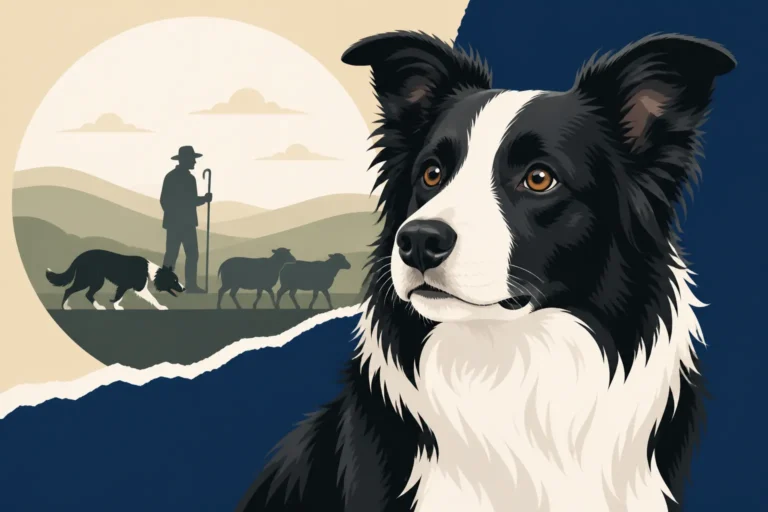
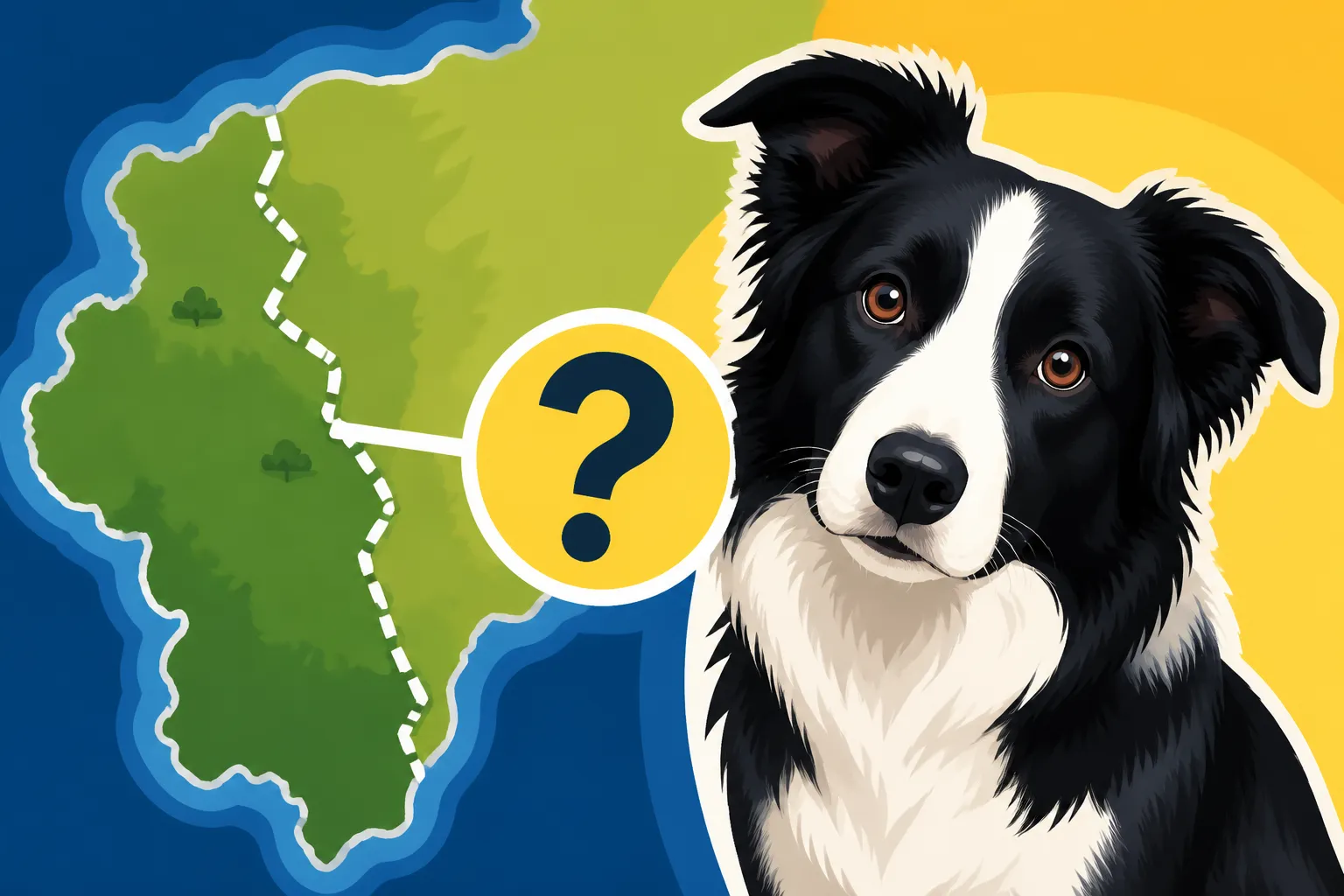
Imagine the rolling hills and deep valleys of the land straddling what is now England and Scotland. This rugged terrain, known as the Anglo-Scottish Border, was historically a challenging place to make a living, particularly for shepherds. The weather was often unforgiving, the land vast, and the sheep often prone to wandering. This wasn't a place for dainty parlor dogs; it called for tough, intelligent, and highly adaptable canines who could work sheep in all conditions, far from their handler.
For centuries, shepherds in this region selectively bred their dogs not for looks, but purely for their working ability. They needed dogs that could gather, drive, and control flocks with minimal human intervention, often over long distances and difficult ground. This constant, rigorous selection pressure in a specific, demanding environment led to the development of a dog with unparalleled herding instincts, stamina, and problem-solving abilities. It was a crucible that forged the essence of what we now know as the Border Collie. The deep tradition of working dogs here meant that exceptional abilities were passed down through generations, making the region famous for its "collies."
How the Name "Collie" Came to Be
Before "Border Collie" became a distinct breed name, the term "collie" was a much broader descriptor. It was commonly used throughout Britain and Ireland to refer to any dog used for herding sheep. The word itself has various theories of origin, with some suggesting it comes from the old Scottish word for "coal" (referring to the black-faced sheep often herded, or perhaps the common black coloration of the dogs themselves), or even an old Celtic word for "useful."
Regardless of its exact linguistic root, "collie" signified a working sheepdog. There were many types of collies across different regions, each adapted to its local conditions and flock management styles. You might hear of a "Scotch Collie" or a "Welsh Collie," for instance. These dogs shared the fundamental purpose of herding but varied in appearance and specific working styles. It was only later, when the dogs from the Anglo-Scottish Border region began to truly stand out for their exceptional and consistent working prowess, that a more specific identifier became necessary.
The Evolution of the Breed in the Border Region
The specific environmental and economic pressures of the Anglo-Scottish Border were paramount in shaping these dogs. Shepherds here were often isolated, relying heavily on their dogs as partners, not just tools. This meant valuing acute intelligence, independent problem-solving, and a deep, intuitive understanding of livestock movement. Dogs were not merely commanded; they were expected to anticipate, react, and make decisions on their own.
Over generations, the dogs of this borderland developed a distinctive "eye" – that intense, hypnotic stare used to control sheep, coupled with a low, stealthy gait. They also became renowned for their incredible stamina, able to work all day without flagging. This unique combination of traits, refined through selective breeding by dedicated shepherds, began to set them apart from other regional "collies." It was this superior working style and consistent genetic predisposition for excellence that eventually led to their recognition as a distinct type worthy of a specific name.
Old Hemp and the Formalization of the Name
The journey from a generic "collie" to the specifically named "Border Collie" is largely credited to one foundational dog and the efforts of those who recognized his extraordinary influence on the breed. This period marked a crucial shift from informal breeding to a more organized recognition of a superior lineage.
Old Hemp: The Father of the Modern Border Collie
The story of the Border Collie cannot be told without mentioning Old Hemp. Born in Northumberland, England, right on the Anglo-Scottish Border, in 1893, Hemp was a tri-color dog with a unique, quiet, and powerful working style. Unlike many of the more aggressive or boisterous sheepdogs of his time, Hemp worked with a calm, controlling "eye" that mesmerized sheep, moving them with minimal fuss. He possessed an incredible natural talent and an almost intuitive understanding of how to manage stock.
Old Hemp's progeny inherited his exceptional qualities, consistently producing outstanding working dogs. He sired over 200 puppies throughout his life, and his influence was so profound that almost every Border Collie alive today can trace its lineage back to him. His existence solidified the ideal working type of the dogs from the Border region, setting a standard for intelligence, control, and herding ability. He was a living embodiment of what shepherds in the Anglo-Scottish Border desired in their working partners. You can learn more about Old Hemp and Every Border Collie Alive Today.
The International Sheep Dog Society and the Need for a Name
As the fame of these superior working collies from the Anglo-Scottish Border grew, particularly through the burgeoning sheepdog trials of the late 19th and early 20th centuries, a need for standardization became clear. Handlers from the Border region consistently outperformed others, showcasing dogs with a distinct skill set. This led to the formation of the International Sheep Dog Society (ISDS) in 1906. The ISDS was established to preserve and promote the working sheepdog, recognizing that these dogs were a vital part of agricultural life.
One of the society's crucial early tasks was to define and register these exceptional dogs. Since many different types of "collies" existed, and dogs from other areas were also called collies, it became imperative to differentiate the distinct type originating from the borderlands. The formal recognition and registration process demanded a specific name that would clearly identify these superior working dogs and honor their geographical origin.
Why the Term "Border Collie" Stuck
It was James Reid, the secretary of the International Sheep Dog Society, who is credited with formally attaching the "Border" prefix to "Collie" in 1915. He did this to clearly distinguish the breed originating from the Anglo-Scottish Border region from the other "collie" types that were prevalent across Britain. This designation was not arbitrary; it was a direct acknowledgment of their geographical roots and the unique working style that had been cultivated there.
The name "Border Collie" immediately conveyed their origin and purpose, setting them apart from the show-bred Collies (like the Rough Collie, popularized by Lassie) that were emerging, which were being bred more for appearance than working ability. It was a proud declaration of their heritage as robust, intelligent, and highly skilled working dogs, honed by generations of demanding work in a specific, historical locale. This name has endured, becoming globally recognized as synonymous with supreme canine intelligence and herding prowess.
The Significance of the Name Today
The name "Border Collie" is more than just a historical label; it's a living descriptor that continues to inform our understanding of the breed today. It encapsulates their heritage, their purpose, and their very identity, guiding owners and enthusiasts in appreciating what makes these dogs truly special.
A Legacy of Herding Excellence
Even in modern times, the name Border Collie serves as a constant reminder of the breed's deep-seated purpose: herding. Whether a Border Collie is working sheep on a vast farm, competing in agility, or living as a beloved family companion, that "Border" in their name whispers of their ancestors' lives on the Anglo-Scottish frontier. It speaks to a legacy of tireless work, keen intelligence, and an unparalleled drive to gather and control. This inherent working instinct is why owners often find that physical exercise alone isn't enough; Border Collies need mental stimulation and a "job" to do, even if it's just learning new tricks or engaging in complex puzzle toys found at stores like Chewy.
This legacy also means that responsible breeders today continue to prioritize working ability, even if the puppies are destined for pet homes. The traits that made them excel on the border—intelligence, biddability, stamina, and that famous "eye"—are still the hallmarks of a true Border Collie. Understanding this heritage helps new owners prepare for the demands and rewards of living with such an active and intelligent dog. Many organizations, like the American Border Collie Association (ABCA), still strongly emphasize the working roots of the breed, a direct continuation of the ISDS's initial focus. You can learn more about What Separates a Border Collie From Every Other Herder.
Distinguishing the Border Collie from Other Collies
The "Border" prefix is vital for distinguishing this breed from other types of "Collie" dogs, which, despite sharing a similar name, often have very different histories, appearances, and temperaments. Without that specific geographical marker, confusion would be rampant. Here's a quick look at how the Border Collie stands apart:
| Collie Type | Primary Purpose | Typical Appearance | Key Differentiating Feature |
|---|---|---|---|
| Border Collie | Herding (working) | Medium-sized, often black & white, rough or smooth coat, intense "eye" | Bred almost exclusively for working ability; intense focus |
| Rough Collie | Herding (show/companion) | Long, flowing coat; elegant build; less intense "eye" | Developed more for appearance; gentle, regal temperament |
| Smooth Collie | Herding (show/companion) | Short, smooth coat; similar build to Rough Collie | Shorter coat than Rough Collie, but also more show-oriented |
| Shetland Sheepdog | Herding (miniature) | Smaller, long-coated; resembles a miniature Rough Collie | Smaller size; often less intense herding drive than BC |
| Bearded Collie | Herding (drover's dog) | Shaggy, long coat; distinct beard; bouncy gait | More independent, less "eye," historically used to drive sheep |
As you can see, the "Border" in Border Collie isn't just an extra word; it's the defining characteristic that ties the breed to its unique development and sets it apart in the diverse world of collies. It clarifies that this is the collie from the border, the one developed for supreme working prowess.
Understanding the Breed's Identity Through its Name
For anyone welcoming a Border Collie into their life, understanding the origin of their name is a fundamental step in truly understanding the dog itself. The name is a shorthand for a complex set of traits: extraordinary intelligence, boundless energy, sensitivity, and an innate desire to work. These aren't just random characteristics; they are the direct result of centuries of selective breeding within a demanding, specific geographical context.
Knowing that your dog's lineage comes from the Anglo-Scottish Border helps you appreciate their need for mental stimulation and purposeful activity. It explains why they might stare intently at moving objects, try to "herd" children or other pets, or become restless without enough engagement. It also fosters a deeper respect for their history as indispensable partners to shepherds, evolving in a unique region. Whether you're considering buying a Border Collie puppy or adopting one, recognizing what the name "Border Collie" signifies is crucial for providing them with the fulfilling life they deserve. You might even find yourself looking for specialized enrichment toys on sites like Chewy to keep their clever minds busy!
Disclaimer
This article is for general informational purposes only and does not constitute professional advice. Laws, prices and regulations vary by location and change over time. Consult a qualified professional for guidance on your specific situation.