When the Term Border Collie Was First Used
Have you ever stopped to think about the name "Border Collie" and where it actually came from? It’s so commonly used now, it feels like it's always been around, but the truth is, this distinctive name has a fascinating history rooted in the very purpose and origin of these incredible dogs. For anyone who lives with or loves a Border Collie, understanding how they got their name sheds a lot of light on what makes them so unique. This guide will take a journey back in time to explore the precise moment the term "Border Collie" first graced our vocabularies and why it was so important.
The Roots of the "Collie" – A Word Older Than the Breed Itself
Before we can pinpoint when "Border Collie" became a thing, we need to understand the deeper history of the word "collie" itself. It wasn't just pulled out of thin air; it has a rich, if somewhat hazy, past that predates the modern Border Collie by centuries.
Ancient Origins of "Collie"
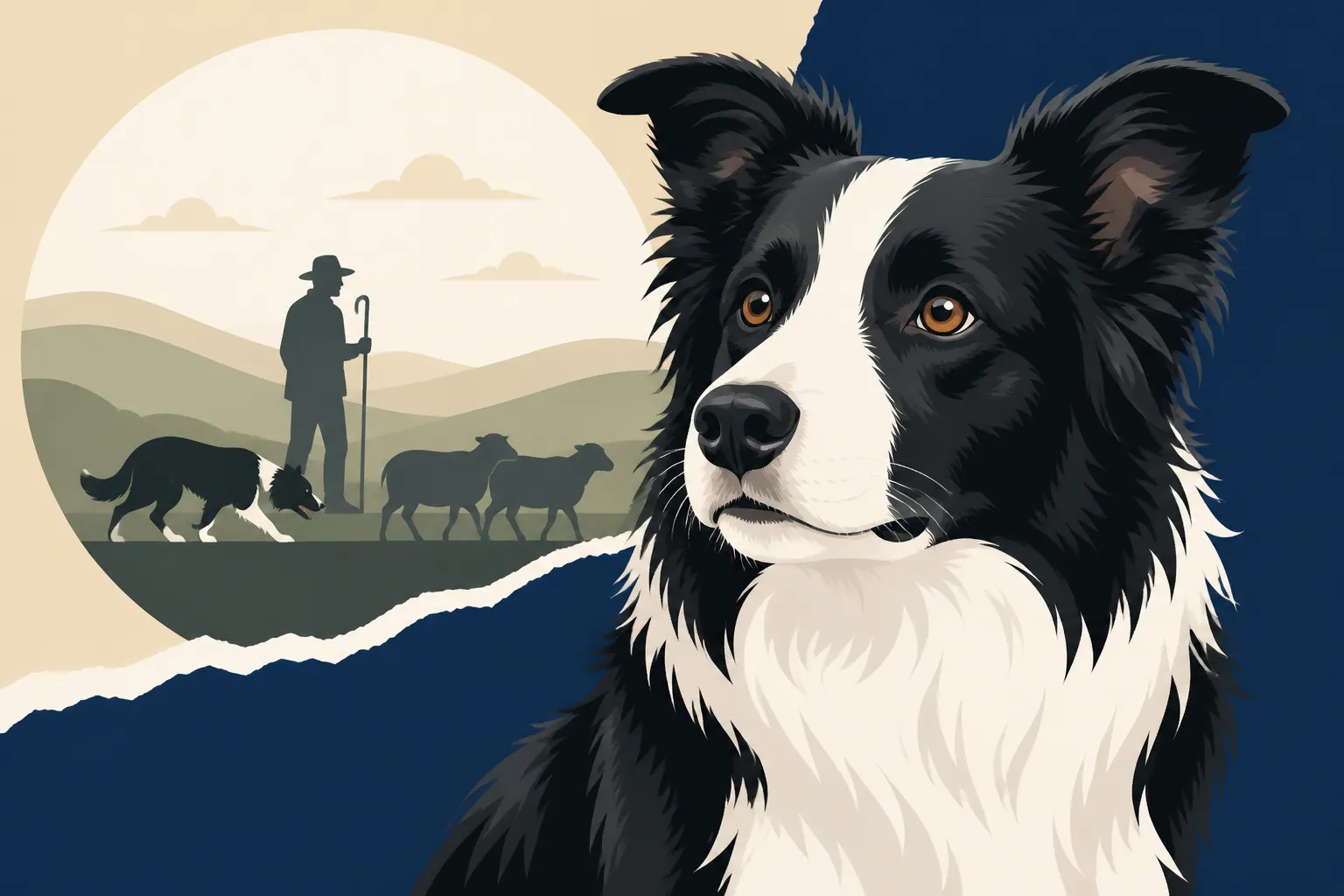
The term "collie" has roots that stretch back further than many people realize, and it wasn't always a breed-specific name. In fact, it was more of a general descriptor for a type of working dog. Imagine the rugged, windswept landscapes of Scotland and northern England, where shepherds depended entirely on their dogs to manage vast flocks of sheep. These were tough, intelligent animals, invaluable to their human partners. The origin of the word "collie" itself is a bit of a friendly debate among language historians. Some suggest it comes from "colley," a Scottish dialect word for coal-black, referring to the dark-faced sheep (like the now-rare Colley sheep) that these dogs often herded, or perhaps the dark coats of the dogs themselves. Others link it to "collie dogs," referring to working dogs. Either way, it was a practical term used by practical people in a working environment.
At its heart, the word simply meant "sheepdog." It wasn't about a specific appearance or a fancy pedigree, but purely about function. These dogs were part of the fabric of rural life, essential for survival in challenging agricultural conditions. They were known for their intelligence, stamina, and an almost intuitive understanding of livestock. It's a wonderful thought, really, picturing those early shepherds in the Anglo-Scottish borders, simply referring to their invaluable partners as "collies" without a thought for formal breed names. They knew their dog's worth by its work, not by a registered title. You can dive deeper into this general term by reading What Collie Meant Before the Border Collie.
Different "Collies" Across the British Isles
The British Isles, with their varied terrains and distinct farming practices, fostered a mosaic of working sheepdogs, each colloquially known as a "collie." You had your Welsh Collies, your Scotch Collies, your Northern Collies, and many other regional variations. Each type was subtly, or sometimes not so subtly, adapted to the specific challenges of its local environment and the type of livestock it managed. A shepherd in the steep, rocky hills of Wales might need a dog built slightly differently than one working the expansive, flatter fields of the Scottish Lowlands.
For instance, a Welsh Collie might have been selected for exceptional agility and sure-footedness on mountainous terrain, perhaps with a stronger bite to manage particularly stubborn hill sheep. In contrast, the dogs developing in the Anglo-Scottish border region – the ancestors of our modern Border Collies – were evolving a highly specialized working style. They used their intense "eye" to control sheep with minimal physical intervention, a method that proved incredibly efficient for gathering large flocks. The diversity was a testament to natural selection and purposeful breeding by shepherds focused purely on utility. They bred for what worked best on their own land, with their own sheep. This created a rich tapestry of working dogs, all sharing the general "collie" moniker, but each with its own local flavor and flair.
The Rise of the Modern Working Sheepdog and Old Hemp
While "collie" was a broad term, a specific type of collie began to emerge from the Anglo-Scottish border region that would eventually become globally recognized. This development was largely thanks to key individuals and the growing popularity of sheepdog trials.
The Influence of Old Hemp
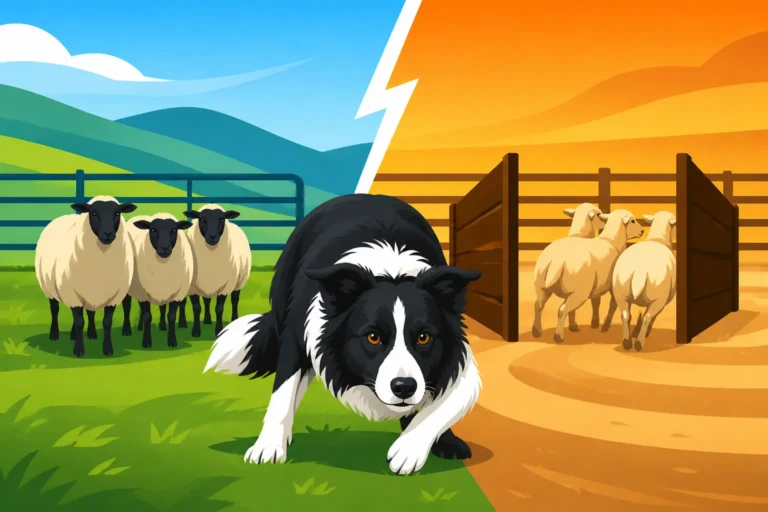
The story of the modern Border Collie is almost impossible to tell without mentioning Old Hemp. Born in Northumberland, England, in 1893, Old Hemp wasn't just any working dog; he was a phenomenon. Before him, many sheepdogs worked with a more aggressive, barking, or nipping style. Old Hemp, however, introduced a revolutionary way of working. He was calm, quiet, and incredibly effective, using his intense "eye" – that piercing, focused stare – to control sheep with minimal fuss. He wouldn't bark or run excitedly; he would simply will the sheep to move. It was a revelation for shepherds accustomed to more boisterous dogs.
His temperament and efficiency quickly made him legendary. Shepherds recognized his superior genetics, and he became an incredibly sought-after sire, reportedly siring over 200 pups. His working style became the gold standard, influencing generations of sheepdogs and essentially standardizing the traits that we now associate with the Border Collie. If you want to understand how one dog could have such a profound impact, I highly recommend reading Old Hemp, Born in Northumberland in 1893. His descendants spread far and wide, carrying his calm, intelligent, and precise herding technique. This laid the genetic and behavioral foundation for the breed we know and love today, differentiating them clearly from other types of collies. It truly set them apart, establishing How Old Hemp Worked Differently From Other Dogs.
Formalizing the Breed: Early Trials and Societies
As these superior working collies became more prevalent, there was a natural desire to test and compare their abilities. This led to the formalization of sheepdog trials. These weren't just competitive events; they were crucial for improving the breed. Shepherds could see which dogs performed best under trial conditions, allowing them to make informed breeding decisions and further refine the working qualities. The first recorded sheepdog trial, which preceded the widespread use of "Border Collie," took place in 1873. You can learn more about this foundational event by checking out The 1873 Sheepdog Trial Before the Border Collie. These early trials highlighted the exceptional talent of the dogs from the border region.
The burgeoning interest in these trials and the recognition of these dogs' unique abilities led to the formation of the International Sheep Dog Society (ISDS) in 1906. This was a pivotal moment. The ISDS was founded with the explicit goal of maintaining the purity and improving the working qualities of the sheepdog. Unlike kennel clubs focused on appearance standards, the ISDS registered dogs based solely on their proven working ability on sheep, a radical concept at the time. This focus on merit, rather than arbitrary physical standards, ensured that the dogs remained true to their working heritage. The ISDS played an enormous role in consolidating the bloodlines and practices that would define the Border Collie. For more on the society's beginnings, look up Why the ISDS Was Founded in 1906. The formation of this society created a clear framework for recognizing and distinguishing these elite working dogs, setting the stage for their unique nomenclature.
The Official Naming: James Reid and the "Border Collie"
With the working sheepdogs of the Anglo-Scottish borders gaining prominence and a dedicated society to register them, the stage was set for them to receive a name that truly reflected their identity.
The Need for a Distinctive Name
By the early 20th century, the working dogs from the Anglo-Scottish border region were clearly distinct. Their superior working style, largely influenced by Old Hemp and championed by the ISDS, made them stand out from other "collies" found throughout Britain. However, the generic term "collie" was still causing confusion. There were Rough Collies, which were increasingly bred for show rather than work, and various other local types of working collies. Imagine trying to explain to someone, or trying to register a dog, when everyone just says "collie." It lacked precision.
For handlers, breeders, and anyone involved in the burgeoning sheepdog trial circuit, a more specific identifier was desperately needed. How could one clearly refer to that particular type of intelligent, intense, "eyed" sheepdog originating from a specific geographical area? Without a distinct name, communication was muddled, and the unique characteristics of these exceptional dogs weren't properly recognized. It wasn't just about identity; it was about protecting the integrity of a developing breed and ensuring that its working heritage remained paramount. This distinction was becoming increasingly important as the dog fancy began to formalize breeds based on looks rather than just ability, leading to a The Working and Show Split in Border Collies.
James Reid's Contribution
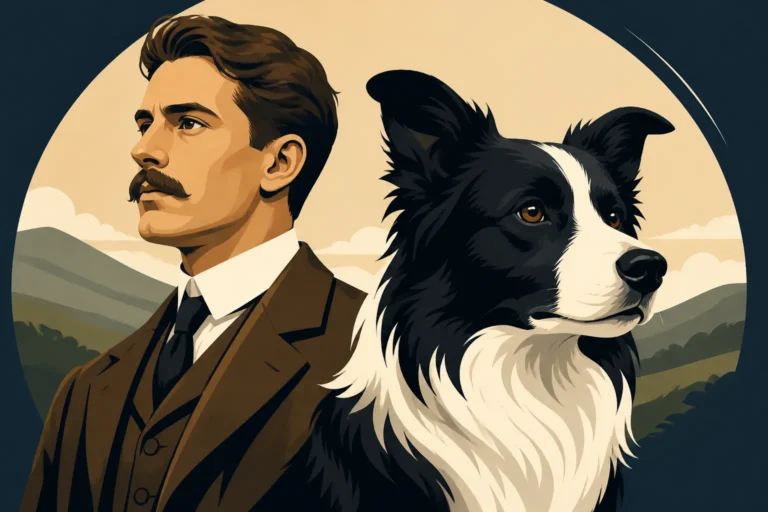
It was into this environment of growing distinction and a need for clarity that James Reid stepped in. As the Secretary of the International Sheep Dog Society (ISDS), Reid was intimately familiar with the unique qualities and geographical origins of these exceptional working dogs. It was he who is widely credited with officially coining and popularizing the term "Border Collie" in 1915.
Reid's choice of "Border" was both logical and brilliant. It directly referenced the Anglo-Scottish border region – the historic birthplace of these dogs, where their distinctive working style had been honed over generations. This simple addition immediately set them apart from the other "collies" of the time, such as the Smooth Collie or the increasingly popular Rough Collie, which were either evolving differently or being bred primarily for conformation shows. The name "Border Collie" was not just a label; it was an affirmation of their heritage, their working purpose, and their regional identity. For an in-depth look at this specific moment, you can read James Reid and the Name Border Collie in 1915. This naming act solidified their place in history, giving a precise identity to the most effective sheepdog the world had ever seen, ensuring that The Anglo-Scottish Border and the First Collies would forever be linked to their legacy.
The Legacy of a Name: From Working Dog to Global Icon
The adoption of the "Border Collie" name was a turning point, not just for the breed, but for the world of working dogs. It provided a clear identity that allowed these magnificent animals to gain international recognition while retaining their crucial heritage.
The Name's Adoption and Spread
Once James Reid introduced the term "Border Collie," it quickly gained traction, largely thanks to the ISDS. As more dogs were registered with the society and more trials were held, the name became the standard identifier for these specific working sheepdogs. Handlers across the UK and beyond began to adopt it, recognizing its precision and its connection to the breed's superior working abilities. The ISDS registration papers, which emphasized working pedigree above all else, solidified the name's meaning.
The spread of the name wasn't just through official channels, though. It was carried by word of mouth from shepherd to shepherd, from trial competitor to trial competitor. When a shepherd purchased a pup from a renowned working line, they knew they were getting a "Border Collie," distinct from any other type of collie. This clarity was vital for maintaining consistent breeding practices focused on performance. It also facilitated the breed's eventual journey across oceans, as their reputation for unparalleled intelligence and herding prowess preceded them. Having a distinct name made it easier for people in other countries to understand exactly what kind of dog they were seeking when they wanted a true working sheepdog.
What the Name "Border Collie" Signifies Today
Today, the name "Border Collie" conjures an immediate and powerful image: a dog of unparalleled intelligence, intense focus, incredible athleticism, and an insatiable desire to work. It’s a name that signifies a rich history rooted in the fields and hills of the Anglo-Scottish border, a testament to generations of dedicated shepherds and breeders who valued ability above all else. This name is much more than just a label; it carries the weight of a legacy, representing a dog that truly embodies the spirit of a working partner.
The distinction embedded in the name remains incredibly important, particularly in debates between organizations like the American Border Collie Association (ABCA), which adheres strictly to the working standard, and the American Kennel Club (AKC), which also registers Border Collies for conformation showing. The ABCA's stance on this is well-documented, as they famously Why Working Breeders Fought AKC Recognition due to concerns that conformation breeding might dilute the working instinct. This ongoing discussion highlights how deeply ingrained the working heritage is within the very name "Border Collie."
For us everyday enthusiasts and pet owners, "Border Collie" means a dog that needs more than just a walk around the block; it needs a job, whether that's herding sheep, excelling in dog sports, or engaging in complex mental challenges. Companies like Chewy understand this, offering a vast array of puzzle toys, high-quality performance foods, and durable gear designed to meet the rigorous demands of this breed. The name is a constant reminder of the incredible dog we share our lives with and the unique journey it took to earn its fitting title. Knowing the history behind the name enriches our appreciation for these phenomenal dogs, reaffirming What Separates a Border Collie From Every Other Herder.
Here's a quick look at some key milestones in the Border Collie's naming journey:
| Year | Event/Development | Significance |
|---|---|---|
| Pre-1800s | General use of "Collie" | Generic term for various types of working sheepdogs across the British Isles. |
| 1873 | First official Sheepdog Trial | Demonstrated the superior working ability of specific regional collies and sparked interest in formalizing standards. |
| 1893 | Birth of Old Hemp | His quiet, "eyed" working style became the foundation for the modern Border Collie's distinct method. |
| 1906 | Founding of the ISDS | Established a society to register working sheepdogs based on merit, not appearance, promoting specific bloodlines. |
| 1915 | James Reid coins "Border Collie" | Officially named the distinct working sheepdog from the Anglo-Scottish border, differentiating it from other collies. |
It's clear that the name "Border Collie" is more than just a label; it's a badge of honor, celebrating a breed forged by necessity, refined by purpose, and admired the world over for its unmatched intelligence and work ethic.
Disclaimer
This article is for general informational purposes only and does not constitute professional advice. Laws, prices and regulations vary by location and change over time. Consult a qualified professional for guidance on your specific situation.