Why a Border Collie’s Toe Hair Collects Snow
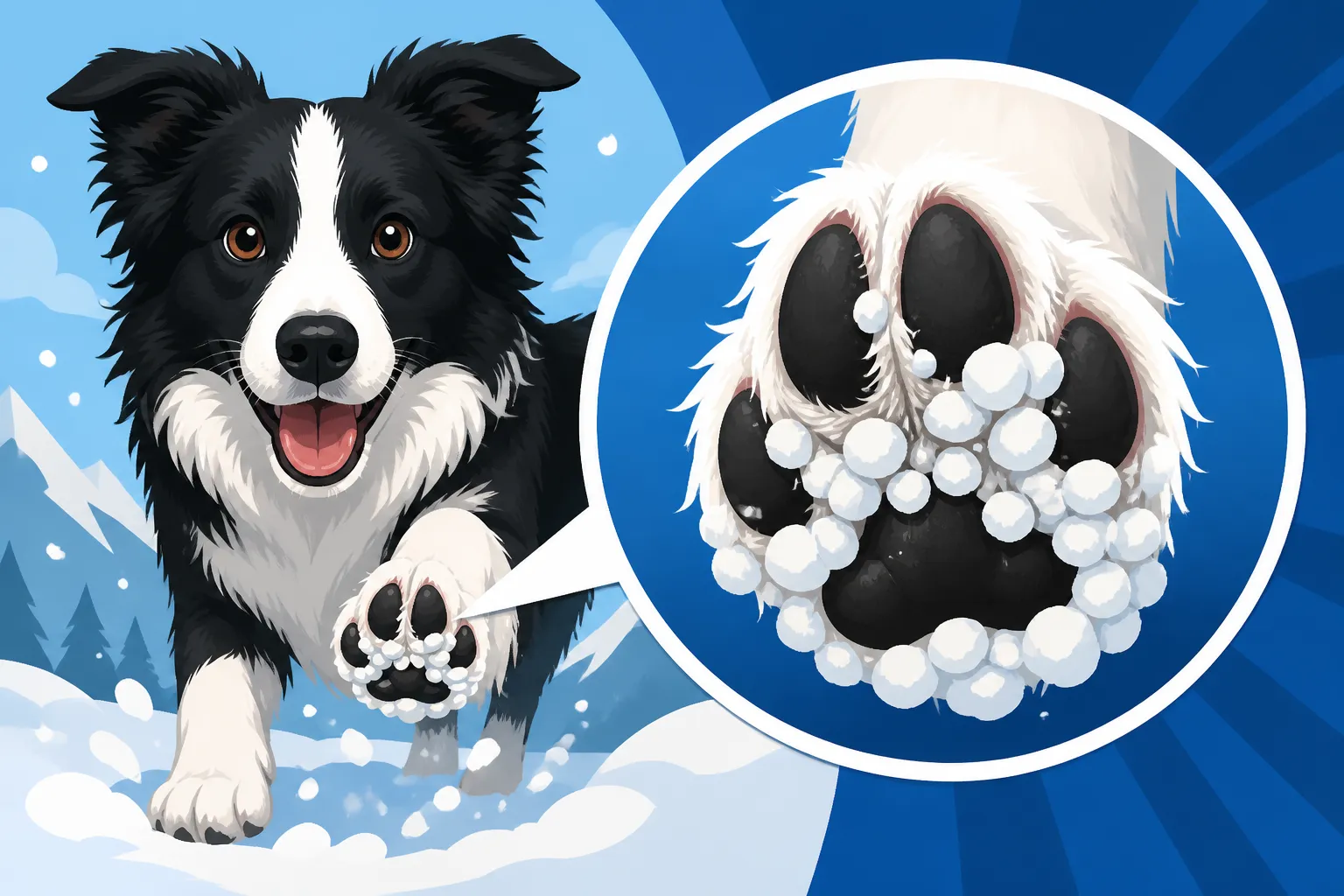
Oh, winter. It brings such beauty, doesn't it? Snow-covered fields, crisp air, and the sheer joy of watching your Border Collie race through a fresh blanket of white. But then you look closer at their paws, and there it is: those frustrating, hard-packed balls of ice and snow stuck stubbornly between their toes. It's not just an annoyance for us; it can be genuinely uncomfortable and even painful for our dogs. This guide will dive deep into why your Border Collie’s toe hair is such a magnet for snow and, more importantly, what you can do about it to keep their paws healthy and happy all winter long.
The Anatomy of the Problem: Why Toe Hair is a Snow Magnet
It might seem like a simple issue, but there's a real science behind why your Border Collie's paws become snow magnets. It's a combination of their genetics, the properties of snow, and the mechanics of how they move. Understanding this helps us tackle the problem more effectively.
The Border Collie's Double Coat and Feathering
Border Collies, especially the rough-coated variety, are known for their magnificent double coats. This isn't just for their body; it extends right down to their feet. They have soft, dense undercoats for insulation and coarser, longer guard hairs that protect against the elements. Around their paws, particularly between the pads and extending past the toes, these longer hairs are often referred to as "feathering" or "paw fringes." While this hair offers some protection from cold ground, it also creates the perfect surface for snow and ice to cling to. It's like a natural Velcro designed for winter debris. A smooth-coated Border Collie might have less dramatic feathering, but they still have enough hair between their pads to trap snow, so don't think they're entirely immune to this particular winter woe. You can learn more about The Rough and Smooth Border Collie Coats to understand the differences in their grooming needs.
How Snow and Ice Form on Hair
Think about how snow sticks to your own boots or clothes sometimes – it’s a bit different when it comes to dog fur. When your Border Collie runs through snow, especially wet or powdery snow, tiny particles get caught in the fine hairs between their toes. As these particles accumulate, they’re warmed slightly by the dog's body heat, causing them to melt ever so slightly. Then, the cold air and ground quickly refreeze this melted layer, cementing the snow particles together and to the hair. This process repeats, layer by layer, building up those dense, icy balls. It's similar to how an ice ball might form around a rock rolling downhill, but in this case, the "rock" is the hair, and it's constantly collecting more material. The warmth of the paw, followed by exposure to the freezing air, creates a perfect cycle for accumulation.
The Role of Movement and Body Heat
A Border Collie isn't one to sit still. Their constant motion – running, jumping, turning on a dime – contributes significantly to snow accumulation. Each step presses the paw into the snow, forcing particles deeper into the toe hair. The friction and repeated compression compact the snow. Furthermore, their high activity levels mean their body temperature, and therefore paw temperature, might fluctuate more. This slight warming and then rapid cooling cycle, as mentioned, is crucial for those hard ice balls to form. It's why a dog standing still in the snow might get a light dusting, but an active dog will develop solid clumps. They’re essentially building little snowballs with every stride, which then get lodged in a very sensitive area. This constant impact also makes the removal of these snowballs more difficult, as they become tightly packed.
Beyond Discomfort: The Real Risks of Snow-Packed Paws
While snow-packed paws are certainly uncomfortable, the issue goes beyond a temporary annoyance. Ignoring these icy clumps can lead to a host of health and safety problems for your hard-working Border Collie. It's important to be proactive and understand the potential dangers.
Skin Irritation and Frostbite Concerns
Those hard ice balls are not just benign lumps; they can cause significant skin irritation. Imagine walking with tiny, freezing rocks jammed between your toes all day. The constant pressure and friction from the ice against the delicate skin between the pads can lead to redness, chafing, and even painful sores. These open sores are then vulnerable to infection, especially in an environment like a paw that's constantly exposed to dirt and moisture. In extreme cold, or if the ice remains for extended periods, there's also a risk of frostbite. The sustained cold from the ice balls can reduce blood flow to the paw tissue, leading to damage. While Border Collies are generally hardy, their paws are still susceptible, particularly the thin skin between the pads. Regularly checking your dog's paws after winter outings is crucial to spot any early signs of irritation or potential frostbite.
Impact on Gait and Joint Strain
When those icy clumps form, they effectively change the shape of your Border Collie's paw. This alters their natural gait, forcing them to walk awkwardly. They might lift their paws higher, splay their toes differently, or shift their weight to avoid pressure on the ice. This unnatural movement isn't just clunky; it can put undue stress on their joints, ligaments, and muscles. Over time, or with repeated incidents, this can lead to soreness, lameness, and potentially exacerbate underlying joint issues. For a dog that's constantly running and turning, like a Border Collie, maintaining proper biomechanics is vital. Think of it like trying to run with pebbles in your shoes – it throws off your balance and can lead to strains. Hip and Elbow Scores in a Border Collie are crucial for understanding their joint health, and poor paw care can certainly contribute to issues down the line.
Other Winter Hazards for Unprotected Paws
Beyond snow and ice, winter brings other threats to unprotected paws. Rock salt, often used to de-ice sidewalks and roads, is highly irritating and corrosive to paw pads. It can cause chemical burns, dryness, and cracking, making your Border Collie's paws even more susceptible to damage. Antifreeze, while less common on paws, is highly toxic if ingested, and dogs can lick it off their feet. Sharp ice shards or frozen ground can also cause cuts or abrasions. Without proper protection or care, your Border Collie's paws are exposed to a cocktail of environmental stressors. Even natural elements like frozen dirt or gravel can be abrasive. Protecting those paw pads is paramount for overall winter well-being. Keeping an eye out for signs of Toe and Pad Injuries on a Working Border Collie is just as important in winter as it is in summer.
Practical Solutions for Snowy Paws: Keeping Your Border Collie Comfortable
Okay, we've talked about why it happens and what problems it causes. Now, let's get to the good stuff: practical, actionable steps you can take to make winter walks and work much more enjoyable for your Border Collie.
Trimming the Toe Hair Effectively
This is one of the most straightforward and effective preventative measures you can take. Regularly trimming the excess hair between your Border Collie's paw pads and around their toes significantly reduces the surface area for snow and ice to cling to.
Here’s how to do it safely:
- Gather Your Tools: You'll need a good pair of blunt-nosed grooming scissors or small, quiet electric clippers designed for pet grooming. A comb is also helpful.
- Position Your Dog: Have your Border Collie lie down or sit comfortably. Make sure they are calm. If your dog is fidgety, you might need a helper to offer treats or gentle restraint.
- Comb and Trim: Gently comb the hair on the top of the paw forward, then trim it so it's flush with the pads. Next, carefully spread the paw pads apart and use the blunt-nosed scissors to trim the hair that grows between the pads. Trim the hair around the perimeter of the paw, ensuring it doesn't extend past the edge of the pads when the paw is on the ground. Be incredibly cautious not to cut the pads themselves or the delicate skin between the toes. Think of it like giving them a "poodle paw" trim, but less extreme.
- Frequency: Depending on your Border Collie's coat growth, you might need to do this every 2-4 weeks during the winter months. Regular trimming keeps the hair short and manageable.
This simple grooming step can make a world of difference. It's a bit like giving them built-in snow tires!
Protective Paw Balms and Waxes
Another excellent line of defense comes in the form of paw balms, waxes, and salves. These products create a protective barrier on the paw pads and the surrounding hair, making it harder for snow and ice to stick. They also help to moisturize the pads, preventing cracking and dryness that can occur in harsh winter conditions.
How they work:
These balms typically contain natural ingredients like beeswax, lanolin, and various oils. When applied, they form a slick, waterproof layer. Snow and ice have less grip on this greasy surface, often sliding off rather than clumping. Plus, they offer a protective shield against salt, chemicals, and rough ice.
Application tips:
Before you head out for a snowy adventure, liberally apply the balm or wax to all four paw pads and work it up into the hair between the toes. Don't be shy; you want a good coating. Pay special attention to the areas where snow typically accumulates most. You might need to reapply during longer outings or after a particularly wet run. Brands like Musher's Secret are well-regarded for creating a robust barrier, and you can often find a good selection of paw balms on Amazon or Chewy. Remember that while effective, these aren't a magical cure-all, but they are a fantastic aid in preventing discomfort and damage.
The Case for Dog Boots
For some Border Collies, especially those working extensively in deep snow, on icy terrain, or in areas heavily treated with salt and chemicals, dog boots are the ultimate solution. While some dogs take a bit of convincing to wear them, the protection they offer is unparalleled.
Benefits of dog boots:
- Complete Protection: Boots fully enclose the paws, preventing any snow, ice, salt, or sharp debris from making contact with the pads or toe hair.
- Prevents Frostbite: They add an extra layer of insulation against extreme cold.
- Reduces Injury Risk: Boots protect against cuts, abrasions, and chemical burns.
- Maintains Natural Gait: By preventing ice ball formation, boots allow your Border Collie to maintain their natural stride and reduce strain on their joints.
Choosing and training with boots:
It's crucial to select boots that fit well – not too tight, not too loose – and are durable enough for your Border Collie's activity level. Look for options with good traction. Getting your dog accustomed to boots takes time and positive reinforcement. Start with short periods indoors, rewarding them heavily. Gradually increase wear time and introduce them during walks. Don't be surprised by the "boot dance" at first; it's quite common! You can find a wide range of styles and sizes on Chewy, suitable for different activities and paw shapes. Consider how much grip they offer for activities like Working an Epileptic Border Collie on Stock in varied weather conditions.
Post-Snow Routine for Paw Care
Even with preventative measures, a good post-snow routine is essential for maintaining paw health.
- Inspect Thoroughly: As soon as you come in from the cold, carefully check each paw. Look between the pads, under the toes, and check the nail beds. Remove any remaining snow, ice, or debris that might have snuck past your defenses.
- Warm Water Rinse: A quick rinse with lukewarm water is ideal. This melts any stubborn ice, washes away salt or chemicals, and helps warm the paws gently. Avoid hot water, which can shock cold skin.
- Thorough Drying: Dry the paws completely with a towel, paying extra attention to the areas between the pads. Moisture left behind can lead to skin irritation, fungal infections, or even exacerbate cold.
- Moisturize (Optional but Recommended): After drying, if your dog's pads seem dry or cracked, apply a small amount of paw balm or a pet-safe moisturizer. This replenishes moisture and keeps the pads supple.
- Look for Injury: Keep an eye out for any redness, cuts, cracks, or signs of irritation. If you notice anything concerning, like a deep crack or persistent lameness, consult your vet.
By consistently implementing these strategies, you can minimize the discomfort and risks associated with snow-packed paws, allowing your Border Collie to enjoy the winter wonderland without a worry. They'll appreciate the thought and care you put into keeping their feet in top shape, ready for their next adventure.
| Paw Care Strategy | Primary Benefit | Best For | Considerations |
|---|---|---|---|
| Trimming Toe Hair | Reduces snow clinging, cleaner paws | All Border Collies, especially rough-coated | Requires careful handling (scissors/clippers) |
| Paw Balms/Waxes | Creates protective, slick barrier | Light to moderate snow, chemical protection | Needs regular reapplication, can be messy |
| Dog Boots | Full protection, insulation | Deep snow, ice, salt, prolonged outdoor work | May require training, can be cumbersome for some |
| Post-Snow Routine | Cleanses, inspects, moisturizes paws | Essential for all dogs after snow exposure | Consistency is key for long-term paw health |
Disclaimer
This article is for general informational purposes only and does not constitute professional advice. Laws, prices and regulations vary by location and change over time. Consult a qualified professional for guidance on your specific situation.