Worming an MDR1 Border Collie Safely
Finding out your beloved Border Collie carries the MDR1 gene mutation can feel like a curveball, especially when it comes to routine health tasks like worming. The anxiety of potentially giving them a medication that could make them seriously ill is a heavy burden no dog owner wants to carry. This comprehensive guide will walk you through everything you need to know to safely and effectively worm your MDR1-sensitive Border Collie, ensuring their well-being without compromising their health.
Understanding MDR1 Sensitivity in Border Collies
The MDR1 gene mutation, also known as the Multi-Drug Resistance 1 mutation, is a genetic anomaly that affects how certain medications are processed and eliminated from a dog's body. For Border Collie owners, understanding this particular sensitivity is absolutely paramount, as an incorrect drug choice can lead to severe neurological symptoms and even be fatal. It's not just a minor intolerance; it's a critical difference in how their system handles a range of common veterinary drugs.
What is the MDR1 Gene Mutation?
At the heart of the MDR1 mutation lies a protein called P-glycoprotein. Think of P-glycoprotein as a bouncer at the cellular level, specifically in places like the brain, intestines, and kidneys. Its job is to pump certain drugs and toxins out of cells, preventing them from accumulating to harmful levels. In dogs with the MDR1 mutation, this P-glycoprotein isn't produced correctly, or it's completely absent. This means that when certain drugs enter their system, the bouncer isn't there to kick them out, leading to these medications crossing the blood-brain barrier in higher concentrations than normal.
This accumulation in critical areas, particularly the brain, is what causes the profound and often life-threatening neurotoxic reactions. It’s a silent, unseen vulnerability, which is why testing and careful medication management are so vital. If you've ever felt a pang of worry about giving your dog a new medication, rest assured, that concern is entirely valid for an MDR1-affected Border Collie. You are right to be cautious; it's literally a matter of life and death for these special dogs. While Border Collies are less commonly affected than some other breeds, the mutation does occur, so awareness is key. For more in-depth information, you might want to read about Why Border Collies Carry MDR1 Less Than Collies.
Common Drugs Affected by MDR1
The list of drugs affected by the MDR1 mutation is quite extensive and includes several medications that are regularly used in veterinary practice, not just wormers. The most notorious drug is Ivermectin, an antiparasitic often found in dewormers and heartworm preventatives. While safe at very low doses for heartworm prevention in most dogs, higher doses used for treating other parasites can be deadly for an MDR1-affected dog. Many of us have heard cautionary tales about giving the wrong thing, and with MDR1, those tales are very real possibilities.
Beyond Ivermectin, other problematic drugs include Loperamide (commonly known as Imodium, an anti-diarrheal), Acepromazine (a sedative), Vincristine and Vinblastine (chemotherapy drugs), and Cyclosporine (an immunosuppressant). The critical thing to remember is that it's not just the active ingredient, but sometimes even inert ingredients or other compounds in a medication that can pose a risk. This is why always consulting your vet is non-negotiable. It truly requires a holistic understanding of your dog's genetic makeup and careful veterinary oversight, and why a full list of Which Drugs an MDR1 Border Collie Cannot Have is so important.
The Risks of Improper Worming for MDR1 Border Collies
The consequences of accidentally administering an unsafe worming medication to an MDR1-affected Border Collie are severe. It's not just about an upset stomach or a mild allergic reaction; we're talking about a systemic shutdown that impacts their nervous system dramatically. Many owners live with a constant underlying fear of making a mistake, and that fear is rooted in the very real, devastating outcomes that can occur.
Symptoms of Drug Toxicity
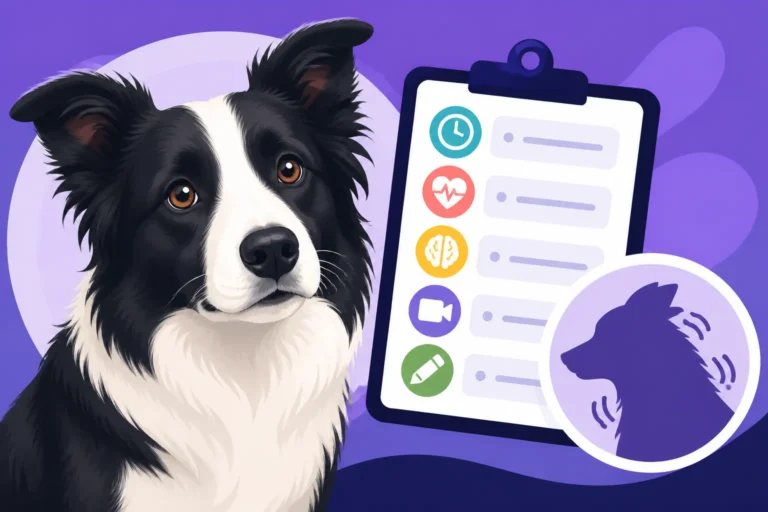
When an MDR1-affected Border Collie receives a toxic dose of a problematic drug, the signs of distress can appear relatively quickly, usually within hours but sometimes up to a day or two. These symptoms are primarily neurological because the drug has crossed the blood-brain barrier and is wreaking havoc on the central nervous system. You might notice your dog stumbling, appearing disoriented, or acting profoundly lethargic, far beyond typical tiredness.
More severe signs can include dilated pupils, tremors, excessive drooling, blindness, and even seizures. In the most critical cases, the dog can fall into a coma or die. Imagine seeing your vibrant, intelligent Border Collie, usually so full of life and keenness, suddenly losing coordination or seizing uncontrollably. It's a terrifying scenario, and understanding these symptoms is crucial so you can act immediately if the unthinkable happens. Every second counts in these situations.
Why Veterinary Consultation is Non-Negotiable
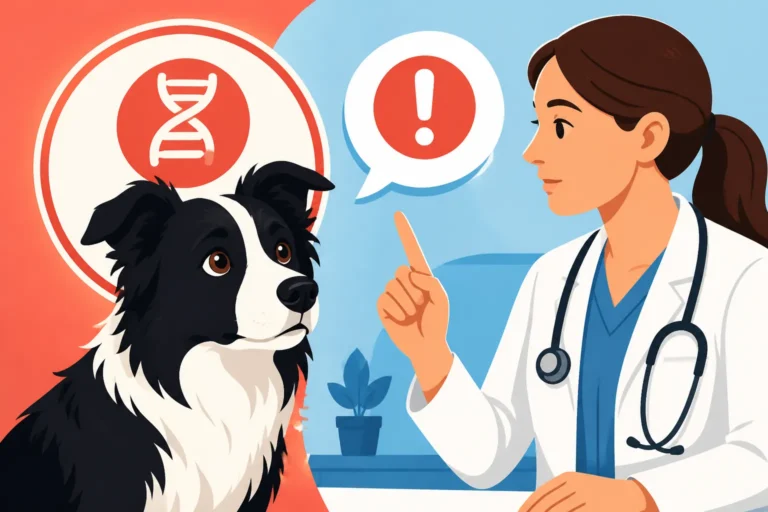
Given the severity of potential drug reactions, relying on guesswork, internet forums, or even well-meaning advice from other dog owners when it comes to worming your MDR1 Border Collie is simply too risky. Your veterinarian is your most important ally in managing your dog's health safely. They have the medical knowledge to understand the specific risks associated with the MDR1 mutation and can prescribe medications that are proven to be safe.
A knowledgeable vet won't just tell you which wormer to use; they'll consider your dog's individual health history, lifestyle, and local parasite prevalence. They can also advise on the proper dosing, which is critical even for "safe" drugs, as too high a dose of almost anything can still cause problems. Never, under any circumstances, should you administer an over-the-counter dewormer or any medication without explicit veterinary approval, especially if you know or suspect your Border Collie has the MDR1 mutation. This also extends to discussing all other medications, like Loperamide and the MDR1 Border Collie, with your vet.
Safe Worming Strategies for Your MDR1 Border Collie
Managing an MDR1 Border Collie means being proactive and informed, especially when it comes to parasitic control. It's all about making sure you have the right information and working closely with your vet to choose the safest, most effective options. This isn't just about avoiding disaster; it's about providing long-term, stress-free care.
DNA Testing for MDR1 Status
The absolute first step for any Border Collie owner, whether they plan to breed or not, is to get their dog tested for the MDR1 gene mutation. Knowing your dog's status isn— clear, a carrier, or affected—eliminates all guesswork and allows for precise, worry-free medication choices. Many reputable labs offer affordable and reliable DNA tests using a simple cheek swab. This test can be a part of a broader screening, like Which DNA Tests a Border Collie Breeder Should Have Run.
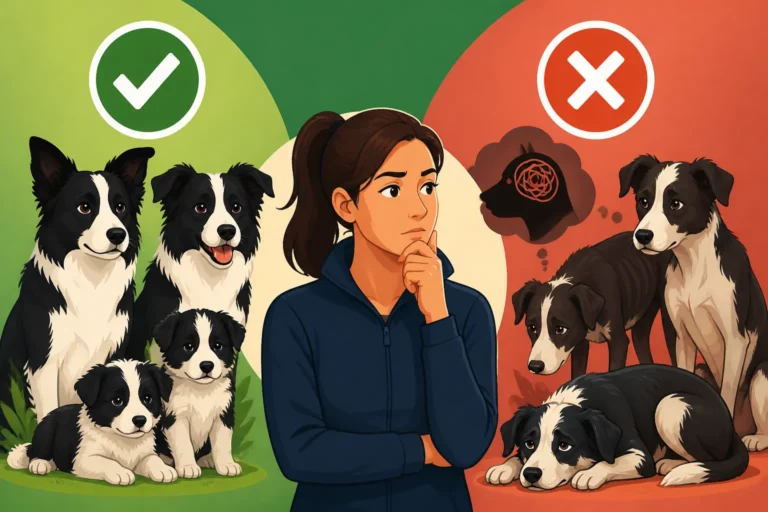
If your dog tests "affected," meaning they have two copies of the mutated gene, then extreme caution with known problematic drugs is essential. If they are a "carrier," with one mutated and one normal gene, they might show sensitivity but typically require careful dosing rather than complete avoidance of some drugs. However, for most dog owners, treating a carrier as if they are affected is the safest approach to prevent any adverse reactions. The peace of mind this test provides is invaluable; it's a small investment for a lifetime of safe care. You can learn more about Carriers, Affected and Clear on a Border Collie Panel for a deeper understanding.
Vet-Approved Safe Worming Medications
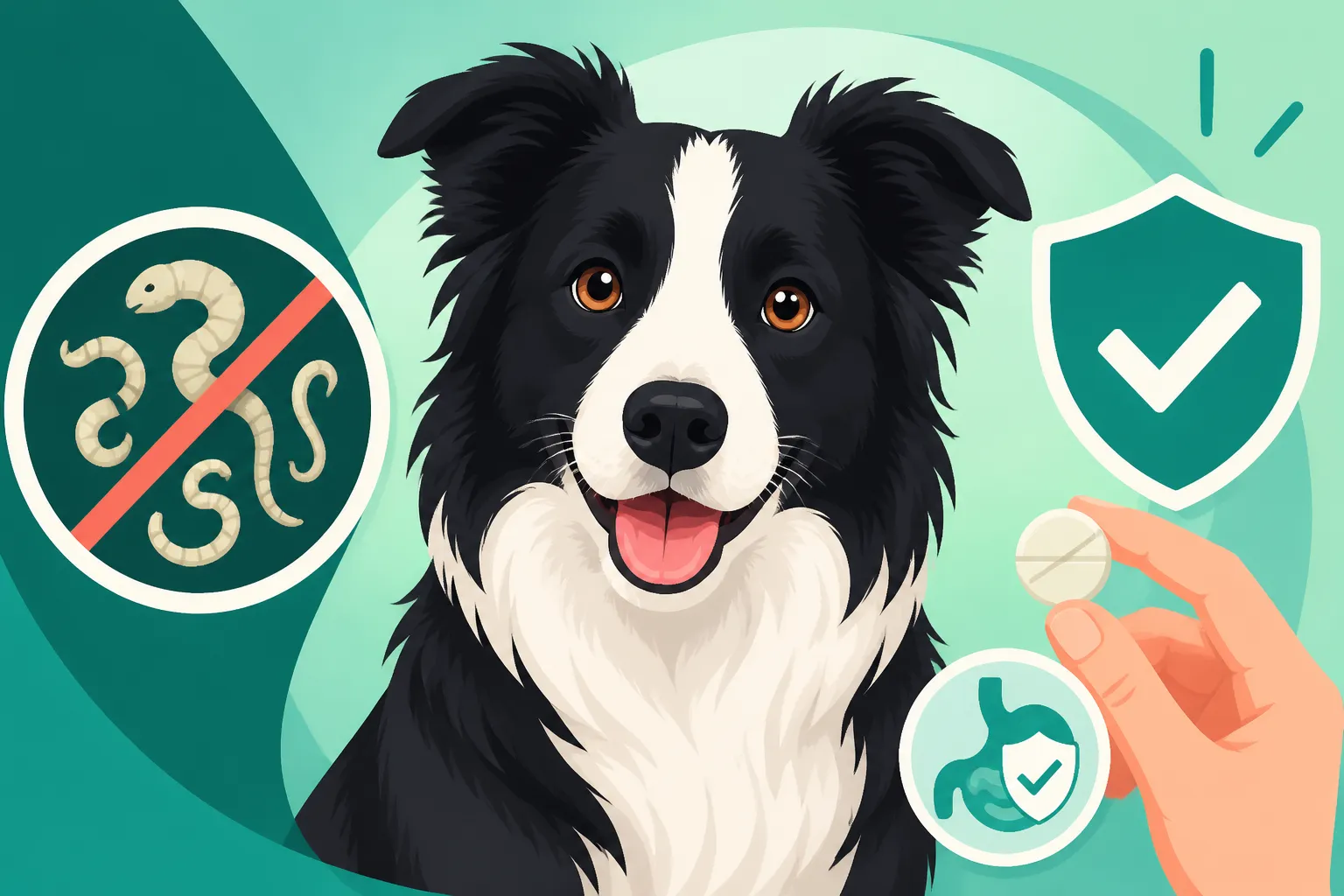
Once you know your Border Collie's MDR1 status, your vet can confidently recommend appropriate worming medications. Thankfully, there are many effective and safe options available that do not pose a risk to MDR1-affected dogs. These typically include drugs that are either not substrates for the P-glycoprotein pump or are used at doses so low they don't cause issues. This is where your veterinarian's expertise really shines, as they can navigate the specifics of different formulations and active ingredients.
Commonly prescribed safe active ingredients include:
- Milbemycin oxime: Often found in heartworm preventatives like Sentinel or Interceptor, it is generally considered safe for MDR1 dogs at heartworm prevention doses, though higher doses for other parasites might need careful consideration.
- Praziquantel: Effective against tapeworms, this ingredient is widely regarded as safe for MDR1-affected dogs. You'll often find it combined with other safe ingredients.
- Pyrantel pamoate: A common ingredient for roundworms and hookworms, Pyrantel is another safe choice for MDR1 Border Collies.
- Fenbendazole: Known by its brand name Panacur, Fenbendazole is a broad-spectrum dewormer effective against many intestinal parasites, including Giardia, and is very safe for MDR1 dogs.
When discussing these options, your vet will consider the specific parasites your dog is at risk for. They may prescribe combination products that include several of these safe active ingredients, or single-ingredient treatments depending on the identified parasite. Don't hesitate to ask your vet about the active ingredients in any prescription and verify their safety. While insurance companies like Healthy Paws focus on unexpected illnesses and accidents, having a clear understanding of safe medications can help prevent issues that might otherwise lead to costly emergency vet visits.
The Importance of Fecal Exams
One of the best strategies for managing parasite control in an MDR1 Border Collie is to regularly utilize fecal examinations. Instead of routinely giving broad-spectrum dewormers "just in case," fecal exams allow your vet to identify exactly which parasites, if any, your dog has. This targeted approach means you only administer medication when necessary and only for the specific parasites identified. This minimizes exposure to any chemicals and ensures you're using the most appropriate, safest drug for the job.
Fecal exams typically involve bringing a fresh stool sample to your vet's office. They will analyze it under a microscope to look for parasite eggs, larvae, or adult worms. This practice is particularly helpful for outdoor or working Border Collies who might be more exposed to various parasites. It's a proactive measure that empowers you to manage your dog's health with precision, reducing the anxiety of blindly administering a dewormer.
Safe Heartworm Prevention for an MDR1 Border Collie
Heartworm prevention is another critical aspect of parasite control that requires careful consideration for MDR1-affected Border Collies. Many common heartworm preventatives contain ivermectin or milbemycin oxime. As mentioned earlier, ivermectin is generally considered problematic at higher doses but is often safe at the very low doses used for heartworm prevention. Milbemycin oxime is usually safe. However, the exact dosage and formulation are key.
It is absolutely crucial to discuss your Border Collie's MDR1 status with your veterinarian when choosing a heartworm preventative. They can recommend specific brands and formulations that are safe, such as those containing milbemycin oxime (like Interceptor Plus) or moxidectin (like Advantage Multi, which is a topical treatment). Your vet might even suggest alternatives like ProHeart, an injectable moxidectin that lasts for six or twelve months. Always refer to your vet for the best choice; you can also find more specific guidance in articles like Heartworm Prevention for an MDR1 Border Collie.
Communicating With Your Veterinarian
Effective communication with your veterinary team is the cornerstone of safe care for an MDR1 Border Collie. They are your primary resource, and making sure they are fully aware of your dog's genetic status is paramount to preventing adverse drug reactions, whether for worming, anesthesia, or any other treatment.
Flagging Your Dog's MDR1 Status
It might seem obvious, but it's incredibly easy for this critical piece of information to get lost in translation, especially in a busy clinic or if you see a new vet or emergency service. You must proactively inform every single veterinary professional who interacts with your Border Collie about their MDR1 status. This means not just telling the main vet, but also the veterinary technicians, receptionists, and any specialists you might see. It's also a good idea to ensure it's prominently noted on your dog's medical chart – ask them to flag it, highlight it, or even put a specific alert in their digital system.
Consider creating a laminated card for your wallet or a tag on your dog's collar that states "MDR1 Affected – See Medical Records for Drug Sensitivities." This serves as a quick, undeniable reminder in any situation, including emergencies where you might not be able to communicate effectively yourself. For more tips on this, check out Telling a Vet a Border Collie Is MDR1 Affected.
Asking the Right Questions
Empower yourself by asking pointed questions about any medication prescribed for your MDR1 Border Collie. Don't feel silly or like you're questioning their expertise; you're advocating for your dog's safety. A good vet will appreciate your diligence.
Here are some essential questions to ask:
- "Are the active ingredients in this medication safe for an MDR1-affected dog?"
- "What is the specific dosage, and is this a safe dosage for an MDR1 dog?"
- "Are there any known interactions with other medications my dog is currently taking?"
- "Could you please double-check my dog's chart to ensure their MDR1 status is noted?"
- "What signs should I watch for that might indicate a reaction to this medication?"
By asking these questions, you're creating a crucial double-check system. This collaborative approach ensures that everyone involved in your Border Collie's care is on the same page and fully aware of the unique considerations for their health.
Safe vs. Unsafe Worming Ingredients for MDR1 Border Collies
To help you keep track, here's a table summarizing common worming ingredients and their general safety for MDR1-affected Border Collies. Always confirm with your veterinarian before administering any medication.
| Worming Active Ingredient | General Safety for MDR1 Dogs | Notes & Examples of Use |
|---|---|---|
| Ivermectin | UNSAFE (at higher doses) | Found in many dewormers and some heartworm meds. High doses can be lethal. |
| Loperamide | UNSAFE | Not a dewormer, but an anti-diarrheal; often mistakenly given, highly toxic. |
| Milbemycin Oxime | GENERALLY SAFE | Safe at low heartworm preventative doses (e.g., Interceptor, Sentinel). Higher doses for other parasites need vet guidance. |
| Praziquantel | SAFE | Effective against tapeworms (e.g., Droncit, often combined in other products). |
| Pyrantel Pamoate | SAFE | Effective against roundworms and hookworms (e.g., Nemex, often in combination products). |
| Fenbendazole | SAFE | Broad-spectrum, effective against roundworms, hookworms, whipworms, and Giardia (e.g., Panacur, Safe-Guard). |
| Moxidectin | GENERALLY SAFE | Found in some heartworm preventatives (e.g., Advantage Multi, ProHeart). |
Remember, this table is a general guide. The specific formulation, dosage, and combination with other ingredients can all impact safety. Always rely on your veterinarian's specific advice tailored to your Border Collie.
Disclaimer
The information provided in this guide is for informational purposes only and does not constitute veterinary medical advice. Always consult with a qualified veterinarian regarding any medical concerns or before making any decisions about your Border Collie's health and treatment. Drug dosages and safety can vary, and only a professional veterinarian familiar with your dog's history and MDR1 status can provide accurate recommendations.