Stripping a Border Collie’s Undercoat Out by Hand
If you've ever found yourself wondering how to manage the seemingly endless fluff coming off your Border Collie, especially during those "coat blow" seasons, you're not alone. That thick, insulating undercoat is a marvel of nature for keeping them warm, but it can quickly become a tangled, shed-laden mess if not properly maintained. This guide will walk you through the often-misunderstood art of hand stripping your Border Collie's undercoat, helping you keep their coat healthy, functional, and looking its best without resorting to methods that can actually harm it.
Understanding Your Border Collie's Incredible Double Coat
Border Collies, whether they're working hard on a farm or simply being the best companion a family could ask for, are equipped with a magnificent double coat. This isn't just for looks; it's a highly functional piece of their anatomy, designed to protect them from the elements, whether it's the biting cold of winter or the scorching sun of summer. Understanding how this coat works is the first step in properly caring for it.
The Rough vs. Smooth Coat and Why It Matters
You'll typically encounter two main coat types in Border Collies: the rough coat and the smooth coat. The rough coat is what most people picture – a medium to long coat, often with feathering on the legs, chest, and tail. It's beautiful, flowing, and surprisingly weather-resistant. The smooth coat, on the other hand, is much shorter and lies flatter against the body, lacking the extensive feathering. Both, however, are double coats.
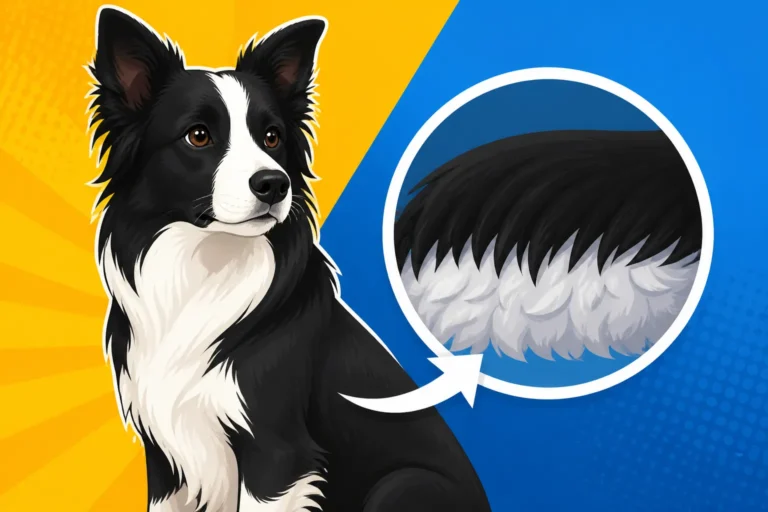
Beneath the longer, coarser outer guard hairs (which repel water and dirt) lies a dense, soft, woolly undercoat. This undercoat is the real insulator, trapping air to keep your dog warm in winter and also providing a layer of protection from heat and UV rays in summer. It’s this undercoat that is primarily responsible for the prolific shedding Border Collie owners know all too well. While a smooth-coated Border Collie might appear to shed less simply because the hairs are shorter and less noticeable, both types shed, particularly during seasonal changes. You might be interested to know that Whether a Smooth Border Collie Still Has an Undercoat is a common question, and the answer is yes, they do!
The Annual Coat Blow and What It Means
Every Border Collie owner eventually experiences "the coat blow." This is a phenomenon, usually occurring twice a year (spring and fall), where your dog sheds a huge amount of its undercoat to prepare for the upcoming season. In spring, they ditch the heavy winter insulation for a lighter, thinner coat. In fall, they shed the old, lighter coat to make way for a new, thicker winter one. During these periods, it can feel like you're constantly finding tufts of fur everywhere, despite your best efforts.
This natural shedding process is crucial for maintaining the coat's health and functionality. If the old undercoat isn't removed, it can become matted, trap moisture, and lead to skin irritations or hot spots. Furthermore, a dense, dead undercoat prevents proper air circulation, making it harder for your dog to regulate its body temperature effectively. Think of it like wearing a heavy, felted sweater in summer; it's just not comfortable or practical. Regularly dealing with The Spring Molt That Fills a Border Collie's Kennel will become part of your routine.
Why Hand Stripping is Superior to Shaving for Double Coats
Many well-meaning owners, frustrated by shedding or concerned about their dog overheating, consider shaving their Border Collie. However, for a double-coated breed like a Border Collie, shaving is almost always a bad idea and can lead to long-term problems. Hand stripping, when done correctly, is a much healthier alternative for managing the undercoat.
The Detrimental Effects of Shaving a Double-Coated Dog
Shaving a Border Collie's double coat disrupts its natural function. The outer guard hairs, which are meant to be coarse and protective, are cut, often never growing back with their original texture. This can result in a soft, fuzzy coat that no longer provides the same level of protection against water, dirt, or sun. More concerningly, shaving can interfere with the dog's ability to regulate its temperature.
The undercoat, when shaved, often grows back faster than the guard hairs and can become even thicker and denser than before, creating a "cottony" texture. This can actually trap more heat and moisture against the skin, making your dog more prone to overheating, matting, and skin issues. It's a common misconception that shaving helps keep them cool, but in fact, it can have the opposite effect by removing their natural insulation and sun protection. Many vets and professional groomers will tell you that Why a Border Collie Should Never Be Clipped is a crucial piece of advice for this breed.
The Benefits of Hand Stripping for Coat Health and Function
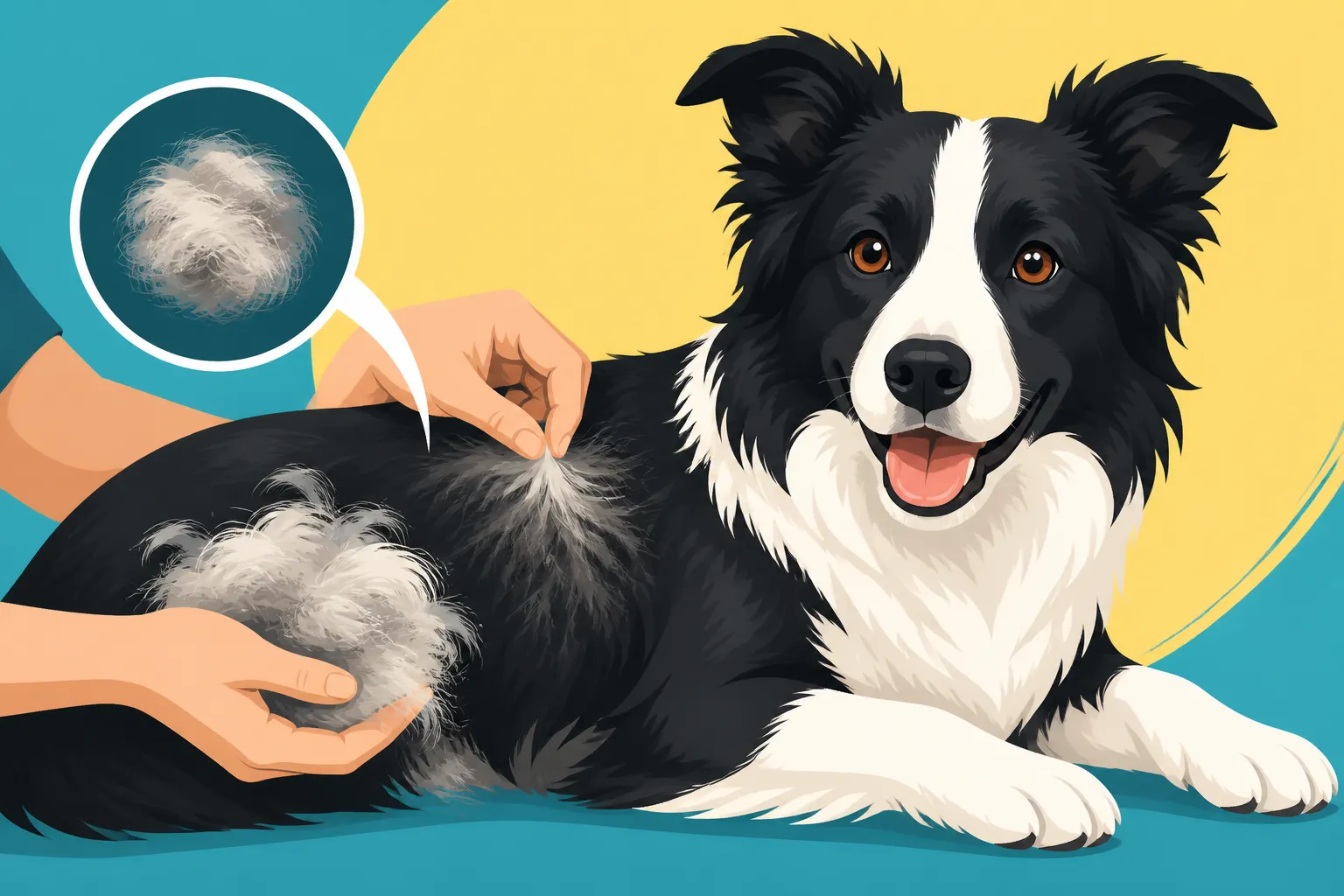
Hand stripping, or "carding," is the process of physically pulling out the dead undercoat hairs, leaving the healthy guard hairs intact. This mimics the natural shedding process, encouraging new, healthy coat growth. Unlike shaving, which cuts both layers, stripping removes only the dead, loose undercoat, allowing air to circulate properly and the coat to function as nature intended.
By removing the dead undercoat, you're helping your Border Collie:
- Regulate temperature: A properly thinned undercoat allows for better airflow, keeping them cooler in warm weather and preventing excessive heat retention. In winter, the new, healthy undercoat will grow in effectively.
- Prevent matting: Excess dead undercoat is a prime culprit for mats, especially in rough-coated Border Collies with their longer feathering. Removing it reduces the chances of painful tangles.
- Maintain skin health: Better air circulation and reduced matting mean fewer skin irritations, hot spots, and trapped moisture.
- Preserve coat texture and color: Hand stripping ensures the outer guard coat retains its proper texture, color, and protective qualities. This is particularly important for dogs that work outdoors or compete in sports.
It’s about maintaining the integrity of their magnificent coat.
Essential Tools for Stripping a Border Collie's Undercoat
Before you dive into stripping your Border Collie's undercoat by hand, it's vital to have the right tools. While "hand stripping" sounds like you'll only be using your bare hands, there are several specialized grooming aids that make the process much more effective and comfortable for both you and your dog.
Deshedding Rakes and Combs
These are your primary workhorses for getting the bulk of the loose undercoat out. A good deshedding rake or comb features long, rotating teeth that penetrate deep into the coat without cutting the guard hairs. They're excellent for gently pulling out dead and shedding undercoat, especially during a heavy coat blow. You'll find a variety of effective options available on sites like Chewy or Amazon.
- Undercoat rakes: Look for one with widely spaced teeth for initial removal, then a finer-toothed version for more thorough work. They help detangle and lift the dead hair from the skin.
- Shedding blades/Combs with dense teeth: These are fantastic for larger areas and can pull out a surprising amount of loose undercoat. Just be gentle and avoid pressing too hard against the skin.
Stripping Knives (Grooming Knives)
Don't let the name "knife" scare you; these tools aren't sharp in the way a cutting knife is. Instead, they have serrated or textured edges designed to grip and pull out dead hair rather than cut it. They come in various tooth patterns – coarse, medium, and fine – and are usually made of metal or have a rubber edge. You'll use these to get more precise and efficient removal of the undercoat.
- Coarse stripping knives: Great for initial bulk removal, especially on thicker, denser sections of the coat.
- Fine stripping knives: Used for finishing work, tidying up smaller areas, and for dogs with finer undercoats.
- Rubber stripping tools/gloves: These are fantastic for sensitive areas or for dogs who are new to the stripping process. They create friction to grab loose hair and are very gentle. You can often find grooming gloves with rubber nubs on sites like Amazon, which are not only good for stripping but also for Bathing a Border Collie That Works in Mud or just for a relaxing massage.
Grooming Gloves and Finger Grips
Sometimes, the most effective tool truly is your own hand, but with a little assistance. Grooming gloves, often with rubber nubs on the palms and fingers, can be surprisingly effective for grabbing loose undercoat. They're also great for massaging the skin and distributing natural oils. For more precise work, rubber finger grips (like those used for counting money) can provide the extra traction you need to pluck individual dead hairs by hand.
Here's a quick comparison of some common tools:
| Tool Type | Best Use | Primary Benefit | Considerations |
|---|---|---|---|
| Undercoat Rake | Bulk undercoat removal, detangling | Efficient for large areas, gentle | Can pull healthy hair if used improperly |
| Shedding Blade/Comb | Removing dead undercoat from top layers | Effective, helps distribute oils | Be gentle, don't scratch skin |
| Coarse Stripping Knife | Initial stripping of thick undercoat | Grips large amounts of dead hair | Requires practice to avoid cutting |
| Fine Stripping Knife | Finishing work, tidying, finer coats | Precise removal, smooth finish | Can be too aggressive if not used correctly |
| Rubber Grooming Glove | Gentle undercoat removal, massage, bathing | Good for sensitive dogs, multi-purpose | Less effective for very dense undercoats |
| Finger Grips | Plucking individual dead hairs, detailed work | Very precise, good for sensitive areas | Slow for large areas, can be tedious |
Remember, the goal is to pull out the dead, loose undercoat, not cut it. Quality tools, like those you might find on Chewy, are an investment in your Border Collie's coat health.
The Step-by-Step Process of Hand Stripping the Undercoat
Alright, you've got your tools, you understand why you're doing this, now let's get down to the actual process. Hand stripping isn't a race; it's a patient, methodical grooming technique that requires a gentle touch and a good understanding of your dog's coat and comfort level.
Preparation: Brushing and Dry Coat is Key
Before you even pick up a stripping knife, you need to prepare your Border Collie's coat. The absolute first step is a thorough brushing with a good pin brush and slicker brush to remove any tangles, mats, and the easily accessible loose hair. This will make the stripping process much smoother and more comfortable for your dog. For a rough-coated Border Collie, pay special attention to areas prone to matting, like behind the ears, armpits, and the "trousers" on their hind legs. How Often a Rough Border Collie Needs Brushing really depends on their activity level and coat type, but during shedding season, it's often daily.
Crucially, the coat must be dry and clean. Wet or damp hair is much harder to strip, and it's easier to accidentally cut or break healthy hairs. While you might consider bathing them after a stripping session to wash away loose hairs, avoid bathing right before, especially if you're aiming for a deeper strip. Shampoo can soften the coat, making it harder for stripping tools to grip the dead hairs effectively.
Mastering the Technique: Gentle Gripping and Pulling
The essence of hand stripping is simple: you want to grab the dead undercoat hairs and pull them out by the root, without pulling on the healthy outer coat or irritating the skin. This takes practice, patience, and a light hand.
- Start with an undercoat rake: Begin with your undercoat rake, working section by section. Gently pull the rake through the coat, from root to tip, applying light pressure. You'll see tufts of dead, fuzzy undercoat coming out. Focus on areas where the coat is thickest, like the back, sides, and neck.
- Move to a stripping knife or stone: Once you've removed the bulk with the rake, choose your stripping knife. Hold the knife almost flat against the coat, using your thumb to press the coat against the textured edge. With a short, quick motion, pull in the direction of hair growth. The trick is to isolate a small section of dead hair and pull only those hairs. Never twist or pull against the grain.
- Use your fingers for precision: For finer areas or if your dog is sensitive, use your thumb and forefinger (perhaps with finger grips) to grasp small tufts of undercoat and pull. This is slower but gives you the most control. You'll quickly learn to distinguish the loose, dead undercoat (which pulls out easily) from the healthy guard hairs (which resist pulling).
- Work in small sections: Don't try to strip the entire dog in one go. Break it down into manageable sections: back, sides, chest, tail, legs. Work from head to tail, top to bottom.
- Be mindful of sensitive areas: Areas like the belly, armpits, and inside of the thighs tend to have thinner skin and can be more sensitive. Use a gentler hand or switch to a rubber glove/finger-stripping in these spots.
- Patience and short sessions: Your Border Collie might not tolerate a long session, especially if they're new to stripping. Start with short, positive sessions (10-15 minutes) and gradually increase the duration as they get used to it. Offer plenty of praise and treats. If your dog shows signs of discomfort or pain (yelping, pulling away, nipping), stop immediately. This should be a comfortable experience, not a wrestling match.
You'll be surprised at how much dead hair can come off. The goal is to thin out the undercoat, not remove all of it, leaving a healthy, airy layer.
Knowing When to Stop and What to Expect
You'll know you're making progress when you see less and less dead undercoat coming out with each stroke. The coat should feel lighter and appear cleaner, with the true texture of the guard hairs more evident. You're not aiming for a bald dog; you're simply shedding the old coat for them.
After a good stripping session, your Border Collie's coat will feel smoother and look sleeker. It might even appear a shade darker or more vibrant as the dull, dead undercoat is removed. Their skin will have better air circulation, and you'll likely notice a significant reduction in shedding around the house for a while. Remember that stripping is a continuous process, especially during seasonal blows, so you'll likely repeat this every few weeks or months as needed. It's an investment in their long-term coat health and comfort.
Maintaining the Coat Between Stripping Sessions
Hand stripping is a fantastic way to manage your Border Collie's undercoat, but it's not a one-and-done solution. Regular maintenance between stripping sessions is crucial to keep their coat healthy, prevent matting, and minimize shedding around your home.
Regular Brushing Regimen
Consistent brushing is the cornerstone of good Border Collie coat care. Even if you've recently stripped their undercoat, loose hairs will continue to accumulate. Aim for at least 2-3 times a week, and daily during heavy shedding seasons or if your dog is frequently out in brush.
- Tools for daily upkeep: A good quality pin brush or slicker brush for the outer coat and a metal comb for checking for tangles and going deeper into the undercoat are invaluable. Using a tool like a Kong ZoomGroom during brushing can also help pull out loose hairs and massage the skin.
- Focus on problem areas: Pay close attention to the areas where mats tend to form: behind the ears, under the chin, in the "armpits," and on the "trousers" on their hind legs. These areas often have longer, finer hair that tangles easily. Tangles Behind a Rough Border Collie's Elbows are a particular nuisance and need regular attention.
- Benefits beyond shedding: Regular brushing isn't just about removing hair; it also helps distribute natural skin oils, promoting a healthy, shiny coat, and it's a great bonding experience for you and your dog.
Addressing Mats and Tangles Promptly
Mats are not just unsightly; they can be painful for your Border Collie, pulling on their skin and potentially leading to skin infections if left untended. If you find a mat:
- Don't pull or cut blindly: Never try to yank a mat out or cut it with scissors without knowing exactly what you're doing. You can easily cut your dog's skin, which can lead to serious injury and a costly vet visit.
- Use a detangling spray and comb: Apply a good quality detangling spray (you can find these at pet stores or on Chewy) directly to the mat. Work a metal comb or a mat splitter from the outside edges of the mat inward, gently teasing it apart. Patience is key here.
- Consider professional help: For severe or very tight mats, especially those close to the skin, it's always best to consult a professional groomer. They have specialized tools and techniques to safely remove mats without causing discomfort or injury to your dog.
Dietary Considerations for a Healthy Coat
While external grooming is essential, a healthy coat also starts from within. Your Border Collie's diet plays a significant role in the quality and health of their skin and fur.
- High-quality food: Ensure your dog is on a high-quality commercial dog food that provides balanced nutrition, with good sources of protein and healthy fats. Brands like Ollie often emphasize fresh, whole ingredients which can contribute to overall health, including coat condition.
- Omega fatty acids: Omega-3 and Omega-6 fatty acids are particularly beneficial for skin and coat health, helping to reduce dryness, itching, and excessive shedding. Many premium dog foods include these, but you can also supplement with fish oil. Adding a good quality Whether Fish Oil Helps a Border Collie's Coat is a common strategy for a gleaming, healthy look.
- Hydration: Make sure your Border Collie always has access to fresh, clean water. Proper hydration is vital for skin elasticity and coat health. A dehydrated dog may have dry, brittle fur that sheds more easily and is prone to breakage.
By combining regular hand stripping with consistent brushing, prompt mat removal, and a nutritious diet, you'll be well on your way to keeping your Border Collie's magnificent coat in prime condition year-round.
Disclaimer
This article is for general informational purposes only and does not constitute professional advice. Laws, prices and regulations vary by location and change over time. Consult a qualified professional for guidance on your specific situation.