Whether a Smooth Border Collie Feels the Cold
It's a common sight in winter: a fluffy, rough-coated Border Collie trotting through the snow, seemingly oblivious to the chill, while their sleek, smooth-coated cousin looks a bit more… reserved. Many owners of smooth Border Collies worry if their dogs genuinely feel the cold more acutely, perhaps shivering on walks or seeking refuge indoors sooner than their shaggier counterparts. This guide is here to shed some light on the unique cold tolerance of smooth Border Collies, helping you understand their specific needs and ensure they stay warm, comfortable, and safe when the temperatures drop.
Understanding the Smooth Border Collie's Coat
When we talk about whether a smooth Border Collie feels the cold, we first need to understand the very thing that gives them their name: their coat. While all Border Collies are renowned for their athleticism and intelligence, their coats come in variations, and these differences play a significant role in their natural insulation.
The Anatomy of a Smooth Coat
A rough-coated Border Collie boasts a luxurious double coat: a soft, dense undercoat for insulation, protected by a longer, coarser outer layer of guard hairs that repel water and dirt. Think of it as wearing a thick wool sweater with a durable, waterproof jacket over the top. The smooth coat, however, is a different beast entirely. It's much shorter, lying close to the body, and typically has a less pronounced undercoat, or in some cases, a minimal one. This means less natural loft to trap warm air against the skin and fewer long guard hairs to act as a barrier against wind and moisture.
Imagine stepping outside in a light windbreaker compared to a heavy winter parka. That's essentially the difference in insulation our smooth-coated friends experience compared to their rough-coated brethren. While their sleekness might make them look more aerodynamic and less prone to collecting burrs, it also means they have fewer natural defenses against the biting cold. They don't have that thick, fluffy barrier that creates a warm microclimate around their bodies.
For example, consider two Border Collies, one rough and one smooth, waiting by the car on a frosty morning before a training session. The rough-coated dog might shake off a few ice crystals, but the smooth-coated dog could be visibly hunched, tail tucked, and shivering within minutes. This isn't a sign of weakness; it's a direct consequence of their coat's design. Their skin is simply more exposed to the elements, making heat loss a much faster process.
Genetic Factors and Cold Tolerance
The smooth coat in Border Collies is a genetic trait, and while both coat types are perfectly natural and healthy for the breed, they inherently offer different levels of protection. Border Collies, regardless of coat, were bred for tough, outdoor work in the often-chilly, damp conditions of the Anglo-Scottish border country. However, that genetic predisposition for hardiness is tempered by the actual physical coverage.
A smooth Border Collie from a long line of working dogs in a colder climate might seem to handle the cold better than a pet smooth Border Collie accustomed to a warm home. This is often due to acclimatization, body condition, and activity level rather than a fundamental change in their coat's insulating properties. Even with excellent conditioning, a smooth coat fundamentally limits the amount of natural warmth a dog can retain. You might see a working smooth Border Collie out on the fields, moving constantly, generating internal heat. Stop that dog for five minutes in a brisk wind, and you'll likely see them start to shiver far sooner than a rough-coated dog of similar build and fitness.
It's crucial not to confuse a dog's stoicism or drive with their actual thermal comfort. Just because a smooth Border Collie will work in the cold doesn't mean they aren't feeling it, or that they wouldn't benefit from some extra protection. Understanding The Rough and Smooth Border Collie Coats is key to appreciating these differences.
Signs Your Smooth Border Collie Is Feeling the Cold
Our dogs can't tell us directly that they're cold, so it's up to us to read their body language and physical cues. Ignoring these signs can lead to discomfort, and in severe cases, even hypothermia or frostbite, especially for a dog with less natural insulation.
Behavioral Cues to Watch For
When a smooth Border Collie starts to feel the chill, their behavior will often change in noticeable ways. The most obvious sign is shivering or trembling, which is the body's involuntary attempt to generate heat through muscle contractions. They might also hunch their back, tuck their tail tightly between their legs, and try to curl up into a small, tight ball to minimize heat loss from exposed surfaces.
You might observe them seeking shelter more actively during walks, trying to stand close to a building, under a bush, or in any patch of sunlight they can find. If you're out and about, they might repeatedly lift a paw off the ground, a clear indication that the cold surface is uncomfortable or even painful. They might also become less enthusiastic about their usual outdoor activities, moving slower or seeming less engaged in play, which is a big deal for a breed known for its boundless energy. If your usually zestful dog suddenly seems reluctant to go outside or wants to cut a walk short, it’s worth considering if the temperature is the culprit.
For instance, imagine your smooth Border Collie, usually ecstatic for a walk, dawdling by the door, then hunching up and walking close to your legs on a chilly winter morning. They might even try to climb into your lap or press against your side more than usual, seeking your body heat. These aren't just quirks; they are a clear signal from your dog that they are experiencing cold stress and need help staying warm.
Physical Indicators of Cold Stress
Beyond behavioral changes, there are also physical signs that indicate your smooth Border Collie is feeling the cold. Their extremities are usually the first to show it. Check their ears, nose, and paws; if they feel unusually cold to the touch, it means their body is diverting blood flow to their core organs to maintain vital functions, reducing warmth to these areas. This is the body's natural defense mechanism, but it leaves these parts vulnerable to frostbite in extreme conditions.
In more severe cases of cold stress, you might notice lethargy, weakness, or a lack of coordination. Their gums might appear pale or bluish. If their core body temperature drops significantly, they could enter a state of hypothermia, which is a medical emergency. While The Border Collie That Keeps Working Past Its Limit is a testament to their drive, even a strong working dog can push past what's safe for their body, especially when it comes to temperature extremes. Always prioritize their well-being over their boundless enthusiasm.
Regularly checking these physical indicators, especially after extended time outdoors in cold weather, can prevent serious issues. If you notice any of these signs, it’s time to get your dog into a warm environment immediately and consider contacting your veterinarian.
Practical Strategies for Keeping Your Smooth Border Collie Warm
Knowing that your smooth Border Collie might feel the cold more keenly means you can take proactive steps to ensure their comfort and safety. Luckily, there are many practical ways to provide the extra warmth their sleek coats don't naturally offer.
Layering Up: The World of Dog Apparel
This is where a smooth Border Collie can truly benefit from human ingenuity! Just as we layer up, so too can our dogs. A well-fitting dog coat or sweater can make a world of difference. When choosing apparel, look for materials that offer good insulation without being bulky or restrictive to their movement. Fleece is excellent for warmth, and waterproof outer layers are essential if you live in an area with wet snow or rain.
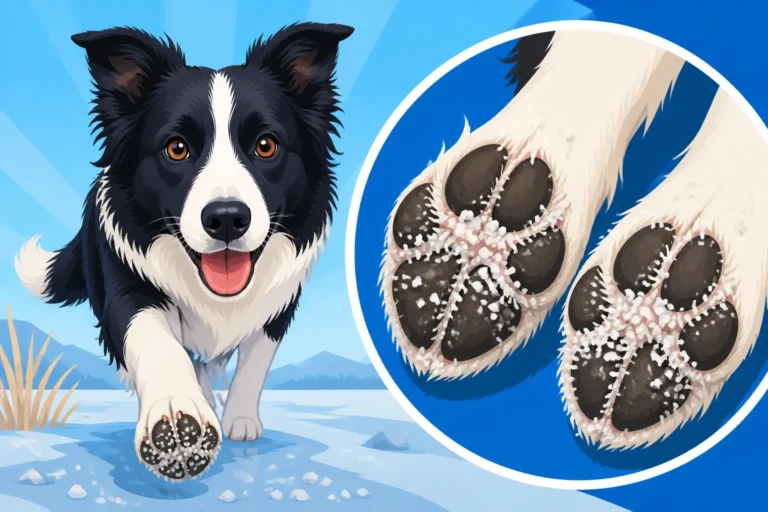
There's a vast array of options out there, from simple fleece vests for a crisp autumn day to heavily insulated, waterproof coats for truly frigid winter conditions. Consider coats with reflective strips for visibility during darker winter months, and ensure they cover a good portion of your dog's back and belly. Brands available through retailers like Chewy or Amazon offer extensive selections, allowing you to compare features, sizes, and styles to find the perfect fit for your individual dog. Don't forget booties if you're walking on icy sidewalks or salted roads, as these protect delicate paw pads from both cold and chemical irritants.
For example, if you live in a region with slushy, freezing rain, a waterproof and insulated coat is non-negotiable for your smooth Border Collie. It will keep them dry and warm, preventing that miserable, chilled-to-the-bone feeling. Remember that finding the right size is crucial; a coat that's too tight will restrict movement, and one that's too loose won't offer adequate protection and could get tangled.
Indoor Comfort and Outdoor Management
Keeping your smooth Border Collie warm isn't just about what they wear outside; it's also about managing their environment. Indoors, ensure they have a warm, draft-free place to rest. An elevated dog bed can be a game-changer, as it lifts them off cold floors. Adding extra blankets or a cozy self-warming mat can provide an inviting nest where they can truly relax and warm up.
When it comes to outdoor activities, adjust your routine according to the weather. On bitterly cold days, consider shorter, more frequent potty breaks rather than long, extended walks where they might get too cold. If your Border Collie thrives on mental stimulation, this is a great time to lean into indoor games, puzzle toys, and training sessions to burn energy without enduring extreme temperatures. If they're involved in active work or sports, pay close attention to A Border Collie Working in Winter Conditions and ensure they are adequately warmed up before activity and cooled down properly afterward.
Always dry your smooth Border Collie thoroughly after any exposure to rain or snow. Moisture dramatically increases heat loss, and a damp coat can quickly lead to a chilled dog. Keep a dedicated dog towel by the door for quick rub-downs after coming in.
Nutritional Support for Cold Weather
Believe it or not, nutrition plays a role in cold tolerance too. Dogs burn more calories trying to stay warm in cold weather. If your smooth Border Collie is particularly active outdoors in the winter, or if they just generally feel the cold more, you might need to slightly increase their caloric intake. This isn't about overfeeding, but rather ensuring they have enough energy to fuel their internal furnace. Always consult your veterinarian before making significant dietary changes, as too many calories can lead to unhealthy weight gain.
Maintaining a healthy weight is also critical. An underweight dog has less natural fat insulation, making them more susceptible to cold. Conversely, an overweight dog might struggle with mobility and other health issues, so it’s a delicate balance. Focus on high-quality, nutrient-dense foods that provide sustained energy. Options like fresh dog food from a service like Ollie could be beneficial, ensuring they get optimal nutrition to support their metabolism. Don't forget hydration; dogs can still get dehydrated in winter, so always ensure fresh water is available.
It's similar to how The Calorie Load a Working Border Collie Burns can vary based on activity; cold weather adds another factor to that energy equation. Your vet can help you determine the right balance of food and exercise to keep your smooth Border Collie in peak condition year-round.
Common Misconceptions and Important Considerations
There's a lot of folklore and assumptions surrounding working breeds and their ability to handle tough conditions. Let's clear up a couple of common misunderstandings when it comes to smooth Border Collies and the cold.
"They're Working Dogs, They Can Handle Anything"
This is one of the biggest misconceptions we face as Border Collie owners. Yes, they are incredibly tough, intelligent, and driven dogs, often bred for demanding outdoor work. However, the phrase "working dog" doesn't automatically grant them superpowers against the elements. A Border Collie's resilience often stems from their mental fortitude and strong desire to please, rather than an impervious physical constitution.
While their ancestors might have been hardy working dogs on the windswept hills, modern smooth Border Collies are still individuals, and their sleek coats simply do not provide the same level of insulation as their rough-coated counterparts. Their heritage instills a drive to perform, but that doesn't mean their physical comfort isn't compromised by extreme cold. It's a bit like saying a person who works outdoors shouldn't feel cold because they're a "hard worker." It simply isn't logical. They might tolerate the cold better mentally, but their bodies still react physically.
Consider a smooth Border Collie from a trial line used to working sheep in chilly conditions. They will push through the cold with incredible focus. But watch them closely when they're not actively moving, perhaps waiting for their turn, and you'll likely see them shivering. Which Coat Working Border Collie Handlers Prefer often comes down to practicality, and for some, the rough coat's natural weather resistance is a definite advantage in all-weather work.
The Importance of Individual Variation
Beyond coat type, a smooth Border Collie's cold tolerance can vary significantly based on several individual factors. Age is a big one: puppies and senior dogs tend to feel the cold more acutely. Puppies haven't fully developed their thermoregulation systems, and older dogs, especially those with conditions like arthritis, have less efficient circulation and can't maintain body heat as effectively. An older smooth Border Collie might suffer from stiff joints in cold weather, making movement painful, a stark contrast to The Border Collie That Stays Sound Into Its Teens who might breeze through the cold.
Body fat and muscle mass also play a role. A lean, athletic dog has less insulating fat than one with a bit more padding. However, this doesn't mean you should let your Border Collie get overweight to keep them warm, as excess weight brings a host of other health problems. Acclimatization is another factor; a smooth Border Collie accustomed to a harsh winter climate will likely handle it better than one suddenly exposed to extreme cold after living in a warmer region. Their health status is also crucial; a dog recovering from illness or with an underlying condition will be more vulnerable to the cold.
Understanding these individual differences is key to providing appropriate care. What works for one smooth Border Collie may not work for another, even in the same household. Always observe your dog's specific reactions and adjust your strategies accordingly.
| Feature | Rough Border Collie Coat | Smooth Border Collie Coat |
|---|---|---|
| Length | Medium to long | Short |
| Undercoat | Dense, soft, pronounced | Minimal to light |
| Guard Hairs | Long, coarse, water-repellent | Short, lies close to body |
| Insulation | Excellent, traps warm air effectively | Moderate to low, less air trapped |
| Water Repellency | Good due to longer guard hairs | Fair, can get wet to the skin quicker |
| Drying Time | Longer due to density | Shorter |
| Cold Tolerance | Generally higher | Generally lower |
| Grooming Needs | More prone to mats, regular brushing | Less prone to mats, sheds year-round |
This article is for general informational purposes only and does not constitute professional advice. Laws, prices and regulations vary by location and change over time. Consult a qualified professional for guidance on your specific situation.