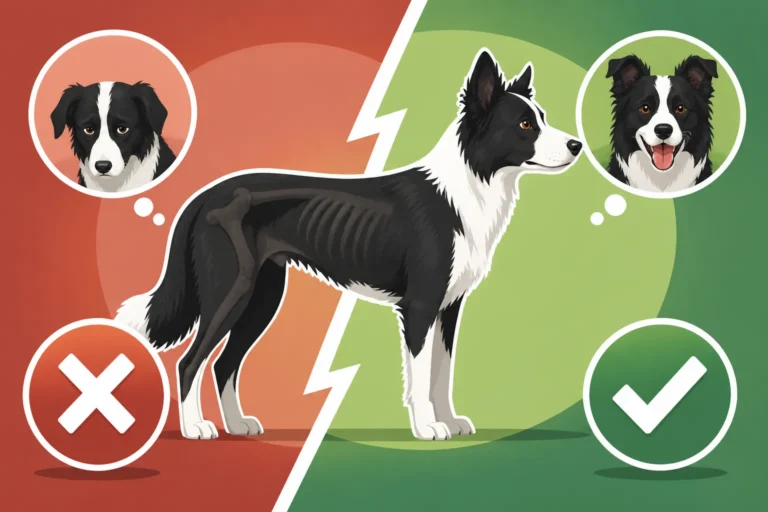
Whether a Smooth Border Collie Suits Rough Country
Many Border Collie owners, particularly those who live for outdoor adventures or have working dogs, often wonder if their smooth-coated companion is truly equipped for the rigors of rough terrain. It’s a valid concern, as the appearance of a sleek, short coat might suggest less protection than its shaggier counterparts. This guide aims to thoroughly explore whether a smooth Border Collie is a suitable partner for navigating challenging country, delving into the practicalities, preparations, and care needed to ensure their safety and well-being in such environments.
Understanding the Smooth Border Collie Coat
When we talk about Border Collie coats, most people immediately picture the long, flowing, feathered 'rough' coat. But the smooth coat is just as authentic to the breed and equally capable, though it comes with its own set of characteristics and considerations.
What Defines a Smooth Coat
A smooth-coated Border Collie has a short, dense outer coat that lies flat against the body, with minimal to no feathering on the legs, belly, and tail. It still possesses an undercoat, which is crucial for insulation, but it’s far less profuse than on a rough-coated dog. You won't find the dramatic "trousers" or the long mane that you see on a rough-coated dog. This sleek appearance often leads to assumptions about its resilience, which aren't always accurate. The truth is, both coat types are perfectly natural for the breed, stemming from the varied needs of working dogs in different climates and terrains across the Border Country.
Think of it like different types of outerwear: a rough coat is akin to a thick wool sweater, while a smooth coat is more like a high-tech fleece – different in appearance but both designed for warmth and protection. Many working handlers, especially in wet or muddy conditions, actually prefer the smooth coat because it’s easier to clean and dries faster. The Smooth-Coated Border Collie and What Its Coat Needs is a great resource if you're curious about the specific grooming requirements for this coat type.
The Functionality of the Smooth Coat
Despite its shorter length, the smooth coat is remarkably functional. Its density provides a significant barrier against the elements, helping to repel water and offer insulation against both cold and heat. The sleek surface also means less surface area for burrs, seeds, and mud to cling to, which can be a huge advantage when you're moving through dense brush or marshy fields. A dog with a smooth coat can often shake off dirt and dry quicker than a rough-coated dog, which is a real blessing after a long day in damp conditions.
The natural oils in the smooth coat also contribute to its protective qualities, creating a somewhat water-resistant layer. While no dog is entirely waterproof, this inherent repellency can keep your Border Collie more comfortable and less prone to chilling when working in damp environments. This functionality is precisely why many traditional working lines continue to produce smooth-coated individuals; it's a coat built for purpose, not just aesthetics.
Common Misconceptions About Smooth Coats
One of the biggest misconceptions is that a smooth coat offers less protection from the cold. While it lacks the sheer volume of a rough coat, its dense undercoat is highly efficient at trapping air and providing insulation. Another common belief is that smooth coats shed less, which isn't necessarily true; they might shed shorter hairs, but the shedding volume can still be substantial, especially during seasonal changes. Whether a Smooth Border Collie Sheds Less offers a deeper dive into this topic.
Some people also believe that smooth coats are more prone to injury, thinking the lack of long hair makes them more vulnerable to scratches. While a rough coat might offer slightly more physical cushioning from minor scrapes, the smooth coat is tough and resilient. In fact, a short coat can sometimes be less likely to snag on thorns or brambles, potentially reducing certain types of minor injury. It's about understanding the specific challenges and knowing how to prepare your dog, regardless of its coat type.
Challenges and Considerations in Rough Terrain
Taking your smooth-coated Border Collie into rough country involves a few specific challenges that are worth preparing for. It's not about the coat being inadequate, but about being proactive with your care and equipment.
Protection Against Scrapes and Abrasions
When you’re out traversing rocky trails, dense undergrowth, or even fields with sharp stubble, the potential for scrapes and cuts on your dog's skin is real. A smooth coat, while dense, doesn't have the same physical length to absorb impact or slide over sharp objects that a rough coat might. This means you need to be particularly vigilant about inspecting your dog after an outing. Pad injuries are common in rough country, regardless of coat type, so regularly checking their Feet, Pads and Legs on a Working Border Collie is paramount.
Consider using protective gear if you're frequently in exceptionally harsh environments. Dog boots, for instance, can be invaluable for safeguarding paws from sharp rocks, thorns, or abrasive surfaces. You can find various types of boots on platforms like Amazon, from lightweight options for occasional use to heavy-duty versions for serious trekking. Keep a first-aid kit handy with antiseptic wipes and bandages for any minor nicks or scratches that might occur despite your best efforts.
Temperature Regulation in Extreme Conditions
Both smooth and rough-coated Border Collies are bred for resilience, but their short coat means Weather Protection on a Smooth-Coated Border Collie might need extra consideration in extreme temperatures. In freezing conditions, while the dense undercoat helps, a smooth Border Collie might benefit from a well-fitting dog jacket or coat during periods of inactivity or when temperatures really plummet. This is especially true if they are sitting in a cold truck between runs or waiting for you.
Conversely, in hot, humid weather, a smooth coat can be an advantage as it allows for more efficient heat dissipation. However, no coat type makes a dog immune to overheating. All Border Collies, regardless of coat, require careful monitoring, ample water, and frequent breaks in the shade during hot weather. Cooling and Watering a Border Collie in Summer provides excellent tips for managing your dog in warm conditions. Always carry extra water, perhaps in a portable dog bowl, available from retailers like Chewy, and know the signs of heat exhaustion.
Dealing with Debris and Parasites
While a smooth coat generally collects fewer burrs and seeds than a rough coat, it's not entirely immune. Grass seeds, tiny burrs, or small twigs can still get caught in the shorter hairs or, more concerningly, work their way into ears, between toes, or under the eyelids. These can cause irritation, infection, or even migrate deeper into the skin.
Regular grooming after an outing is critical. A quick brush-down with a stiff brush can dislodge most surface debris. Pay close attention to the ears, armpits, and paw pads. For parasites, a smooth coat makes ticks and fleas easier to spot and remove, which is a definite plus. Always use appropriate preventative treatments for fleas and ticks, especially if your dog spends a lot of time in wooded or grassy areas. A quick visual inspection, even before a full brush, can often catch ticks before they embed deeply.
Preparing a Smooth Border Collie for Rough Country
Proper preparation can make all the difference in ensuring your smooth-coated Border Collie thrives in rough country. It's not just about the dog, but also about the gear and the routine you establish.
Essential Gear and Equipment
Having the right gear is non-negotiable for safety and comfort. Here’s a quick list:
| Item | Purpose | Considerations |
|---|---|---|
| Protective Boots | Guard against sharp terrain, extreme temperatures | Ensure proper fit to prevent rubbing; consider material for grip and durability. |
| Insulated Vest/Coat | Extra warmth in cold conditions or during rest | Waterproof outer layer, good fit to allow movement. |
| High-Quality Leash & Collar | Control and safety, especially near hazards | Durable materials, comfortable for the dog, potentially a hands-free leash for you. |
| Portable Water & Bowl | Essential hydration | Collapsible bowls are great for portability; ensure sufficient water for the trip. |
| First-Aid Kit | Address minor injuries quickly | Include bandages, antiseptic, tweezers (for splinters/ticks), vet wrap. |
| Reflective Gear | Visibility in low light or dense cover | Vests, collars, or lights for safety during early morning/late evening outings. |
When choosing gear, think about the specific conditions you'll face. For example, if you're often out in rocky areas, boots from brands known for their durability are a wise investment. For cold weather, look for vests that provide good core warmth without restricting movement. You can find a vast array of these products at retailers like Chewy or on Amazon. Remember, any new gear should be introduced gradually to your dog at home before a big adventure to ensure they are comfortable and accustomed to wearing it.
Conditioning and Acclimatization
Just like human athletes, Border Collies need proper conditioning for strenuous activity. Don't take a couch-potato Border Collie straight up a mountain. Build up their stamina and strength gradually through regular exercise that mimics the demands of rough country. This means varying your walks, incorporating inclines, and allowing them to navigate uneven surfaces. A fit dog is less prone to injury and will recover more quickly.
Acclimatization to different weather conditions is also important. Slowly expose your dog to cooler or warmer temperatures, making sure they have appropriate protection. For example, if you plan to work in colder months, start with shorter outings in cool weather and gradually increase duration as their body adjusts. Always pay attention to your dog's cues. If they seem uncomfortable, it's time to head home or take a break.
Post-Excursion Care
After any demanding outing in rough terrain, a thorough post-excursion routine is crucial. First, give your Border Collie a full body check. Run your hands over their entire body, feeling for any bumps, cuts, thorns, or swelling. Pay close attention to their pads for Pad Damage on a Border Collie Working Stubble or other rough surfaces. Check their ears for debris and look carefully in their eyes. This is also the perfect time to check for ticks, as a smooth coat makes them easier to spot.
A good brush down will remove any loose dirt, burrs, and shed hair. While smooth coats typically require less intense grooming than rough coats, a quick once-over is still beneficial. How Often a Smooth Border Collie Needs a Brush at All can give you more insight into this routine. Offer fresh water and a nutritious meal. If your dog seems stiff or sore, consider a warm compress or a gentle massage. If you notice any significant injuries, limping, or unusual behavior, don't hesitate to contact your vet.
Smooth vs. Rough Coat: A Comparative Look for Working Dogs
When it comes to working dogs in the field, the choice between a smooth and a rough coat often comes down to personal preference, specific working conditions, and historical tradition. Both are entirely effective, but they offer slightly different practicalities.
Practical Differences in the Field
In many working environments, the smooth coat offers several advantages. It's generally quicker to dry after a wet day, which can prevent chilling and reduce the risk of skin issues in damp conditions. Mud and burrs tend to shed off more easily, meaning less time spent picking debris out of the coat and less risk of matting. For handlers who work their dogs daily in all weather, these small efficiencies add up.
However, a rough coat does provide an extra layer of physical cushioning, which might offer a marginal benefit against heavy impact or deep scrapes in extremely dense, thorny brush. It also offers more insulation in truly frigid, dry cold. Ultimately, both coats are hardy and designed to protect. It's often more about the dog's drive, training, and inherent toughness than the length of its hair. Which Coat Working Border Collie Handlers Prefer often depends on their specific environment.
Owner Preferences and Handling
Beyond functionality, owner preference plays a big role. Some handlers simply prefer the look of a smooth coat, while others are drawn to the classic rough coat. The grooming commitment is undeniably different. While both shed, a smooth coat requires less daily attention to prevent tangles and mats. This can be a significant factor for busy individuals or those who work their dogs frequently and need quick, efficient post-work cleanup.
For those considering a Border Collie, it's worth noting that Whether Both Coats Appear in One Border Collie Litter is common. Genetics dictate coat type, and a litter can easily have both rough and smooth puppies, even from the same parents. This means you can choose based on temperament and working potential, rather than feeling restricted by coat type alone.
When One Coat Type Might Be Preferred
While a smooth Border Collie is perfectly capable of handling rough country, certain situations might subtly favor one coat type over the other. If you're consistently working in incredibly dense, thorny bramble, a rough coat might offer that tiny bit more physical barrier. If you're in a very wet, muddy environment, or need a dog that dries quickly to avoid chilling, the smooth coat often shines.
For individuals who participate in canine sports where appearance is a factor, or who simply enjoy the more traditional look, the rough coat often comes to mind. But for pure functionality and ease of maintenance in a working or active outdoor home, the smooth coat is an unsung hero. The key is to remember that a Border Collie's drive, intelligence, and athleticism are far more defining characteristics than the length of its hair when it comes to suitability for any task or terrain.
Disclaimer
This article is for general informational purposes only and does not constitute professional advice. Laws, prices and regulations vary by location and change over time. Consult a qualified professional for guidance on your specific situation.