Reading a Border Collie’s Panting After Hard Work
Anyone who lives with a Border Collie knows their boundless energy is both a joy and, sometimes, a source of worry. These incredible dogs give their absolute all, whether it's gathering sheep, tearing through an agility course, or endlessly retrieving a frisbee in the park. After a session like that, heavy panting is a given, but it’s easy for us owners to get anxious, wondering if it's just normal exertion or something more serious. This guide is here to help you decipher your Border Collie's post-work panting, teaching you how to distinguish between a healthy cooldown and a genuine cause for concern, and what immediate steps you can take to keep them safe.
The Basics of Border Collie Panting After Exertion
It's natural to see your Border Collie panting after they've been running, playing, or working. Their bodies are incredible machines, built for sustained effort, but they also have unique ways of regulating temperature. Understanding these basics is the first step to knowing when to be concerned.
Why Panting is So Crucial for Border Collies
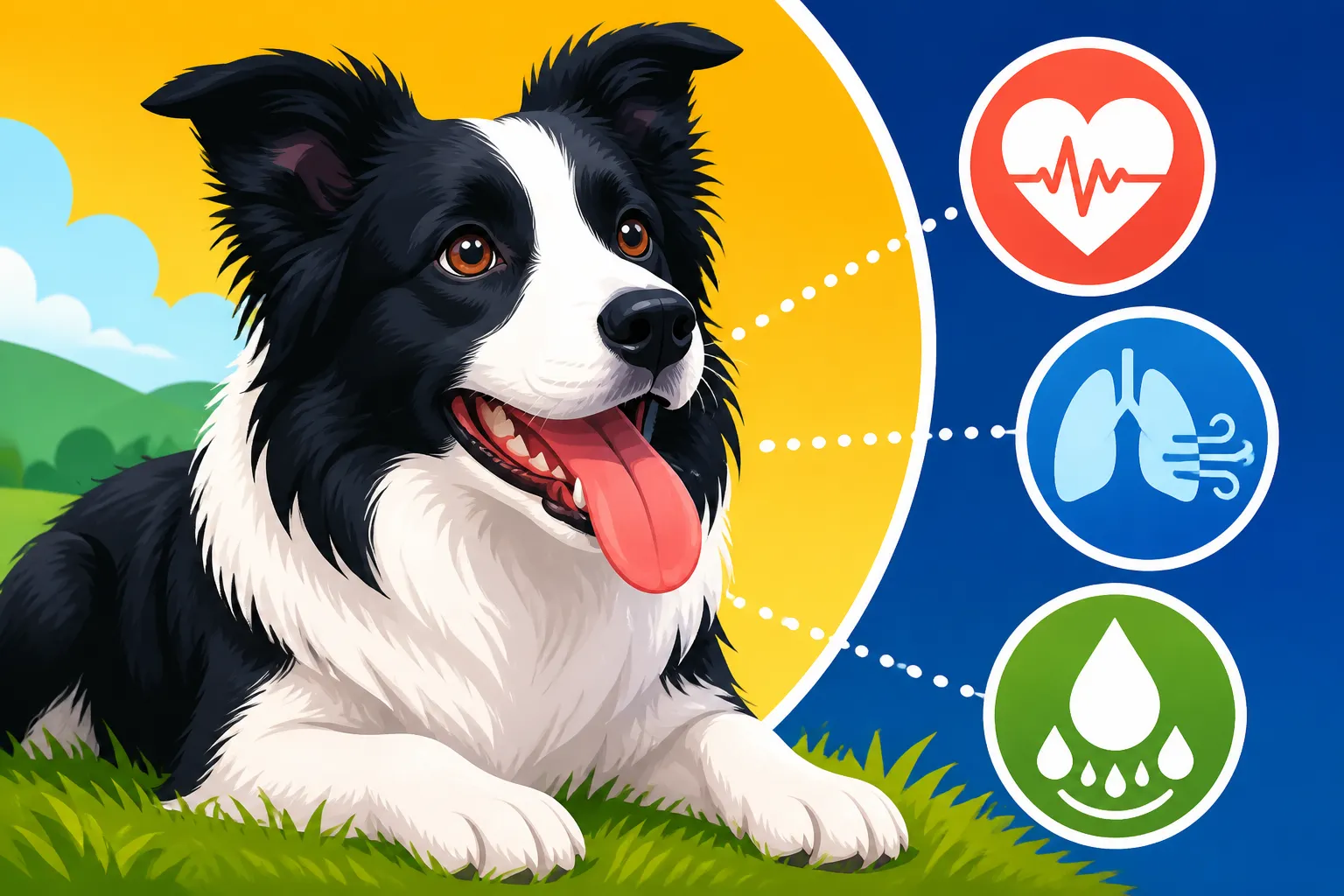
Unlike us humans, dogs don't have sweat glands all over their bodies to help them cool down. Their primary method of thermoregulation, or temperature control, is panting. When a Border Collie pants, they're rapidly exhaling warm, moist air from their lungs and upper respiratory tract. As this air evaporates from the moist surfaces of their tongue, mouth, and throat, it carries heat away from the body, effectively cooling them down. It’s an incredibly efficient system, and for a breed like the Border Collie, which is genetically wired for high-intensity, prolonged activity, it's absolutely vital.
Think about it: a Border Collie can run for miles, change direction on a dime, and maintain an intense focus for hours. This level of exertion generates a significant amount of internal heat. If they couldn't pant effectively, they'd overheat very quickly, leading to dangerous health complications. Their drive means they often won't stop themselves, even when their body is telling them they've had enough. It's up to us to monitor them, and their panting is a key indicator.
Normal vs. Elevated Panting: What to Expect
So, what does "normal" panting look and sound like after a vigorous session? Typically, it will be rhythmic and deep, but not labored. Their tongue will likely be extended, and you'll see it flattening out a bit, perhaps even a healthy pink color. They'll be breathing rapidly, sometimes audibly, but it shouldn't sound like they're struggling for air. This kind of panting should gradually subside as they rest and cool down, typically within 10-20 minutes, depending on the intensity and duration of their work and the ambient temperature. They might drink some water, seek a cooler spot, and then settle down.
Elevated panting, on the other hand, starts to look and sound different. It might be much faster, shallower, or more guttural. Their chest might heave with more effort, and you might notice their nostrils flaring significantly. While normal panting cools them, elevated panting suggests their body is working harder to cool down, perhaps struggling to keep up with the heat generated. This is where you need to start paying closer attention, because it's the bridge between normal exertion and potential trouble. It's not necessarily an emergency yet, but it's a clear signal that it's time to intervene and help them cool off.
Decoding Different Types of Panting: Red Flags and Relief
Distinguishing between a tired dog and a dog in distress is paramount, especially with a breed as stoic and driven as the Border Collie. They're often so focused on their task or handler that they will ignore their body's warning signs. Knowing the difference can literally be life-saving.
Heavy, Labored Panting: When It's More Than Just Tiredness
When panting shifts from being merely elevated to becoming heavy and labored, it's a significant red flag. This isn't just about breathing fast; it’s about breathing with effort. You might see their entire body working with each breath – exaggerated movements of their rib cage and abdomen, sometimes even a slight head bob. The sound might become more grunting, wheezing, or like they're trying to clear their throat. Their tongue might appear very wide and flat, almost pancake-like, and a crucial indicator is its color. Instead of a healthy pink, it might be a dark, brick red, or even have a bluish tinge (cyanosis), which indicates a lack of oxygen.
Alongside this kind of panting, you might notice other alarming symptoms. They could start staggering or stumbling, their coordination failing. Their eyes might appear glazed or distant, indicating disorientation. Vomiting or diarrhea can also occur as their internal organs begin to struggle under the stress of overheating. This kind of presentation moves well beyond simple tiredness; it's a strong indicator of heat exhaustion or, more severely, heat stroke. In such a scenario, every second counts. If you see signs like this, you need to act immediately, as your Border Collie is likely experiencing severe distress. For more on what this looks like, you can read The Wobbling Gait a Collapsing Border Collie Shows.
Panting Accompanied by Other Concerning Signs
Beyond the nature of the panting itself, other symptoms appearing concurrently with heavy breathing can point to various underlying issues, not just overheating.
- Excessive Drooling or Foaming: While some drooling is normal with heavy panting, excessive, thick drool or foamy saliva can indicate profound distress, nausea, or an inability to swallow properly. This is particularly concerning if combined with difficulty breathing.
- Persistent Weakness or Collapse: If your Border Collie collapses, struggles to stand, or shows extreme weakness, it’s an emergency. This can be a sign of heat stroke, but also conditions like Border Collie Collapse (BCC), where intense exercise triggers a temporary neurological dysfunction. It's vital to differentiate, though both require immediate attention. How Long a Border Collie Takes to Come Right Again delves into recovery times for collapse episodes.
- Panting in a Cool Environment: If your dog is panting heavily indoors, in the shade, or in cool weather without having exercised, it’s a strong signal that something else is wrong. This could be pain from an injury, anxiety, or an underlying medical condition like heart disease, respiratory issues, or even a fever. Border Collies, with their intense sensitivity, can also pant heavily due to stress or fear, for instance, during a thunderstorm or fireworks. This type of panting is often accompanied by other signs of anxiety, like pacing, trembling, or hiding. If you notice this, consider triggers like Noise Fear in a Border Collie.
- Refusal to Drink or Excessive, Urgent Thirst: While we want our dogs to drink after exercise, a frantic, desperate thirst or, conversely, a complete refusal to drink despite apparent dehydration, can be worrying. Ensure they are taking small sips, not gulping huge amounts that could lead to bloat or further distress. Dehydration in a Border Collie After a Day's Work offers more context on this.
- Pale Gums: Beyond the tongue, checking the color of their gums is crucial. Pale or white gums, especially in conjunction with heavy panting, can indicate shock, anemia, or internal bleeding, all of which are medical emergencies.
By carefully observing these combined signs, you can get a clearer picture of your Border Collie's condition and determine the urgency of the situation.
Immediate Actions When Your Border Collie is Panting Excessively
When your Border Collie is panting more than seems normal, especially with other concerning symptoms, quick action can make all the difference. Knowing exactly what to do can help stabilize them and prevent a serious situation from escalating.
Prioritizing Immediate Cooling and Hydration
The absolute first priority if you suspect overheating is to cool your dog down, and quickly, but gently. Get them out of the sun and into the coolest, shadiest spot you can find, ideally somewhere with a breeze or near a fan.
Next, offer them water. Don't let them gulp down a huge amount, as this can cause stomach upset or even bloat. Instead, offer small amounts frequently. If they're reluctant to drink, don't force it. You can wet their mouth with a small amount of water from your hand or a damp cloth. You can easily carry portable dog water bottles and collapsible bowls from retailers like Chewy or Amazon on your walks and training sessions, making it simple to offer water on the go.
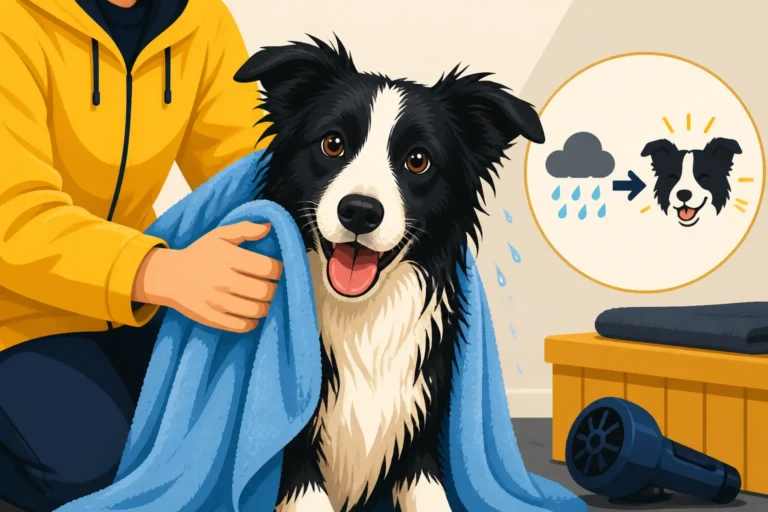
For active cooling, apply cool (not ice-cold) water to their body. Focus on areas where major blood vessels are close to the surface: the armpits, groin, belly, and paw pads. You can use wet towels, sponges, or even just pour water over them gently. Avoid immersing them in very cold water, as this can cause their blood vessels to constrict, trapping heat inside their core. Similarly, don't use ice packs directly on their skin for prolonged periods. Just cool tap water is usually sufficient. Continue these cooling efforts until their panting starts to subside and they show signs of improvement, but keep monitoring them closely even then. Remember, they can get very hot, very quickly, as highlighted in How Hot a Border Collie Gets After Ten Minutes.
When It's Time to Call the Vet
While immediate cooling and hydration are crucial first aid, there are definite times when these measures aren't enough, or when the situation demands professional veterinary intervention. If your Border Collie's heavy, labored panting doesn't improve within 10-15 minutes of active cooling, or if it worsens, you need to call your vet immediately. This is not a "wait and see" situation.
Definite reasons to seek emergency veterinary care include:
- Any signs of collapse, unconsciousness, or severe disorientation.
- Gums or tongue turning dark red, purple, or bluish.
- Uncontrolled vomiting or diarrhea.
- Seizures.
- Rectal temperature exceeding 104°F (40°C) if you can take it safely.
- Persistent staggering, weakness, or inability to stand.
Even if your dog seems to recover after initial cooling, it's often wise to have them checked by a vet. Heat stroke can cause internal organ damage that isn't immediately apparent. Tell your vet exactly what happened, how long the symptoms lasted, and what steps you took. They might recommend blood tests or other diagnostics to ensure there's no lasting damage. Remember, dealing with emergencies can be costly, so it’s always good to be prepared. For some financial context, consider reading Emergency Costs the Night a Border Collie Collapses. Don't ever hesitate to call your vet if you're worried; they would always prefer you call unnecessarily than wait too long.
Preventing Overheating and Excessive Panting
Prevention truly is the best medicine when it comes to keeping a high-drive Border Collie safe and comfortable. Their eagerness to please and work means they often won't self-regulate, making it our responsibility to manage their activity and environment carefully.
Smart Exercise Practices for High-Drive Dogs
Border Collies are phenomenal athletes, but even they have limits, and their intense drive can sometimes override their natural instinct to rest. One of the most critical preventive measures is timing your exercise sessions. In warmer months, avoid the hottest parts of the day. Early mornings and late evenings are typically much cooler and safer for intense activity. On those hot summer days, it might be better to opt for mental stimulation indoors or a very short, slow leashed walk rather than a full-out fetch session.
Gradual conditioning is also key. Don't expect your Border Collie to go from couch potato to full-throttle herding trial in a week. Build their fitness slowly, allowing their body to adapt to increasing demands. Pay close attention to environmental factors: humidity, in particular, can make it much harder for dogs to cool down, even if the temperature isn't excessively high. Understand that The Border Collie That Keeps Working Past Its Limit is a common scenario, and you need to be the one to call "that'll do" before they reach a critical point. Always err on the side of caution, cutting sessions short if conditions seem marginal.
Essential Gear and Environmental Management
Equipping yourself with the right gear and managing your dog's environment effectively are crucial for preventing excessive panting and overheating.
- Hydration Stations: Always carry fresh water and a portable bowl when you're out with your Border Collie. You can find excellent, durable options on Amazon or Chewy, from collapsible silicone bowls to specialized water bottles with integrated dispensers. Make sure your dog has constant access to fresh water at home, too.
- Cooling Aids: For particularly hot days or dogs prone to overheating, consider cooling vests or bandanas that you wet and wring out. Cooling mats can also provide a comfortable, cool spot for them to rest after exercise. These are easily found on major pet supply sites like Chewy.
- Shade and Rest: Whether at home or at a trial, ensure your Border Collie has access to ample shade. If you're spending time outdoors, bring a pop-up tent or umbrella for them. Build in regular rest breaks during extended activity, even if they don't seem to want them.
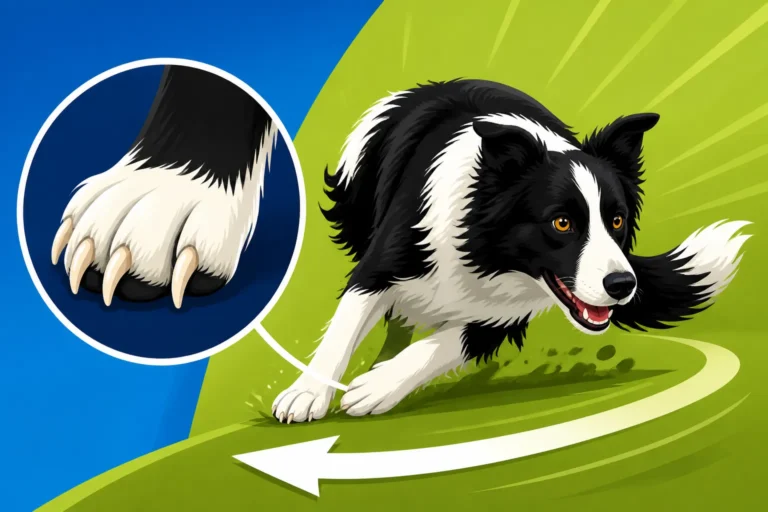
- Paw Protection: Hot asphalt, sand, or concrete can quickly burn delicate paw pads. Test the surface with the back of your hand; if it's too hot for you to hold your hand there for five seconds, it's too hot for your dog's paws. Consider booties for walks on hot surfaces if necessary.
- Car Safety: Never, ever leave your Border Collie unattended in a car, even with the windows cracked. The temperature inside a vehicle can rise to dangerous levels in minutes, even on mild days.
By implementing these smart practices and using appropriate gear, you can significantly reduce the risk of your Border Collie struggling with excessive panting and overheating, allowing them to enjoy their incredible work and play safely. For a more complete overview, refer to Cooling and Watering a Border Collie in Summer.
| Panting Type | Description | Common Causes | Action Needed |
|---|---|---|---|
| Normal Exertion | Rhythmic, deep, rapid but not labored. Healthy pink tongue. | Post-exercise cooldown. | Offer water, provide rest in a cool spot. |
| Elevated/Worrisome | Faster, shallower, more guttural. Tongue wide, dark pink/red. | High exertion, early stage of heat exhaustion. | Move to shade, wet with cool water (belly, pads), small sips of water. Monitor closely. |
| Labored/Emergency | Heavy heaving, struggling for air. Dark red or bluish tongue. | Heat stroke, severe medical emergency. | Immediate active cooling. Call vet immediately, en route if possible. |
| Anxiety/Pain-Induced | Panting without exertion, often with other distress signs. | Stress, fear, pain, underlying illness. | Identify trigger, remove from stressor, comfort. If pain or illness suspected, call vet. |
Disclaimer
This article is for general informational purposes only and does not constitute professional advice. Laws, prices and regulations vary by location and change over time. Consult a qualified professional for guidance on your specific situation.