Epilepsy in a Border Collie Between One and Five
Discovering your energetic, intelligent Border Collie suffering a seizure is a terrifying experience, especially when they're in the prime of their youth. It's a moment that rips the rug out from under you, leaving you confused, scared, and desperate for answers. This guide aims to demystify epilepsy in Border Collies between the ages of one and five, providing you with practical knowledge, empathetic support, and a clear path forward.
The Unsettling Reality of Epilepsy in Young Border Collies
When you bring a Border Collie into your home, you envision years of vibrant activity, intense training sessions, and unwavering companionship. The thought of a serious health issue, particularly one as dramatic as seizures, is usually far from your mind. Yet, for many Border Collie owners, epilepsy becomes an unexpected and challenging part of their dog's life, often presenting itself during these formative young adult years.
When Seizures Typically Begin
It’s incredibly common for Border Collies to have their first seizure sometime between one and five years of age. This window, spanning late adolescence through early adulthood, is often referred to as the "epilepsy window" for many breeds. Your dog might be happily playing fetch one moment, perhaps running circles around the local park or intently focusing on a training dummy, and then without warning, collapses into a seizure. This sudden onset in what appears to be an otherwise healthy, robust dog can be particularly jarring. It’s a stark contrast to seizures seen in very young puppies (which might point to congenital issues) or much older dogs (where tumors or organ failure become more likely suspects). For a deeper dive, read about The Age a Border Collie's First Seizure Arrives.
Understanding Idiopathic Epilepsy
The most common form of epilepsy diagnosed in Border Collies within this age range is "idiopathic epilepsy." This fancy term essentially means "seizures of unknown cause." While it's frustrating not to have a definitive answer or a clear "fix," understanding this diagnosis is the first step toward effective management. Idiopathic epilepsy is believed to have a strong genetic component, meaning it's inherited, even if the exact genes haven't been fully mapped out for all breeds, including Border Collies. It's not caused by brain injury, infection, or metabolic disease, but rather by abnormal electrical activity in the brain that leads to a temporary dysfunction. It’s a primary neurological disorder, distinct from secondary seizures that might result from external factors like toxin exposure or internal conditions such as kidney failure.
For Border Collie owners, recognizing this genetic link is crucial, not just for their current dog but also when considering future pets or if they are involved in breeding. While it doesn't diminish the love for your dog, it highlights the importance of responsible breeding practices and asking breeders about seizure history in their lines. These seizures often manifest as generalized, or "grand mal," seizures, affecting both sides of the brain and leading to loss of consciousness and full-body convulsions. However, focal seizures, affecting only a part of the brain and presenting with more subtle symptoms, can also occur, though they are less frequently reported as the primary form of idiopathic epilepsy in this breed.
Decoding a Border Collie Seizure: What It Looks Like and What It Means
Experiencing your Border Collie's first seizure is unforgettable, and not in a good way. The frantic thrashing, the vacant stare, the drooling – it’s a horrifying sight that leaves many owners feeling helpless. Knowing what to expect, and understanding the different phases of a seizure, can help you respond more effectively and provide valuable information to your veterinarian.
The Subtle Cues Before the Storm: Pre-Ictal Phase
Before a full-blown seizure, some Border Collies might display subtle changes in behavior that signal an impending episode. This is known as the pre-ictal phase, or "aura." It can be incredibly brief, lasting only seconds, or sometimes stretch for hours. These signs are often unique to individual dogs, but common observations include unusual clinginess or anxiety, seeking out their owner, or becoming unusually withdrawn. They might pace restlessly, whine, tremble, or seem disoriented. Some dogs might stare blankly or appear confused. As a highly intelligent and observant breed, your Border Collie might even attempt to communicate their distress, perhaps by nudging you more frequently or exhibiting a worried expression.
Learning to recognize these subtle cues can be invaluable. If you notice your dog entering this phase, you might have a short window to move them to a safer, padded area away from stairs or sharp furniture, or simply to mentally prepare yourself for what's about to happen. Not all dogs show clear pre-ictal signs, and some Border Collies, particularly those with intense focus and high drive, might not demonstrate any noticeable changes until the seizure begins. Keep a keen eye out, as even the slightest shift in their usual demeanor could be a warning sign. For a detailed description of the physical manifestations, check out What a Border Collie Seizure Looks Like.
The Seizure Itself: The Ictal Phase
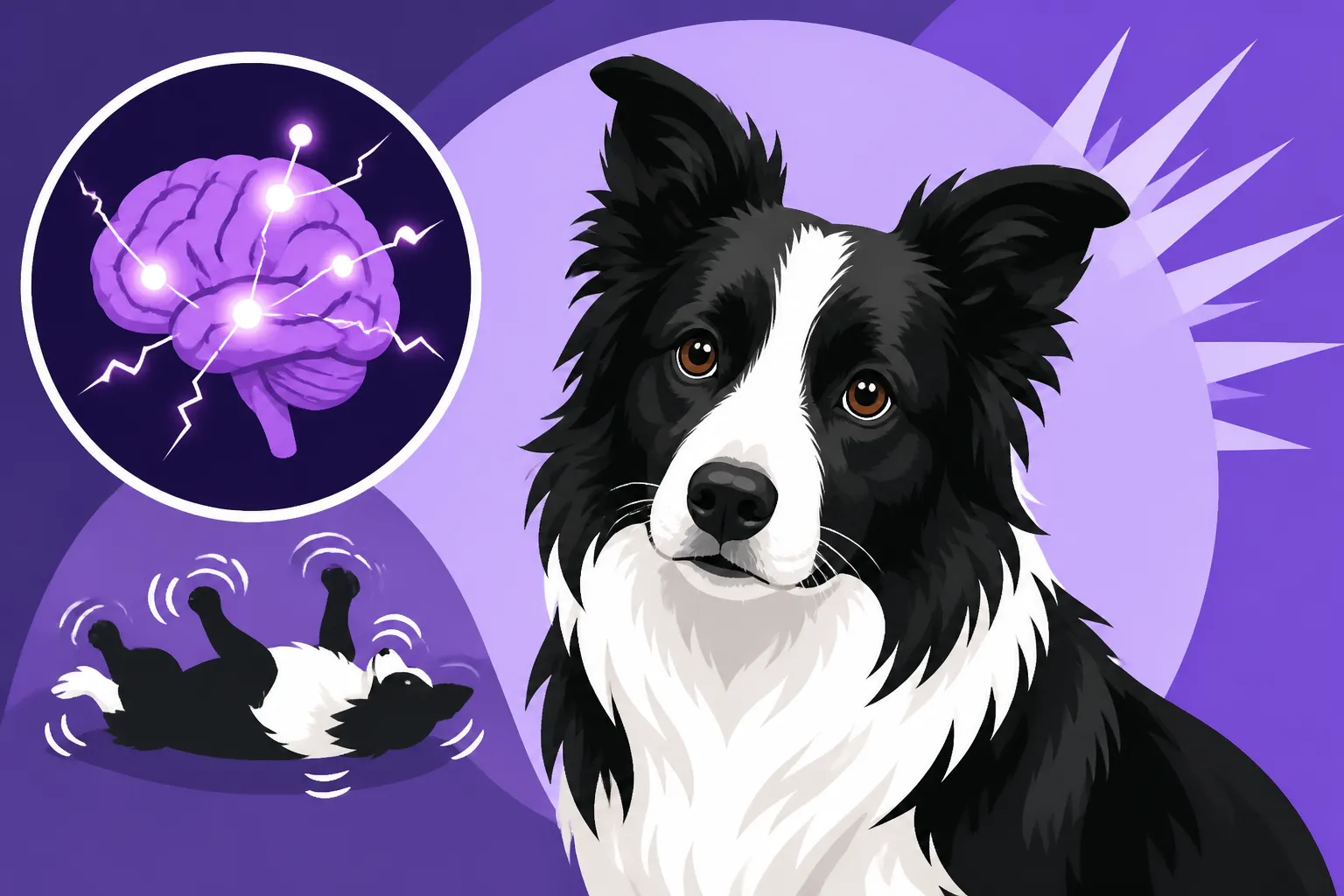
The ictal phase is the actual seizure event, and it's what most people picture when they think of a seizure. In Border Collies with idiopathic epilepsy, these are most often generalized tonic-clonic seizures, commonly called "grand mal" seizures. The dog typically loses consciousness and collapses. Their body becomes stiff (tonic phase), often followed by rhythmic paddling of the limbs and uncontrolled muscle contractions (clonic phase). You might see champing of the jaws, excessive drooling, vocalization (whimpering, growling, or barking), and involuntary urination or defecation. Their eyes may roll back or become fixed, and their pupils might be dilated.
This phase is usually terrifying to witness, but it’s important to remember that your dog is unconscious and not experiencing pain in the way we might understand it. These seizures typically last anywhere from a few seconds to a few minutes. If a seizure extends beyond five minutes, or if multiple seizures occur without the dog regaining full consciousness in between (known as cluster seizures or status epilepticus), it becomes a medical emergency. Understanding The First Minute of a Border Collie Seizure can help you stay calm and react appropriately during this stressful period.
The Road to Recovery: The Post-Ictal Phase
Once the convulsive movements stop, your Border Collie enters the post-ictal phase. This can be just as unsettling as the seizure itself, as the dog slowly starts to regain awareness but is often disoriented, confused, and can sometimes exhibit temporary blindness or uncoordinated movement. They might pace relentlessly, bump into objects, or struggle to recognize familiar people or surroundings. Some dogs are extremely tired and want to sleep, while others might appear ravenously hungry or thirsty. This phase can last from minutes to hours, or even days in some severe cases.
It’s crucial to approach your Border Collie gently during the post-ictal phase. They can sometimes be anxious, aggressive, or unusually clingy due to their disorientation. Keep them in a quiet, safe environment and offer comfort without overwhelming them. It's not uncommon for them to seem "not quite themselves" for a while after an episode. Observing their behavior during this phase is also critical for your vet, as it provides further clues about the seizure's impact. For more on this, you can refer to What Happens After a Border Collie's First Seizure.
Immediate Action: What to Do When Your Border Collie Seizes
When your Border Collie experiences a seizure, panic is a natural reaction. However, a calm and informed response can make a significant difference in ensuring your dog's safety and helping your veterinarian provide the best possible care.
Ensuring Safety During an Episode
Your primary goal during a seizure is to protect your dog from injury. As soon as you notice an episode beginning, try to clear the area around them of any hard, sharp, or hot objects they might strike during their uncontrolled movements. If your dog is on stairs, near a water source, or in any other precarious spot, gently try to slide them to a safer, open area on the floor. Remember, they are unconscious and not in control of their body, so avoid putting your hands near their mouth; despite the common myth, dogs rarely swallow their tongues during a seizure, but you could accidentally be bitten. Placing a folded blanket or pillow under their head can offer some protection, but don't force anything into their mouth.
The instinct to hold or restrain your dog might be strong, but this can actually cause more harm. Let them move through the seizure naturally, focusing instead on their immediate environment. Keep other pets and children away, as the scene can be frightening and the seizing dog might accidentally injure them. Once the seizure passes, your Border Collie will need space and quiet to recover during the post-ictal phase. Providing a peaceful environment is just as important as protecting them during the active seizure.
Gathering Crucial Information for Your Vet
While difficult in the moment, trying to observe and record specific details of the seizure is incredibly helpful for your vet. Many owners find it useful to start a "seizure diary." Key information to note includes:
- Date and Time: When did the seizure start and how long did it last? Timing is critical.
- Description of the Seizure: What did it look like? Was it full-body convulsions? Paddling? Stiffening? Drooling? Urination? Vocalization? Did it start on one side of the body or affect the whole body immediately?
- Pre-Ictal and Post-Ictal Behavior: Did you notice any warning signs? How long did the recovery phase last, and what behaviors did your dog exhibit (disorientation, blindness, hunger, sleepiness)?
- Potential Triggers: Was there anything unusual before the seizure? Stress, loud noises, certain activities, medication changes, or even specific times of day?
If possible and safe, record a video of the seizure on your phone. This can provide your vet with invaluable visual information that a verbal description often misses. It might feel unnatural to pull out a phone during such a distressing event, but that short video can be instrumental in diagnosis and treatment planning. Many owners also find it helpful to note down all medications, supplements, and recent exposures, as well as the dog's last meal and water intake. This meticulous record-keeping is vital for understanding patterns and determining the best course of action. You can learn more about What to Record About a Border Collie's Seizures to help with this process.
Knowing When to Seek Emergency Veterinary Care
While a single, short seizure (lasting less than 2-3 minutes) often doesn't require an immediate emergency vet visit if your dog recovers well, there are critical situations where you should seek urgent veterinary attention:
- Seizures lasting longer than 5 minutes: This is considered status epilepticus and can lead to brain damage or overheating.
- Cluster seizures: When your dog has two or more seizures within a 24-hour period without fully regaining consciousness in between episodes. This is also a serious emergency. For more on this, refer to Back-to-Back Seizures in a Border Collie.
- Rapid succession of seizures: Even if individual seizures are short, if they are happening one after another without a break.
- Recovery issues: If your Border Collie does not recover consciousness, remains disoriented for an extended period, or shows signs of significant injury.
- First-time seizure: While not always an emergency if short and isolated, it warrants a prompt non-emergency vet visit. However, if it's the very first seizure and it's prolonged or occurs in clusters, treat it as an emergency.
- Suspected toxin exposure or head trauma: If you suspect your dog ingested something toxic or suffered a head injury, seek immediate care regardless of seizure duration.
Don't hesitate to call your emergency vet clinic if you are unsure. They can provide guidance over the phone and help you decide if an immediate visit is necessary. It’s always better to be safe than sorry, especially with a beloved companion. Learning When a Seizing Border Collie Needs Emergency Care is vital for every owner.
The Diagnostic Journey: Confirming Epilepsy and Ruling Out Other Causes
Once your Border Collie has experienced a seizure, the next crucial step is working with your veterinarian to determine the cause. Diagnosing epilepsy, especially idiopathic epilepsy, is often a process of exclusion – meaning the vet will rule out all other potential reasons for the seizures before settling on an idiopathic diagnosis. This can be a challenging and sometimes lengthy journey, requiring patience and thoroughness.
Comprehensive Veterinary Examination
Your vet will start with a very thorough physical and neurological examination. They'll check your Border Collie's overall health, look for any signs of injury, and assess their reflexes, coordination, and mental status. They'll be looking for any abnormalities that might point to a systemic illness or a structural problem in the brain. They'll ask you a detailed history, going over the seizure observations you've meticulously recorded, your dog's general health, any recent changes in diet, medication, or environment, and any potential exposure to toxins. This initial consultation is where all the pieces of the puzzle begin to come together.
It's important to be completely open and honest with your vet about everything, no matter how insignificant it might seem. Even subtle details about your dog's temperament, eating habits, or exercise routine can provide important clues. The vet might also discuss your Border Collie's pedigree and the health history of their parents and siblings, especially given the breed's predisposition to certain genetic conditions. This comprehensive approach is essential for a proper diagnosis and understanding Whether One Seizure Means a Border Collie Has Epilepsy.
The Importance of Bloodwork and Urinalysis
Standard blood tests and a urinalysis are typically among the first diagnostic tools used. These tests help your vet evaluate your Border Collie's organ function, check for metabolic imbalances, and identify infections or toxins that could be causing seizures. For instance, low blood sugar (hypoglycemia), liver or kidney disease, electrolyte imbalances, or thyroid dysfunction can all manifest as seizures. Certain toxins can also impact the neurological system.
The blood panel will usually include a complete blood count (CBC) to check for anemia or infection, and a chemistry panel to assess organ function (liver, kidneys), glucose levels, and electrolytes. A urinalysis will check kidney function and look for signs of infection or other metabolic issues. If these tests reveal an underlying medical condition, then the seizures are considered "symptomatic" or "secondary" to that condition, and treating the primary issue might resolve the seizures. For example, if liver disease is identified, managing that condition becomes the priority. Many pet insurance providers, like Healthy Paws, offer coverage for diagnostic tests, which can be a huge relief during this investigative phase.
Advanced Imaging and CSF Analysis
If the initial bloodwork and physical exam don't reveal an underlying cause, your vet might recommend more advanced diagnostics, particularly if they suspect a structural problem within the brain. The primary tool for this is magnetic resonance imaging (MRI) of the brain. An MRI can detect brain tumors, inflammation, strokes, fluid abnormalities (hydrocephalus), or other structural lesions that could be triggering seizures. This procedure requires general anesthesia, as the dog must remain perfectly still for the detailed imaging.
Another advanced test is a cerebrospinal fluid (CSF) tap. This involves collecting a sample of the fluid that surrounds the brain and spinal cord, also under general anesthesia. The CSF is then analyzed for signs of inflammation, infection (like meningitis), or even certain types of cancer. While an MRI and CSF analysis are more invasive and costly, they are often crucial steps in differentiating idiopathic epilepsy from other severe neurological conditions. For many owners, the cost of these advanced diagnostics is a significant concern, but pet insurance plans, such as those offered by Healthy Paws, can often help mitigate these expenses, allowing you to pursue the best possible care for your Border Collie without undue financial stress.
Navigating Treatment Options: Medications and Management
Once a diagnosis of idiopathic epilepsy is made, the conversation shifts to management. The goal of treatment isn't necessarily to cure epilepsy, as there is no cure for idiopathic epilepsy, but rather to reduce the frequency, severity, and duration of seizures, thereby improving your Border Collie's quality of life. This often involves a combination of medication and careful observation.
First-Line Anti-Epileptic Drugs
The cornerstone of epilepsy management in Border Collies is typically anti-epileptic drugs (AEDs). The decision to start medication usually depends on several factors: the frequency of seizures (e.g., more than one seizure every 6-8 weeks), the severity or duration of seizures, the presence of cluster seizures, or a particularly severe post-ictal phase. The most commonly prescribed first-line AEDs include:
- Phenobarbital: This is often the first choice due to its effectiveness and relatively low cost. Phenobarbital works by depressing the central nervous system, reducing abnormal electrical activity in the brain. However, it requires careful monitoring as it can affect liver function. Initial side effects might include sedation, increased thirst, and increased appetite, which usually diminish over time. Regular blood tests are necessary to ensure the drug levels are therapeutic and to monitor liver enzymes. For more information, you might look into Phenobarbital and Liver Values in a Border Collie.
- Potassium Bromide (KBr): Often used in conjunction with phenobarbital or as a standalone drug if phenobarbital is not tolerated or contraindicated. KBr has a longer half-life, meaning it takes longer to reach therapeutic levels, but also has a more stable concentration in the body. It's often favored for dogs with liver issues since it's excreted primarily by the kidneys. Side effects can include sedation, hind limb weakness, increased thirst and hunger, and sometimes gastrointestinal upset.
- Levetiracetam (Keppra): Gaining popularity due to its good safety profile and fewer drug interactions compared to phenobarbital or KBr. It can be particularly useful as an add-on drug, or for dogs that are newly diagnosed and owners want to avoid the potential liver effects of phenobarbital. Levetiracetam generally has minimal side effects, primarily mild sedation, but it does require more frequent dosing (typically every 8 hours). You can learn more about Levetiracetam as an Add-On for a Border Collie.
The choice of medication, dosage, and whether to use one or multiple drugs (polypharmacy) will be determined by your veterinarian based on your Border Collie's individual case, their response to treatment, and any potential side effects.
Exploring Add-On Therapies and Alternative Approaches
Sometimes, a single anti-epileptic drug isn't enough to control seizures effectively. In these cases, your vet might suggest adding a second or even a third AED to the regimen. This is where medications like zonisamide, gabapentin, or even the previously mentioned levetiracetam, often come into play as "add-on" therapies. The goal is to achieve better seizure control without causing unacceptable side effects. Each dog responds differently, and finding the right combination and dosage can take time and requires close collaboration with your vet.
Beyond conventional medications, some owners explore complementary and alternative therapies, such as dietary changes or supplements. While these should never replace prescribed AEDs, some research suggests certain approaches might offer supportive benefits. For example, diets high in medium-chain triglycerides (MCTs) have shown promise in some dogs, as the brain can use ketones from MCTs as an alternative energy source, potentially reducing seizure activity. Omega-3 fatty acids, like those found in fish oil, are also sometimes recommended for their anti-inflammatory properties, though direct evidence of seizure reduction is limited. Acupuncture has also been explored as a complementary therapy for some dogs with epilepsy. Always discuss any alternative therapies or supplements with your veterinarian before introducing them, as some can interact with prescribed medications or have unintended side effects.
The Balancing Act of Medication and Quality of Life
Medicating an epileptic Border Collie is a fine balance. The goal is to control seizures without excessively dulling your dog's vibrant personality or causing significant side effects. Border Collies are renowned for their intelligence, drive, and intense focus, and the last thing any owner wants is for medication to turn their spirited companion into a lethargic shadow of their former self. This is often a significant concern for owners, especially those who work their dogs in sports or on stock.
Finding the optimal dose might involve a period of adjustment. You and your vet will work together to monitor seizure frequency, duration, and severity, as well as any side effects. It’s a process of titration, gradually adjusting the dose to find the sweet spot where seizures are minimized, and your dog maintains a good quality of life. Don't be afraid to communicate any concerns about side effects, such as excessive sedation or loss of drive, to your vet. There are often options to adjust medication, switch drugs, or add a different one to mitigate these issues. The aim is to allow your Border Collie to continue enjoying their active life, whether that's Working an Epileptic Border Collie on Stock or excelling in agility, while keeping seizures under control. For strategies to minimize drug-induced lethargy, consider reading Medicating a Border Collie Without Dulling It.
Living Well: Daily Life with an Epileptic Border Collie
An epilepsy diagnosis certainly changes things, but it absolutely doesn't mean the end of a fulfilling life for your Border Collie. With careful management, consistency, and a little extra awareness, most epileptic Border Collies can continue to thrive. It's about adapting your routine and environment to support their well-being.
Establishing a Predictable Routine
Consistency is key for a dog with epilepsy. Irregular schedules, sudden changes in diet, or inconsistent medication timings can sometimes act as triggers for seizures in sensitive individuals. Establishing a predictable daily routine helps to minimize stress and maintain stable medication levels. This means administering anti-epileptic drugs at the exact same time each day, without fail. Set reminders on your phone, or use a pill organizer to ensure no doses are missed.
Beyond medication, consistency in feeding times, exercise schedules, and even bedtimes can create a sense of stability for your Border Collie. A predictable routine provides comfort and security, which is particularly beneficial for a breed as intelligent and sensitive as the Border Collie. It also makes it easier to spot subtle changes in behavior that might indicate an impending seizure or a need for medication adjustment. When boarding your dog or having a sitter, ensure they are fully aware of the medication schedule and the importance of routine.
Identifying and Minimizing Triggers
While idiopathic epilepsy is "of unknown cause," specific events or environmental factors can sometimes trigger seizures in susceptible dogs. These can vary widely from dog to dog, but common triggers for Border Collies might include:
- Stress and Excitement: High-arousal situations like dog parks, intense training sessions, or even visitors to the home can sometimes tip a sensitive dog into a seizure.
- Sleep Deprivation: Not getting enough restful sleep or experiencing interrupted sleep patterns can be a trigger for some dogs.
- Loud Noises or Flashing Lights: Certain sounds or visual stimuli might precipitate an episode.
- Hormonal Changes: For intact females, estrus cycles can sometimes influence seizure activity.
- Overheating: While not a direct cause of idiopathic epilepsy, extreme heat can stress a dog's system and potentially lower their seizure threshold.
- Certain Foods or Toxins: Though rare for idiopathic epilepsy, ensuring a consistent, high-quality diet and preventing access to household toxins is always important.
Keeping a detailed seizure diary, noting any events or circumstances immediately preceding an episode, can help you identify your Border Collie's specific triggers. Once identified, you can work to minimize exposure to these triggers, creating a calmer and more controlled environment. For instance, if intense ball play reliably triggers seizures, you might need to modify playtime to include more varied, less intense mental stimulation.
Dietary Considerations and Supplements
For Border Collies with epilepsy, a balanced, high-quality diet is always important, but some specific dietary approaches and supplements are often discussed. As mentioned earlier, diets rich in medium-chain triglycerides (MCTs), found in coconut oil or specific veterinary therapeutic diets, have shown some promise in helping to manage seizures in some dogs. These diets are thought to provide the brain with an alternative energy source (ketones) that may be less likely to trigger seizures. Always consult your vet before making significant dietary changes, especially if your dog is on medication, as it can affect absorption or efficacy.
Beyond MCTs, omega-3 fatty acids (EPA and DHA) are widely recognized for their anti-inflammatory and neuroprotective properties. While not a direct anti-seizure agent, they can support overall brain health. Antioxidants, like Vitamin E and C, are also sometimes recommended to combat oxidative stress in the brain. Some holistic vets might suggest other supplements, but it’s paramount to discuss all supplements with your primary veterinarian to avoid potential interactions with AEDs or other health issues. Pet insurance, such as Healthy Paws, typically covers prescription therapeutic diets and supplements when prescribed by a vet for a covered condition, which can be beneficial for managing long-term care costs.
Beyond the Initial Diagnosis: Long-Term Outlook and Support
An epilepsy diagnosis is a long-term commitment. It's not a condition that simply goes away; it requires ongoing vigilance, adjustments, and a strong partnership with your veterinary team. Understanding the long-term outlook and finding a support system can make this journey much more manageable.
Monitoring Progress and Adjusting Treatment
Epilepsy management is an ongoing process of monitoring and adjustment. Your veterinarian will typically schedule regular check-ups, often with blood tests, to monitor your Border Collie's therapeutic drug levels and assess for any adverse side effects, especially with medications like phenobarbital that impact liver function. These appointments are crucial for ensuring the medication is working effectively and safely.
You'll continue to track your dog's seizures in your seizure diary – noting any changes in frequency, severity, or duration. If seizures become more frequent, more severe, or if cluster seizures start occurring, it’s a clear sign that the treatment plan needs re-evaluation. Your vet might suggest increasing the dosage, adding another AED, or switching to a different medication altogether. It's a dynamic process, and what works well for a period might need modification later on. Open communication with your vet is paramount to navigating these adjustments successfully.
The Emotional Toll on Owners and Finding Support
Living with an epileptic dog can take a significant emotional toll on owners. The constant worry about when the next seizure might strike, the guilt over missed doses, the fear during an episode, and the exhaustion from disrupted sleep can be overwhelming. It's perfectly normal to feel stressed, anxious, or even heartbroken. You're not alone in these feelings.
Finding a support system can be incredibly beneficial. This might include online forums for owners of epileptic dogs, local support groups, or even just trusted friends and family who understand what you're going through. Your veterinarian and their staff can also be a valuable source of support and information. Don't be afraid to lean on them for guidance and reassurance. Remember that you are doing your best for your beloved Border Collie, and that's what truly matters. Seeking support for yourself allows you to be a better, more resilient caregiver for your dog.
Proactive Care for a Fulfilling Life
Despite the challenges, many Border Collies with epilepsy live long, happy, and fulfilling lives. The key is proactive care. This means not only consistent medication and monitoring but also ensuring your dog maintains a good quality of life. Continue with appropriate exercise, mental stimulation, and training that they enjoy, making adjustments as needed based on their individual seizure triggers and medication side effects. For example, if agility triggers seizures, perhaps explore scent work or lower-impact obedience training.
Regular veterinary check-ups are essential, not just for epilepsy management but for overall health. As your Border Collie ages, other health concerns might arise, and early detection is always best. Good nutrition, dental care, and appropriate parasite prevention all contribute to a strong immune system and overall well-being. By being proactive and providing consistent, loving care, you can help your epileptic Border Collie enjoy a life rich in purpose and companionship. The journey may have its bumps, but the bond you share will undoubtedly make it worthwhile.
Breeding Responsibly: Addressing Epilepsy in Border Collie Lines
Given the strong genetic component suspected in idiopathic epilepsy, particularly within specific breeds like the Border Collie, breeding decisions become a critical ethical consideration. Understanding the inheritance patterns and being transparent about health histories is paramount for responsible breeders.
Genetic Predisposition and Inheritance Patterns
While the exact genetic markers for idiopathic epilepsy in Border Collies aren't fully understood or available through commercial testing yet, the prevalence within certain lines strongly suggests a hereditary basis. This means that if a Border Collie develops idiopathic epilepsy, there's a higher likelihood that their parents and siblings carry genes that predispose them to the condition, even if they never display symptoms themselves. This makes pedigree research vital for breeders.
Epilepsy is generally considered a polygenic trait, meaning it's influenced by multiple genes rather than a single gene. This complexity makes it harder to predict its inheritance pattern compared to simple recessive traits where a specific DNA test can identify carriers. However, evidence points towards an autosomal recessive or complex mode of inheritance in many cases. This means that a dog might need to inherit two copies of a problematic gene (one from each parent) to be affected, or it could be a combination of genes and environmental factors. Researchers are actively working to identify these genetic markers, which would significantly aid in breeding decisions.
Ethical Breeding Decisions
For Border Collie breeders, encountering epilepsy in their lines presents a significant ethical challenge. Responsible breeders prioritize the health and welfare of the breed. This means:
- Transparency: Openly discussing health issues, including epilepsy, with potential puppy buyers and other breeders. Providing information about cases of epilepsy in their lines is a sign of integrity.
- Avoiding Affected Dogs: Generally, dogs diagnosed with idiopathic epilepsy should not be bred, as they carry the genetic predisposition and could pass it on to their offspring.
- Considering Relatives: Breeding decisions for close relatives (parents, siblings, offspring) of an affected dog should be carefully considered. While a clear individual might not develop epilepsy, they could still be carriers. Some breeders choose to avoid breeding "carrier" relatives, while others might breed them cautiously to a mate with no history of epilepsy in their lines, aiming to dilute the genetic risk.
- Maintaining Detailed Records: Keeping comprehensive health records for all dogs in a breeding program, including any instances of seizures, is crucial for tracking patterns and making informed decisions.
The goal is to reduce the incidence of epilepsy in future generations without unduly narrowing the gene pool, especially in working lines where specific traits are highly valued. It's a delicate balance that requires deep knowledge, honesty, and a long-term commitment to breed health.
Genetic Testing and Research
While a specific DNA test for idiopathic epilepsy in Border Collies is not yet widely available or comprehensive, research is ongoing. Scientists continue to study canine epilepsy, looking for the specific genes involved. When such tests become available, they will be invaluable tools for breeders, allowing them to identify carriers before breeding and make more informed pairing decisions. Currently, breeders rely on health clearances for other conditions (like hip and elbow scores, eye exams, and other genetic panel tests) and a thorough understanding of their dogs' pedigrees and the health of their relatives. For example, breeders should always pursue The Border Collie Genetic Panel and What It Screens to screen for known genetic disorders.
In the absence of a definitive genetic test for epilepsy, the best practice remains careful pedigree research, avoiding breeding affected dogs, and exercising caution with first-degree relatives of affected dogs. Supporting research efforts into canine epilepsy, perhaps through participation in studies or donations to organizations like the AKC Canine Health Foundation, can also contribute to finding answers that will benefit future generations of Border Collies.
| Seizure Phase | Description | Key Observations | Duration | Action for Owners |
|---|---|---|---|---|
| Pre-Ictal | The "aura" before the seizure. Dogs may show subtle behavioral changes as a warning. | Anxiety, restlessness, seeking attention, drooling, pacing, confusion, staring. | Seconds to hours | Observe carefully, move dog to a safe, padded area, prepare for seizure. |
| Ictal | The active seizure event. Characterized by uncontrolled muscle activity, loss of consciousness, and often involuntary functions. | Collapse, stiffening (tonic), paddling/jerking (clonic), drooling, vocalization, urination/defecation, fixed pupils. | Usually 30 seconds to 3 minutes (up to 5 min) | Ensure safety (clear objects), time the seizure, record video if possible. Do NOT put hands in mouth. |
| Post-Ictal | The recovery phase after the seizure. Dog gradually regains consciousness but is often disoriented, tired, and may show temporary neurological deficits. | Disorientation, confusion, pacing, temporary blindness, excessive hunger/thirst, extreme tiredness, altered behavior. | Minutes to hours, sometimes days | Provide a quiet, safe space. Offer comfort gently. Monitor behavior for full recovery. Offer water/food once fully alert. |
Disclaimer
The information provided in this article is for educational and informational purposes only and does not constitute veterinary advice. Always consult with a qualified veterinarian for any health concerns or before making any decisions related to your pet's health and treatment. Individual results may vary, and treatment effectiveness can differ.