Cleaning Mud Off a Border Collie’s Belly
If you share your life with a Border Collie, you know that mud isn't just a possibility; it's practically a guarantee. These intelligent, energetic dogs thrive on being outdoors, exploring every corner of the yard, the park, or the pasture, and often come back looking like they've wrestled a swamp creature. Getting that thick, caked-on mud off their belly without turning your entire house into a muddy disaster zone can feel like a daunting task, but this guide is here to walk you through the most effective ways to clean your Border Collie's muddy undercarriage, keeping both your dog and your home sparkling.
Why Border Collies Are Mud Magnets and Why It Matters
Let's face it, Border Collies are not couch potatoes. Their very essence is tied to activity, exploration, and often, getting wonderfully, gloriously dirty. Understanding why they seem to attract mud like a magnet is the first step to managing the aftermath.
The Lure of the Outdoors
Border Collies are bred for action, and the great outdoors is their ultimate stage. Whether they're rounding up imaginary sheep in the backyard, chasing a frisbee through a damp park, or genuinely working on a farm, they are designed to be immersed in their environment. This inherent drive means they will find every patch of mud, every inviting puddle, and every squishy stream. It's not a choice for them; it's an adventure waiting to happen, especially when they're allowed the freedom to move, perhaps like Running a Young Border Collie on Concrete or just enjoying their daily exercise.
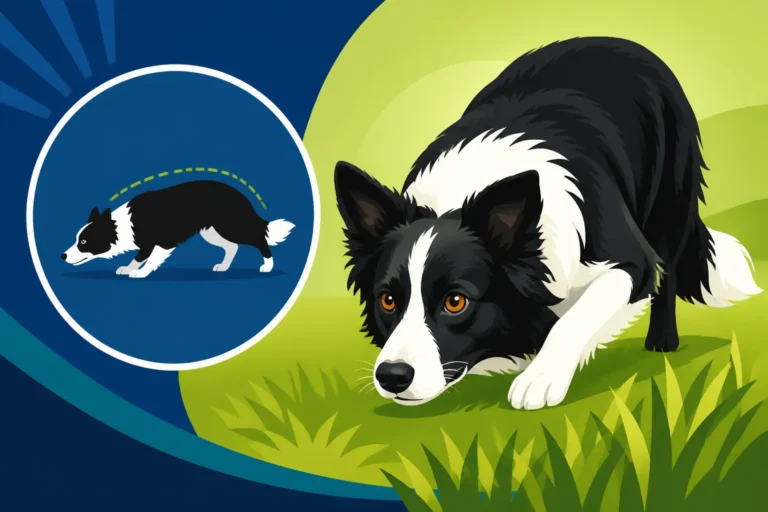
Think about a typical rainy day. While many other dogs might balk at the drizzle and prefer to stay inside, your Border Collie is already calculating the best route through the squishy field. They're not just walking; they're often galloping, crouching low, and using their powerful legs to navigate uneven terrain, all of which brings their belly into prime contact with the mud. The mud isn't an obstacle to them; it's just part of the exciting landscape, and they immerse themselves fully in it, often quite literally, transforming from sleek canine to muddy beast in minutes.
This mud-gathering isn't solely confined to expansive fields. Even a quick trip out to the backyard can result in a thoroughly caked-on belly if you happen to have a damp patch near the fence, a leaky outdoor faucet, or a freshly watered garden bed. Their low-slung, athletic bodies are perfectly engineered to churn through varied ground, and in doing so, they become incredibly efficient mud collectors. It's simply a testament to their love of being a dog, fully engaged with the world around them.
Coat Types and Mud Retention
The amount of mud your Border Collie collects, and how stubbornly it clings, can often depend on their coat type. Both The Rough and Smooth Border Collie Coats present unique mud challenges that owners quickly become familiar with.
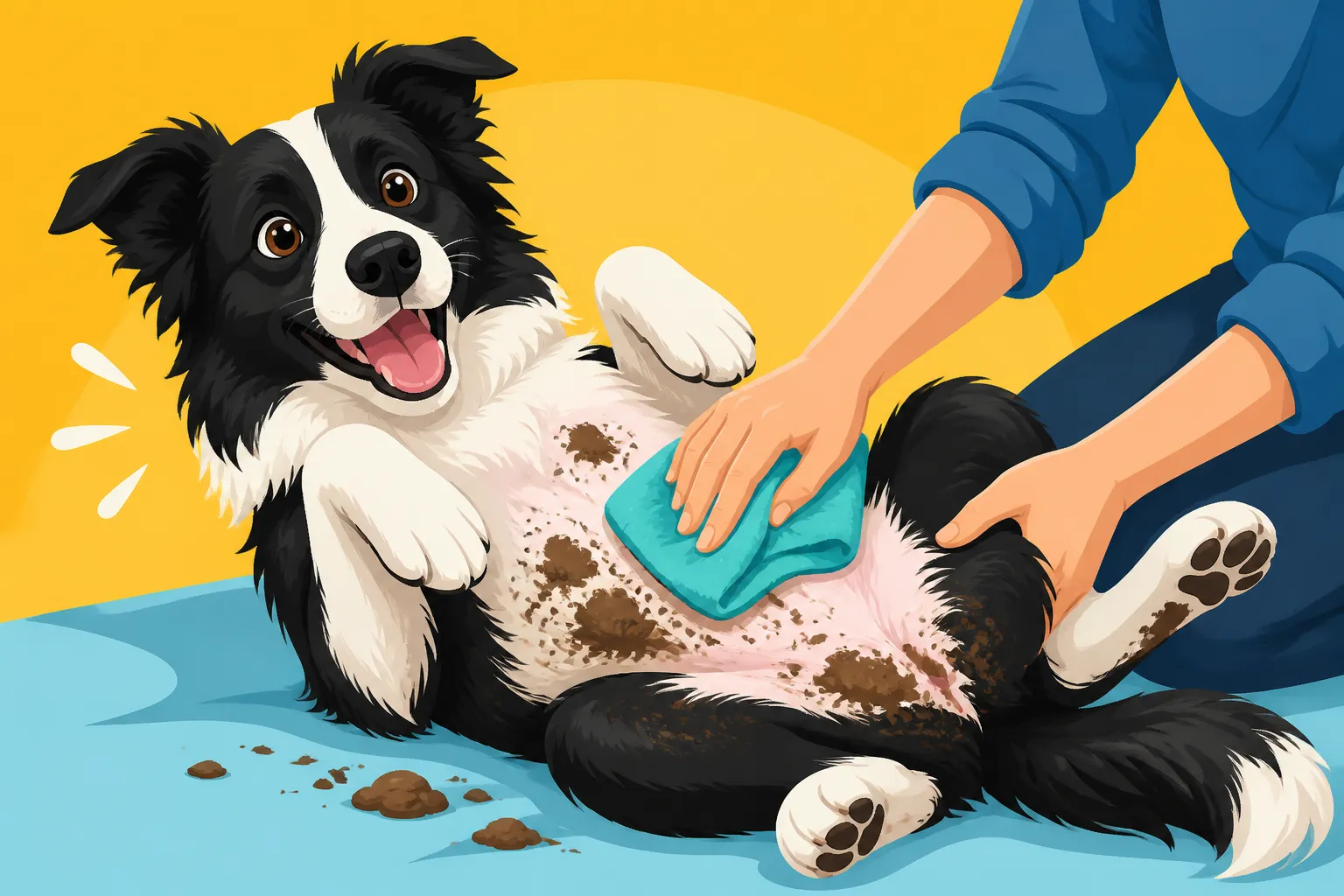
Rough-coated Border Collies, with their abundant feathering on their legs, chest, and belly, are truly like walking mops. Every single strand of that longer hair is a perfect trap for mud, burrs, sticky seeds, and anything else the field throws at them. The mud gets tangled within the individual hairs, wraps around the feathering, and quickly forms dense, hard clumps once it begins to dry.
Imagine trying to comb through wet clay that's matted into long, silky hair – that’s the reality for many rough-coated owners. The dried mud pulls on their skin, causing discomfort and making grooming a significant chore. It's not uncommon to find solid mud 'dreadlocks' on their 'trousers' (the longer hair on their hind legs) and undercarriage, which can be incredibly painful if left unaddressed. This is why regular Grooming a Rough-Coated Border Collie is so crucial, even beyond just cleaning mud.
Even smooth-coated Border Collies, despite their shorter hair, aren't exempt from the mud-magnet phenomenon. While they don't have the long feathering to trap and hold large clumps, their short, dense double coat can still pick up a remarkable amount of grit and grime. The mud may not cling in the same way, but it can quickly plaster their entire underside, soaking through to their skin and leaving a gritty, damp residue that somehow manages to get everywhere in your house. Owners of smooth coats might find the mud sheds off more easily once dry, but it still requires attention and cleaning to prevent tracking.
The Health and Hygiene Angle
Beyond the obvious aesthetic mess, a muddy belly left uncleaned can lead to real problems for your Border Collie's health and comfort. It's not just about keeping your home tidy; it's about their well-being.
For rough-coated dogs, accumulated mud rapidly leads to matting. These mats, especially in the sensitive areas of the belly and armpits, can cause painful skin irritation, rubs, and even secondary skin infections like hot spots if moisture and bacteria become trapped underneath. When the mud dries, it can pull tightly on their skin, causing constant discomfort. Regularly checking your dog for such issues is part of caring for their coat and skin health.
Their paws are particularly vulnerable. Mud can get packed tightly between their paw pads, leading to irritation, cracks, or even bacterial or fungal infections that thrive in damp, dirty conditions. If your Border Collie has been running through muddy fields, a quick check of their Toe and Pad Injuries on a Working Border Collie is essential, as mud can hide thorns, glass, or other foreign objects. Leaving mud on can also increase the risk of things like grass seeds getting embedded in their skin or paws.
And let's be honest, nobody wants a smelly, muddy dog tracking grime and debris through the house, especially not when they decide to hop onto the sofa for a cuddle. Regular cleaning prevents these health and hygiene issues, keeps their skin healthy, reduces unpleasant odors, and makes living with an active Border Collie a much more pleasant experience for everyone. It also gives you an opportunity to perform a quick inspection, helping you spot any minor injuries, irritations, or parasites early on, before they become serious problems.
Essential Tools and Techniques for a Muddy Belly Clean-Up
When your Border Collie comes in from an exhilarating, muddy adventure, a strategic approach to cleaning is key. Being prepared makes the process smoother, quicker, and less stressful for both you and your dog.
Gathering Your Arsenal
Before you even think about bringing your mud-covered marvel inside, assemble your cleaning station. This proactive step prevents a frantic search for supplies while your dog drips mud across your floors. You'll want a stack of old, absorbent towels – the more, the better! You'll also need a bucket of warm water, a mild, dog-specific shampoo (avoid harsh human shampoos which can strip natural oils), a soft brush or comb, and perhaps a small sponge or washcloth.
For serious mud, or if you have a dog that regularly gets filthy, consider investing in a designated rinse tub or utilizing a utility sink in your laundry room or garage. A sprayer attachment on a hose in a wash-down area outside or in a garage can also be a lifesaver, making it easier to target muddy areas. Think of it as preparing for a mini-expedition; you wouldn't go into the wilderness without your tools, and a muddy Border Collie cleanup is certainly a campaign you want to win efficiently. For all your grooming needs, from specialized shampoos like those that Shampoo That Does Not Strip a Border Collie's Oils to effective brushes and combs, sites like Amazon and Chewy offer a vast selection.
Don't forget the power of positive reinforcement: treats! Cleaning can be a bit of a process, and making it a positive experience with plenty of praise and high-value rewards will make your life much easier in the long run. Especially for a young Border Collie who might be wary of water or the grooming process, positive reinforcement is absolutely key to making this a routine they tolerate, if not eventually enjoy. A happy dog during cleanup means less wrestling and more cooperation.
The Initial Containment and Brush-Off
Your first line of defense against mud spreading throughout your home is containment. As soon as your Border Collie comes in, direct them straight to your pre-prepared cleaning zone – be it the garage, a dedicated mudroom, or a specific spot in the bathroom. Have a large, absorbent towel ready at the door to catch the worst of the drips and help gently rub off any loose, wet mud before it gets walked further into the house. Think of it as wiping your feet before coming inside, but for dogs.
Once the immediate drips are contained, it can often be helpful to let any really wet mud on their coat dry slightly, if time permits. This might sound counterintuitive, but often, once mud is just damp, it can be brushed off far more easily than when it's sopping wet and smeared. Use a stiff-bristled brush (like a slicker brush for longer coats, or a coarser brush for general mud removal) to gently break up and flick off the larger, dried or semi-dried clumps from their belly and legs. Always be careful not to pull on their skin or coat, which can be painful.
For persistent, caked-on mud, especially in the feathering of rough coats, a wide-toothed comb or a de-matting tool can help gently separate the hair and loosen the grime. This initial dry or damp brush-off significantly reduces the amount of mud that needs to be washed away with water, making the actual bath process much quicker, less messy, and using less shampoo. This stage is particularly important for dogs that have accumulated a lot of debris beyond just simple dirt, such as burrs or small twigs.
Washing Techniques for a Spotless Belly
Now, it's time for the wet work. Begin by thoroughly wetting down your Border Collie's belly and legs with warm water. Use a gentle, steady stream, ensuring the water penetrates their often-dense undercoat. If you're using a sprayer, make sure the pressure isn't too strong, as this can be startling or uncomfortable for your dog. For a sink or tub, a pitcher or handheld shower sprayer works wonders to direct water precisely.
Apply a small amount of dog shampoo directly to the wet, muddy areas. Lather it gently, working it into the coat with your fingers or a soft sponge. Focus intently on the grimiest spots: the chest, the entire underbelly, and the inside of the legs. Don't be afraid to get right in there, gently massaging the shampoo to lift the mud, but always be mindful of sensitive areas and take care to avoid getting soap in their eyes or ears. For tough spots, a soft washcloth can help gently scrub away stuck-on grime.
The most critical step in washing is rinsing. You must rinse, rinse, and then rinse again! Any shampoo residue left on the skin can cause irritation, itching, or dryness, potentially leading to discomfort or skin problems down the line. Continue rinsing until the water runs completely clear from their coat and you can no longer feel any slickness or residue from the soap. Imagine trying to achieve a thorough rinse, truly Getting Water Through a Border Collie's Undercoat – it needs to be very, very thorough to ensure all traces of mud and soap are gone. This meticulous rinsing is essential, whether you're performing a quick belly rinse or a full Bathing a Border Collie That Works in Mud.
For a full-on muddy dog, a complete bath might be in order, but for a simple muddy belly, a targeted wash is often enough. Here's a quick comparison of the two approaches:
| Feature | Quick Belly Rinse | Full Bath |
|---|---|---|
| Purpose | Spot-clean muddy belly, legs, paws after exposure | Overall cleanliness, deeper coat cleaning, de-shedding |
| Time | 5-10 minutes | 30-60 minutes (including drying) |
| Tools | Towels, bucket/pitcher, mild shampoo, sponge | All quick rinse tools + larger tub/shower, force dryer |
| Location | Mudroom, utility sink, outdoor wash station | Bathtub, dedicated dog wash station, professional groomer |
| Frequency | As needed, potentially daily during wet seasons | Every few weeks to months, depending on activity & coat |
| Dog's Tolerance | Generally easier to tolerate, less stress | Can be more stressful if not accustomed; requires patience |
Drying and Finishing Touches and Preventing Future Mud-Tastrophes
Once your Border Collie is squeaky clean, the job isn't quite done. Proper drying is crucial for their comfort and health, and a few preventative measures can save you a lot of future cleanup headaches.
The Drying Dance
After the wash, the drying process begins. Start with vigorous towel drying. Use multiple old, absorbent towels if needed, dedicating fresh ones to absorb as much water as possible from their coat. Pay extra attention to their belly, legs, and especially the sensitive areas under their "armpits" and between their hind legs, where moisture can linger. For rough-coated dogs, gently squeeze water out of the feathering to speed up the process.
If your dog tolerates it, a low-heat, high-velocity dog dryer can be an incredibly effective tool. These dryers are designed to push water out of the coat rather than just blow hot air, which significantly speeds up drying and helps to 'fluff' out their coat while removing any loose hairs. However, introduce the dryer slowly, starting on a low setting and using plenty of treats and praise, to ensure it's a positive experience and avoids frightening your dog. Never use a human hairdryer on high heat, as it can be too hot and potentially burn their sensitive skin.
Even after thorough towel or blow drying, always allow your Border Collie to air dry completely in a warm, draft-free area before letting them roam freely or go back outside. A damp coat, especially if they then lie down on a cold floor or are exposed to cool temperatures, can lead to chills or skin issues. This is particularly important after a full bath, or if your Border Collie Working in Winter Conditions has just come in from the cold. Ensuring they are fully dry helps prevent matting and maintains their overall comfort.
Preventative Measures and Maintenance
While entirely preventing a Border Collie from finding mud might be a fool's errand, you can certainly minimize its impact and the frequency of intense cleaning sessions. Consider investing in dog boots for walks in extremely muddy conditions, through heavy snow, or over rough terrain. They may take some getting used to, but they can save you a lot of cleaning hassle and protect their paw pads. Also, maintaining neatly trimmed feathering on rough coats can significantly reduce how much mud gets caught and tangled. If you're wondering Whether a Rough-Coated Border Collie Needs a Groomer, this might be a reason to consider professional trimming for maintenance.
Creating designated 'mud zones' outside your home can also help. For instance, a gravel path leading to the door, a small fenced area where they can shake off before entering the main house, or even just teaching a "shake" command at the door can make a big difference. A good quality, nutritious diet also plays a role in overall coat health. Feeding a balanced diet, perhaps from brands like Ollie, contributes to a healthy skin and coat, which might make mud a little less likely to stick as stubbornly and often makes it easier to brush out once dry.
Making a quick routine check a habit after every outdoor adventure becomes second nature for most Border Collie owners. A brush-off before coming inside, even if just for a minute or two, can remove loose dirt and debris before it becomes caked mud. Remember that Border Collies love to work and play, so understanding What a Border Collie Does With Its Whole Day will help you anticipate their muddy adventures and plan your preventative measures and cleanup routine accordingly. This regular maintenance helps prevent the small messes from becoming major projects.
Making It a Positive Experience
For many Border Collies, bath time or even a quick rinse isn't their favorite activity. Their sensitive nature and high intelligence mean they can easily develop negative associations if the process is rushed, uncomfortable, or scary. To make it easier on both of you, it's vital to associate the cleaning process with positive experiences. Use a cheerful, calm voice, offer small, high-value treats frequently throughout the process, and praise them constantly for their cooperation. A lick mat smeared with peanut butter stuck to the tub wall can also be a wonderful, long-lasting distraction.
Start early with puppies, gradually introducing them to water, brushes, and the sensation of being handled for cleaning. Begin with very short, gentle sessions, even just a damp cloth on their paws, and build up slowly. Positive reinforcement during these early stages builds trust and teaches them that a quick rinse isn't something to fear, but rather something that often ends with rewards. This proactive approach can make a huge difference as they grow up, preventing future struggles during grooming.
Remember, your Border Collie is an intelligent and sensitive dog. Pushing them too hard, forcing them into uncomfortable situations, or making cleaning feel like a punishment will only make future sessions more difficult and stressful for everyone involved. Patience, consistency, and plenty of positive reinforcement will ensure that while mud might always be an inevitable part of their active, outdoor-loving life, the cleanup doesn't have to be a battle. By prioritizing their comfort and positive associations, you can turn a chore into a manageable part of life with your wonderful, if sometimes muddy, companion.
Disclaimer
This article is for general informational purposes only and does not constitute professional advice. Laws, prices and regulations vary by location and change over time. Consult a qualified professional for guidance on your specific situation.