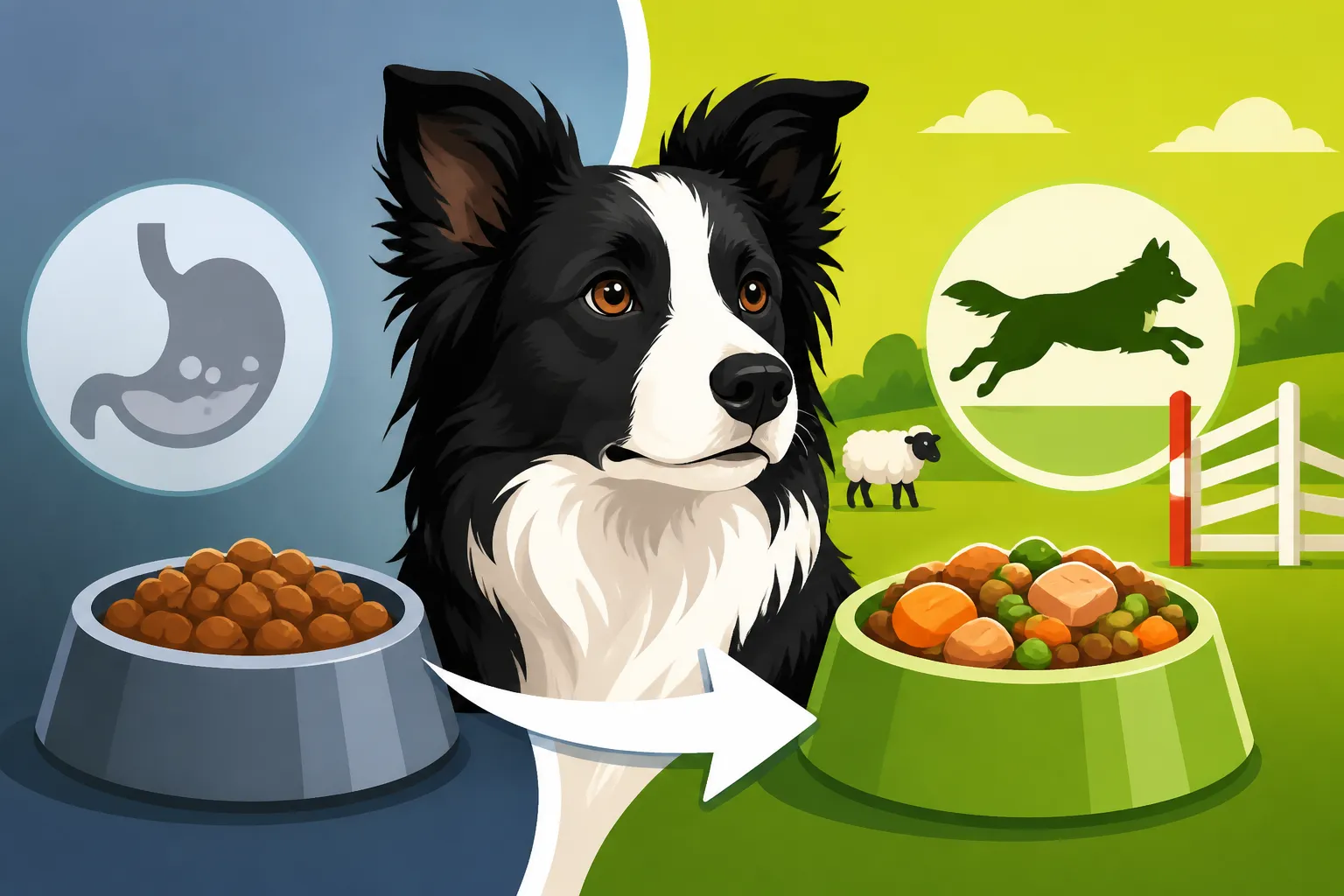
Changing a Border Collie’s Food Before a Trial Season
As a Border Collie owner, you know the shift in seasons often brings a shift in activity. But when that shift means gearing up for a trial season, the stakes feel a lot higher than just a casual increase in walks. Suddenly, your dog's food isn't just fuel; it's a strategic component of their performance, recovery, and overall well-being. This guide is all about navigating the journey of adjusting your Border Collie's diet to meet the intense demands of competition, ensuring they are primed for peak performance and maintain their health throughout.
Why Adjust Your Border Collie's Diet for Trial Season?
The trial season isn't just about showing up and running. It's months of training, traveling, intense bursts of focus, and incredible physical exertion. Your Border Collie isn't just a pet; they're an athlete, and their diet needs to reflect that. The food that might keep them healthy and happy during the off-season or as a casual companion often won't cut it when they're pushing their physical and mental limits.
Meeting Intense Energy Demands
Think about the sheer amount of energy a Border Collie expends during a trial. Whether it's herding sheep across acres, flying through an agility course, or making rapid-fire decisions in a fast-paced sport, they're burning through calories at an incredible rate. Their daily maintenance diet might be perfect for keeping them lean and fit during slower periods, but a trial weekend can easily double or even triple their caloric needs.
If you don't adjust their food, you're essentially asking them to run on fumes. This can lead to decreased performance, slower recovery times, and even muscle mass loss over time. It's not just about more calories, though; it's about quality calories. They need a diet rich in easily digestible energy sources that provide sustained release, not just a quick sugar rush. We're talking about fueling a high-performance engine, not just topping up a gas tank. Understanding The Calorie Load a Working Border Collie Burns is crucial here; it’s often far more than pet owners realize.
Supporting Stress and Gut Health
Trial environments are exciting, yes, but they can also be incredibly stressful for some dogs. New places, strange dogs, unfamiliar handlers, and the sheer mental pressure of performing can all take a toll. Stress, even the good kind, can impact a dog's digestive system, leading to issues like loose stools, appetite loss, or even vomiting.
A consistent, high-quality diet specifically formulated for performance can help buffer some of these effects. Foods with prebiotics and probiotics can support a healthy gut microbiome, which is vital for nutrient absorption and overall immune function. When a dog's gut is healthy, they're better equipped to handle stress, absorb essential nutrients, and recover more quickly. It's not just about preventing stomach upset; it's about building resilience from the inside out. Some owners find that during stressful times, a slightly different protein source or a more easily digestible formula can make a significant difference.
Optimizing for Performance and Recovery
Beyond just providing energy, a trial season diet is about optimizing every aspect of your Border Collie's physical output and subsequent repair. This means paying close attention to macronutrient ratios – the balance of protein, fats, and carbohydrates. Protein is essential for muscle repair and growth, especially after intense exertion. Fats provide a dense, sustained energy source crucial for endurance, while carbohydrates offer readily available fuel for quick bursts and mental focus.
Consider the wear and tear on joints and soft tissues. A performance diet might include specific ingredients like omega-3 fatty acids for their anti-inflammatory properties, or natural sources of glucosamine and chondroitin for joint support. When your dog is working hard, they're not just burning energy; they're breaking down and rebuilding their body. Their food needs to be the building blocks for optimal recovery, minimizing soreness and preparing them for the next training session or trial run. Proper nutrition during this period can literally shave minutes off recovery time and keep them sound for longer, potentially helping avoid Sport Injuries a Border Collie Picks Up.
How to Successfully Transition Your Border Collie's Food
Making dietary changes can sometimes feel like walking a tightrope. You want to provide the best nutrition, but you also want to avoid upsetting your dog's stomach, especially when trials are on the horizon. The key is planning, patience, and careful observation.
The Golden Rule: Gradual Introduction
Rushing a food change is a recipe for disaster. Introducing a new food too quickly can lead to digestive upset, including diarrhea, vomiting, or gas. This is not only uncomfortable for your dog but also counterproductive to trial preparation. The golden rule is always a gradual transition, typically over 7 to 10 days, sometimes even longer for very sensitive dogs.
Here’s a general guideline for a gradual transition:
| Day | Old Food Percentage | New Food Percentage | Notes |
|---|---|---|---|
| Day 1-2 | 75% | 25% | Introduce a small amount of new food, mix thoroughly. |
| Day 3-4 | 50% | 50% | Increase the new food; watch for any signs of digestive upset. |
| Day 5-6 | 25% | 75% | New food is now the dominant portion. |
| Day 7+ | 0% | 100% | If all goes well, transition to 100% new food. Continue monitoring. |
For some dogs, particularly those with sensitive stomachs, you might need to extend each step by a few days. If you notice any issues, go back a step and hold there for a longer period until their system adjusts. Remember, consistency is key, even when transitioning. Keep meal times regular and avoid adding too many other new things to their routine. Brands available on platforms like Chewy offer a wide variety of performance foods, making it easier to find one that suits your dog's needs and initiate this transition.
Monitoring for Digestive Upset
During the transition, become a detective of your dog's digestive health. Every bowel movement, every burp, every slight change in appetite tells a story. Look out for:
- Loose stools or diarrhea: This is the most common sign of a hurried transition or an incompatibility with the new food.
- Vomiting: A more severe sign, indicating their stomach is truly struggling to process the new diet.
- Excessive gas: More than usual flatulence can be a sign their gut isn't happy.
- Reduced appetite: Some dogs might turn their nose up at the new food if it's introduced too quickly or they're experiencing discomfort.
- Changes in energy levels or behavior: While less direct, a discomforted dog might be more lethargic or restless.
If you observe any of these signs, don't panic. Simply revert to the previous step in your transition schedule and hold there for a few extra days until their system settles. If the issues persist even with a slow transition, the new food might not be a good fit, and you may need to try a different formula or consult with your vet. Sometimes, for very sensitive dogs, exploring fresh food options from companies like Ollie can provide a more digestible and palatable solution.
Timing Your Switch for Success
The absolute worst time to change your Border Collie's food is right before a major trial or event. Imagine your dog, ready to perform, but battling an upset stomach or low energy because of a sudden diet shift. It's a disaster waiting to happen.
Plan your food transition well in advance of the trial season. Ideally, you want to complete the full transition to the new food at least 3-4 weeks before the first competition. This gives your dog's system ample time to adjust, for their gut microbiome to stabilize, and for you to gauge their energy levels and overall performance on the new diet. This also allows you to make any minor adjustments to quantity or even switch to a different food altogether if the first choice doesn't prove suitable. Think of it as a pre-season training camp for their digestive system. This foresight ensures your dog is at their absolute best when it truly counts, rather than dealing with the distraction of digestive issues. Remember to consider Feeding a Border Collie on Trial Weekends as a separate but related challenge.
Key Nutritional Considerations for Trial Food
Choosing the right food isn't just about reading the label; it's about understanding what those ingredients do for your Border Collie's body. For a high-performance athlete like a Border Collie, certain nutritional elements become paramount.
Protein for Power and Repair
Protein is the cornerstone of muscle development, repair, and overall body function. For a Border Collie in trial season, who is constantly using and rebuilding muscle tissue, high-quality protein is non-negotiable. Look for foods where a named meat source (e.g., chicken meal, lamb meal, salmon) is among the first few ingredients.
The percentage of protein in a performance food will typically be higher than in a maintenance diet, often in the range of 25-35% or even higher for very active dogs. However, quantity isn't everything; digestibility and amino acid profile are equally important. Easily digestible proteins ensure your dog can efficiently absorb the necessary amino acids for muscle repair after intense work. Consider foods that offer multiple protein sources for a broader amino acid spectrum. Remember that Protein a Border Collie Needs to Hold Muscle is directly related to their work output, so choose wisely. A varied diet found on platforms like Amazon, offering different protein sources, could be beneficial.
Fats for Fuel and Endurance
While often misunderstood, healthy fats are incredibly important for working dogs. They provide a dense, sustained source of energy, crucial for endurance events and long days of training or trialing. Fat contains more than twice the calories per gram compared to protein or carbohydrates, making it an efficient fuel.
Look for foods with a fat content typically ranging from 15-25% for performance dogs. The type of fat matters, too. Omega-3 fatty acids, found in ingredients like fish oil or flaxseed, are particularly beneficial for their anti-inflammatory properties, which can aid in recovery and joint health. These fats help keep your Border Collie's coat healthy, too, which is a nice bonus. A good fat profile ensures your dog has the stamina to perform throughout the day without crashing, and helps support recovery.
Carbohydrates for Quick Energy and Brainpower
Carbohydrates often get a bad rap, but for working dogs, they are a vital source of readily available energy. They fuel intense bursts of activity and, importantly, support brain function. A Border Collie needs quick thinking and focus during a trial, and carbohydrates play a role in maintaining those cognitive functions.
The ideal carbohydrate sources for a working dog are complex carbohydrates like sweet potatoes, brown rice, barley, or oats. These provide a sustained release of glucose, preventing sharp energy spikes and crashes. Avoid foods with excessive simple sugars or highly processed fillers, as these can lead to digestive upset and inconsistent energy levels. A balanced carbohydrate profile, typically around 30-45%, ensures your dog has both immediate energy for action and sustained fuel for mental acuity. This also helps in avoiding a sugar crash that can lead to behaviors like Why a Border Collie Collapses Five Minutes In.
Micronutrients and Supplements
Beyond the main macros, don't overlook the importance of vitamins, minerals, and potentially targeted supplements. A high-quality performance dog food should already contain a balanced array of essential micronutrients to support overall health, immune function, and metabolism.
However, during periods of extreme stress or exertion, some Border Collie owners choose to add supplements. Joint support supplements containing glucosamine, chondroitin, and MSM can be beneficial for dogs putting a lot of strain on their joints in sports like agility or herding. Joint Supplements for a Border Collie Doing Agility are a popular choice. Probiotics can further support gut health, especially for dogs prone to stress-induced digestive issues. Omega-3 fatty acid supplements can also be added for their anti-inflammatory benefits. Always consult your veterinarian before adding any supplements to ensure they are appropriate for your dog's specific needs and won't interact negatively with their diet. You can easily find a wide range of these supplements on sites like Chewy or Amazon.
Avoiding Common Feeding Mistakes During Trial Prep
Even with the best intentions, it's easy to fall into traps that can undermine your Border Collie's health and performance during trial season. Being aware of these common pitfalls can help you steer clear of trouble.
Don't Wait Until the Last Minute
This bears repeating because it's arguably the biggest mistake owners make. Waiting until a week before the first trial to change food is like asking a marathon runner to switch to a completely new shoe brand and run 26 miles the next day. It simply doesn't work. Your dog needs time to adapt, not just to the new food itself, but to how their body processes it for energy.
Last-minute changes can lead to digestive upset, reduced energy, and even a picky eater who suddenly decides the new food isn't appealing. This adds unnecessary stress to both you and your Border Collie, right when you both need to be focused on the upcoming competition. Give yourself a buffer of at least 3-4 weeks, ideally more, to complete any dietary changes. This allows you to observe your dog, make adjustments if needed, and ensure they are thriving on the new regimen before the pressure is on. This proactive approach applies to many aspects of Border Collie care, including regular veterinary check-ups and preventing issues before they become emergencies.
Overfeeding vs. Underfeeding: Finding the Balance
It's a delicate balance. On one hand, you don't want to underfeed your working Border Collie and risk them running out of steam or losing condition. On the other hand, overfeeding can lead to unwanted weight gain, which puts extra strain on joints and can actually hinder performance. A heavier dog is a slower dog, and one more prone to injury.
Monitor your Border Collie's body condition closely throughout the trial season. You should be able to easily feel their ribs without seeing them prominently, and they should have a discernible waist when viewed from above. The term "lean and mean" really applies here. Adjust their food quantity based on their activity levels. On intense training days or trial days, they might need more. On lighter days, they might need a bit less. This isn't a static calculation; it's an ongoing assessment. Refer to guidelines for The Body Condition a Sport Border Collie Carries to keep them in prime shape. Always provide plenty of fresh water, especially on hot days, and consider offering water with a bit of broth or electrolytes to encourage drinking during breaks.
Ignoring Individual Needs and Sensitivities
While general guidelines are helpful, every Border Collie is an individual. What works perfectly for one dog might cause issues for another. Some dogs might thrive on a high-protein, grain-free diet, while others might do better with moderate protein and easily digestible grains. Some may have sensitivities to specific ingredients, like chicken or certain fillers.
Pay close attention to your dog's unique response to their food. Are they consistently energetic? Is their coat shiny? Are their stools firm and consistent? If you notice any recurring issues – chronic itchiness, ear infections, persistent soft stools, or low energy – it might indicate a food sensitivity or an imbalance in their diet. Don't be afraid to experiment with different protein sources or formulations, always following the gradual transition rule. Consulting with a veterinary nutritionist can provide invaluable personalized advice for complex cases. For dogs with known sensitivities or those who struggle with traditional kibble, exploring fresh food delivery services like Ollie, which often use limited, human-grade ingredients, can be a game-changer. These personalized approaches are important for overall well-being and can even impact How Long a Border Collie Lives.
Disclaimer
This article is for general informational purposes only and does not constitute professional advice. Laws, prices and regulations vary by location and change over time. Consult a qualified professional for guidance on your specific situation.