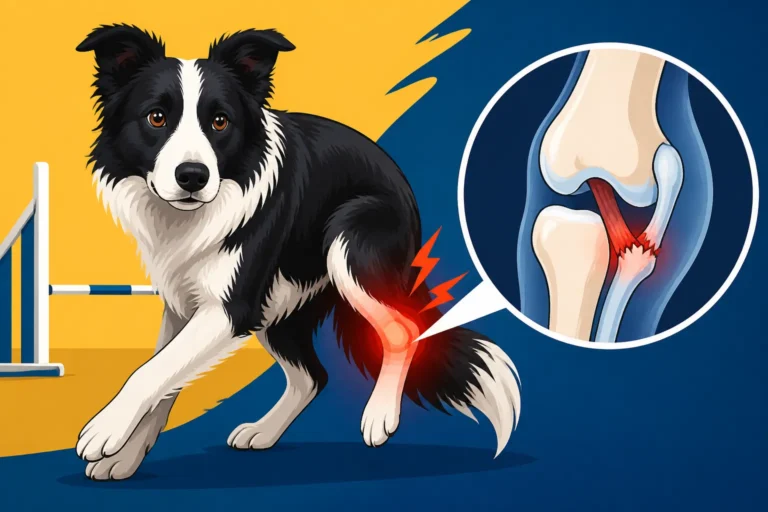
Why a Border Collie Collapses Five Minutes In
There’s little more terrifying than watching your incredibly fit, driven Border Collie suddenly go from full throttle to wobbly, disoriented, and collapsed, sometimes just a few minutes into an activity they love. It's a bewildering and heartbreaking experience that leaves many owners frantically searching for answers. This comprehensive guide will delve into why some Border Collies experience this rapid onset collapse, what distinguishes it from other issues, and how you can manage and support your athletic companion.
Understanding Border Collie Collapse: What It Is and Isn't
Border Collie Collapse (BCC), sometimes referred to as 'exercised-induced collapse' or 'stress-induced collapse,' is a neurological disorder that specifically affects Border Collies, though similar conditions exist in other breeds. It’s a genetic condition, and what makes it particularly frustrating is its sudden onset during intense exercise or heightened excitement. Owners often report their dogs seemingly 'hitting a wall' after a very short period of activity.
The Sudden Onset of Symptoms
Imagine your dog, a picture of health and boundless energy, engaged in a spirited game of fetch or navigating an agility course. They're focused, agile, and totally in their element. Then, seemingly out of nowhere, their gait changes. One moment they're running full tilt, the next their hind legs start to waver, perhaps even dragging a little. Their coordination quickly deteriorates, they might stagger, and within a minute or two, they could be down, unable to get up. This isn't just fatigue; it's a dramatic neurological event. You might also notice a glazed look in their eyes, confusion, or even a vacant stare as if they're not fully present. This rapid progression is one of the hallmarks of a true BCC episode.
This sudden switch from high-functioning to incapacitated is what makes BCC so alarming for owners. It's not a gradual slowing down, which you might expect from a dog that's simply over-exerted. Instead, it's an abrupt system shutdown, often occurring after only five to fifteen minutes of intense, sustained activity. For a breed known for its stamina and drive, this can be incredibly confusing and distressing for both the dog and their human companion. It's vital to recognize these signs quickly to prevent further stress or injury to your dog. For a more detailed look at what these episodes entail, you can read about What a Border Collie Collapse Episode Looks Like.
The Genetic Basis of Border Collie Collapse
Research has strongly pointed to a genetic component for Border Collie Collapse. It's not something that develops due to poor conditioning or training, though these can certainly exacerbate episodes in an affected dog. The condition is inherited in an autosomal recessive manner, meaning a dog must inherit two copies of the defective gene (one from each parent) to be affected. Dogs with only one copy are considered carriers and typically show no symptoms themselves but can pass the gene on to their offspring.
This genetic predisposition means that even the most meticulously cared-for and well-conditioned Border Collie can be susceptible if they carry the specific gene mutation. Breeders committed to the health of the Border Collie line often perform genetic testing on their breeding stock to identify carriers and affected dogs, aiming to reduce the prevalence of BCC. If you're considering a Border Collie puppy, asking about parental health clearances and genetic testing, including for BCC, is incredibly important. Understanding Whether Border Collie Collapse Runs in Families is a key step for any responsible owner or breeder.
Identifying the Triggers: Why It Happens So Quickly
The "five minutes in" phenomenon is a critical aspect of Border Collie Collapse. Unlike heatstroke or generalized fatigue, which typically require sustained, longer periods of exertion, BCC often manifests very early in an activity, especially if that activity involves a high level of excitement or specific types of movement.
High-Intensity, Repetitive Exercise
One of the most common triggers for BCC is high-intensity, repetitive exercise that also involves a high degree of mental stimulation or 'drive.' Think about activities like prolonged sessions of fetching a ball or disc, intense agility training, or demanding herding work. These aren't just physically taxing; they engage a Border Collie's strong prey drive and inherent desire to work, leading to intense focus and excitement.
A dog might be running flat out, turning sharply, leaping, and quickly stopping – actions that demand explosive power and fine motor control. It's during these bursts, especially when they're repeated without adequate rest, that the neurological system of an affected dog seems to overload. The body, rather than just tiring, enters a state where it can no longer coordinate muscle movement effectively. Owners often describe the frustration of their dog collapsing just when they're "getting into the groove" of a game or a training session, highlighting the rapid onset that gives BCC its name. This immediate reaction is distinct from other conditions and you can learn more about How Soon After Starting Work a Border Collie Collapses.
Environmental and Emotional Stressors
While physical exertion is a primary trigger, it’s not the only factor. Environmental stressors and emotional excitement also play a significant role in precipitating a BCC episode, even if the physical demands are not exceptionally high. A Border Collie's intense focus and high arousal levels, which make them such exceptional working dogs, can ironically also be their downfall when dealing with BCC.
For instance, a dog might collapse at a dog trial or competition even if they haven't had a particularly long run, simply due to the sheer excitement, the pressure of the environment, and the mental exertion of focusing on commands. Being in a new place, encountering unfamiliar dogs or people, or even just the anticipation of work can ramp up a Border Collie's nervous system. The combination of intense focus, high drive, and the release of stress hormones can push an affected dog over the edge, leading to a collapse. This aspect is crucial for understanding Excitement as a Trigger for Border Collie Collapse and managing an affected dog's activities.
Distinguishing BCC From Other Conditions
Because a collapsing dog is a serious concern, it's absolutely vital to differentiate Border Collie Collapse from other conditions that might present similarly. While the outward signs of weakness or collapse might look alike, the underlying causes and appropriate treatments are vastly different. Consulting with a veterinarian who is familiar with Border Collie Collapse is crucial for an accurate diagnosis.
Ruling Out Heatstroke
One of the most common mistaken diagnoses for BCC is heatstroke. It's a natural assumption, especially if your dog has been exercising on a warm day. However, there are key differences. Dogs with heatstroke will often have excessively high body temperatures (typically over 105°F or 40.5°C), profuse panting, bright red gums, and can display vomiting or diarrhea. Their collapse is due to systemic overheating, which damages organs.
In contrast, Border Collies experiencing BCC typically have normal or only mildly elevated body temperatures immediately after an episode. While they might be hot from exercise, their collapse isn't caused by overheating, and their body temperature will usually normalize quickly with rest. Furthermore, the characteristic wobbling gait and muscle incoordination seen in BCC are not primary signs of heatstroke. Understanding Why Overheating Does Not Explain Border Collie Collapse is vital for proper identification.
Differentiating from Seizures
Another condition that can sometimes be confused with BCC is a seizure. While both involve a sudden loss of control and can be frightening to witness, the presentation is quite different. A generalized (grand mal) seizure involves uncontrollable muscle twitching, paddling of limbs, drooling, and often a loss of consciousness, sometimes accompanied by urination or defecation. The dog is typically unresponsive during the event.
With BCC, while the dog is disoriented and may appear dazed, they usually remain conscious and aware of their surroundings, even if they can't respond or move normally. The collapse is characterized by muscle weakness and incoordination rather than convulsive activity. After a BCC episode, the dog usually recovers fairly quickly (within minutes to about half an hour) and returns to normal, whereas a seizure is followed by a post-ictal phase of confusion, disorientation, or even temporary blindness that can last for hours. To be clear on the distinctions, review Telling Border Collie Collapse From a Seizure.
Hypoglycemia and Other Metabolic Issues
Metabolic issues like hypoglycemia (low blood sugar) can also cause weakness, disorientation, and collapse, especially in working dogs or those with certain health conditions. Dogs experiencing hypoglycemia might appear lethargic, weak, shaky, or even have seizures. These symptoms typically improve rapidly with the administration of sugar.
However, blood tests taken during or immediately after a BCC episode rarely show significantly low blood sugar levels. While it's always wise to rule out metabolic causes, particularly if your dog hasn't eaten recently or has underlying health concerns, BCC is not primarily a metabolic disorder. For a more in-depth discussion on diagnostic possibilities, consider exploring Blood Sugar and Electrolytes in Border Collie Collapse. A veterinary work-up is essential to rule out these other serious conditions and ensure you're addressing the correct problem. Many owners find that pet insurance, such as through Healthy Paws, can be a lifesaver when investigating complex conditions like BCC, covering diagnostic tests and specialist consultations.
Here’s a quick comparison table to help visualize the differences:
| Feature | Border Collie Collapse (BCC) | Heatstroke | Seizure (Generalized) | Hypoglycemia |
|---|---|---|---|---|
| Onset | Sudden, after 5-15 min intense exercise/excitement | Gradual to rapid, with prolonged heat exposure | Sudden | Gradual to rapid, often tied to meal/exercise |
| Primary Symptom | Incoordination, wobbly gait, hind end weakness, collapse | Excessive panting, high body temp, bright red gums, vomiting | Uncontrolled muscle twitching, paddling, drooling, loss of consciousness | Weakness, lethargy, tremors, disorientation |
| Consciousness | Usually conscious but disoriented | Can be conscious or lose consciousness | Lost during episode | Conscious but can be confused/unresponsive |
| Body Temperature | Normal to mildly elevated | Significantly elevated (>105°F) | Can be elevated slightly post-seizure | Normal to low |
| Recovery Time | 5-30 minutes, often complete | Can be prolonged, often requires vet intervention | Minutes to hours (post-ictal phase) | Rapid with sugar administration |
| Triggers | Intense, repetitive exercise, high excitement | High ambient temps, prolonged exercise in heat | Epilepsy, brain injury, toxins | Diabetes, strenuous exercise without food |
| Genetic Link | Yes | No | Sometimes (e.g., idiopathic epilepsy) | No |
Immediate Actions and Management During an Episode
Witnessing your Border Collie collapse is incredibly frightening, but knowing what to do immediately can significantly help your dog and prevent further distress or injury. Your primary goal is to keep them safe and facilitate their recovery.
Stopping Activity and Providing Rest
The very first thing you need to do is stop the activity immediately. If you're on a trail, at a trial, or in your yard, cease whatever your dog is doing and guide them to a cool, quiet, and safe spot. Do not try to force them to stand or walk if they are struggling. Gently support them if needed and help them lie down comfortably.
The most effective "treatment" for a BCC episode is rest. Within minutes, you should start to see signs of recovery, with your dog gradually regaining coordination and strength. Keep them calm and speak to them in a reassuring voice. Avoid adding to their stress or excitement. This period of quiet recovery is crucial, and it’s often surprising how quickly they bounce back once the triggering activity is removed. You can anticipate How Long a Border Collie Takes to Come Right Again with proper immediate care.
Cooling and Hydration Support
Even though BCC isn't primarily heatstroke, an exercising dog will naturally be warm. Providing gentle cooling can make them more comfortable and aid in recovery. Move them to a shaded area, or bring them indoors to an air-conditioned space. You can offer cool, fresh water, but don't force them to drink, especially if they are still disoriented, as they could aspirate it.
Lightly wetting their paws, belly, or ears with cool (not ice-cold) water can also help, but again, avoid overdoing it, as rapid cooling isn't the primary need here. The focus is on comfort and gradual return to normal body temperature, not an emergency cool-down as with severe heatstroke. The goal is simply to make their recovery environment as conducive as possible to a swift return to normal function.
Living with Border Collie Collapse: Long-Term Strategies
A diagnosis of Border Collie Collapse doesn't mean your dog can't live a full, happy life, but it does mean you'll need to adapt how you manage their exercise and daily routine. With careful planning, many affected dogs can continue to enjoy activities they love, albeit with modifications.
Modifying Exercise Routines
The key to managing BCC long-term is to identify and avoid the specific triggers that lead to collapse. This often means adjusting the intensity, duration, and type of exercise your Border Collie engages in. Instead of one long, high-intensity fetch session, try breaking it up into shorter, less intense bursts with plenty of rest in between. Focus on quality over quantity.
For example, if repetitive retrieving is a trigger, try switching to scent work, puzzle games, or slower-paced obedience training that still engages their brilliant mind without pushing their physical limits. Consider activities that allow them to use their natural herding instincts in a controlled, low-stress environment. For a dog that loves to chase, a flirt pole might be a good alternative, allowing for bursts of speed without the sustained, high-arousal repetition of ball throwing. Even if a Border Collie is affected, it is possible to consider Keeping a Border Collie With BCC in Work with appropriate modifications.
Genetic Testing and Breeding Considerations
If your Border Collie has been diagnosed with BCC, or if you are considering breeding your dog, genetic testing is paramount. There are DNA tests available that can identify whether a dog is clear, a carrier, or affected by the BCC gene. This information is invaluable for responsible breeding practices, as it allows breeders to make informed decisions to avoid producing affected puppies.
For pet owners, knowing your dog's BCC status can confirm the diagnosis and provide peace of mind that you're managing the correct condition. It also means you can inform potential owners if you were to breed, ensuring they understand the genetic risks. For breeders, testing is crucial to help eradicate the condition from the breed. Organizations like the Orthopedic Foundation for Animals (OFA) often list labs that offer these genetic screenings, making it easier for owners and breeders to access reliable testing. You can explore The Border Collie Genetic Panel and What It Screens for more details on available tests.
Veterinary Support and Monitoring
Regular veterinary check-ups are essential for any Border Collie, but especially for one diagnosed with BCC. Your vet can help you create a personalized management plan, discuss appropriate exercise limits, and address any other health concerns. While there isn't a specific medication to "cure" BCC, your vet can help rule out other conditions that might have similar symptoms and ensure your dog's overall health is optimized.
It's also wise to inform your vet about any insurance policies you might have, like those from Healthy Paws, as early diagnosis and consistent management of chronic conditions can involve ongoing costs. Keeping detailed records of your dog's episodes—what they were doing, how long it lasted, recovery time, etc.—can provide valuable information for your vet to monitor the condition and make adjustments to your management strategy. Don't hesitate to seek advice from a veterinary neurologist if your regular vet is less familiar with the specifics of Border Collie Collapse.
Prognosis and Prevention
Understanding the long-term outlook for a Border Collie with BCC and implementing preventive measures are key to ensuring a good quality of life for your companion. While there's no magic bullet, proactive steps can make a significant difference.
Long-Term Outlook for Affected Dogs
The good news is that Border Collie Collapse is generally not a life-threatening condition in itself, provided that owners manage their dog's activity appropriately. Most dogs recover fully from an episode within minutes to an hour, and there are no known long-term neurological deficits or progressive worsening of the condition if triggers are avoided. The main risk during an episode comes from potential injuries if the dog collapses in a dangerous location or from secondary issues like overheating if mistaken for heatstroke and not managed correctly.
With careful management, affected Border Collies can lead happy, active lives. It often means a shift in perspective for owners, moving from pushing their dog to its physical limits to focusing on mental enrichment and controlled physical activity. The goal is to keep them engaged and fit without triggering an episode. This requires a deep understanding of your individual dog's limits and triggers.
Preventive Measures for Owners and Breeders
For current owners of Border Collies, the most crucial preventive measure is awareness and responsible management of exercise and excitement levels. Learn your dog's specific triggers and be diligent about avoiding them. This might mean:
- Shorter, varied exercise sessions: Break up long playtimes into several shorter ones.
- Incorporating rest: Build mandatory rest periods into any active session.
- Mental stimulation: Prioritize puzzle toys, scent games, and trick training to tire their mind without over-exerting their body.
- Managing arousal: Work on impulse control and teaching your dog to settle, especially in exciting environments.
- Awareness of environmental factors: Avoid intense exercise during the hottest parts of the day or in overly stimulating environments.
For prospective Border Collie owners, seeking out reputable breeders who prioritize health testing is paramount. A responsible breeder will be transparent about their dogs' genetic test results, including those for BCC. They should be able to provide documentation showing that their breeding stock is clear of the BCC gene, or at least that one parent is clear to ensure no affected puppies are produced. This due diligence can save you and your future companion from the heartache of managing this challenging condition. Remember, even with the best intentions, unexpected health issues can arise, which is why pet insurance, like policies offered by Healthy Paws, can provide crucial financial support for diagnostics and care.
By understanding BCC, recognizing its triggers, and implementing thoughtful management strategies, you can ensure your Border Collie, even if affected, enjoys a fulfilling and healthy life.
Disclaimer
The information provided in this article is for general informational purposes only and is not a substitute for professional veterinary advice. Always consult with a qualified veterinarian for any health concerns or before making any decisions related to your pet's health and treatment.