The Height and Weight a Border Collie Standard Sets
Many prospective Border Collie owners find themselves scratching their heads when they see the sheer variety in size and build within the breed. It's easy to get confused about what's considered "right" or "typical" when one Border Collie looks so compact and another quite leggy. This guide will help demystify the official breed standards for height and weight, delving into what these measurements truly signify for your Border Collie's well-being, structure, and ability to thrive.
Understanding "Breed Standard" for Border Collies
When we talk about a "breed standard," it's easy to picture a rigid mold that every dog must fit into. But with a breed as diverse and historically working-focused as the Border Collie, it’s a little more nuanced. These standards aren't just about pretty looks; they often reflect the functional ideals that allowed the breed to excel at its job.
Why Standards Exist in the First Place
Historically, the Border Collie emerged from the Anglo-Scottish border region, bred purely for its working ability with sheep. Early breeders and handlers weren't concerned with how a dog looked, only how effectively it could gather, drive, and control livestock. The International Sheep Dog Society (ISDS), founded in 1906, was established to preserve and promote these working qualities, focusing on merit and lineage rather than physical appearance. Their idea of a "standard" was about performance, not conformation.
However, as the breed gained popularity globally, various kennel clubs, like the American Kennel Club (AKC) and the Kennel Club in the UK, began to formalize physical standards. These standards typically describe an ideal range for physical traits like height, weight, coat type, and color. The goal of these standards is to provide a blueprint for breeders aiming to produce dogs that are not only sound and healthy but also aesthetically consistent within the breed. For a Border Collie owner, understanding these standards can offer insight into the general physical characteristics expected, though it's crucial to remember that working lines may naturally exhibit more variation, prioritizing function over strict aesthetics.
The Difference Between Working and Show Standards
Here's where it gets interesting with Border Collies. You essentially have two main "standards" at play: the working standard, championed by organizations like the ABCA (American Border Collie Association), and the conformation or show standard, upheld by the AKC. The ABCA explicitly states its purpose is to "promote the health and welfare of the Border Collie and preserve its working stockdog heritage." This means their "standard" is largely about ability and instinct. They are very much against registering Border Collies with conformation titles because they believe it detracts from the breed's true purpose.
In contrast, the AKC, after much debate and controversy, officially recognized the Border Collie in 1995. Their standard, like those for other breeds, includes detailed descriptions of physical attributes. This often leads to a "show-bred" Border Collie that might have a slightly different look or build compared to a "working-bred" dog. While a show dog is still expected to be athletic and capable, the emphasis shifts to symmetry, proportion, and specific physical traits. It's a fundamental difference in philosophy, with one prioritizing the dog's job above all else, and the other seeking a consistent, recognizable physical type. For more on this, check out What the AKC Standard Says a Border Collie Is. Both types can be wonderful companions, but it's important to understand these distinctions when you're looking at a dog's pedigree or discussing its ideal build.
Official Height Guidelines for the Border Collie
When you bring a Border Collie into your life, whether for work, sport, or companionship, you'll find they are built for agility, endurance, and speed. Their height plays a significant role in their overall athleticism and how they navigate the world, whether it's weaving through obstacles on an agility course or making quick turns around a flock of sheep.
Male Border Collie Height Standards
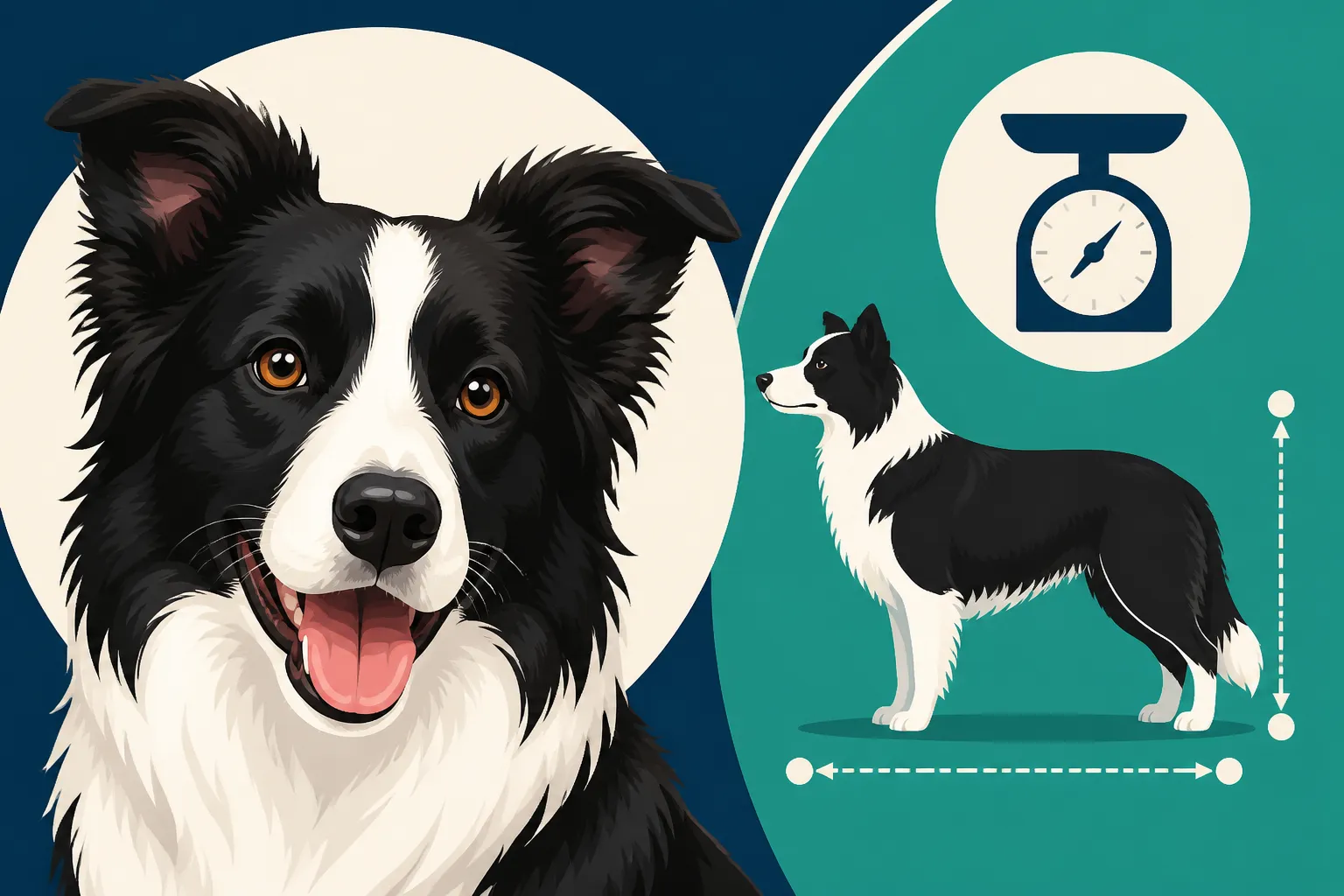
According to the AKC breed standard, the ideal height for a mature male Border Collie is generally between 19 and 22 inches (approximately 48 to 56 centimeters) at the shoulder, also known as the withers. This range allows for a versatile and athletic dog, capable of covering varied terrain with ease. A dog within this height range typically possesses the necessary leg length for swift movement and good ground coverage, without being so tall that it compromises its ability to crouch and stalk stock effectively.
While minor deviations from this range aren't necessarily problematic for a pet, extreme variations can sometimes impact a dog's overall soundness and long-term health. For instance, an unusually tall dog might be more prone to certain joint stresses, while a much smaller one might struggle with the sheer physical demands of extensive work or sport. Breeders carefully consider height as part of selecting breeding pairs to maintain the breed's functional build. When considering a puppy, it's always wise to look at the parents' build and health history, especially regarding joint health. You can learn more about related health considerations in Hip and Elbow Scores in a Border Collie.
Female Border Collie Height Standards
Female Border Collies typically fall into a slightly smaller height range than their male counterparts. The AKC standard usually cites an ideal height of 18 to 21 inches (approximately 46 to 53 centimeters) at the withers for females. This difference is common across many breeds, where females are generally more refined and slightly smaller in stature. Despite being a bit shorter, female Border Collies are expected to possess the same athletic build, keen intelligence, and intense drive as the males.
The importance of appropriate bone structure relative to height cannot be overstated for females. A well-proportioned female will move fluidly and efficiently, whether she's performing intricate obedience routines or helping to move a large flock. For those involved in dog sports like agility, a dog's height can be a factor in jump heights, though judges prioritize soundness and execution over a dog's exact stature within the standard. Ultimately, a healthy, well-structured female Border Collie, even if at the upper or lower end of the standard, should be able to perform her tasks with vigor and grace.
Official Weight Guidelines for the Border Collie
Unlike height, which tends to be a more fixed measurement, weight is much more dynamic and can fluctuate based on muscle mass, diet, activity level, and even hydration. For Border Collies, weight isn't about hitting a precise number, but rather achieving an ideal body condition that supports their incredibly active lifestyle.
Ideal Weight for a Male Border Collie
For male Border Collies, the ideal weight often falls within a range of 30 to 45 pounds (approximately 14 to 20 kilograms). However, it's crucial to understand that this is a broad guideline. A highly muscled working Border Collie will naturally weigh more than a pet Border Collie of the same height who gets less intense exercise, even if both are perfectly healthy. What's more important than the exact number on the scale is the dog's body condition score. You should be able to easily feel your Border Collie's ribs without seeing them protruding sharply, and they should have a visible waist tuck when viewed from above.
Being within this healthy weight range ensures that the dog isn't carrying excess weight that could strain its joints or cause other health issues. Conversely, being too thin can indicate inadequate nutrition, insufficient muscle mass for their activity level, or an underlying health problem. Regular assessment of their body condition, along with a balanced diet, is far more indicative of a healthy weight than adhering strictly to a numerical value. We'll talk more about how to keep your Border Collie in tip-top shape, but for now, remember that a lean, fit physique is the goal. Keeping a Border Collie Lean Enough to Work has some great advice on managing their diet and activity.
Ideal Weight for a Female Border Collie
Female Border Collies, generally being slightly smaller in stature, will also have a proportionally lower ideal weight range, often between 25 and 40 pounds (approximately 11 to 18 kilograms). Just like with males, this range is flexible, and the emphasis remains on optimal body condition rather than a rigid number. A fit female Border Collie should have a noticeable tuck-up at her waist, and you should be able to feel her ribs with minimal pressure, much like feeling the back of your hand.
Maintaining this ideal body condition is vital for a female Border Collie, especially given their high energy levels and metabolism. It ensures they can run, jump, and turn without undue stress on their joints and internal organs. Overweight females can face a myriad of health problems, including increased risk of joint issues and heat intolerance, while underweight dogs may lack the stamina needed for their inherent drive. Regular exercise and a high-quality diet are paramount. You can find many suitable performance foods on platforms like Chewy that cater to the energetic needs of these dogs. Monitoring The Body Condition a Sport Border Collie Carries is a key skill for any Border Collie owner.
Factors Influencing a Border Collie's Size Beyond the Standard
While breed standards provide a general blueprint, it's important to remember that individual Border Collies can vary. Several key factors contribute to a dog's final size, extending beyond just the lines on a measurement chart. Understanding these can give you a more complete picture of your own dog's unique development.
Genetics and Lineage
The most significant factor influencing a Border Collie's ultimate size is its genetic heritage. Just like in humans, puppies inherit traits from both their parents, and even from their grandparents. A puppy from two parents on the larger end of the standard is more likely to be larger itself, while offspring from smaller parents will typically trend smaller. Breeders make deliberate choices about which dogs to breed, often considering not just working ability but also physical conformation, soundness, and overall health. Some lines might be known for producing a slightly heavier bone structure, while others are praised for a more refined, lighter build, perhaps favored in certain agility circles.
This genetic blueprint extends beyond just height and weight; it also influences bone density, muscle mass potential, and even aspects of their physical structure that impact their movement and agility. Reputable breeders often provide information on the lineage and health testing of their breeding dogs, which can offer clues about the potential size and health of a puppy. Asking about the parents' height and weight, and their health clearances, is a great starting point. Which DNA Tests a Border Collie Breeder Should Have Run can help you understand the importance of genetic screening in responsible breeding.
Nutrition and Growth
What a Border Collie puppy eats during its critical growth phases has a profound impact on its skeletal development and final adult size. Proper nutrition, rich in balanced proteins, fats, vitamins, and minerals, is essential for healthy bone and muscle growth. Feeding a diet that is too high in calories or protein, particularly in large breed puppies, can sometimes lead to overly rapid growth, which can put stress on developing joints and potentially contribute to issues like hip or elbow dysplasia. Conversely, inadequate nutrition can stunt growth and prevent a puppy from reaching its full genetic potential.
It's a delicate balance. High-quality puppy food specifically formulated for active breeds provides the optimal blend of nutrients. Avoiding free-feeding and sticking to measured meals ensures appropriate caloric intake. Always follow the guidelines provided by your veterinarian and the food manufacturer, adjusting as your puppy grows and its activity levels change. Products available on platforms like Chewy offer a wide range of reputable puppy foods that support healthy development. Remember, steady, consistent growth is healthier than trying to make a puppy grow faster. For detailed feeding advice, see Feeding a Border Collie Puppy Through Fifteen Months.
Exercise and Muscle Development
While exercise won't directly change a Border Collie's genetic height potential, it absolutely influences their weight and overall build through muscle development. Border Collies are naturally athletic and built for sustained activity. Regular, appropriate exercise—especially when they're mature and their growth plates have closed—builds strong, lean muscle mass, which contributes to their weight. A well-conditioned working or sport Border Collie will typically have more muscle and therefore weigh more than a less active pet of the same height, even if both are at a healthy body fat percentage.
It's crucial to tailor exercise to the dog's age and physical condition. Over-exercising a growing puppy can be detrimental to their developing joints, while an adult Border Collie thrives on mental and physical challenges that build strength and stamina. Activities like herding, agility, flyball, or even long, varied walks and hikes with appropriate intervals can build the kind of muscle mass that keeps them fit and healthy. The type and intensity of work truly sculpts their physique. A dog that is constantly moving stock will have a different muscular definition than one who primarily engages in casual walks and yard play. Find out more about appropriate activity levels in Exercise, Work and What Actually Settles a Border Collie.
Why a Border Collie's Size Matters (And When It Doesn't)
While a strict adherence to breed standard measurements might be the focus for show rings, for the average Border Collie owner, the emphasis shifts to what those measurements imply for the dog's health and ability to live a happy, active life. Size isn't just about aesthetics; it has real implications.
Health Implications of Being Under or Over the Standard
A Border Collie that consistently falls far outside the accepted height or weight standard might face specific health challenges. An underweight dog, for instance, may be struggling with inadequate nutrition, which can compromise their immune system, lead to poor muscle development, and reduce their stamina for work or play. Persistent low weight could also be a sign of underlying medical conditions that require veterinary attention.
On the flip side, an overweight Border Collie is at a significantly higher risk for a whole host of problems. Extra weight puts immense strain on their joints, exacerbating conditions like Hip Dysplasia in a Border Collie That Runs All Day or Osteoarthritis in a Border Collie by Eight. It can also lead to heart issues, diabetes, respiratory problems, and reduced heat tolerance, which is especially dangerous for such an active breed. An overweight dog will have less stamina, reduced agility, and overall a diminished quality of life. The goal is always a lean, athletic build that supports their natural vigor, contributing to How Long a Border Collie Lives.
Performance and Functionality
For working Border Collies or those involved in demanding dog sports, size directly impacts their performance and functionality. A dog that is too large or too small for its intended task might be at a disadvantage. For example, in agility, a very tall dog might struggle with tight turns or certain obstacles, while a very small dog might need to work harder to clear standard jump heights. In herding, a dog that is too small might lack the presence to effectively move large, stubborn stock, while an overly heavy dog might lack the necessary speed and agility.
However, it's important to note that within the acceptable ranges of the standard, minor variations are typically not detrimental and often come down to individual preference or the specific demands of the work. Many successful working and sport dogs fall on different ends of the height and weight spectrum but are incredibly effective because of their drive, intelligence, and overall soundness. The key is functional fitness: a dog whose body is perfectly suited to the tasks it performs, whatever its exact measurements. A dog doesn't have to be precisely in the middle of the standard to be a brilliant performer, as long as it's healthy and well-conditioned.
When to Consult a Vet About Your Border Collie's Size
Monitoring your Border Collie's growth and weight is a continuous process. While minor fluctuations are normal, certain signs warrant a conversation with your veterinarian. If your puppy experiences stunted growth, appearing significantly smaller than littermates or dogs of similar age, it's worth investigating. Similarly, rapid, unexplained weight gain or loss in a dog of any age should be promptly addressed. These changes could indicate dietary imbalances, metabolic disorders, or other health concerns.
Regular veterinary check-ups are invaluable for tracking your Border Collie's development. Your vet can accurately assess their body condition score, recommend appropriate feeding strategies, and conduct necessary screenings if concerns arise. They can also offer guidance on appropriate exercise levels for your dog's age and build. Don't hesitate to reach out to your vet if you notice any unusual changes in your dog's size, appetite, energy levels, or gait, as early intervention can make a significant difference in managing potential health issues.
The Takeaway: It's About Health and Function, Not Just Numbers
Ultimately, for most Border Collie owners, the numbers on a breed standard sheet are less important than the living, breathing dog in front of them. These dogs are athletes at heart, and their well-being hinges on much more than just inches and pounds.
Prioritizing Overall Health Over Strict Measurements
When you live with a Border Collie, you quickly learn that their incredible drive, intelligence, and boundless energy are their defining characteristics. A healthy Border Collie is one that is vibrant, full of life, eager to engage, and free from pain. This means prioritizing their overall physical condition, mental stimulation, and emotional well-being above a rigid interpretation of breed standards. Is your dog lean and muscular? Does it move freely and happily? Does it have a bright, clear eye and a healthy coat? These are far better indicators of a healthy dog than whether it's precisely 20 inches tall.
Reputable breeders will also emphasize health and temperament over strict adherence to conformation ideals, especially in working lines. They aim to produce sound, functional dogs that can excel at their purpose and live long, healthy lives. As an owner, your focus should be on providing a balanced diet, regular appropriate exercise, consistent training, and preventative veterinary care. These are the cornerstones of a long and happy life for your Border Collie, regardless of whether they are at the smaller or larger end of the spectrum.
Finding the Right Balance for Your Border Collie
Every Border Collie is an individual, and finding the "right" balance for yours means paying close attention to their specific needs. This involves working closely with your veterinarian to assess their ideal body condition, adjusting their diet as their activity levels change (perhaps switching to a high-performance food from Chewy during trial season, or scaling back in the off-season), and ensuring they get the right kind of physical and mental exercise to keep them in peak form.
The breed standard provides a fantastic guideline, a general expectation for what a Border Collie should look and feel like. But it's not a straitjacket. Celebrate your Border Collie for who they are—a dynamic, intelligent, and incredibly capable companion. As long as they are healthy, happy, and able to do the things they love, their individual height and weight within the reasonable ranges are simply part of their unique charm. Focus on their vigor, their sparkle, and their tireless desire to be with you, and you'll have a truly magnificent Border Collie, whatever the tape measure says.
Disclaimer
This article is for general informational purposes only and does not constitute professional advice. Laws, prices and regulations vary by location and change over time. Consult a qualified professional for guidance on your specific situation.