Whether the AKC Border Collie Is a Different Dog
One of the most common questions I hear from folks looking to bring a Border Collie into their home is about the different registries out there, especially when it comes to the American Kennel Club (AKC). It can be incredibly confusing to navigate whether an "AKC Border Collie" is somehow fundamentally different from the dogs you see working sheep or tearing it up in agility rings. This guide aims to clear up that confusion, diving deep into the history and present reality of Border Collie registration and what it means for the dogs themselves.
The Historical Divide: Working Origins vs. Kennel Club Recognition
To truly understand the nuances of the Border Collie today, we have to go back to its roots. This isn't a breed that was developed in a fancy kennel or bred for specific looks; it was forged on the rugged borders of Scotland and England, purely for its ability to work sheep.
The International Sheep Dog Society (ISDS) and Old Hemp's Legacy
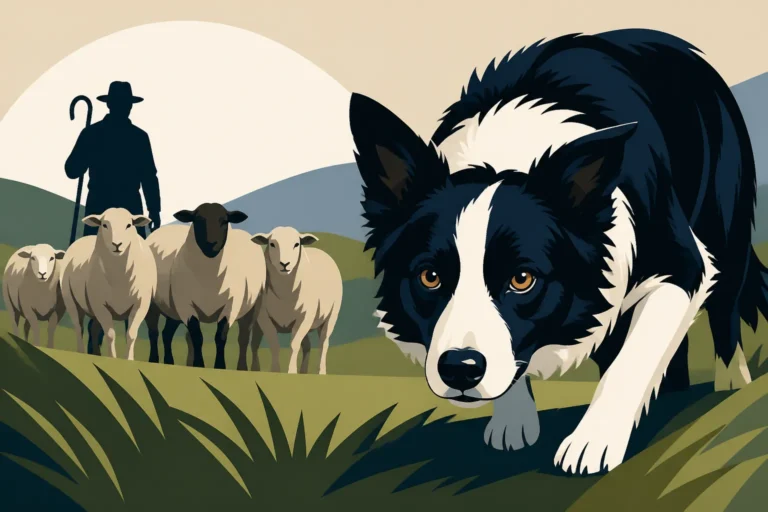
The Border Collie, as we know it, really began to take shape with dogs like Old Hemp, born in 1893. His quiet, intense, and effective style of herding revolutionized the way shepherds managed their flocks. He wasn't bred for color, coat length, or ear set; he was bred because he was exceptional at his job. From his legacy, the International Sheep Dog Society (ISDS) was founded in 1906, establishing a registry system based entirely on working ability. This meant a dog had to prove itself on sheep, either through its own performance or through the performance of its parents, to be registered.
For generations, this was the standard. The ISDS papers weren't about conformation to a physical ideal; they were a testament to a dog's inherent instinct and trainability for herding. If you talk to an old-time shepherd, they'll tell you that the true measure of a Border Collie is in its "eye" and its ability to gather and control stock, not its appearance. This focus on pure working prowess is central to understanding the breed's development and its foundational differences from many other breeds that were developed for aesthetic standards much earlier in their history.
The American Border Collie Association (ABCA) and Preserving Working Traits
When Border Collies began making their way to North America, the same philosophy held true. Shepherds, farmers, and later, dog sports enthusiasts valued these dogs for their unparalleled intelligence and drive. To maintain the integrity of the working Border Collie, the American Border Collie Association (ABCA) was formed. Its mission was, and largely still is, to preserve the traditional working Border Collie, focusing on dogs bred for their herding ability rather than their appearance.
The ABCA's stance on registration is very much in line with the ISDS. They emphasize documented working lineage and performance. This means that breeders registered with the ABCA are typically prioritizing traits like strong herding instinct, biddability, stamina, and sound temperament above all else. For them, a Border Collie isn't just a collection of physical traits; it's a finely tuned working machine. This approach is rooted in the belief that breeding for conformation standards can dilute the very traits that make the Border Collie so special and effective in the field. You'll often hear discussions about The ABCA and Its Working Registry when talking to people passionate about preserving these qualities.
The AKC's Entry into the Border Collie World
For many years, the Border Collie remained a "working breed" in North America, primarily registered with organizations like the ABCA or ISDS, and not recognized by the AKC. This changed in the late 20th century, leading to considerable debate and division within the Border Collie community.
The Decision to Recognize the Breed
The journey for the Border Collie to gain full AKC recognition was a long and contentious one. For decades, the breed was in the AKC's Miscellaneous Class, meaning dogs could compete in certain performance events but not in conformation shows. This changed dramatically in 1995 when the AKC granted full recognition to the Border Collie. This decision was met with a significant backlash from many within the working Border Collie community. They feared that introducing conformation standards would inevitably lead to a decline in the breed's working ability, as breeders would start prioritizing aesthetics over functionality. The 1995 AKC Decision on the Border Collie was a pivotal moment that truly created the "split" some people refer to.
The AKC's argument was that formal recognition would bring increased visibility, health testing, and breed standardization. However, for those who lived and breathed working Border Collies, the idea of judging a dog by how well it fit an arbitrary physical standard, rather than its prowess in the field, felt like a betrayal of the breed's very essence. They saw the potential for a "show dog" Border Collie to emerge, one that might retain the name but lose the heart and soul of its working ancestors.
Conformation vs. Performance: The Different Emphases
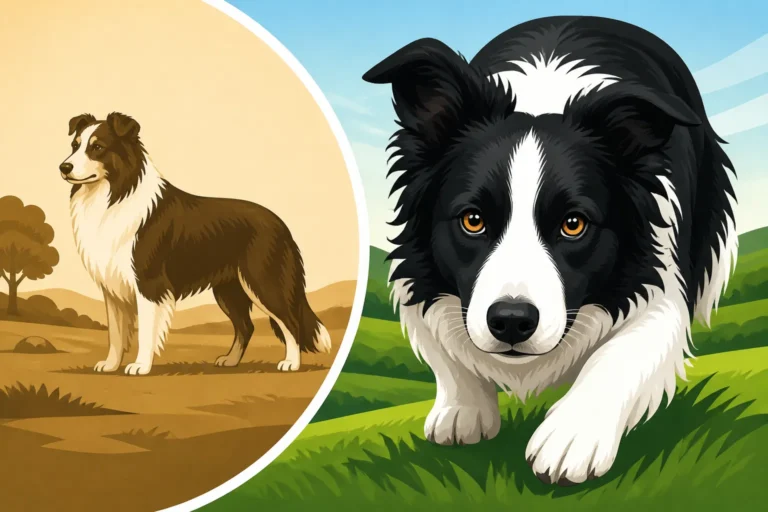
This is where the real divergence can begin. The AKC registers dogs based on pedigree and adherence to a written breed standard that describes physical appearance and temperament. While AKC Border Collies can certainly compete in performance events like obedience, agility, and even herding trials (under AKC rules), the option to pursue conformation showing fundamentally shifts the breeding priorities for some lines. A breeder aiming for a champion in the show ring will naturally select for traits that align with What the AKC Standard Says a Border Collie Is, such as specific coat length, ear set, and body structure, which may or may not perfectly correlate with optimal working ability.
Conversely, a working breeder, often registered with the ABCA or ISDS, is almost exclusively focused on performance. They want dogs with intense "eye," natural gather, flanking ability, and the stamina to work all day. Whether a Working Border Collie Would Win in the Ring is largely irrelevant to them; their focus is on the field. This difference in primary breeding goals is what underlies the idea that "AKC Border Collies" might be different. It’s not that the AKC prevents good working dogs, but it introduces a strong incentive to breed for a look that isn't the primary driver in traditional working lines.
Are They Really Different Dogs? Exploring the Divergence
So, after all that, are they actually different dogs? The answer is nuanced, and it largely depends on the individual dog and, more importantly, the specific breeding program behind it.
Physical and Temperamental Shifts
When breeding priorities shift from purely working ability to include conformation standards, you can start to see subtle differences emerge over generations. For example, some show-bred Border Collies might have heavier bone, more coat, or slightly different body proportions than their working counterparts. The AKC standard, for instance, outlines details like The Height and Weight a Border Collie Standard Sets and The Athletic Build a Border Collie Standard Describes, which can guide breeders toward certain physical types.
Temperamentally, while all Border Collies share an innate intelligence and desire to work, the intensity and focus of that drive can vary. Working line dogs are often bred for an almost obsessive desire to herd, coupled with incredible biddability and resilience. While many AKC-registered Border Collies are also highly driven and excellent performance dogs, some lines might have a slightly softer temperament, or a less pronounced herding instinct, simply because these traits weren't the absolute top priority in their ancestors' breeding selection. It's not about one being "better" than the other, but rather a difference in the emphasis of selection.
Health Considerations and Breeding Practices
Health is another area where discussions often arise. Responsible breeders in both AKC and working lines prioritize health. However, the types of health concerns and the approach to testing can sometimes differ. Working line breeders are often deeply concerned with conditions that impact a dog's ability to work, such as hip and elbow dysplasia, and certain eye conditions. They'll often have a thorough understanding of their lines and the health issues prevalent within them.
For AKC-registered dogs, there's generally a strong emphasis on health clearances, often including hip and elbow evaluations, eye exams, and genetic testing for common breed-specific conditions like Collie Eye Anomaly (CEA) or Trapped Neutrophil Syndrome (TNS). The AKC strongly encourages breeders to conduct these tests. The key takeaway here is that regardless of the registry, you should always Asking a Border Collie Breeder for Test Results and ensure they are transparent about their dogs' health history and screening practices. Some genetic panels are even specific to Border Collies, like The Border Collie Genetic Panel and What It Screens, which breeders committed to health will use.
The "Split" and Its Impact on Owners
The "split" in the Border Collie world between working lines (often ABCA/ISDS registered) and show lines (often AKC registered) has a direct impact on prospective owners. If you're looking for a dog that genuinely has the potential to work livestock, or excel in high-level competitive dog sports like advanced agility or obedience, you'll generally find more consistent results by seeking out breeders who prioritize working ability and register with organizations like the ABCA. These breeders are selecting for those specific traits.
On the other hand, if you're seeking a companion dog that will be a fantastic family pet, and you love the look and intelligence of the Border Collie but perhaps aren't planning to herd sheep, an AKC-registered dog from a reputable breeder who focuses on temperament and health could be an excellent fit. It's crucial, however, to still understand that any Border Collie, regardless of its lineage, is going to be incredibly smart and energetic. Why People Choose a Border Collie and Then Struggle often comes down to underestimating these fundamental breed needs. You can find quality dogs in both registries, but their primary focus and the typical traits you'll encounter might vary.
What This Means for You as a Border Collie Owner
Navigating the world of Border Collie registries and breeding philosophies can feel like a maze, but understanding these distinctions empowers you to make an informed choice that best suits your lifestyle and expectations.
Choosing the Right Breeder and Registry
When you're ready to welcome a Border Collie into your life, the first step is to really think about what you want in a dog. Are you dreaming of competing in sheepdog trials? Or are you looking for a super-smart companion for hiking and brain games? Your answers will guide your search.
If competitive herding or very intense dog sports are your goal, you'll likely want to seek out breeders registered with the ABCA or ISDS. These breeders are almost exclusively focused on producing dogs with exceptional working drive and biddability. They will be able to show you dogs actively working stock, and their pedigrees will reflect generations of proven working dogs. These dogs often carry a very high level of drive, and understanding What a Border Collie Takes Out of Your Week is crucial.
If you're interested in performance sports like agility, obedience, or flyball, or simply a highly intelligent and active companion, you can find excellent dogs in both working-focused and AKC-registered lines. The key is to find a breeder, regardless of their primary registry, who prioritizes health, temperament, and matches their puppies to appropriate homes. Ask about their breeding goals, what they do with their dogs, and what activities the puppy's parents excel at. Don't be shy about asking if Why Some Border Collie Breeders Refuse AKC Papers is a factor for them, and listen to their reasoning. A good breeder will be transparent about their program and the lineage of their dogs, helping you understand where their pups fit in the broader Border Collie spectrum. Sites like Chewy, while primarily a pet supply retailer, often have educational resources that discuss different breed aspects, emphasizing the importance of responsible breeding.
Understanding the Needs of Any Border Collie
Regardless of whether your Border Collie comes from an AKC champion line or a long line of working sheepdogs, one truth remains: this is a breed built for work and intellectual engagement. No matter the registry, every Border Collie will thrive on a combination of physical activity and mental stimulation. Simply walking them around the block won't cut it. They need a job to do, whether that's learning complex tricks, participating in dog sports, or even just extensive playtime with puzzle toys you might find on Chewy.
Understanding Exercise, Work and What Actually Settles a Border Collie is paramount. Many people find themselves overwhelmed by the sheer intelligence and energy of these dogs if they haven't prepared adequately. A Border Collie that isn't sufficiently challenged can become destructive, anxious, or develop undesirable behaviors like shadow chasing or excessive barking. The "eye" that makes them so effective with sheep can also turn them into obsessive watchers of squirrels or children. So, while the nuances of registration exist, the fundamental commitment to providing an active, engaged life for your Border Collie remains the same across the board. The best dog for you isn't necessarily about the letters on its registration certificate, but about how well its inherent traits align with the life you can offer it.
Disclaimer
This article is for general informational purposes only and does not constitute professional advice. Laws, prices and regulations vary by location and change over time. Consult a qualified professional for guidance on your specific situation.