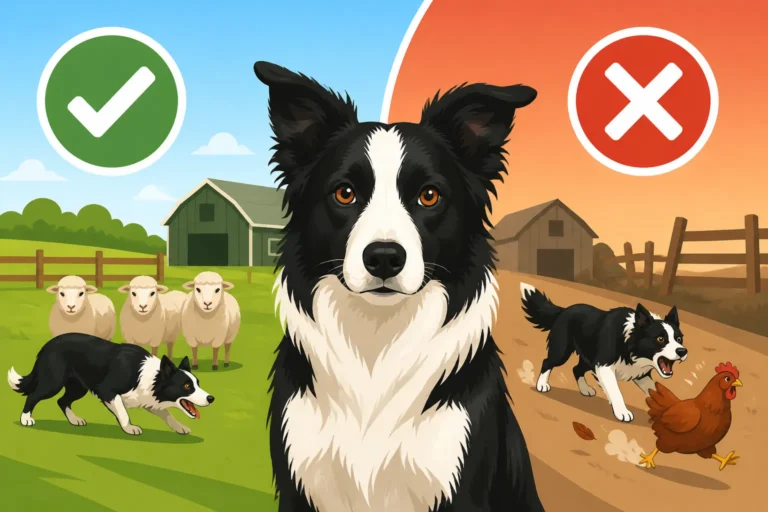
The 1995 AKC Decision on the Border Collie
If you've ever delved into the world of Border Collies, you've likely stumbled upon discussions, sometimes passionate, about the breed's recognition by the American Kennel Club (AKC) in 1995. For many prospective owners, this can be incredibly confusing, leading to questions about what kind of Border Collie they're getting and why there seems to be such a divide. This guide will walk you through the history, implications, and ongoing legacy of that pivotal decision, helping you understand how it shaped the Border Collie we know today.
The Border Collie's Deep Working Roots Before AKC Recognition
Before 1995, the Border Collie was primarily recognized, valued, and bred exclusively for its working ability with livestock. This wasn't just a preference; it was the foundational principle that guided every breeding decision, every training method, and every competition. These dogs weren't pets in the traditional sense; they were partners, essential components of a working farm or ranch.
The Pure Working Heritage
For centuries, the dogs that would become known as Border Collies were developed in the Anglo-Scottish border region, bred by shepherds for shepherds. Their intelligence, intensity, and unparalleled herding instinct were honed through generations of selective breeding, with only the most capable and biddable dogs passing on their genes. The emphasis was always on function: how well could a dog gather, drive, and pen sheep, often across vast and challenging terrain, with minimal commands? Appearance was secondary, if it was considered at all. What truly mattered was the dog's ability to read stock, think independently, and respond with precision to a handler's whistle or voice. This created a breed known for its incredible focus, drive, and mental acuity—traits that are still fiercely protected by many working lines today.
Every pup born into a working line was evaluated on its potential to become a contributing member of the farm. Temperament, trainability, and raw herding instinct were paramount. A dog might have an unusual coat color or mismatched ears, but if it could work sheep flawlessly, it was a prized animal. This singular focus on working aptitude meant that the breed developed an incredibly specialized skill set, making it indispensable to livestock handlers worldwide.
Early Registries and Their Purpose
To maintain the integrity and working quality of the breed, dedicated organizations were established long before the AKC entered the picture. The International Sheep Dog Society (ISDS), founded in 1906 in the UK, was the original custodian of the Border Collie. Its sole purpose was to promote and regulate the breeding and training of working sheepdogs, recognizing dogs based purely on their performance in sheepdog trials. Registration with the ISDS wasn't about conforming to a physical standard; it was about proving the dog's ability to work. Only dogs whose parents were proven working dogs could be registered, ensuring that the working bloodlines were preserved. The International Sheep Dog Society, Founded 1906 became the bedrock of Border Collie lineage.
In North America, the American Border Collie Association (ABCA) was formed in the 1970s with a similar philosophy. The ABCA's primary goal was, and remains, to preserve the Border Collie as a working stock dog. Like the ISDS, the ABCA registers dogs based on their working lineage, requiring proof of working ability (or at least working parents) for registration. Their philosophy strongly emphasizes that the Border Collie is defined by its ability to herd, not by its looks. For an ABCA breeder, a dog that cannot work sheep is not a Border Collie in the truest sense, regardless of its parentage. This dedication to preserving the breed's fundamental purpose is why many working handlers staunchly adhere to the ABCA, viewing it as the guardian of the true Border Collie spirit. The ABCA and Its Working Registry stands as a testament to this unwavering commitment.
The Push for AKC Recognition and the Divide
As the Border Collie's reputation for intelligence and athleticism grew beyond the farm, a movement began to bring the breed into the mainstream world of dog sports and companion animals. This desire for broader recognition, however, created a significant schism within the Border Collie community.
Why Some Wanted AKC Inclusion
For many enthusiasts who admired the Border Collie's intelligence and trainability but weren't involved in traditional sheepdog trialing, AKC recognition offered several appealing benefits. Firstly, it would allow Border Collies to compete in a wider range of AKC-sanctioned events beyond herding, such as obedience, agility, tracking, and rally. These sports were gaining popularity, and owners felt their highly capable dogs deserved a platform to excel. Imagine having a dog with such incredible drive and focus, yet being limited in the official competitive venues available. AKC inclusion seemed like a natural progression for a breed so suited to performance.
Secondly, some believed that AKC recognition would help standardize the breed's appearance, making it more identifiable and predictable for pet owners. While working lines prioritized ability, a consistent look could appeal to a broader market, potentially increasing the breed's popularity. For those looking to participate in conformation showing, the AKC offered the ultimate stage. It would also provide a more widely recognized pedigree system, potentially making it easier to trace lineage and ensure responsible breeding practices for those focused on companion animals rather than working stock. There was a genuine belief that broader exposure through the AKC could benefit the breed overall, bringing its many virtues to a wider audience.
The Arguments for Maintaining Working-Only Status
Conversely, the vast majority of working Border Collie handlers and breeders vehemently opposed AKC recognition. Their core fear was that introducing conformation showing and breeding for appearance would inevitably dilute the very qualities that made the Border Collie unique and exceptional: its unparalleled working instinct, health, and temperament. They argued that breeding for physical traits, such as head shape, ear set, or coat length, would inevitably lead to a decline in working ability. History, they pointed out, was replete with examples of working breeds that, after gaining AKC recognition, saw their functional traits compromised in favor of show ring aesthetics.
This group, largely represented by the ABCA, feared that if the breed's purpose shifted from working to winning ribbons in a show ring, breeders might unknowingly or intentionally breed dogs that looked good but lacked the intense drive, biddability, and mental stamina required for demanding work. They worried about the health consequences of breeding without the natural culling process of the working world, where unsoundness or poor temperament quickly disqualifies a dog. Their concern was deeply rooted in the belief that the Border Collie's identity was intrinsically tied to its working heritage. To them, an AKC-recognized Border Collie would be a different dog entirely, potentially losing the essence of what made the breed so special. Why Working Breeders Fought AKC Recognition encapsulates this sentiment perfectly.
The Controversial 1995 Decision and Its Fallout
The debate raged for years, creating deep divisions within the Border Collie community. Ultimately, a decision was made, one that continues to define aspects of the breed's landscape today.
The Vote and Its Immediate Aftermath
After much deliberation and intense lobbying from both sides, the AKC officially recognized the Border Collie as part of its Herding Group, effective May 1, 1995. This decision was met with a mix of celebration and profound dismay. For those who had pushed for recognition, it was a victory, opening doors to new competitive opportunities and broader public awareness for the breed. They saw it as an evolution, a chance for the Border Collie to shine in more arenas.
However, for the working community, particularly the American Border Collie Association (ABCA), the AKC's decision was seen as a betrayal of the breed's core values. The ABCA responded by voting overwhelmingly to prohibit the registration of any Border Collie that was also registered with the AKC, effectively drawing a line in the sand. This meant that a dog could be either an "AKC Border Collie" or an "ABCA Border Collie," but not both, thus preserving the working lineage's purity according to their standards. The emotional impact was significant; friendships were strained, and the community fragmented into two distinct camps, each committed to their vision of the breed's future. What Happened When the AKC Recognized the Border Collie was a turning point.
The Split in the Border Collie Community
The 1995 decision essentially formalized a split that had been simmering for years. On one side were those who continued to breed for working ability, adhering to the ABCA's philosophy that a Border Collie's value is determined by its performance with stock. Their focus remained on intelligence, drive, health, and temperament suitable for a demanding job. They believed that maintaining an unregistered, or solely ABCA-registered, status was critical to preventing the breed from being "ruined" by an emphasis on cosmetic traits. For them, a pedigree full of trial champions was far more valuable than one adorned with conformation titles.
On the other side were breeders and owners who embraced AKC recognition, participating in conformation shows and other AKC performance events. These individuals often focused on breeding dogs that met the AKC's written breed standard, which describes an ideal physical appearance. While many still valued intelligence and temperament, the emphasis on conformation meant that certain physical traits became more prominent in their breeding choices. This created what is often referred to as the "working line" versus "show line" (or sometimes "conformation line") debate, though it's important to remember that many AKC Border Collies still participate in and excel at performance sports like agility, even if they aren't working sheep. Whether the AKC Border Collie Is a Different Dog is a question that frequently arises from this divide.
The Impact on Working Border Collies
The divergence following the AKC's decision had profound implications, particularly for those dedicated to preserving the Border Collie's original working purpose. It forced working breeders to double down on their efforts to maintain what they considered the true essence of the breed.
Changes to Breeding Philosophies
For working Border Collie breeders, the AKC's recognition reinforced their commitment to selective breeding based solely on working traits. They continued to prioritize dogs with exceptional herding instinct, keen intelligence, strong nerves, and impeccable health and soundness, all crucial for a demanding life on the farm or trial field. This meant carefully evaluating potential breeding pairs not just on their own performance, but also on the working ability of their ancestors. Genetic health testing became increasingly important, but always within the context of preserving working prowess. For example, a dog might have an excellent genetic panel, but if it couldn't work stock with the intensity and finesse required, it wouldn't be a candidate for breeding in these lines.
This philosophical stance also meant a different approach to puppy placement. Working breeders often place their puppies into homes where they will either work stock or participate in demanding performance sports that closely mimic the breed's natural drive, such as high-level agility or competitive obedience. They understood that the extreme intelligence and energy of a well-bred working Border Collie required a purpose and outlet, and they were careful to match pups with owners who could provide that. Their goal was not to produce a generalized "pet," but a specialized partner. You won't find many working breeders advertising their pups as purely companion animals, emphasizing instead the intense commitment required for these dogs.
The Divergence of Type
Over the years, the difference between what are now commonly referred to as "working line" and "show line" Border Collies has become more noticeable. While both are undeniably Border Collies, distinct traits have emerged as breeders on each side pursued their specific goals. Working lines tend to retain a more athletic, often leaner build, with less emphasis on uniform coat length or color patterns. Their movements are efficient and purposeful, designed for speed, agility, and endurance in the field. They might have a wider variety of ear sets, often a result of natural development rather than selection for a specific look.
Show lines, while still intelligent and active, are bred to conform to the AKC breed standard, which details specific physical characteristics. This can lead to a slightly heavier bone structure, a fuller coat, and a more uniform appearance, especially in terms of head shape and ear carriage. While these dogs certainly have the athleticism to compete in performance sports, their primary selection criteria often include aesthetic elements like conformation to a desired silhouette or movement in the show ring. The Working and Show Split in Border Collies is not just a historical event, but a living reality that continues to shape the physical and temperamental variations within the breed.
| Trait/Goal | ABCA (Working Lines) | AKC (Show Lines) |
|---|---|---|
| Primary Breeding Goal | Herding Instinct & Working Ability | Conformation to Breed Standard & Performance Sports |
| Registration Basis | Proven working lineage & performance (ISDS, ABCA) | Physical appearance & pedigree |
| Physical Appearance | Varies widely; functional, athletic build | More uniform; often heavier coat, specific head/ear set |
| Temperament Focus | Intense drive, biddability, sound nerves for work | Alert, intelligent, but may vary in intensity of drive |
| Health Emphasis | Genetic health for working longevity; structural soundness | Genetic health; structural soundness for show ring/sport |
| Primary Activities | Herding trials, farm work | Conformation shows, agility, obedience, rally |
| Breeding Contract | Often requires working proof or commitment to training | Focus on pet placement, show/sport potential |
Life with an AKC Registered Border Collie
For those considering an AKC-registered Border Collie, it's important to understand the different emphasis these lines might have, while still appreciating the breed's inherent qualities.
What the AKC Standard Encourages
The AKC Border Collie breed standard provides a written description of the ideal physical characteristics and temperament for the breed, against which dogs are judged in conformation shows. This standard outlines everything from acceptable height and weight to coat texture, eye color, and tail carriage. For example, The Height and Weight a Border Collie Standard Sets is clearly defined, as are specifics about coat types and colors. While the standard does emphasize intelligence, agility, and an alert expression, the primary goal of conformation breeding is to produce dogs that closely embody this physical ideal.
Breeders who focus on AKC registration often aim to produce dogs that can excel in the show ring, but many also participate in performance events like agility, flyball, and obedience. These dogs are typically highly intelligent, athletic, and eager to please, making them fantastic partners for competitive sports. They often make wonderful active companions for families who understand the breed's need for mental stimulation and physical exercise, even if they never see a sheep. However, it's crucial for prospective owners to research individual breeders carefully, regardless of registry, to ensure they are prioritizing health, temperament, and appropriate drive levels for their intended lifestyle.
Finding an AKC Border Collie Breeder
If you're looking for an AKC-registered Border Collie, the process involves a bit of research, much like finding any reputable breeder. You'll want to seek out breeders who are transparent about their health testing protocols, offer references, and are keen to understand your lifestyle to ensure a good match. Many AKC breeders are active in various dog sports, and they can be found through breed clubs, online directories, or at dog shows. When you engage with these breeders, don't hesitate to ask about their breeding goals – are they primarily focused on conformation, or do they also emphasize performance or temperament for family life?
A good AKC Border Collie breeder will be able to show you health clearances for the parents, including hip and elbow scores, and genetic test results for common Border Collie issues like Collie Eye Anomaly or Neuronal Ceroid Lipofuscinosis. They should also be able to articulate their approach to puppy socialization and training. Remember, even an AKC-registered Border Collie will require significant commitment to exercise, training, and mental engagement. Resources like Chewy, for instance, offer a wealth of information on different dog breeds and what to expect from them, which can be a great starting point for understanding general breed needs before diving into specific breeders. Finding the right fit means ensuring the breeder's philosophy aligns with your expectations for owning a Border Collie.
The Long-Term Legacy and Current Landscape
Decades after the controversial decision, the Border Collie world continues to navigate the paths created by the AKC's recognition. While the debate sometimes continues, many owners find fulfilling lives with Border Collies from either lineage.
Coexistence and Continued Debate
Today, both working line and AKC-registered Border Collies coexist, often appealing to different types of owners. The ABCA remains a strong advocate for the working Border Collie, continuing its mission to preserve the breed's herding heritage without compromise. Many working handlers view the AKC standard as an unnecessary distraction from the dog's true purpose. Their dogs are often registered solely with the ABCA or the ISDS, or are simply excellent unregistered working dogs. What the ABCA Requires of a Border Collie illustrates their stringent focus on ability.
On the other hand, AKC-registered Border Collies have found immense success in performance events like agility, where their intelligence and athleticism shine. They also continue to be popular choices for active families who appreciate their keen minds and boundless energy, even if they don't work livestock. The debate, while less heated than in the immediate aftermath of 1995, still surfaces occasionally, particularly when discussing breeding priorities and the perceived "authenticity" of the breed. Ultimately, both groups care deeply about the Border Collie, but approach its preservation and future from different philosophical standpoints. Why the ABCA Objects to Conformation Showing stems from this fundamental disagreement.
Resources for Border Collie Owners
Regardless of whether your Border Collie comes from working lines or is AKC-registered, one truth remains: these dogs are incredibly intelligent, active, and require significant commitment from their owners. Responsible ownership means providing ample physical exercise, consistent mental stimulation, and proper nutrition. You'll need durable toys to satisfy their play drive, quality food to fuel their energy, and maybe even a puzzle feeder or two to challenge their minds. For instance, online retailers like Chewy provide an extensive selection of high-quality dog food, enrichment toys, and training gear that can help meet the demanding needs of any Border Collie.
Finding good training resources, whether online or through local clubs, is also essential. A Border Collie thrives on having a job, even if that job is "family companion" or "agility star." Engaging them in activities like obedience classes, agility, scent work, or even just teaching complex tricks can channel their inherent drive into productive outlets. Regular veterinary care, including vaccinations and preventative treatments, is non-negotiable for keeping these active dogs healthy throughout their lives. Many owners find it incredibly rewarding to embrace the Border Collie's zest for life and learn alongside them, tapping into their extraordinary potential. Whether your pup is destined for the sheep pastures or the agility ring, understanding their unique needs is the first step toward a long and happy partnership.
Disclaimer
This article is for general informational purposes only and does not constitute professional advice. Laws, prices and regulations vary by location and change over time. Consult a qualified professional for guidance on your specific situation.