The Nursery Class a Young Border Collie Starts In
A young Border Collie may show plenty of interest in sheep before it has the self-control to work them safely. That leaves new handlers wondering when to begin, what a nursery class actually tests, and whether their dog is ready. This guide explains how nursery classes work, how to prepare, and what to expect from a young dog’s first trial experience.
What a nursery class means in sheepdog trials
It is a young-dog class, not a puppy class
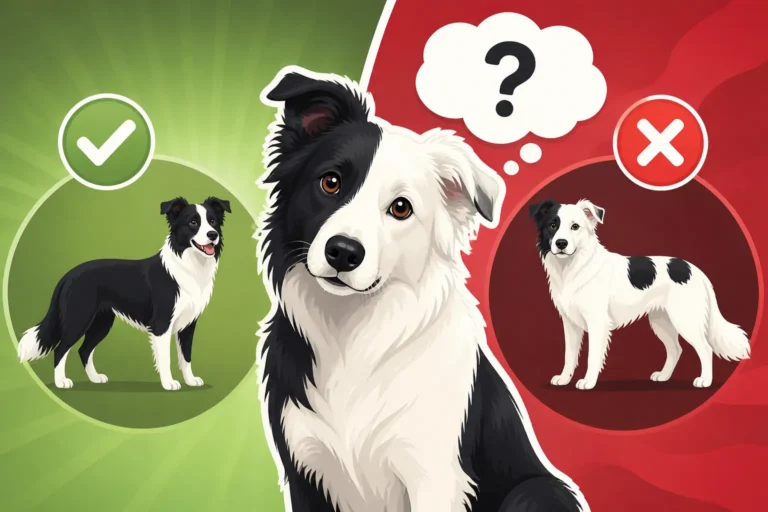
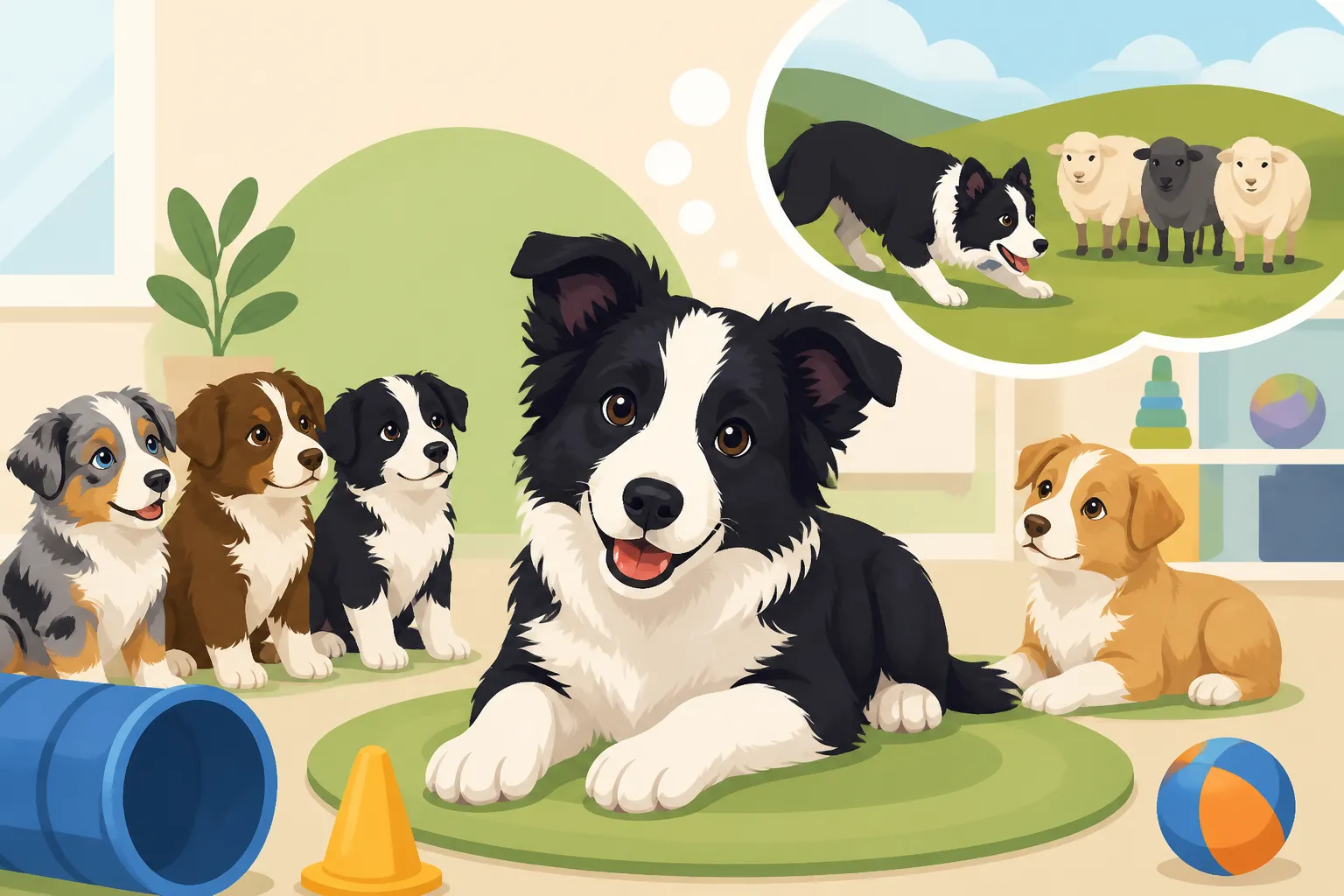
In sheepdog trialing, a nursery class is generally intended for younger dogs that are still developing as working partners. It gives them a place to compete against dogs at a similar stage, rather than being judged in an open class alongside experienced trial dogs. The name can sound as though it is meant for puppies, but a nursery dog is usually beyond the tiny-puppy stage and has had some thoughtful introduction to stock.
Eligibility rules vary by trial organization and event. A class may use the dog’s age on a particular date, its age during the trial year, or other conditions set out in the event rules. Don’t assume a dog qualifies just because it looks young or is new to trialing. Check the current rulebook and ask the trial secretary how eligibility is calculated before entering.
A nursery class also isn’t a guarantee that a young dog will be given extra help in the field. The course, sheep, judging, and atmosphere can still be challenging. The purpose is to provide an age-appropriate competitive setting, not to replace training or make a trial suitable for every inexperienced dog.
For an overview of how a trial run is structured, read What Happens at a Sheepdog Trial With a Border Collie. It helps to understand the work expected before deciding whether a nursery class is the right next step.
Nursery, novice, and instinct tests are different
A nursery class is usually organized around a young dog’s age or stage of development. A novice class, where offered, is generally aimed at less-experienced handlers or dogs, but its exact meaning also depends on the organizing body. Some events may offer both; others may use different class names or eligibility rules.
An instinct test is different again. It is a controlled opportunity to see how a dog responds to stock, usually with guidance from an experienced person. It can help you learn whether the dog is interested and how it reacts, but it does not establish that the dog is ready to compete. A dog that shows strong interest may still need substantial training in control, balance, and calm movement.
If you’re weighing an instinct test against formal lessons, Taking a Border Collie to an Instinct Test explains what that kind of first exposure can involve. And if you’re wondering about timing, The Age to Start a Border Collie on Stock can help frame the decision around the individual dog rather than a birthday alone.
Rules and expectations depend on the event
Before entering, confirm the class requirements directly with the trial organizer. Ask about the age cutoff, whether the dog needs prior trial experience, what equipment is expected, and whether the course is suitable for dogs at an early stage. If the rules are unclear, get the answer in writing so there is no stressful surprise at check-in.
It’s also worth asking what the trial setting will be like: how sheep are brought to the field, where dogs wait, whether there is space to walk away from the crowd, and what happens if you withdraw. A young dog may be confident working but unsettled by barking, whistles, trailers, and other dogs waiting nearby.
A quick call ahead can save you from entering a class that doesn’t match your dog’s age or experience. It also gives you a better sense of whether the event can be a useful learning day, even if your dog isn’t ready to complete the course.
How to decide whether your young dog is ready
Readiness is about control, not just enthusiasm
A young Border Collie that eagerly watches sheep may look ready to work, but enthusiasm alone isn’t enough. The dog needs to be able to respond to the handler, settle enough to listen, and move stock without turning every moment into a chase. A trainer can help you judge these qualities in a safe setting.
There isn’t one universal age when every Border Collie should start working sheep. Maturity, confidence, physical development, previous experiences, and the trainer’s approach all matter. Some dogs benefit from waiting, while others can begin carefully supervised exposure earlier. For more context, see Whether a Border Collie Puppy Should Meet Sheep.
Before trialing, ask yourself whether your dog can pause or change direction when cued, recover after excitement, and work without becoming frantic. If those skills are inconsistent, that is useful information—not a reason to push harder. A good handler adjusts the training plan to the dog in front of them.
Build foundations before entering a course
A nursery class is not the place to teach every basic skill for the first time. Your dog should have had regular, supervised practice and should understand at least a few clear ways to respond to you around stock. The specifics depend on the handler, the dog, and the training approach, but the priority is communication and safe stock movement.
Keep lessons short enough that the dog can remain thoughtful. If the dog is getting faster, less responsive, or increasingly fixated, continuing for the sake of “one more try” can make the session worse. A capable instructor can help you end on a manageable note and choose the next step.
Herding commands are learned in context and should be taught by someone who can assess the dog and sheep together. Teaching a Border Collie the Herding Commands offers more background on the cues handlers use. If your dog tends to rush sheep, Steadying a Border Collie That Rushes Stock is another useful topic to explore with your instructor.
Treat physical and emotional recovery as part of training
A young dog can be mentally tired after stock work even when it still appears energetic. Watch for a loss of responsiveness, frantic circling, difficulty disengaging, or a dog that can no longer settle between turns. These are signs to pause and reassess, not invitations to demand more effort.
Stock work also has physical demands. Avoid assuming that youth makes a dog immune to strain, especially if it is combining lessons with agility, running, or repeated ball play. Build activity sensibly and talk with your veterinarian or trainer if you notice stiffness, limping, or unusual fatigue.
Training should leave the dog with room to succeed again. Finishing calmly, giving the dog time away from stock, and keeping the next session appropriate to its progress are all part of preparation. A young dog’s confidence can be undermined by repeated overwhelming experiences, even when the handler’s intentions are good.
Preparing for a first nursery trial
Practice the whole day, not only the field work
Trial readiness includes more than the dog’s work on sheep. Your Border Collie may need to wait in a vehicle or crate, hear unfamiliar dogs barking, walk through a busy area, and settle while you speak with other handlers. If those parts are new, practice them in low-pressure settings first.
Make a simple packing list well before the event. Think about water, a familiar resting place, lead and collar, waste bags, food if appropriate, weather protection, and any gear required by the trial. Chewy may be one option for everyday items such as travel bowls or waste bags, but check the event’s requirements and bring equipment your dog has already used comfortably.
A basic preparation table can help keep the focus on the dog’s needs:
| Area | What to prepare | Why it matters |
|---|---|---|
| Eligibility | Confirm age rules and class requirements | Prevents problems at check-in |
| Training | Review the dog’s current skills with an instructor | Helps match the entry to the dog’s ability |
| Rest | Plan a quiet place away from the crowd | Gives the dog a chance to decompress |
| Water and comfort | Bring water, a familiar mat, and suitable weather gear | Supports comfort between activities |
| Exit plan | Know where you can walk away or withdraw | Makes it easier to respond if the dog is overwhelmed |
Don’t feed or exercise the dog in a way that is unusual for it just because it’s trial day. Keep routines familiar where possible, and ask your veterinarian about any health or feeding concerns that apply to your dog.
Arrive with realistic goals
For a first trial, success does not have to mean a completed course or a high score. The dog may learn how to wait calmly, listen to you in an unfamiliar place, or recover after seeing sheep. You may learn that the event atmosphere is too much right now, or that one part of the work needs more practice.
Watch the dog’s state of mind rather than focusing only on the result. Is it able to take a break? Can it respond when you call it away? Does it recover after an exciting moment? Those observations are often more useful for future training than a score sheet alone.
If your dog is overwhelmed, withdrawing can be the right decision. A nursery class is an opportunity, not an obligation to finish at any cost. Tell the trial officials or your instructor what is happening and follow their guidance about leaving the field safely.
Keep trial-day supplies simple and familiar
A first event can tempt handlers to buy new equipment or introduce a different food, toy, or restraint setup. Resist making several changes at once. Familiar gear is easier for the dog to understand, and you’ll have fewer variables to manage when the day is already busy.
Chewy may be convenient for restocking routine supplies such as a water container, cleanup bags, or a washable mat. Choose items based on fit and function, and test them at home before relying on them at a trial. If your dog chews, paws at, or avoids a new item, trial day is not the time to find out.
For a young dog that is still learning how to leave stock calmly, ending a session well is especially important. Ending a Session So a Border Collie Leaves Sheep explores that transition. The same principle applies at an event: plan how to move away from the field without turning the exit into another round of excitement.
Common mistakes and better next steps
Entering because the dog looks talented
A promising young dog can attract attention, and it’s natural to feel excited about its potential. But a dog that moves sheep naturally may still lack the control to work safely in a trial setting. Ability and readiness are related, but they are not interchangeable.
Instead of asking only, “Could my dog do this?” ask, “Can my dog do this in a way that is safe, responsive, and fair to the sheep?” Talk through that question with a trainer who has seen the dog work. If the answer is uncertain, more lessons are usually more useful than an early entry.
Using trial pressure to solve training problems
A busy trial is a poor place to fix a dog that ignores cues, rushes sheep, or struggles to settle. There are too many distractions, and the sheep and other people deserve a calm, safe environment. Work on those issues with an instructor in a setting designed for training.
That doesn’t mean a young dog has to be flawless before entering. It means you should know its limits and have a plan if it becomes unsettled. If the dog cannot disengage from the stock or respond to you at all, step back from competition and revisit the foundations.
Comparing your dog’s progress with other young dogs
Two dogs of the same age can be at very different stages. One may have more exposure to sheep, a steadier temperament, or a handler with more experience. Another may be physically mature but still learning to manage excitement. Comparisons can make a handler rush a dog that needs time.
Keep notes after lessons and events. Record what the dog managed, what was difficult, and how quickly it recovered. That gives you a more honest picture of progress than judging by one run or another handler’s timeline. If a class has shown you what to work on next, it has served a purpose—even if the result wasn’t what you hoped for.
Chewy can help with ordinary trial-day essentials, but supplies won’t replace careful training, appropriate supervision, and a suitable class choice. For the biggest decisions—when to begin, whether to enter, and how to manage a dog that is struggling—lean on a qualified instructor and the trial organizer.
Disclaimer
This article is for general informational purposes only and does not constitute professional advice. Laws, prices and regulations vary by location and change over time. Consult a qualified professional for guidance on your specific situation.