Hip Dysplasia in a Border Collie That Runs All Day
It's heartbreaking to watch your usually tireless Border Collie, the one who lives to run and work, suddenly hesitate, show a slight limp after a long session, or even struggle to get up. Hip dysplasia, a condition often associated with larger, less active breeds, can tragically impact our high-drive Border Collies too, especially those who spend their lives pushing boundaries in work, sports, or endless games of fetch. This guide delves deep into understanding hip dysplasia in the incredibly active Border Collie, helping you recognize the signs, navigate diagnosis, explore treatment options, and ultimately ensure your loyal companion can continue living their best, most fulfilling life.
Understanding Hip Dysplasia in the Active Border Collie
When we think of Border Collies, we picture boundless energy, incredible agility, and a strong work ethic. These traits often lead us to assume their bodies are invincible, designed for constant motion. However, hip dysplasia doesn't discriminate based on drive, and in a breed that constantly puts strain on its joints, early understanding is absolutely key. It's not just a "big dog problem" – it's a concern for any breed that carries the genetic predisposition and lives an active lifestyle.
What is Hip Dysplasia and Why Border Collies Are Susceptible?
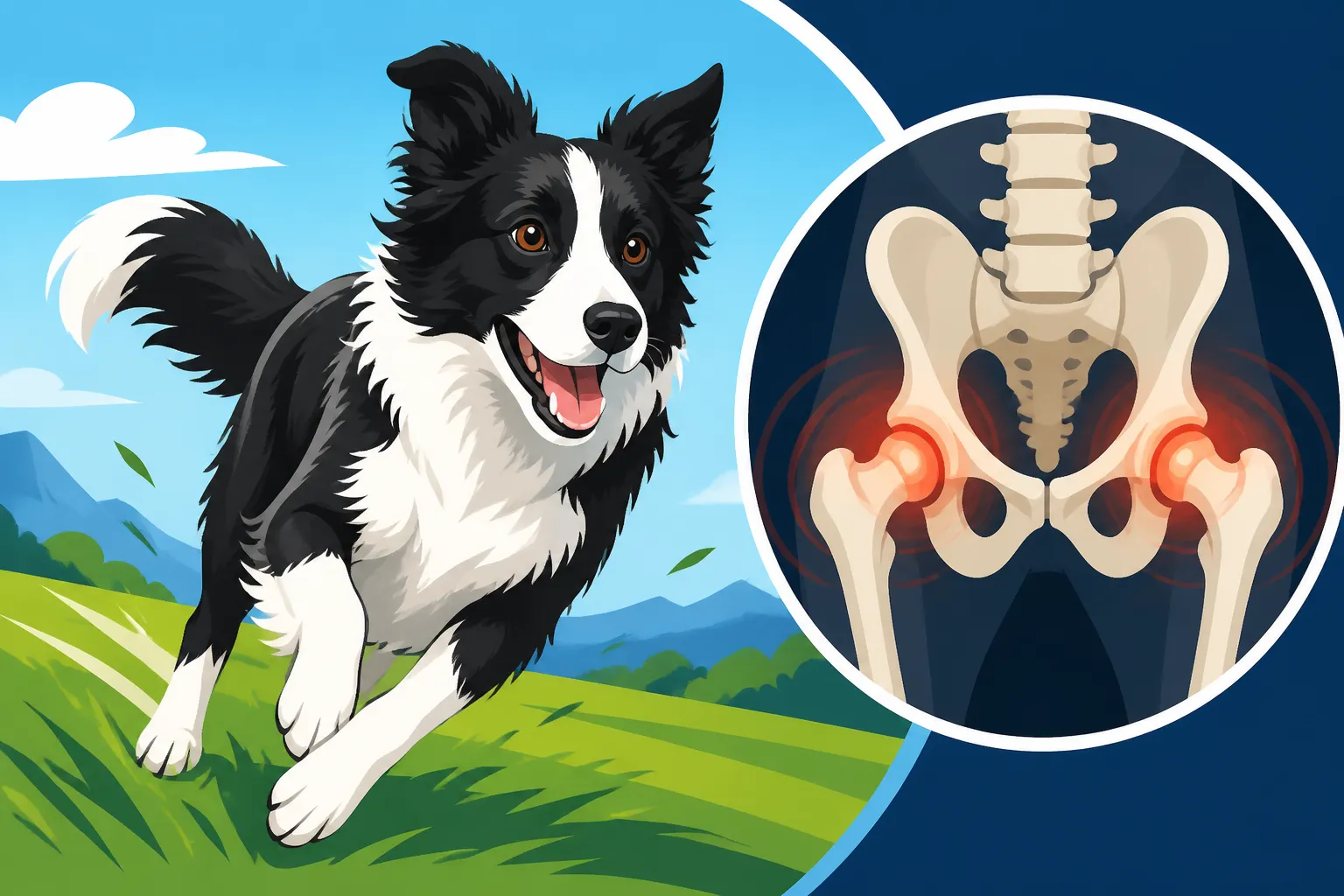
At its core, hip dysplasia is a malformation of the hip joint. Imagine a ball-and-socket joint, where the "ball" (the head of the femur) ideally fits snugly into the "socket" (the acetabulum of the pelvis). In a dysplastic hip, this fit is loose, uneven, or shallow. Over time, this poor alignment causes friction, wear, and tear, leading to painful inflammation, degenerative joint disease, and eventually, osteoarthritis. It’s a progressive condition, meaning it typically worsens over time if not managed.
While genetics play a huge role – it's often inherited from parents – environmental factors can exacerbate its development. For Border Collies, their very nature contributes to susceptibility. They are powerful, athletic dogs with explosive bursts of speed, tight turns, and impressive jumps. This constant, high-impact movement puts immense stress on their developing and mature hip joints. A puppy with a genetic predisposition might develop more severe dysplasia if it's over-exercised or allowed to engage in strenuous activities too early, before its growth plates have fully closed. It’s a cruel irony that the very activities we celebrate in our Border Collies can, without careful management, contribute to this painful condition.
The Unique Challenges for a Working or Sport Border Collie
For a Border Collie whose life revolves around herding sheep, excelling in agility, or competing in flyball, hip dysplasia presents unique and devastating challenges. Their identity is often tied to their ability to work, and for many owners, their dogs are partners in sport or livelihood. A slight limp that might go unnoticed in a less active pet dog can be a career-ender for a working Border Collie. The intense demands of their "job" amplify the symptoms and accelerate the progression of the disease.
Consider a dog like "Fly," a Border Collie who lives for the sheepdog trials. Her entire purpose is to run, gather, and maneuver stock with precision. If Fly starts exhibiting signs of pain or stiffness, it impacts not only her performance but her very joy in life. The constant push-off, the rapid directional changes, the sustained running – these movements place incredible torque and pressure on the hip joints. This means that managing hip dysplasia in these high-performing dogs isn't just about pain relief; it's about preserving their mental well-being and finding ways for them to continue engaging, perhaps in modified forms, with the activities they love. It highlights the importance of proactive care and early detection, as the stakes are incredibly high for these dedicated athletes.
Differentiating Normal Wear-and-Tear from Dysplasia Symptoms
It's easy to dismiss a subtle stiffness in an active Border Collie as just "being tired" or a bit sore from a hard day's work. After all, these dogs push themselves relentlessly. However, there's a crucial difference between temporary muscle soreness and the deeper, persistent ache of joint disease. Normal wear-and-tear might manifest as a transient limp after an exceptionally grueling session, but it typically resolves quickly with rest. The dog usually bounces back to full vigor the next day.
With hip dysplasia, the signs tend to be more insidious and progressive. You might notice your dog is slower to warm up, takes longer to recover, or shows a consistent reluctance to perform certain actions, such as jumping into the car or going up stairs. The stiffness might be more pronounced in the morning or after periods of rest. Unlike a pulled muscle, which usually improves linearly, dysplastic pain often feels cyclical or worsening, directly correlated with activity. Understanding this distinction is vital. If a "soreness" persists beyond a day or two, or if your dog's athletic prowess seems subtly but consistently diminished, it's time to consider more than just typical post-exercise fatigue. It could be the first whisper of a more significant underlying issue that needs attention.
Recognizing the Early Warning Signs and Symptoms
Because Border Collies are so stoic and driven, they often mask pain until it's quite advanced. This makes recognizing subtle changes paramount for their owners. You know your dog best, and paying close attention to slight deviations from their norm can make all the difference in early detection and intervention.
Subtle Changes in Gait and Performance
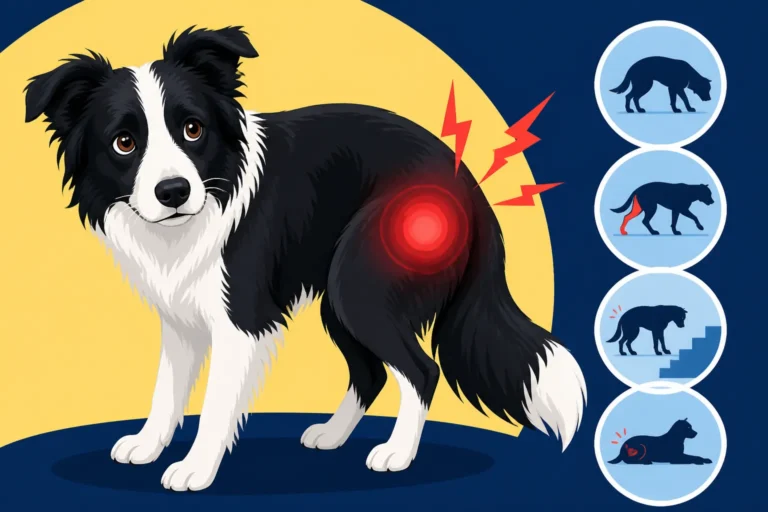
One of the first indicators of hip dysplasia in an active Border Collie is often a change in their gait or a subtle decline in their performance. It might not be a dramatic limp at first, but rather a more nuanced shift. You might observe a "bunny hop" when they run, where both hind legs move together rather than independently. This is a common compensatory mechanism, as it reduces the impact on the painful hips. You could also notice a reluctance to take sharp turns, a decreased enthusiasm for jumping, or a slight swaying in their hindquarters when standing or moving.
For a dog that runs all day, you might see them shorten their stride with their back legs, perhaps taking shorter, choppier steps, or even shifting more weight onto their front limbs, making their shoulders appear more developed. Their once effortless agility might seem less fluid, their speed slightly diminished. Imagine "Bess," your agility champion. If she suddenly starts knocking bars she used to clear easily, or hesitates on the A-frame, it could be a sign. These aren't necessarily signs of a lack of effort or training; they could be a silent plea from her body that something is amiss in her hips. Observing these minute differences requires a keen eye and intimate knowledge of your dog's typical movement patterns.
Pain Signals and Behavioral Shifts
Beyond gait changes, Border Collies with hip dysplasia often exhibit more direct pain signals and noticeable behavioral shifts. This can range from a general reluctance to engage in activities they once loved to more overt displays of discomfort. They might be less enthusiastic about walks, games of fetch, or working stock. When resting, they might prefer to lie on their side rather than tucking their hind legs, or constantly shift positions trying to find comfort.
You might notice difficulty getting up from a lying position, especially after a nap. They may vocalize with a whimper or groan when stretching, or even snap if you touch their hindquarters or hips. Sometimes, you'll see muscle atrophy in their hind legs, as they naturally try to reduce weight bearing on the painful joints. Even subtle changes in personality, such as increased irritability, lethargy, or seeking more solitude, can be indicators of chronic pain. Remember "Max," who used to greet you at the door with a full-body wiggle? If Max now just lifts his head or slowly ambles over, it’s a red flag. These behavioral cues are critical to heed, as they often reveal the hidden struggles your resilient Border Collie is enduring. Sometimes, changes in their drive or willingness to engage in tasks, such as gathering the family into one room, might also be subtle signs of discomfort impacting their overall enthusiasm.
When to Consult Your Veterinarian for Assessment
It's natural to hope a fleeting limp will just "go away," especially with such resilient dogs. However, when it comes to potential hip dysplasia, procrastination is not your friend. Any persistent change in gait, recurring stiffness, reluctance to move, or clear signs of pain, even if intermittent, warrant a prompt veterinary visit. It's especially important to act quickly if your Border Collie is still young, as early intervention can sometimes significantly alter the disease's progression.
Don't wait until your dog is clearly limping severely or yelping in pain. By then, the condition is likely quite advanced. Make an appointment with your vet and be prepared to describe in detail what you've observed: when the symptoms started, what activities seem to aggravate them, what alleviates them, and any changes in your dog's energy levels or behavior. A thorough physical examination will be the first step, where your vet will check for range of motion, pain response in the hips, and muscle condition. This initial assessment is crucial for deciding the next steps, which almost always involve imaging to confirm the diagnosis and assess severity. Your vet might even suggest specific questions to ask when you consider buying a Border Collie puppy to ensure you're getting comprehensive information about the parents' health history.
Diagnostic Process for Hip Dysplasia
Confirming hip dysplasia isn't just about spotting a limp; it requires a precise diagnostic approach to understand the full extent of the joint malformation and degenerative changes. This typically involves a combination of physical examination and specialized imaging.
The Importance of X-rays and Specialized Views
The gold standard for diagnosing hip dysplasia is radiography, or X-rays. These images allow the veterinarian to visualize the structure of the hip joint, assessing the congruity of the femoral head and acetabulum, the depth of the socket, and any signs of secondary osteoarthritis, such as bone spurs or remodeling. Standard X-rays for hip dysplasia usually involve positioning the dog in a specific way – typically lying on their back with hind legs extended straight and parallel, and rotated inward. This position, known as the VD (ventrodorsal) extended view, helps to reveal laxity and malformation.
However, sometimes a single view isn't enough, especially in Border Collies who might have subtle signs. Your vet might recommend additional specialized views, such as the PennHIP method or DLS (Distraction Index) views. PennHIP involves three distinct radiographic views taken under sedation to precisely measure hip laxity, providing a more objective assessment than traditional OFA (Orthopedic Foundation for Animals) evaluations, which rely on subjective grading of the extended view. Understanding what an OFA Hip Grade Means for a Border Collie or a PennHIP score can be vital for making informed decisions about treatment and even breeding. These detailed images are crucial not only for diagnosis but also for determining the severity of the dysplasia and guiding the most appropriate treatment plan.
Understanding Hip and Elbow Scores in a Border Collie
When discussing hip dysplasia, you'll frequently hear about "hip scores." These are evaluations performed by veterinary orthopedic specialists on hip radiographs to assess the quality of the hip joint. Two common systems are the Orthopedic Foundation for Animals (OFA) in North America and the British Veterinary Association (BVA) scheme in the UK, among others. For a Border Collie, these scores are immensely important, especially for breeding stock, but also for pet owners to understand the potential for future issues.
The OFA scheme assigns grades like Excellent, Good, Fair, Borderline, Mild, Moderate, or Severe, based on the extended hip view. The BVA/KC scheme uses a numerical scoring system for nine features of each hip, with lower scores being better. Knowing the scores of your dog's parents (or your dog's own score) provides critical insight into their genetic predisposition and current joint health. While the focus here is on hips, it's worth noting that many breeders will also get Hip and Elbow Scores in a Border Collie done simultaneously, as elbow dysplasia can also affect active dogs and often presents with similar forelimb lameness issues that might mimic or accompany hip discomfort. These evaluations help define the structural integrity of the joints, offering a clearer picture than a physical exam alone.
Other Diagnostic Tools and What They Tell Us
While X-rays are foundational, other diagnostic tools can provide supplementary information, especially when symptoms are complex or surgical intervention is being considered. For instance, sometimes a Border Collie with hip pain might also have secondary issues like a cruciate tear or soft tissue inflammation. In these cases, your vet might recommend an MRI or CT scan. These advanced imaging techniques offer detailed views of soft tissues (ligaments, muscles, cartilage) and intricate bone structures, which X-rays alone cannot fully capture. They can help rule out other conditions that present similarly, such as Cruciate Tears in a Border Collie or a severe muscle strain.
Additionally, blood tests might be conducted, not to diagnose dysplasia directly, but to assess overall health, particularly if your dog is older or if anti-inflammatory medications are being considered. Joint fluid analysis, while less common for routine hip dysplasia diagnosis, can sometimes be used to rule out infectious or immune-mediated joint diseases. The choice of diagnostic tools really depends on your dog's specific symptoms, age, activity level, and the vet's findings during the physical exam. The goal is always to gather the most accurate and comprehensive picture of your Border Collie's joint health to tailor the most effective management strategy.
Management and Treatment Options for Active Dogs
Receiving a diagnosis of hip dysplasia can feel devastating, especially for the owner of a driven, active Border Collie. However, it's not a death sentence for their active lifestyle. There are numerous management and treatment options available, ranging from conservative approaches to surgical interventions, all aimed at reducing pain and maintaining quality of life.
Conservative Management Strategies
For many Border Collies, especially those with mild to moderate dysplasia or those who aren't candidates for surgery, conservative management is the first line of defense. This approach focuses on pain control, inflammation reduction, and supporting joint health without invasive procedures. It's a multi-faceted strategy that often includes medication, physical therapy, and lifestyle adjustments. Non-steroidal anti-inflammatory drugs (NSAIDs) are commonly prescribed to manage pain and inflammation. Your vet might suggest supplements like glucosamine, chondroitin, and omega-3 fatty acids, which can help support cartilage health and reduce inflammation. Joint Supplements for a Border Collie Doing Agility are not just for prevention; they can play a vital role in managing ongoing joint issues.
Physical therapy, including hydrotherapy (swimming or underwater treadmill), targeted exercises, and massage, can significantly improve muscle strength, flexibility, and range of motion, thereby stabilizing the joint and reducing pain. Weight management is also critically important; even a few extra pounds can add significant stress to already compromised joints. A proper diet and careful calorie intake are essential to keep your Border Collie lean enough to work. While it can be challenging, a veterinarian can help you find a routine to continue working a Border Collie graded fair on hips through careful modification and support. This comprehensive, non-surgical approach aims to keep your Border Collie comfortable and as active as possible for as long as possible.
Surgical Interventions and Their Success Rates
When conservative management isn't enough to control pain or maintain function, surgical options become a crucial consideration. The type of surgery recommended depends on several factors, including the dog's age, the severity of the dysplasia, and the presence of osteoarthritis. For younger dogs (typically under one year) without significant osteoarthritis, procedures like a Triple Pelvic Osteotomy (TPO) or Juvenile Pubic Symphysiodesis (JPS) may be performed. TPO involves cutting the pelvis in three places and rotating the segments to improve the "socket's" coverage of the femoral head, while JPS involves fusing part of the pelvis to encourage better development of the hip joint as the puppy grows.
For older dogs with more advanced dysplasia and significant osteoarthritis, a Femoral Head Ostectomy (FHO) or Total Hip Replacement (THR) are more common. FHO involves removing the femoral head entirely, allowing a "false joint" to form, which can relieve pain but may result in some limb shortening or altered gait. Total Hip Replacement, while the most invasive and costly, offers the best chance for full return to function and elimination of pain, replacing both the ball and socket with prosthetic components. Success rates vary depending on the procedure and individual dog, but many Border Collies can return to a good quality of life and even some level of activity after successful surgery and diligent rehabilitation. It's important to have an open discussion with your veterinary surgeon about the pros, cons, recovery, and potential outcomes of each option.
Post-Operative Care and Rehabilitation
Surgery is only half the battle; the success of any surgical intervention for hip dysplasia heavily relies on meticulous post-operative care and dedicated rehabilitation. The recovery period is often lengthy and requires commitment from the owner. Immediately after surgery, pain management is paramount, typically involving a combination of medications. Restricted activity is crucial to allow the surgical site to heal properly. This means leash walks only, no jumping, running, or strenuous play for weeks, sometimes months. This can be particularly challenging for a high-energy Border Collie, and careful management is needed to prevent them from overdoing it.
Once initial healing has occurred, a structured rehabilitation program, often guided by a certified canine rehabilitation therapist, begins. This might include passive range of motion exercises, controlled walks, balance exercises, and eventually, hydrotherapy or controlled treadmill work. The goal is to gradually rebuild muscle strength, improve joint flexibility, and restore normal gait patterns. Consistent adherence to the rehab plan is vital to maximize the surgical outcome and prevent complications. Owners often find that a robust pet insurance plan, such as those offered by Healthy Paws, can significantly ease the financial burden of both surgery and the extensive post-operative rehabilitation required for such a serious condition. Without proper aftercare, even the most successful surgery can have suboptimal results.
Preventing Hip Dysplasia and Supporting Joint Health
While hip dysplasia has a strong genetic component, there's plenty we can do as Border Collie owners to minimize risk and support optimal joint health throughout their lives. Prevention starts long before a puppy even comes home and continues through every stage of their development.
Responsible Breeding and Genetic Screening
The single most impactful preventative measure against hip dysplasia lies in responsible breeding practices. Reputable Border Collie breeders meticulously screen their breeding stock for hip and elbow dysplasia before considering them for mating. This involves having parents undergo official hip scoring through organizations like OFA or PennHIP. Breeders should be transparent about their dogs' scores and provide documentation. If a breeder cannot or will not provide clear Asking a Border Collie Breeder for Test Results, it's a significant red flag.
When considering a Border Collie puppy, inquire about the hip health of the dam and sire, and ideally, their extended pedigrees. This helps to reduce the likelihood of passing on genes that predispose to dysplasia. While no genetic test can definitively predict hip dysplasia (it's polygenic, meaning multiple genes are involved), choosing puppies from parents with excellent hip scores significantly stacks the odds in your favor. This proactive approach by breeders is the cornerstone of reducing the incidence of hip dysplasia in the breed and something all prospective owners should insist upon.
Nutritional Support and Weight Management
Proper nutrition and maintaining a healthy weight are absolutely critical for joint health, particularly for a growing Border Collie puppy and an adult athlete. During puppyhood, feeding a high-quality, large-breed puppy food is often recommended, as these diets are formulated to support slower, more controlled growth, preventing too-rapid weight gain that can put undue stress on developing joints. Overfeeding a puppy, even with the right food, can contribute to dysplasia by causing faster growth than the joints are prepared for. You can learn more about Holding a Border Collie Puppy Back Before a Year to ensure proper growth and joint development.
For adult Border Collies, maintaining an ideal lean body condition is paramount. Every extra pound increases the load on their hips, accelerating wear and tear. A fit Border Collie should have visible waist tuck and easily palpable ribs without being bony. Your vet can help you assess your dog's body condition score. Feeding a balanced diet appropriate for their activity level, avoiding excessive treats, and monitoring calorie intake are crucial. Joint Supplements for a Border Collie Doing Agility can also play a supportive role, containing ingredients like glucosamine, chondroitin, and MSM, which are believed to help maintain cartilage health and reduce inflammation. While supplements aren't a cure-all, they can be a valuable part of a holistic approach to joint care.
Appropriate Exercise Regimens for Growing and Adult Border Collies
The Border Collie's immense energy can be a double-edged sword when it comes to joint health. While they need a lot of exercise, the type and intensity of exercise, especially during critical growth phases, matters immensely. For puppies, the general rule is "structured exercise, not free-for-all." Avoid high-impact activities like repetitive jumping, prolonged forced running (e.g., alongside a bike), or excessive, intense fetch sessions on hard surfaces. Activities like Running a Young Border Collie on Concrete should be avoided. Short, controlled play sessions and walks are preferable.
As adults, while their bodies are more robust, careful management of exercise is still wise. Warm-ups before intense activity and cool-downs afterward can help prepare joints and muscles. Varied exercise, incorporating swimming (low impact), hiking on soft trails, and mental stimulation, can be more beneficial than endless high-impact repetitive tasks. Be mindful of their body signals; if they seem stiff or sore, allow for rest and recovery. This balanced approach to exercise helps build strong supporting muscles without prematurely wearing out the joints, allowing your Border Collie to enjoy their boundless energy safely.
Living and Working with a Dysplastic Border Collie
Discovering your Border Collie has hip dysplasia doesn't mean their active life is over, but it does mean adjustments are necessary. The goal shifts from pushing limits to maintaining comfort, function, and a high quality of life within their physical capabilities. It's about creative problem-solving and deep empathy for your canine partner.
Adjusting Training and Workloads
For a Border Collie whose world revolves around work or sport, adapting their training and workload is perhaps the most challenging, yet crucial, adjustment. This doesn't necessarily mean retirement, but often a modification of intensity and duration. If your dog is a working sheepdog, you might need to reduce the number of hours they spend on stock or switch to lighter duties. For agility dogs, this could mean reducing jump heights, focusing on ground-level obstacles, or shifting to different sports entirely, like scent work or obedience, which are less physically demanding.
The key is listening to your dog. Pay close attention to Signs a Border Collie's Hips Are Sore after any activity. A good strategy is to break down tasks into shorter, more frequent sessions rather than one long, intense one. Incorporate more rest periods. It’s also important to emphasize mental stimulation through puzzle toys and trick training, as their minds are just as active, even if their bodies need more care. The aim is to keep them engaged and purposeful without exacerbating their pain or accelerating joint degeneration. It's a delicate balance, but one that dedicated owners can achieve with patience and a willingness to adapt.
Environmental Modifications for Comfort
Making thoughtful changes to your Border Collie's environment can significantly improve their daily comfort and reduce strain on their hips. Simple modifications around the house can make a world of difference. Consider investing in orthopedic dog beds that provide superior support and cushioning, especially beneficial for dogs with Osteoarthritis in a Border Collie by Eight. Placing non-slip rugs or mats on slick floors can prevent slips and falls that further stress compromised joints.
Ramps can be invaluable for accessing elevated surfaces like cars, couches, or even going up and down stairs, saving their hips from the impact of jumping. For instance, Stairs and a Growing Border Collie Puppy are often advised against, and the same principle applies to an adult with hip dysplasia. Raising food and water bowls can also make eating and drinking more comfortable by reducing the need to stoop. If your dog spends time outdoors, ensure they have soft, even ground to rest on and plenty of shade. These small changes, while seemingly minor, collectively contribute to a more comfortable and pain-free existence for your dysplastic Border Collie, helping them preserve their energy for the activities they truly enjoy.
Maintaining Quality of Life and Mental Stimulation
While physical activity might need to be modified, maintaining a high quality of life and providing ample mental stimulation is paramount for a Border Collie with hip dysplasia. Their intelligent, driven minds still need a "job" to do. Without it, frustration and behavioral issues can arise, impacting their overall well-being more than the physical pain itself.
Engage their minds with activities like scent work, where they use their powerful noses to find hidden treats or toys. This is low-impact but incredibly tiring mentally. Puzzle toys, interactive feeders, and learning new tricks are also excellent ways to keep their brains busy. Short, controlled walks on soft surfaces, perhaps in a quiet park or on trails, can still provide physical exercise without excessive strain. Continue to involve them in family activities, even if it means they're observing from a comfortable spot. The love, attention, and mental engagement you provide are just as crucial as any medication or physical therapy. A happy, mentally stimulated Border Collie, even with hip dysplasia, is a dog that feels valued and continues to thrive.
Disclaimer
The information provided in this guide is for general educational purposes only and should not be considered as professional veterinary advice. Always consult with a qualified veterinarian for any health concerns or before making any decisions related to your pet's medical care.