Whether a Working Border Collie Ages Faster
It's a common worry, isn't it? You see your incredible Border Collie, full of drive and boundless energy, working stock or excelling in agility, and a little voice in the back of your head asks: "Am I pushing them too hard? Will all this intense work make them age faster, or shorten their precious time with me?" It's a completely valid concern, stemming from the deep love and responsibility we feel for these magnificent dogs. This guide isn't here to give you a simple yes or no, because the answer is far more nuanced. Instead, we’re going to delve deep into the realities of a working Border Collie’s life, exploring the unique physical and mental demands, how these might influence their aging process, and most importantly, what dedicated owners can do to support their dogs for a long, healthy, and fulfilling life, regardless of their chosen 'career.'
The Unparalleled Demands of a Working Border Collie
To understand how a working life might affect a Border Collie's aging process, we first need to truly grasp what that life entails. It's a world away from the occasional walk in the park or a leisurely game of fetch.
The Sheer Physicality of the Job
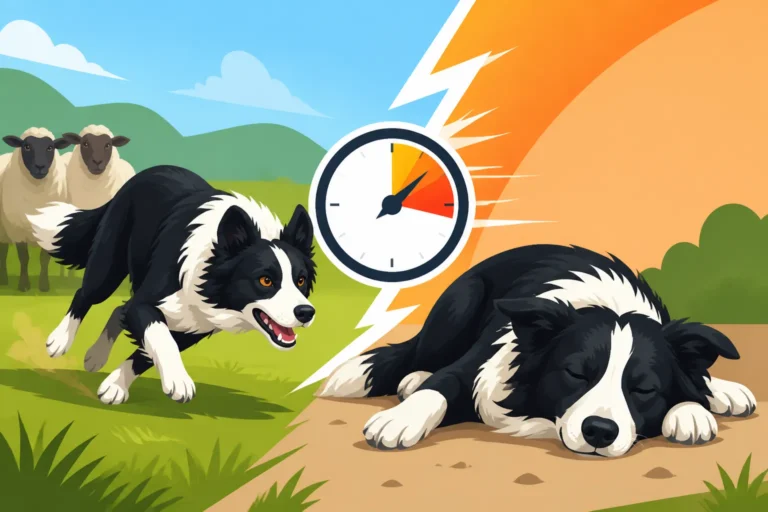
Imagine a human athlete competing at an elite level, day in and day out, not just during specific seasons. That's closer to the physical reality for many working Border Collies. Their days, whether on a sprawling farm or in the intense arena of competitive dog sports, are a relentless cycle of explosive sprints, sharp turns, sudden stops, and incredible feats of agility. They navigate varied terrain—mud, rocky pastures, uneven fields, slippery indoor surfaces—all while maintaining balance and focus. This isn't a casual stroll; it's a high-impact, full-body workout that can last for hours, often spread across a day, sometimes for several days in a row during trials or intense farm work.
Think of a dog on a sheep farm, constantly covering ground, sometimes miles in a day, gathering, driving, and shedding sheep. Or an agility dog, weaving poles at top speed, launching over jumps, and scrambling through tunnels with precision. This sustained, high-intensity activity puts immense strain on every part of their physical structure – their muscles, ligaments, tendons, and especially their joints. This constant, repetitive movement, coupled with bursts of explosive power, is where the earliest signs of physical aging might manifest.
The Intense Mental Load
Beyond the physical, a working Border Collie carries an extraordinary mental load. These aren't dogs simply running around; they are thinking, problem-solving, and making complex decisions in real-time. On a farm, they must read the sheep, anticipate their movements, understand the handler’s commands (often given by whistle or subtle body language), and execute sophisticated maneuvers to control the flock. In dog sports, they are memorizing intricate courses, adjusting to changing conditions, and maintaining intense focus amidst distractions and high-pressure environments.
This isn't just intelligence; it's an unparalleled capacity for concentration and strategic thinking. The famous "Border Collie stare" isn't just for show; it's a testament to their profound mental engagement. This continuous cognitive effort, the need to be "on" and responsive for extended periods, can be mentally exhausting. While mental stimulation is generally beneficial for cognitive health, the unique stress of performance, the drive to get it "right," and the potential frustration if they can't fulfill their working purpose, can also take a toll. This constant mental effort, though different from physical exertion, is an integral part of their working life that needs consideration when discussing aging.
Physical Wear and Tear: The Impact of a Working Life
It's undeniable that a life of intense physical activity, while keeping a dog incredibly fit, also comes with inherent risks of wear and tear on the body. This is where many owners understandably worry about accelerated aging.
Joints, Ligaments, and Tendons
The joints of a working Border Collie are subjected to extreme forces. Every jump, every hard stop, every tight turn, sends impact through their hips, elbows, shoulders, and even their spine. It's a bit like a competitive human runner’s knees or a weightlifter’s shoulders; the constant load and impact can lead to long-term issues.
We frequently see a higher incidence or earlier onset of conditions like osteoarthritis in working or sport-focused Border Collies. While genetics play a significant role, even a dog with excellent genetic predispositions can develop joint issues from years of hard work. Cruciate ligament tears, particularly common in agility dogs, can sideline a Border Collie, and while surgery can fix the immediate issue, it often predisposes the joint to arthritis down the line. Hip and elbow dysplasia, which are often hereditary, can be exacerbated by the constant strain of a working life. It's why responsible breeders are so diligent about health testing parents for these conditions, like ensuring proper Hip and Elbow Scores in a Border Collie. But even with the best genetic start, the physical demands are real.
Soft Tissue and Paw Health
Beyond the major joints, the intricate network of muscles, ligaments, and tendons that support movement are also at risk. Muscle strains and sprains are common in dogs that are constantly accelerating, decelerating, and twisting. Imagine a Border Collie quickly changing direction to gather a breakaway sheep or landing awkwardly after a high jump in disc dog. These incidents can lead to acute injuries or, over time, chronic soft tissue damage.
Paw health is another critical area. Working dogs traverse all kinds of surfaces – rough pasture, gravel, concrete, ice, hot asphalt. This can lead to worn pads, cuts, abrasions, and even foreign objects like grass seeds getting lodged between toes. Neglecting paw care can lead to painful infections or lameness, which can then throw off a dog's gait and stress other parts of their body. In icy conditions, ice balls can form in the hair between their paw pads, causing discomfort and potential injury.
Cardiovascular and Respiratory System
While a working life typically ensures a Border Collie maintains peak cardiovascular and respiratory fitness, the sheer intensity can pose challenges, especially as they get older. An incredibly fit heart and lungs are vital for sustained exertion. However, intense bursts of activity, particularly in extreme weather conditions (like high heat or humidity), can put significant strain on these systems.
For an older working dog, or one with an undiagnosed underlying heart condition, pushing too hard could lead to serious problems. It’s crucial to monitor their breathing, energy levels, and recovery time carefully, adjusting their workload as they age. Regular veterinary check-ups are paramount, including cardiac screenings if any concerns arise, ensuring that their internal engines are as sound as their visible athleticism.
Mental Strain and Stress: Does It Age Them Faster?
It’s easy to focus on the physical, but the mental aspect of a working dog’s life is equally profound and can influence how they age.
The Pressure to Perform
Border Collies are renowned for their intense drive and desire to work. They are bred to be partners, to anticipate, and to excel. This inherent drive can lead to a powerful "pressure to perform" within the dog. They often push themselves past fatigue or even discomfort because they are so focused on the job and pleasing their handler. This isn't necessarily a bad thing – it’s what makes them so good at what they do – but it means they often won't "self-limit" in the way a less driven dog might.
Constant mental engagement, while stimulating, can also be draining. Imagine always being "on," always ready to respond, always processing information. This sustained mental state, without adequate downtime and a true "off-switch," can lead to a form of chronic stress. While the direct link to accelerated physical aging isn't always clear-cut, chronic stress in humans is known to have physiological impacts, and it's not a stretch to imagine it can affect dogs similarly, potentially influencing immune function or recovery times.
Cognitive Decline and Mental Engagement
Ironically, while the pressure can be a stressor, lifelong mental engagement is often cited as a protective factor against cognitive decline in both humans and animals. A Border Collie who is constantly learning, problem-solving, and interacting with their environment is exercising their brain daily. This regular mental workout can help maintain cognitive function well into their senior years.
However, the nature of their work matters. If a Border Collie is under constant pressure, or if their work becomes a source of anxiety rather than joyful partnership, this could shift the balance. A dog that is frustrated, bored, or stressed by their working role might experience different cognitive outcomes than one who is happily challenged. Some older Border Collies, even after their physical working life ends, retain an incredible mental sharpness and desire to be useful, as seen in The Old Border Collie That Still Wants to Gather. The goal is always a balance of stimulating work and restful mental breaks.
Mitigating the Effects of a Strenuous Life
The good news is that while a working life places unique demands on a Border Collie, dedicated owners can do a tremendous amount to support their dogs and ensure they live long, healthy, and happy lives. It’s not about avoiding work, but about smart, responsible management.
Proactive Veterinary Care and Nutrition
This is foundational for any dog, but especially for a working Border Collie. Regular, proactive veterinary check-ups are non-negotiable. Don't wait until something is visibly wrong. Annual exams should include thorough orthopedic checks, listening to their heart and lungs, and possibly Yearly Bloodwork for a Border Collie to catch any subtle changes in organ function before they become major issues. Discuss supplements with your vet – things like glucosamine, chondroitin, and omega-3 fatty acids can support joint health, especially as they age.
Nutrition is another cornerstone. A working Border Collie burns an incredible number of calories and needs a high-quality, nutrient-dense diet designed for active dogs. This often means a higher protein and fat content than a typical pet food. Considerations such as Whether a Working Border Collie Eats Twice a Pet's Ration are real, and their diet needs to be carefully calibrated to their workload to maintain an ideal body condition. Many handlers choose performance-specific formulas from reputable brands like Purina Pro Plan Sport or Eukanuba Premium Performance. Proper hydration is also critical, especially during and after work.
Pet insurance, such as a plan from Healthy Paws, can be an invaluable tool here. With the increased risk of injuries and the need for potentially expensive treatments like Physiotherapy Costs for a Sport Border Collie or advanced diagnostics for joint issues, having robust insurance coverage can allow you to make medical decisions based on what’s best for your dog, rather than solely on your wallet. It means you can access specialists, cutting-edge therapies, and ongoing rehabilitative care without immense financial strain, ensuring your working partner gets the best chance at recovery and continued soundness.
Smart Training, Conditioning, and Rest
How you train and condition your Border Collie makes a huge difference. Build their fitness gradually, much like a human athlete's conditioning program. Incorporate proper warm-ups before intense activity and cool-downs afterward to prevent injuries and aid recovery. Cross-training can also be beneficial, engaging different muscle groups and reducing repetitive strain on specific joints. Think swimming for low-impact cardio or specific strength and conditioning exercises.
Crucially, working dogs need rest. Genuine rest. This means not just sleeping, but also mental downtime where they don't have to be "on." Teach them an "off-switch" from a young age – a cue to settle on a mat, or simply to relax in their crate. Overtraining, both physically and mentally, is a real risk and can lead to burnout, injuries, and increased stress. Schedule rest days, and be mindful of their overall energy levels, particularly during busy trial seasons or heavy farm work.
Recognizing the Signs of Aging and Knowing When to Retire
One of the hardest parts of owning a working Border Collie is recognizing when their working life needs to change. They are so driven, they will often try to keep going even when they are in discomfort. This means owners must be incredibly observant. Look for subtle signs: a slight hesitation before jumping, a longer warm-up time in the morning, a reduced enthusiasm for certain tasks, a tendency to "cheat" turns, or even just a general stiffness or change in their gait. Learning to spot Signs an Old Border Collie Is in Pain is essential.
The decision to transition from full-time work or competition to a more relaxed pace, or even full retirement, is deeply personal and often heartbreaking for the handler. However, it's a testament to your love and commitment to their well-being. Retiring a Border Collie From Stock Work doesn't mean the end of their purpose; it's a shift to a new, equally valuable phase of companionship. Provide them with mental stimulation that doesn't require intense physical exertion, such as scent work, puzzle toys, or gentle trick training.
The Role of Genetics vs. Lifestyle
It's important to remember that genetics provide the blueprint, but lifestyle and care fill in the details. A Border Collie from lines known for longevity and soundness, with parents who have passed rigorous health checks and possibly even worked well into their later years, has a distinct advantage. Health testing for genetic conditions is paramount, and understanding The Border Collie Genetic Panel and What It Screens can help you make informed decisions.
However, even a genetically sound dog can be prematurely aged by poor nutrition, inadequate care, or an unchecked workload. Conversely, a dog with some genetic predispositions can often live a long, comfortable life with excellent management and proactive care. It’s a delicate balance. Investing in a sound puppy from a reputable breeder is the first step, and then committing to a lifetime of attentive care and appropriate management for their working role is the ongoing responsibility.
| Area of Concern | Working Border Collie Management | Pet Border Collie Management |
|---|---|---|
| Joint Health | Regular vet check-ups, joint supplements (glucosamine/chondroitin), anti-inflammatory medication as needed, physical therapy/rehab. | Regular vet check-ups, maintain healthy weight, moderate exercise, joint supplements as prevention. |
| Muscle/Soft Tissue | Proper warm-ups/cool-downs, massage, stretching, varied exercise, prompt attention to limps/stiffness. | Regular, moderate exercise, avoid sudden extreme activity, good nutrition. |
| Paw Health | Daily checks for cuts/abrasions, moisturizing balms, protective boots in extreme conditions, regular nail trims. | Regular nail trims, occasional checks, paw balms if pads become dry/cracked. |
| Cardiovascular | Regular vet checks, monitor stamina/recovery, adjust workload in heat/humidity, maintain ideal body weight. | Regular vet checks, moderate exercise, maintain ideal body weight, avoid obesity. |
| Cognitive | Varied mental challenges, downtime, positive reinforcement, recognizing signs of cognitive decline. | Puzzle toys, training, social interaction, varied environments, monitoring for cognitive changes. |
| Overall Lifespan | Proactive care is essential to manage physical wear, ensuring quality of life. Longevity often tied to careful management of conditions. | Average lifespan, focus on preventative care and managing common age-related conditions. |
In Conclusion: It's About Quality, Not Just Quantity
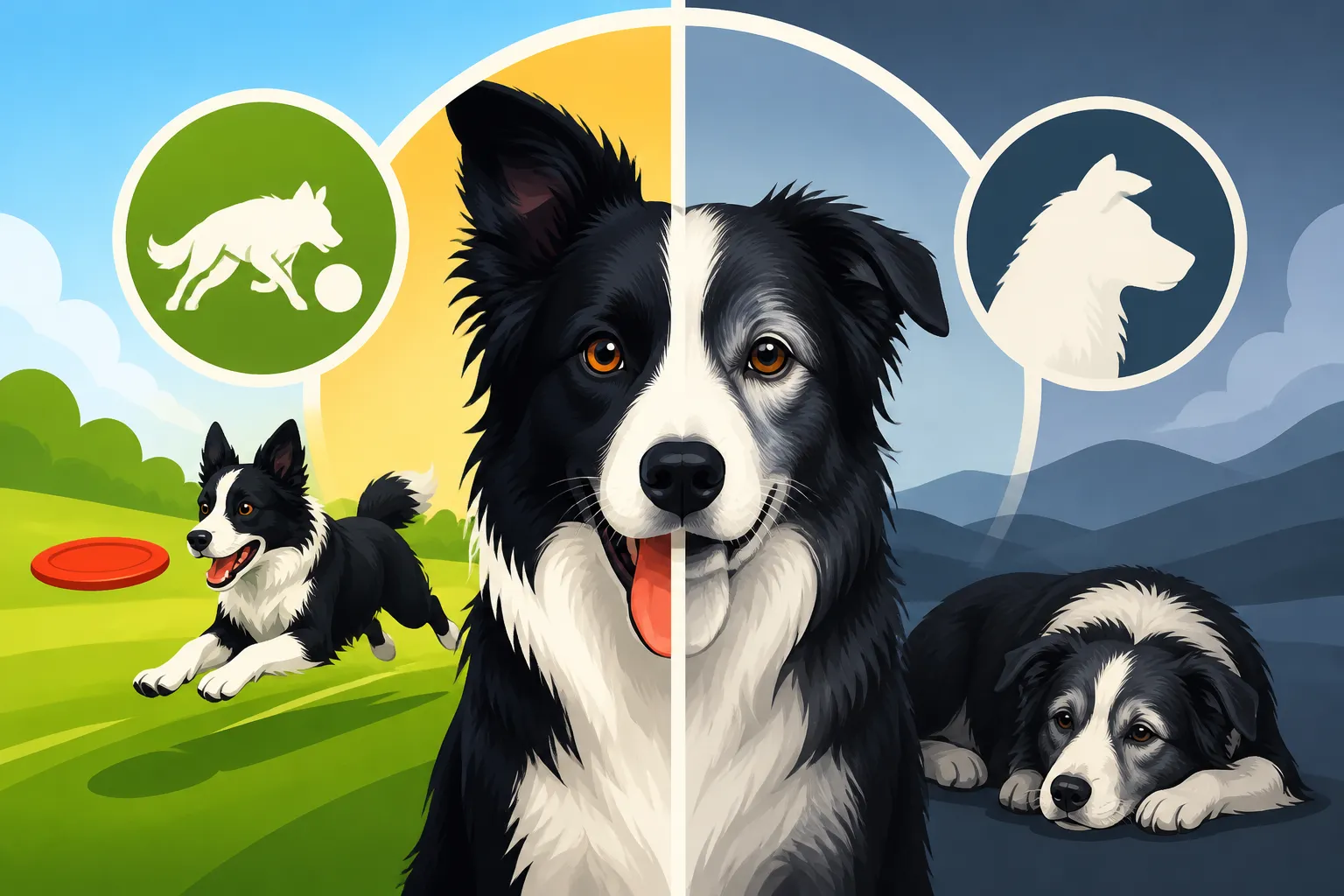
So, does a working Border Collie age faster? It's not a simple "yes" or "no." A life of intense physical and mental demands will undoubtedly put more wear and tear on their body, potentially leading to an earlier onset of certain orthopedic conditions or requiring more vigilant management of their physical health. In that sense, some aspects of their body might show signs of "aging" sooner.
However, a working life also keeps a Border Collie incredibly fit, mentally sharp, and deeply fulfilled. These factors can contribute to a robust immune system, excellent cardiovascular health, and a strong will to live and engage, which are all protective against certain aspects of aging. Many working Border Collies live long and incredibly vibrant lives, staying sound and active well into their teens. The key is intelligent, proactive management.
With consistent, high-quality nutrition, regular and comprehensive veterinary care (often supported by pet insurance like Healthy Paws), smart conditioning, ample rest, and an owner who is keenly attuned to their dog’s individual needs and subtle signs of discomfort, a working Border Collie can absolutely thrive. The journey with a working Border Collie is a partnership, demanding dedication and foresight, but the rewards are immense. Ultimately, it’s about ensuring a high quality of life throughout their years, allowing them to do the work they love, and transitioning them gracefully into a comfortable and mentally stimulating retirement. They don't necessarily live shorter lives than their pet counterparts, but their journey requires a more intense and focused approach to health and wellness to achieve a good How Long a Border Collie Lives.
Disclaimer
The information provided in this article is for general informational purposes only and is not a substitute for professional veterinary advice. Always consult with a qualified veterinarian regarding any health concerns or before making any decisions about your dog's care or treatment.