Whether a Border Collie Grips
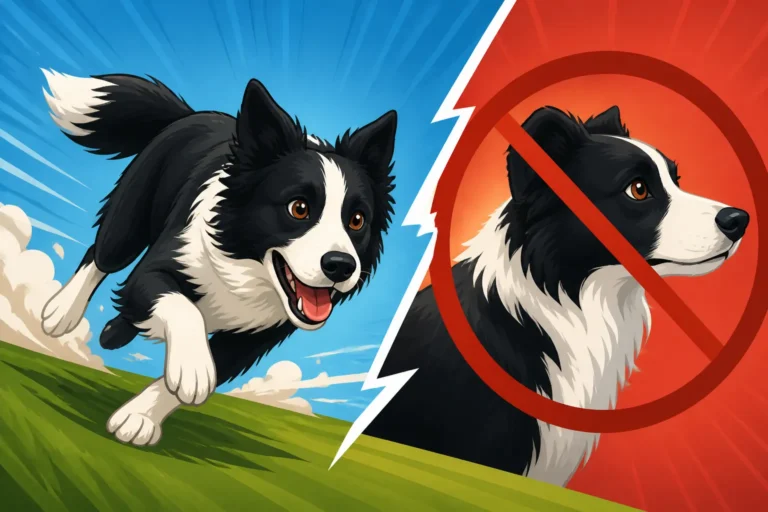
The Border Collie, with its intense gaze and incredible work ethic, can be an absolute marvel to behold. But if you’ve ever had one of these intelligent dogs try to “herd” you, your kids, or even the vacuum cleaner with a sharp nip or a firm mouth on your arm, you know how quickly that marvel can turn into a frustrating, even painful, daily struggle. This guide delves deep into the often misunderstood behavior of gripping in Border Collies, exploring its roots in their herding instinct and offering comprehensive strategies to manage and redirect it for a harmonious home.
Understanding the Border Collie Grip: Instinct Versus Behavior
When we talk about a Border Collie "gripping," it's more than just a casual nip. It's a specific action deeply tied to their historical role as a stock dog, and it can manifest in various ways depending on the context and the individual dog. Understanding the difference between an instinctual, functional grip and an unwanted, problematic behavior is the first step toward managing it effectively. It's a behavior that often stems from a powerful, innate drive, and without proper outlets or guidance, it can become a real challenge in a pet home.
What "Gripping" Actually Means for a Border Collie
In the world of working sheepdogs, a "grip" is a controlled, purposeful bite used to move livestock. It's a calculated application of pressure, typically to the leg or flank of a sheep, to assert control and guide the flock. This isn't an aggressive bite intended to injure, but rather a tool to enforce direction and maintain order. A good working dog learns when and how much to grip, and when not to. This nuance is often lost when that instinct is transposed into a domestic setting where the "flock" might be your running child or a visitor's pant leg. The sensation for a person can range from a firm mouth hold, which might leave a bruise, to a sharp nip that breaks the skin. It’s a powerful communication from a dog saying, "Move this way," or "Stop that!"
The Herding Instinct and Its Role in Nipping and Biting
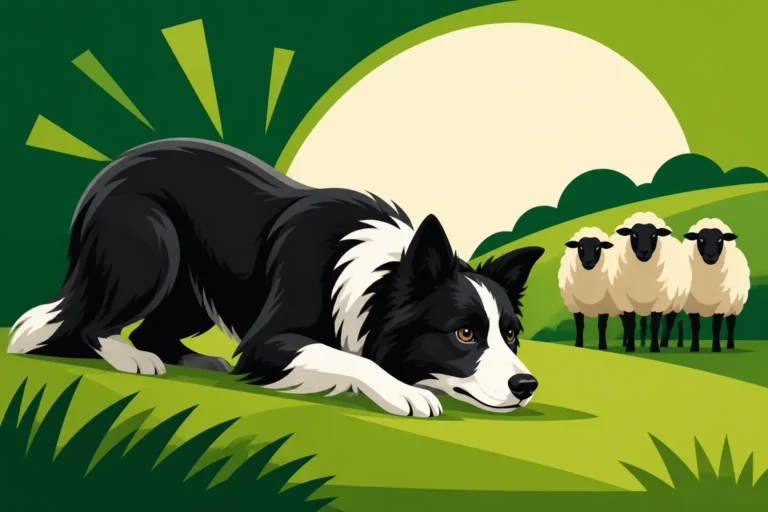
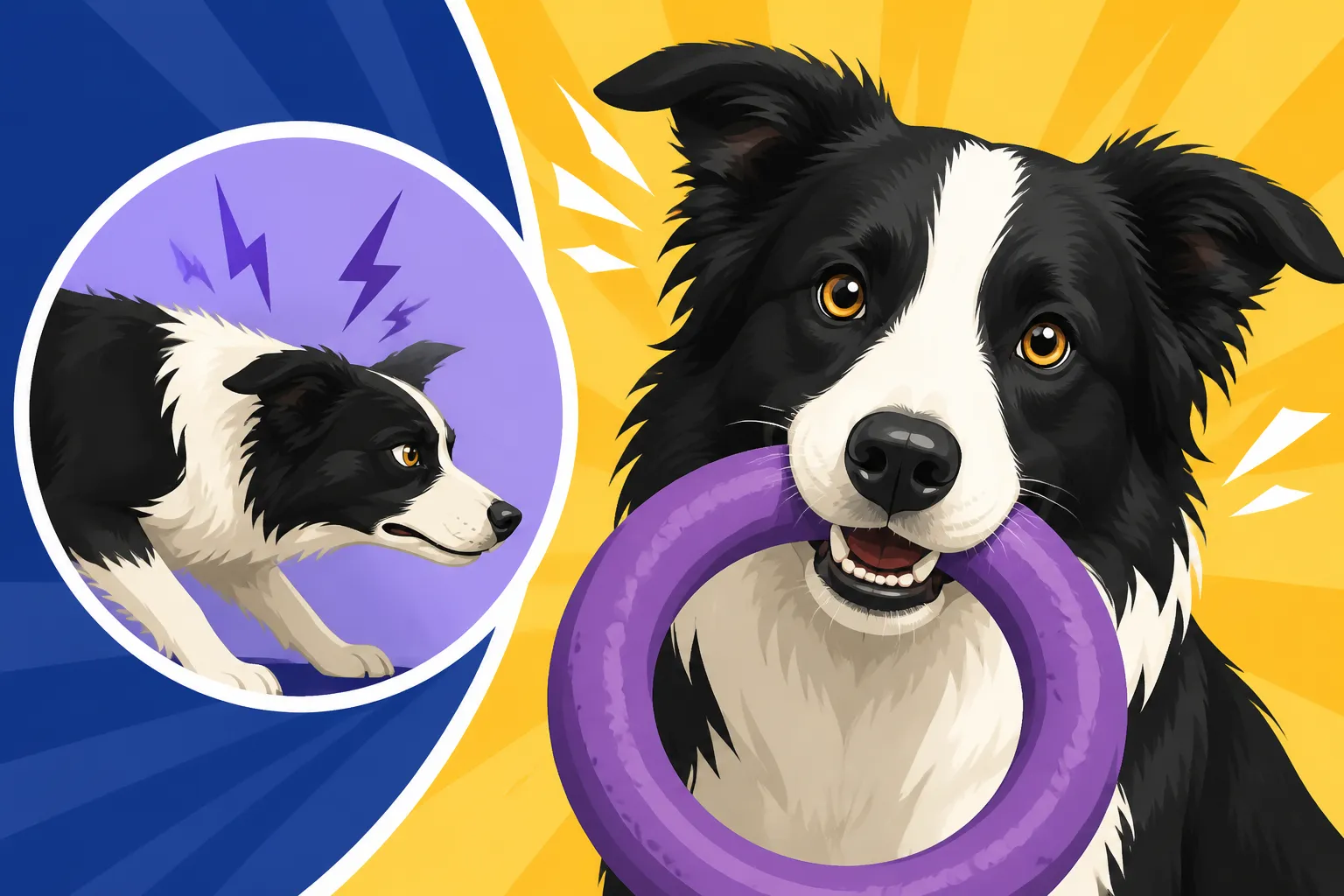
The herding instinct in Border Collies is a complex, hardwired sequence of behaviors: eye, stalk, chase, gather, drive, and yes, the occasional grip. When you see your Border Collie drop into Why a Border Collie Crouches and Stares, it's often the start of this sequence. They are bred to control movement, and in the absence of sheep, that instinct finds other targets. Moving children, bicycles, squirrels, vacuum cleaners, or even shadows can all become "livestock" that need to be gathered and controlled. Nipping at heels, pant legs, or arms is often a frustrated attempt to fulfill this instinctual drive. It’s not necessarily malice; it's a dog trying to do its job without the proper tools or understanding of appropriate targets. This can be especially pronounced in young, energetic dogs who haven't yet learned to channel their impulses.
Differentiating Play Biting from Problematic Gripping
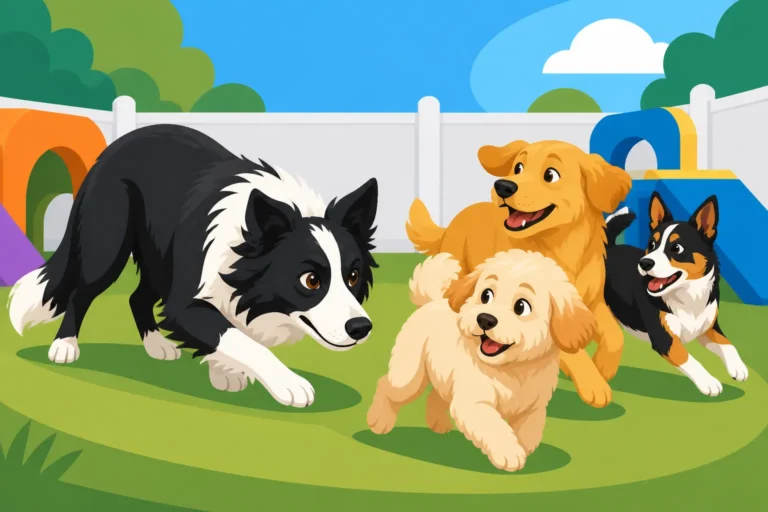
All puppies, Border Collies included, engage in play biting. This is how they learn bite inhibition from their littermates and mother. A puppy mouth is exploring the world. However, there's a critical difference between a puppy's playful nips, even if a bit rough, and the purposeful, often escalating gripping that can develop in a Border Collie. Play biting tends to be softer, more varied, and usually stops when the human yelps or withdraws attention. Problematic gripping, on the other hand, is often intense, persistent, and aimed at controlling movement. It typically comes with that characteristic intense Border Collie "eye" and a clear intent to direct. If your Border Collie puppy is still The Border Collie Puppy That Bites Hands past a few months of age, or if the intensity of their mouthing escalates rather than diminishes, it’s a sign that the herding instinct might be manifesting in a way that needs intervention.
Common Triggers and Scenarios for Gripping
Understanding why a Border Collie grips often comes down to identifying the specific triggers that set off their innate herding drive. These triggers can vary widely depending on the environment, the dog's training, and their individual personality. Recognizing these scenarios is crucial for both prevention and management.
Gripping on Livestock: When it's Necessary, When it's Not
On a working farm, a grip on livestock is sometimes a necessary tool. A dog working a stubborn ewe that won't move from the gate, or a stray lamb that needs to rejoin the flock, might use a controlled grip to achieve its objective. However, even in a working context, excessive or uncontrolled gripping is a fault. A good stock dog learns to work "kindly," using its presence and "eye" more than its mouth. A dog that grips out of frustration, fear, or a lack of proper training is a liability, as it can injure stock or create undue stress. For those who train their Border Collies on sheep, teaching Stopping a Border Collie Gripping Wool is a fundamental part of the education, ensuring the dog works effectively without causing harm. It’s about precision and control, not just raw power.
The Problem with Gripping People: Why it Happens in Pet Homes
In a pet home, gripping people is almost never acceptable. It’s a direct conflict between the dog’s instinct and human safety and comfort. This type of gripping often stems from the Border Collie's desire to control movement. Picture this: your child runs through the yard, laughing, arms flailing. To a Border Collie, this erratic, fast movement screams "loose sheep!" Their instinct kicks in, and they might dart out, nip at a heel, or grab a pant leg to try and "gather" the child. The same can happen if you're jogging, or if a visitor moves quickly across a room. The dog sees uncontrolled movement and attempts to apply its herding strategy. This is a common complaint, often leading to people wondering Whether a Border Collie Nips Ankles. It’s a natural behavior for them, but an unwelcome one for us. Without appropriate outlets and clear boundaries, this can quickly become a habitual and problematic behavior.
Objects and Movement: Gripping Everything from Clothing to Wheels
The herding instinct isn't limited to living things. Many Border Collies will try to "herd" inanimate objects that move. This can manifest as nipping at the wheels of bicycles, skateboards, or even cars. It might involve grabbing at clothing, especially if it’s flowing or flapping, like a loose scarf or a child’s coat. The vacuum cleaner, with its movement and noise, is another common target for a Border Collie looking to "control" its environment. They may even try to A Border Collie That Herds the Cat or other household pets, sometimes using nips or grips to direct them. These behaviors, while less dangerous than gripping people, still indicate an overactive or undirected herding drive. They can cause damage to property and can be a sign of underlying frustration or boredom in the dog, prompting a need for more appropriate mental and physical engagement.
Proactive Prevention: Setting Your Border Collie Up for Success
The best approach to managing gripping behavior in Border Collies is prevention. By understanding their needs and instincts, we can implement strategies from the earliest stages of their lives to channel their natural drives positively and avoid the development of unwanted gripping habits. It's about building a strong foundation of appropriate behavior and clear communication.
Early Socialization and Bite Inhibition in Puppies
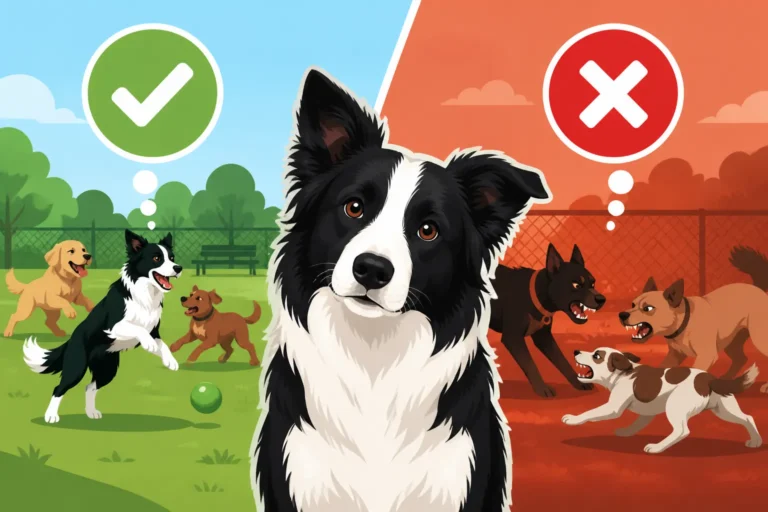
For Border Collie puppies, early and consistent socialization is paramount. This means exposing them to a wide variety of sights, sounds, people, and other well-behaved dogs in a safe and controlled manner. Crucially, it also involves teaching bite inhibition. When a puppy nips too hard, immediately withdraw attention, yelp loudly, or briefly remove yourself from the interaction. This mimics how littermates teach each other boundaries. Programs like those offered by BAXTER & Bella can provide excellent structured guidance for puppy owners navigating these critical early weeks, helping them understand how to shape appropriate social skills and manage mouthiness before it escalates into actual gripping. The goal is to teach the puppy that human skin is sensitive and that a gentle mouth is always preferred. Consistent effort during this crucial period can make a world of difference in preventing future gripping issues.
Structured Training and Clear Boundaries from Day One
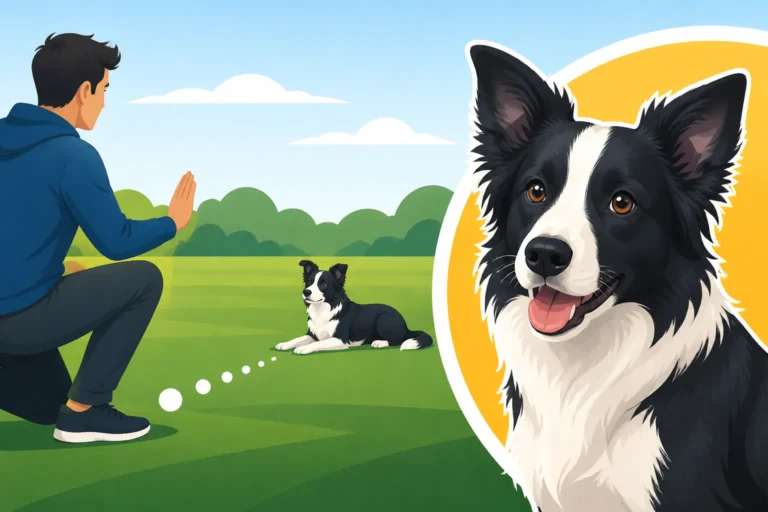
Border Collies thrive on structure and clear expectations. From the moment they enter your home, establishing rules and boundaries is essential. This includes teaching basic obedience commands like "sit," "stay," and "leave it," which are vital for controlling impulse and redirecting unwanted behaviors. A strong The Emergency Word a Border Collie Must Know can be a lifesaver when a gripping incident is imminent. Crate training can also provide a safe, calm space for a dog to decompress, especially when overstimulated. The more consistently you reinforce desired behaviors and redirect undesirable ones, the clearer your Border Collie will understand what is expected of them. This is not about stifling their spirit but guiding their immense intelligence into productive channels. Consistent training sessions, even short ones, build a strong communication bond and help them understand their role in your household.
Appropriate Outlets for Herding Energy and Mouthiness
Since gripping stems from a powerful herding drive, providing appropriate outlets for that energy is key. Simply walking a Border Collie isn't enough; they need mental engagement as much as physical exertion. Consider dog sports like agility, flyball, or obedience, where they can use their intelligence and athleticism in a structured way. Herding lessons, even for a pet Border Collie, can be incredibly enriching, giving them a safe and controlled way to fulfill their deepest instincts on actual livestock. If herding isn't an option, consider activities that mimic the mental challenge of herding, such as scent work or advanced trick training. For mouthiness, provide plenty of durable chew toys and engage in structured fetch games where the dog learns to The Border Collie That Will Not Drop the Ball on command. Rotating toys and introducing puzzle feeders found on sites like Amazon can also provide valuable mental stimulation, keeping their minds busy and their mouths off inappropriate targets.
Strategies for Managing and Redirecting Gripping Behavior
Even with the best preventative measures, some Border Collies might still exhibit gripping tendencies. The key at this stage is to manage the behavior safely and redirect it towards more acceptable outlets. This requires consistency, patience, and a clear understanding of what you want your dog to do instead of gripping.
Interruption and Redirection Techniques
When your Border Collie attempts to grip, immediate and consistent interruption is vital. Avoid physical punishment, as this can escalate the behavior or create fear. Instead, use a sharp, clear verbal interrupter (like "Nope!" or "Ah-ah!"), or a loud noise to startle them momentarily. The moment they disengage, redirect their attention to an appropriate chew toy or a short training exercise. For example, if they try to nip at your pants, immediately present a tug toy or a ball and engage them in a structured play session. This teaches them that engaging with you on your terms with appropriate objects is rewarding. For persistent heel nippers, a long line or leash can be invaluable. It allows you to physically interrupt the behavior by gently guiding them away without physical contact, giving you control and the opportunity to redirect. Remember, the goal is not just to stop the gripping, but to teach them an alternative, acceptable behavior.
Using Tools and Management Aids Effectively
Management tools are not a substitute for training, but they can be incredibly helpful in preventing gripping incidents while you work on modifying the behavior. For dogs that persistently nip at heels or clothing, a properly fitted muzzle, used only during high-risk situations (like when children are playing), can ensure safety for everyone involved. It's crucial that the muzzle is introduced positively and comfortably, not as a punishment. Similarly, baby gates or exercise pens can create safe zones, allowing you to separate your Border Collie from triggers like running children, as discussed in What Children Have to Learn Around a Border Collie. A durable tug rope or a set of herding balls (large, puncture-proof balls designed for dogs to push and "herd") can provide an appropriate physical outlet for their instincts. You can find a wide variety of these items on platforms like Amazon, making them accessible tools for management. Using these tools responsibly provides a much-needed safety net while training progresses.
When to Seek Professional Guidance for Gripping
If you've tried consistent management and redirection techniques and your Border Collie's gripping behavior persists, intensifies, or becomes aggressive, it's time to seek professional help. A certified professional dog trainer or a veterinary behaviorist can assess your dog's specific situation, identify underlying causes, and develop a tailored training plan. They can help you understand the nuances of your dog's behavior, refine your techniques, and introduce more advanced strategies. Sometimes, gripping can be linked to anxiety, over-arousal, or even an underlying medical issue, and a professional can help rule these out. Don't be ashamed to ask for help; even experienced Border Collie owners can find persistent gripping challenging. Organizations like BAXTER & Bella also offer ongoing support and one-on-one coaching, which can be invaluable when dealing with complex behavioral issues. Early intervention by a professional can prevent gripping from becoming a deeply ingrained and dangerous habit.
The Long-Term Outlook: Living with a Border Collie and Their Instincts
Living with a Border Collie means accepting and understanding their intense instincts. While you can train and manage gripping behavior, the underlying drive to herd will always be there. The long-term success of coexisting peacefully with a Border Collie who has gripping tendencies relies on unwavering consistency, a commitment to meeting their needs, and a willingness to adapt your lifestyle.
Consistency is Key: Reinforcing Good Habits Over Time
Training a Border Collie is rarely a "one and done" affair. The intelligent, driven nature that makes them so capable also means they are constantly testing boundaries and observing consequences. For managing gripping, consistency across all family members is non-negotiable. Everyone in the household must use the same commands, the same redirection techniques, and maintain the same boundaries. If one person allows a mild nip, it undermines all the work everyone else is doing. Regularly review your training plan, practice impulse control exercises, and provide ample opportunities for appropriate mental and physical stimulation. The goal is to make the desired behaviors so ingrained that they become your dog's default response, even in tempting situations. This requires ongoing effort, but the rewards are a well-adjusted, respectful canine companion.
Adapting Your Lifestyle to Meet Their Needs
Owning a Border Collie often means adapting your lifestyle to accommodate their unique needs. This isn't a breed that thrives on being a couch potato. If you have a Border Collie with a strong herding drive, you might need to adjust your exercise routines, seeking out safe, enclosed spaces where they can run freely or engage in structured play. You might need to reconsider activities that trigger their gripping, or implement management strategies like long lines or leashes when in public spaces where distractions are high. For example, if your dog tends to herd children at the park, scheduling playtime during quieter hours or finding alternatives like a dog-friendly hiking trail could be beneficial. It also means committing to providing regular mental stimulation, whether through Puzzle Feeders That Hold a Border Collie, trick training, or engaging brain games. By thoughtfully integrating their needs into your daily life, you foster a happier, more balanced dog and significantly reduce the likelihood of unwanted behaviors like gripping.
Celebrating the Border Collie's Unique Traits Responsibly
Ultimately, the intensity and drive that can lead to gripping are also the very traits that make Border Collies such exceptional companions, workers, and athletes. Their intelligence, loyalty, and boundless energy are what captivate us. By understanding these traits, respecting their origins, and providing responsible guidance, we can celebrate what makes them unique without letting challenging behaviors take over. It’s about channeling their innate desire to work and control into constructive, enjoyable activities that benefit both dog and owner. A Border Collie that is well-exercised, mentally stimulated, and given clear boundaries is a joy to live with, a testament to what thoughtful ownership can achieve. They truly are an extraordinary breed, deserving of an extraordinary commitment to their well-being and behavior.
| Type of Gripping | Description | Common Triggers | Management & Redirection Strategies |
|---|---|---|---|
| Heel/Ankle Nipping | Nipping at the back of legs, feet, or ankles. | Running children, jogging, fast movement of people. | Immediate stop of movement, redirect to toy, "leave it" command, management with long line. |
| Clothing Grabbing | Grabbing, tugging, or nipping at pants, sleeves, or flowing garments. | Flowing clothes, sudden movements, frustration, attention-seeking. | Remove attention, redirect to appropriate chew, consistent "off" command. |
| Object Herding/Nipping | Nipping at wheels (bikes, skateboards), vacuum cleaners, or other moving objects. | Movement of objects, high-arousal situations. | Avoid exposure to triggers where possible, redirect to structured play (e.g., fetch, tug). |
| Stock Gripping (Pet) | Attempting to nip or herd other pets (cats, small dogs) in the home. | Movement of other animals, lack of appropriate herding outlet. | Supervise interactions, use gates for separation, provide designated "herding" toys (e.g., large ball). |
| Frustration Gripping | Nipping or biting when overstimulated, bored, or unable to perform a desired action. | Lack of mental/physical stimulation, unmet expectations. | Increase appropriate exercise and mental work, calm dog, teach impulse control, "place" command. |
Disclaimer
This article is for general informational purposes only and does not constitute professional advice. Laws, prices and regulations vary by location and change over time. Consult a qualified professional for guidance on your specific situation.