Why Walking a Border Collie Is Not Enough
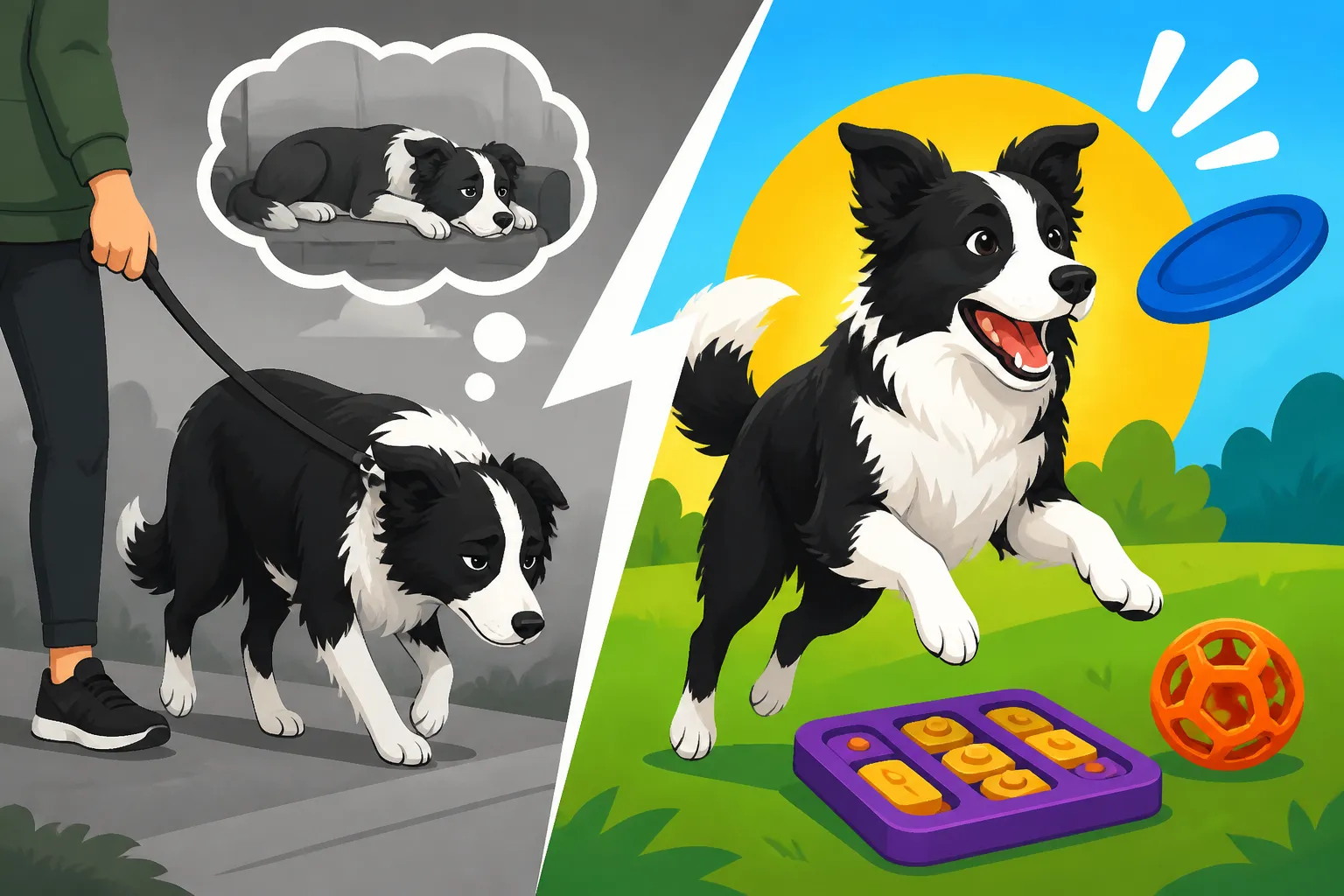
It's a common misconception, isn't it? You get a Border Collie, you hear they're high-energy, so you commit to long walks, maybe even a daily run. Yet, despite clocking in miles, your brilliant dog is still pacing, barking at shadows, or trying to "herd" your kids. This guide is here to shed light on why a simple walk, no matter how long, just doesn't cut it for these incredible dogs, and what you really need to provide to foster a happy, well-adjusted Border Collie.
The Border Collie Mind: More Than Just Legs
When you bring a Border Collie into your life, you're not just getting a dog with an impressive capacity for physical activity; you're adopting a super-computer in a furry package. Their minds are wired differently than many other breeds, constantly analyzing, problem-solving, and looking for a task. Ignoring this crucial aspect of their being is like buying a high-performance sports car and only ever driving it at 20 mph to the grocery store. It might get the job done, but it's utterly wasted potential and frankly, it's just plain frustrating for everyone involved.
A Deep-Seated Drive to Problem Solve
Border Collies weren't bred to run aimlessly across fields for hours. They were meticulously developed over generations to be intelligent, independent thinkers capable of managing livestock with minimal human intervention. This means they have an innate drive to observe, predict, and control their environment. A simple walk doesn't tap into this powerful cognitive engine. While their body might be moving, their brain is often under-stimulated, leading to that restless energy that feels so baffling to owners. They need challenges that engage their intellect, making them think and strategize. It's why they excel at complex tasks and can learn an incredible number of commands, often surprising their handlers with how quickly they pick things up. They genuinely enjoy learning and solving puzzles, whether it's navigating an agility course or figuring out how to open a child-proof gate.
The Herding Dog's Genesis
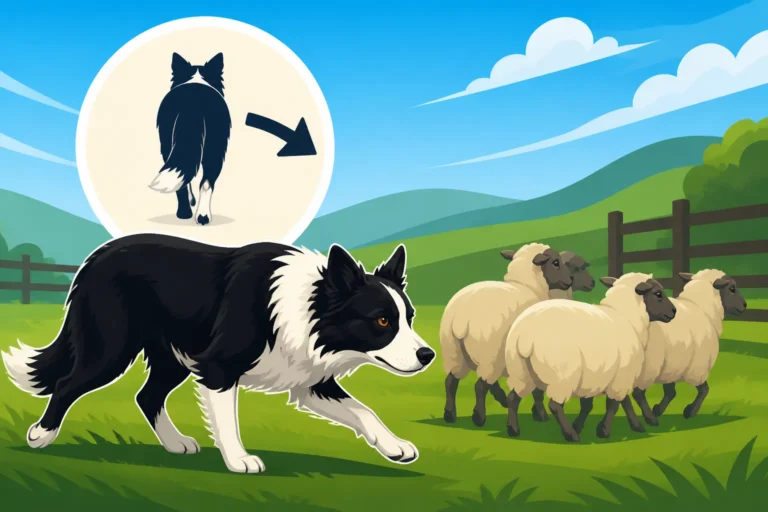
To understand why walking isn't enough, we have to look back at the origins of the Border Collie. These dogs trace their lineage back to the Anglo-Scottish border region, where shepherds needed a dog that could work tirelessly, think for itself, and respond to subtle commands over vast distances. Dogs like Old Hemp and Every Border Collie Alive Today set the standard for what we now know as the Border Collie: a dog that uses its "eye"—a concentrated stare—and strategic movement to influence sheep. This isn't just about running; it's about intelligence, control, and partnership. They weren't created to be pavement pounders or park rompers without a job. They were designed for mental heavy lifting, where physical exertion was a byproduct of a challenging cognitive task. Their very essence is rooted in purpose and intricate problem-solving.
The Urge to Work: Herding Instincts Beyond the Walk
The powerful herding instinct is the core of the Border Collie, and it's something that often surprises new owners who aren't familiar with working breeds. This isn't just about running after sheep; it's a complex set of behaviors that demands a productive outlet. A walk might burn some calories, but it doesn't even begin to address this deeply ingrained drive. Without an appropriate outlet, this instinct can manifest in ways that are bewildering, frustrating, and sometimes even problematic in a typical pet home.
The "Eye" and Stalking Behavior
One of the most defining characteristics of the Border Collie is their intense "eye," that low, stalking gaze they fix on anything that moves. This isn't just a quirky habit; it's a fundamental part of their herding technique, used to intimidate and guide sheep. On a walk, this eye might lock onto a squirrel, a passing car, a bicycle, or even a leaf blowing in the wind. They'll drop into that characteristic crouch, stalk, and perhaps even try to "gather" the object. While physically moving, their brain is still in a heightened state of instinctual engagement, without the satisfaction of completing the herding sequence. This leaves them feeling unfulfilled and often more keyed up than when the walk started. It's why you might see a Border Collie intensely focused on something trivial, exhibiting The Border Collie That Stalks the Vacuum or The Border Collie That Chases the Sun Off Walls. They are trying to apply their genetic blueprint to a world that doesn't offer sheep.
The Need to Gather and Control
Beyond the stalk and stare, Border Collies have a strong urge to gather and control. They want to bring things together, keep them in a group, and move them in a desired direction. This can be adorable when they're gently nudging their toys into a pile, but it quickly becomes less charming when they're attempting to herd your children, the neighborhood cats, or even other dogs at the park. A walk, even off-leash in a vast area, doesn't typically provide an appropriate outlet for this deep-seated need. They might chase, but they don't get the critical feedback or the satisfaction of influencing a group in a meaningful way. This unspent energy and instinct can lead to nipping at heels, circling people, or persistent attempts to boss other animals around, leaving owners scratching their heads about how to curb these behaviors.
The Satisfaction of a Job Well Done
For a Border Collie, there's an immense sense of satisfaction that comes from completing a task, especially one that taps into their herding intelligence. This isn't just about getting tired; it's about mental and emotional fulfillment. An aimless walk, even a long one, doesn't offer this. Imagine being a brilliant strategist whose only daily activity is walking around a block. You'd be physically tired, perhaps, but mentally buzzing and deeply dissatisfied. For a Border Collie, a walk without purpose leaves that intellectual itch unscratched. They thrive on having a "job," even if that job is navigating an agility course, learning a complex trick, or finding hidden treats in the house. This sense of accomplishment is vital for their overall well-being and is something a simple stroll can never provide.
Beyond the Physical: Essential Mental Stimulation
Many well-meaning Border Collie owners focus solely on physical exercise, assuming that if their dog is tired, they're happy. While physical activity is absolutely necessary, it's only half the equation, and arguably, the less important half when it comes to truly settling a Border Collie. Their mental capacity is enormous, and it demands constant engagement. Neglecting this aspect is a fast track to behavioral issues and an unhappy dog, regardless of how many miles you log.
Structured Training and Learning
Border Collies are often cited as Whether a Border Collie Is Really the Smartest Breed, and that intelligence needs to be put to good use. Structured training goes far beyond basic "sit" and "stay." Think about teaching complex sequences, advanced obedience routines, rally, or even specialized scent work. These activities require sustained focus, problem-solving, and impulse control, all of which are incredibly taxing on a Border Collie's brain in a good way. Twenty minutes of intense training can be far more tiring than an hour of walking, because it engages their cognitive processes so deeply. Learning new tricks, mastering a sport like flyball or disc dog, or even simply practicing existing commands in novel environments provides the mental workout they crave. Consider activities like Trick Training a Border Collie Indoors or Scentwork for a Border Collie Between Trial Seasons to really tap into their mental prowess.
Puzzle Solving and Enrichment Toys
Mental enrichment isn't always about formal training classes. It can be integrated into daily life through puzzle feeders and interactive toys. These tools force your Border Collie to use their brain to earn their food or get a treat, mimicking the natural problem-solving they'd do in a working environment. Instead of just eating from a bowl, they might have to roll a Kong Wobbler, manipulate parts of a puzzle, or forage for kibble scattered across the yard. This kind of activity engages their natural curiosity and intelligence, transforming mealtime into a mental exercise. Brands like Amazon offer a wide array of excellent puzzle feeders, from simple treat-dispensing balls to more complex multi-stage puzzles. Rotate these toys to keep them novel and engaging, ensuring your Border Collie always has a new challenge to tackle. This kind of mental exertion helps to quiet their busy minds and reduce the likelihood of them inventing their own, less desirable, "jobs."
Novelty and Exploration
While routine has its place, Border Collies also thrive on novelty. Walking the same route every single day, while it might provide physical exercise, quickly becomes mentally stale. Introduce new walking paths, visit different parks, explore nature trails, or even just drive to a new neighborhood for a sniff-walk. The influx of new sights, sounds, and, most importantly, smells provides a rich tapestry of mental stimulation. Allow them to stop and sniff extensively; this is how dogs "read" their environment and it's incredibly mentally enriching. Think of it as letting them read the local newspaper. Exploring new places engages their senses and satisfies their innate curiosity, preventing the boredom that can lead to destructive behaviors at home. These explorations don't have to be strenuous; even a slow, meandering sniff-walk in a new place can be incredibly beneficial for their mental well-being.
The Consequences of Insufficient Engagement
When a Border Collie's profound mental and instinctual needs aren't met, the consequences can be profound and incredibly frustrating for their human companions. It’s not about them being "bad dogs"; it's about them trying to fulfill their intrinsic drives in the only ways they know how, often leading to behaviors we perceive as problematic. Understanding this can help owners shift their approach from punishing unwanted behavior to providing appropriate outlets.
Destructive Behaviors and Boredom
A bored Border Collie is a destructive Border Collie, plain and simple. If their intelligent minds aren't given appropriate tasks, they will invent their own. This often translates into chewing furniture, digging holes in the yard, destroying toys in minutes, or incessant barking. It's their way of saying, "I need a job, and since you haven't given me one, I'm creating my own entertainment!" Coming home to a shredded couch or a crater in your lawn can be incredibly disheartening, but it's a clear signal that your dog's mental needs are not being met. This isn't out of malice, but out of a deep-seated need for engagement. A simple walk might tire their legs, but it leaves their brain buzzing, leading them to seek out other ways to occupy themselves, often at your home's expense. Think of How Fast a Border Collie Goes Through Toys – it's a testament to their powerful drive.
Developing Compulsive Habits
One of the most concerning outcomes of chronic under-stimulation in Border Collies is the development of compulsive behaviors. These can include shadow chasing, light chasing, spinning, tail chasing, or even repetitive barking at specific sounds or objects. These behaviors often start as an outlet for pent-up energy and frustration but can quickly become ingrained, turning into obsessive, difficult-to-break habits. They can become so intense that the dog seems to live in their own world, constantly chasing imaginary light or spinning in circles. It's not uncommon to see A Border Collie That Spins Before Meals or The Border Collie That Chases the Sun Off Walls, demonstrating how their intense focus can turn into an unhealthy obsession. These behaviors are a cry for help, indicating a dog that is deeply unsatisfied and desperately seeking a way to cope with their unfulfilled drives.
Reactivity and Anxious Tendencies
An under-stimulated Border Collie, with a mind constantly buzzing and instincts on high alert, can also develop reactivity and anxiety. On walks, this might manifest as excessive barking, lunging, or frantic pulling at the sight of other dogs, people, bikes, or cars. Their lack of mental exercise means they lack the calm, focused demeanor that allows them to process the world around them appropriately. They're often over-threshold, easily overwhelmed, and unable to manage their impulses. At home, this can lead to pacing, excessive vigilance, hyper-sensitivity to noises (like A Border Collie That Barks Through the Wall), or even separation anxiety if they're left alone for long periods without sufficient mental engagement. A dog that is constantly seeking a job or an outlet for their energy can become stressed and overwhelmed by the world, leading to these anxious and reactive displays. For instance, The Border Collie That Runs the Fence at Traffic can be a direct result of unchanneled drive.
Crafting a Comprehensive Enrichment Plan
So, if long walks aren't enough, what is? The good news is that providing a rich, fulfilling life for your Border Collie isn't about working them on sheep every day (unless you have them!). It's about a combination of physical exercise and mental stimulation, tailored to their individual needs and your lifestyle. It's about embracing their intelligence and giving them appropriate outlets for their powerful instincts.
Integrating Daily Workouts and Brain Games
The key to a happy Border Collie lies in a balanced approach. Don't ditch the walks entirely, but integrate them with focused mental tasks. For example, a morning walk could be a structured sniff-walk in a new area, followed by a 15-20 minute training session where you teach new tricks or practice advanced obedience commands. In the afternoon, maybe a game of fetch (with strict rules about starting and stopping, to prevent obsession) followed by a puzzle feeder for dinner. Mental Work That Tires a Border Collie Faster is often more effective than pure physical exhaustion. Consider activities like shaping behaviors, discrimination games (e.g., "bring me the red toy"), or scent detection. These activities require focus, problem-solving, and impulse control, truly working their minds. Aim for a mix, ensuring that at least some part of their day involves active mental engagement beyond just moving their legs. It's not just about How Far a Border Collie Should Run in a Day; it's about what they do with their mind during that time.
| Activity Type | Focus | Benefit for Border Collies | Example Activities |
|---|---|---|---|
| Physical Exercise | Body movement, stamina, energy release | Maintains physical health, burns excess energy | Running, hiking, swimming, structured fetch, agility practice |
| Mental Stimulation | Cognitive effort, problem-solving, focus | Prevents boredom, reduces destructive behavior, builds confidence | Puzzle toys, trick training, scent work, obedience, new environments |
| Instinctual Outlet | Herding drive, predatory sequence | Fulfills genetic needs, provides purpose | Herding lessons, flirt poles (structured prey drive), "find it" games |
| Enrichment | Sensory engagement, novelty, choice | Reduces stress, promotes well-being, prevents habituation | New walk routes, decompression sniff walks, safe chew items, access to digging areas |
Harnessing Professional Guidance
Sometimes, even with the best intentions, a Border Collie's needs can be overwhelming, especially if undesirable behaviors have already started. This is where professional help can be invaluable. Look for trainers who specialize in working breeds or force-free methods. They can help you understand your dog's specific drives and guide you in creating an appropriate enrichment program. Online resources can also be a fantastic starting point. Programs like those offered by BAXTER & Bella provide comprehensive online training platforms that often include a wide array of mental exercises, structured training plans, and expert guidance. They can help you break down complex behaviors into manageable steps, teach you how to properly engage your Border Collie's mind, and offer strategies for managing common challenges like reactivity or compulsive behaviors. Don't hesitate to seek out a qualified professional; it's an investment in your dog's happiness and your peace of mind.
Creating a "Job" for Your Border Collie
Every Border Collie, even a beloved pet, needs a job. This doesn't mean they need to be on a farm, but it does mean giving them purpose in their daily lives. Here are some ideas:
- Chore Helper: Teach them to "help" with chores. Can they retrieve specific items? Carry a lightweight basket? "Find" your keys?
- Structured Play: Instead of endless fetch, make it a game with rules. "Wait," "fetch," "drop," "find it." Use multiple toys and ask them to differentiate. This turns a physical game into a mental one. The Border Collie That Will Not Drop the Ball is often a sign of play without rules.
- Scent Games: Hide treats or specific toys around the house or yard and teach your dog to find them using their nose. This is incredibly tiring and fulfilling.
- Agility or Obedience Fun: Even if you don't compete, setting up a few tunnels or jumps in the yard, or practicing advanced obedience in the living room, provides focus and physical coordination.
- Socialization with Purpose: Walks aren't enough, but structured outings to dog-friendly stores or parks (where they're practicing manners, not just running wild) can be great for mental stimulation.
The key is consistency and variety. Your Border Collie wants to partner with you, to learn, and to work. By understanding this, and by shifting your focus from merely exhausting their bodies to truly engaging their brilliant minds, you'll discover the incredibly rewarding relationship these dogs are truly capable of. This proactive approach will help you avoid issues like The Border Collie in a Nine-to-Five Household struggling with boredom or A Border Collie That Paces the House due to unfulfilled energy.
Disclaimer
This article is for general informational purposes only and does not constitute professional advice. Laws, prices and regulations vary by location and change over time. Consult a qualified professional for guidance on your specific situation.