A Border Collie Terrified of Thunder
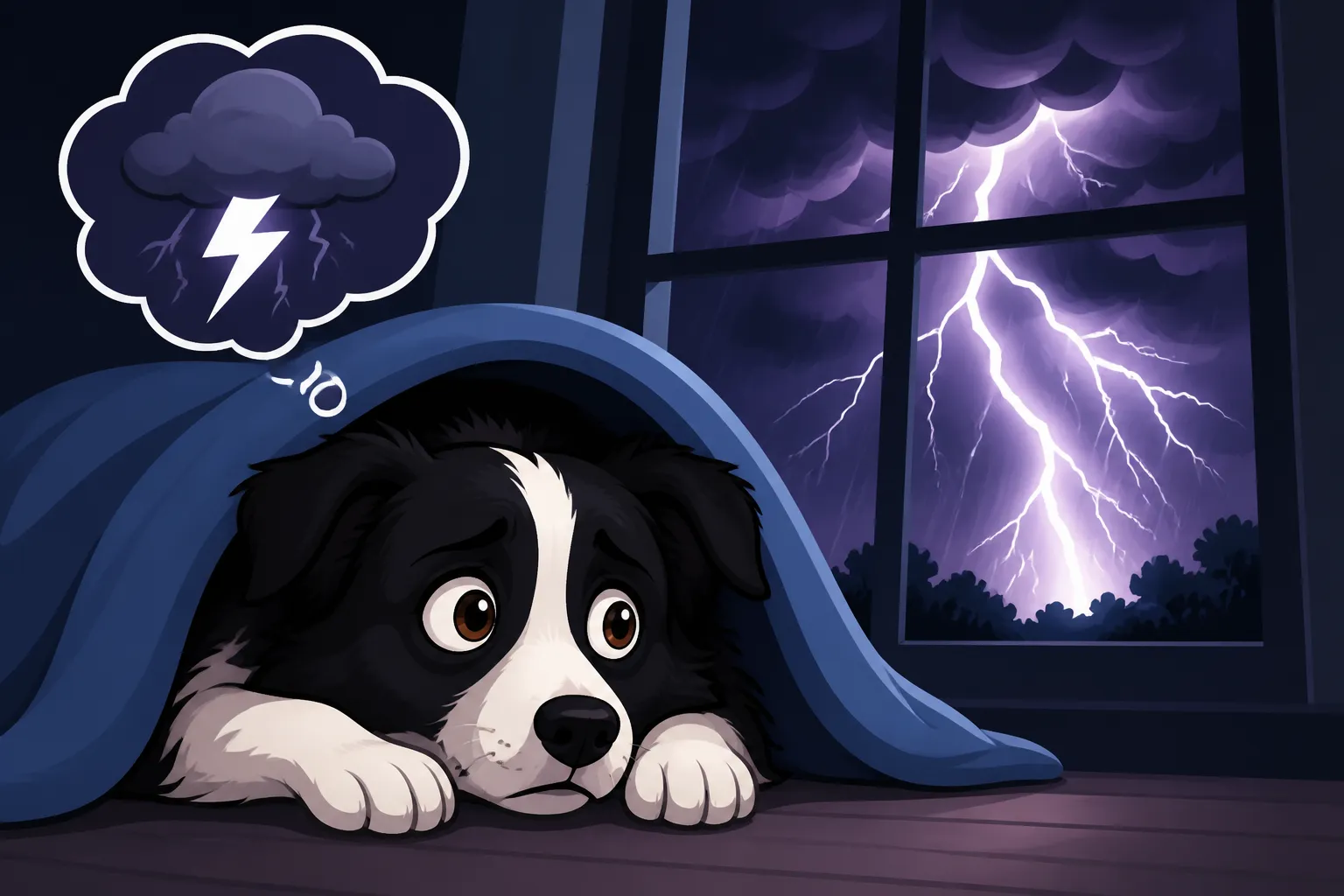
It's heartbreaking to watch your usually confident and vibrant Border Collie transform into a shaking, panting mess at the first rumble of thunder. That profound fear of storms, known as astraphobia or thunder phobia, isn't just a minor inconvenience; it's genuine distress that can lead to destructive behavior, self-injury, and a deep sense of helplessness for both you and your beloved dog. This guide will delve into why Border Collies are particularly susceptible to thunder fear and offer a comprehensive, empathetic approach to managing and, hopefully, alleviating your dog's storm anxiety.
The Unique Vulnerability of Border Collies to Noise Phobia
Border Collies are renowned for their intelligence, sensitivity, and intense focus – qualities that make them exceptional working dogs and incredible companions. However, these very traits can also make them predisposed to certain anxieties, including an intense fear of loud noises like thunder. It's not just a quirk; it's a profound reaction stemming from their unique wiring.
Innate Sensitivity and High Arousal
Think about what makes a Border Collie so brilliant at its job: an incredible ability to perceive subtle changes in its environment, an acute awareness of sound, and an inherent drive that keeps them hyper-aware. These are all phenomenal for herding, but in the context of an unpredictable, loud, and atmospheric event like a thunderstorm, they become a significant vulnerability. Their highly developed senses can pick up on changes in barometric pressure, static electricity, and distant rumbles long before a human hears or feels anything. This advanced notice gives them more time to build anxiety, rather than less.
For many Border Collies, their baseline arousal level is already higher than some other breeds. They live with an internal engine that's often running a bit faster, always ready to react, always processing information. When an external trigger like thunder hits, it can push that arousal level into overdrive, making it incredibly difficult for them to self-regulate or calm down. It's like their alarm system is set to maximum sensitivity, and every storm is perceived as a five-alarm fire. This can sometimes contribute to general Sound Sensitivity in a Working Border Collie.
The Impact of Early Experiences and Genetics
While some dogs develop thunder phobia later in life, often after a particularly frightening storm experience, there's growing evidence that genetics play a significant role. If a Border Collie's parents or close relatives exhibited strong noise phobias, there's a higher chance that puppy will too. It's not a guarantee, but it certainly increases the predisposition. A dog from a line where temperament wasn't carefully considered, or where early exposure to loud, startling noises wasn't handled positively, might be more prone to developing these fears.
Furthermore, early life experiences are crucial. A traumatic event during puppyhood – perhaps an especially violent thunderstorm when they were alone or felt vulnerable – can imprint a lasting fear. Even if it wasn't a direct trauma, a lack of positive or neutral exposure to varied sounds and environments during critical developmental periods can leave a Border Collie ill-equipped to cope with unexpected noises. Asking a reputable breeder for information on their lines and any known sensitivities can sometimes offer insights, as can their approach to early socialization. You might want to ask a breeder Asking a Border Collie Breeder for Test Results for health panels, but also for any known temperament issues in their lines, including noise sensitivity.
Spotting the Subtle (and Not-So-Subtle) Signs of Thunder Anxiety
It's easy to spot a dog in full-blown panic: shaking, drooling, desperate attempts to escape. But with a Border Collie, given their intelligence and often more subtle expressions of stress, the early signs of thunder anxiety can be easily missed. Recognizing these cues is crucial for intervention and managing their distress before it escalates.
Early Warning Signals Before the Storm Hits
Your Border Collie might be "predicting" a storm long before you see a single dark cloud. Pay close attention to subtle shifts in their behavior when the weather starts to change. They might become restless, pacing the house or looking out windows frequently. Some dogs will start seeking out their owners more, nudging for attention or trying to climb into laps, even if they're not typically "lap dogs." Others might start to hide, maybe under a bed, in a closet, or behind furniture, even when there's no visible trigger.
You might notice changes in their eating habits or interest in toys. A Border Collie who usually inhales their dinner might suddenly turn their nose up at it, or lose interest in their favorite fetch toy. They might also start panting excessively when there's no heat or exertion, or yawn repeatedly, which can be a sign of stress. Some will even start to lick their lips or yawn, seemingly out of context. Learning to read these early signals can give you a head start in preparing your dog's safe space and beginning calming interventions. If you've ever seen The Border Collie That Paces the House for no apparent reason, pre-storm anxiety could be one of the culprits.
Overt Panic Behaviors During the Event
Once the storm hits with its full fury – the booming thunder, flashing lightning, and heavy rain – the signs of fear become undeniable and often distressing to witness. These can range from moderate anxiety to full-blown panic attacks. Common behaviors include intense shaking, uncontrollable drooling (sometimes to the point of leaving puddles), continuous barking, whining, or howling.
Many Border Collies will try to escape the perceived threat. This can manifest as frantic digging at doors, chewing through crates or furniture, or trying to squeeze into impossibly small spaces. They might try to bolt out of an open door or jump through a window in their terror, which is incredibly dangerous. Urination or defecation indoors, even in a previously house-trained dog, is another common sign of extreme fear. Some dogs will become destructive, tearing up bedding or furniture. Others will simply freeze, unable to move, often cowering with wide, dilated eyes, desperately scanning their surroundings for danger. This level of distress is not just "being a bit scared"; it's a fight-or-flight response that indicates a profound level of fear.
Building a Sanctuary: Creating a Safe Space for Your Fearful Dog
One of the most immediate and effective things you can do for a thunder-phobic Border Collie is to provide them with a dedicated safe space. This isn't just any old spot; it's a carefully designed retreat where they feel secure and protected from the storm's assault on their senses.
Designing the Ideal Retreat
The goal of a safe space is to muffle sound and light, and to provide a sense of enclosure and security. This often means a den-like area. A sturdy crate, covered with thick blankets or a sound-dampening cover, can work wonders. If your dog isn't crate-trained or prefers more space, a small interior room like a bathroom, a walk-in closet, or even a basement corner can be adapted. The key is to choose a location away from windows and exterior walls, where the storm sounds and flashes are least intrusive.
Within this space, make sure it's comfortable. A soft bed, familiar blankets, and some of their favorite toys can help. The idea is to make this area consistently available and always positive, not just when a storm is brewing. Encourage them to use it regularly with treats and praise, so they associate it with comfort and safety, not just with impending doom. Think about what truly calms your individual dog – some might prefer a dark, quiet cave, while others might feel better in a slightly more open but still sheltered spot.
Incorporating Comfort and Calming Aids
Beyond the physical structure, various aids can enhance the effectiveness of the safe space. White noise machines or even a loud fan can help drown out the sharp cracks of thunder. Some people use classical music or specially designed canine calming music, which can have a soothing effect. Thundershirts or other pressure wraps, widely available on platforms like Amazon, provide a gentle, constant pressure that many dogs find comforting, much like swaddling a baby. These can be worn even before a storm hits if you know one is coming, helping to preempt the anxiety build-up.
Puzzle toys filled with high-value treats, such as frozen Kongs stuffed with peanut butter or plain yogurt, can provide a powerful distraction and positive association. The act of licking and chewing is naturally calming for dogs. You can also explore pheromone diffusers or calming sprays from brands like BAXTER & Bella, which release synthetic versions of dog-appeasing pheromones that can help reduce anxiety. Remember to introduce any new aid calmly and positively, making sure your Border Collie associates it with good things, not just with the storm. The more positive associations you can build with their safe haven and these tools, the more effective they will be.
Long-Term Solutions: Desensitization and Counter-Conditioning
While a safe space and immediate comfort are essential, true long-term relief for a thunder-phobic Border Collie often comes from a combination of desensitization and counter-conditioning. This involves gradually changing their emotional response to storm-related stimuli from fear to neutrality or even positivity. It's a slow process that requires patience and consistency, but it can be incredibly rewarding.
Gradually Introducing Storm Sounds
Desensitization means exposing your dog to the feared stimulus (in this case, thunder sounds) at such a low level that it doesn't trigger a fear response. This is usually done with recorded storm sounds played at a very low volume. Start with sounds that are barely audible – just enough for your dog to register them, but not enough to cause any anxiety. The key is to keep the volume so low that your dog remains relaxed, perhaps even oblivious.
Play these sounds for short periods, a few minutes at a time, several times a day. As your dog consistently shows no fear at that volume, you can very, very slowly and incrementally increase the volume. The moment you see any sign of anxiety (even the subtle ones like lip-licking or slight restlessness), immediately drop the volume back down to where they were comfortable. It's crucial not to push them too far, too fast, as this can actually worsen the phobia. This process might take weeks or even months, but the gradual, controlled exposure, always paired with positive experiences, is what helps to rewire their emotional response. This slow approach is key to helping them with Noise Fear in a Border Collie.
Changing Emotional Responses with Positive Reinforcement
Counter-conditioning goes hand-in-hand with desensitization. While playing the low-level storm sounds, you simultaneously engage your Border Collie in something highly enjoyable and rewarding. This could be playing their absolute favorite game, offering high-value treats (like small pieces of cheese or cooked meat), or providing a prolonged, relaxing belly rub – whatever your dog loves most. The goal is to create a new, positive association with the sounds of thunder. Instead of "thunder means scary," you want "thunder (at this low volume) means super yummy treats and fun!"
As you gradually increase the volume over time, continue to pair the sounds with these positive experiences. If your dog loves puzzle toys, offer one filled with deliciousness only when the storm sounds are playing. If they adore tug, bring out the tug toy. The stronger the positive association, the more likely their emotional response will shift. Consistency is vital; this isn't a one-and-done solution. Regular, positive training sessions, even for just 5-10 minutes a day, can build a solid foundation of confidence. Platforms like BAXTER & Bella often provide structured online training programs that can help guide you through counter-conditioning techniques with expert advice.
Managing a Storm: Practical Steps for Immediate Relief
When a storm actually rolls in, and your Border Collie is already showing signs of distress, it's not the time for training or desensitization. This is about immediate comfort and management. Your goal is to keep them as safe and calm as possible until the storm passes.
Staying Calm and Providing Support
Your emotional state can significantly impact your Border Collie. If you're anxious or panicking about their fear, they will pick up on that and it will likely escalate their own distress. Take a deep breath and project an aura of calm and reassurance. Your dog needs to see you as their anchor in the storm. Avoid coddling or excessively soothing them with baby talk, as this can inadvertently reinforce their fear, signaling that there is something to be afraid of. Instead, offer quiet, calm reassurance – a gentle stroke, a quiet word, your steady presence.
If they seek comfort, provide it calmly. Let them lean against you or sit on your lap if that's what helps them feel secure. Encourage them into their designated safe space. You are their protector, and your calm leadership will be more comforting than frantic attempts to "fix" their fear in the moment. Remember that what works best might differ for each dog; some Border Collies prefer to be close to you, while others will want to retreat to their den alone. Respect their preference as much as possible, while ensuring they are safe and cannot hurt themselves.
Utilizing Tools for Pressure and Distraction
During an active storm, immediate tools can make a difference. As mentioned earlier, a pressure wrap like a Thundershirt can be put on as soon as you anticipate a storm or see the first signs of anxiety. For some dogs, this acts almost immediately to reduce hyper-vigilance. Playing white noise or turning on a loud fan near their safe space can help mask the thunderclaps and driving rain, making the sounds less startling. You could also try a radio or TV for background noise.
Distraction can also be powerful, but only if your dog is not in full-blown panic. If they are still receptive to food, a high-value, long-lasting chew or a stuffed Kong can redirect their focus. Avoid games that are too high-energy, as this can increase their arousal. Gentle massage or steady, even pressure applied to their body (if they tolerate it) can also have a calming effect. Think of this as a layered approach: calm presence, safe space, pressure therapy, and sound masking, all working together to create a cocoon of safety. It's also worth noting that some individuals with Noise Fear in a Border Collie might also have strong reactions to other sudden, loud noises, so consistent calming strategies can have broader benefits.
When Professional Intervention Becomes Necessary
Sometimes, despite your best efforts, a Border Collie's thunder phobia can be so severe and debilitating that it goes beyond what you can manage on your own. In these cases, seeking professional help is not a failure, but a responsible and loving step toward truly helping your dog.
Recognizing the Severity and Seeking Expert Advice
How do you know when it's time to call in the cavalry? If your Border Collie's fear leads to self-injury (like chewing through paws or crates, or trying to jump through glass), causes severe property damage, results in inappropriate urination or defecation regularly, or if they are inconsolable despite your best efforts, then it's definitely time to consult a professional. A veterinary behaviorist (a vet with specialized training in behavior) or a certified professional dog trainer/behavior consultant with experience in fear and anxiety can offer tailored strategies and a deeper understanding of your dog's specific needs.
These experts can assess the severity of the phobia, rule out any underlying medical conditions that might be contributing to the anxiety, and develop a comprehensive treatment plan. This plan might include advanced behavior modification techniques that you can implement at home, as well as considering pharmaceutical interventions. They can also help you identify specific triggers you might be missing and refine your safe space setup. Remember, your vet is your first port of call to discuss any significant behavioral changes or anxieties.
Exploring Pharmaceutical and Holistic Support
For severe cases of thunder phobia, medication can be a game-changer. There are several types of anxiety medications that vets can prescribe, ranging from short-acting drugs to be given before an anticipated storm, to daily medications that help reduce baseline anxiety levels. These aren't meant to "dope" your dog into submission, but rather to lower their anxiety enough so that they can actually learn and respond to behavior modification techniques. Many owners find that medication, when used correctly, allows their Border Collie to break free from the cycle of panic and finally benefit from desensitization. Your vet will discuss potential side effects and the best options for your individual dog. The topic of Medicating a Border Collie Without Dulling It is often a concern for owners, and your vet can address this.
Beyond traditional pharmaceuticals, some owners explore holistic approaches and supplements. These can include natural calming supplements containing ingredients like L-theanine, tryptophan, or various herbal blends. Pheromone collars or diffusers, as mentioned before, are also often used. While these might not be as potent as prescription medications, they can offer mild support for some dogs, especially when combined with a robust management and behavior modification plan. It's always crucial to discuss any supplements or holistic treatments with your vet to ensure they are safe and won't interact negatively with any other medications or conditions your Border Collie might have. Understanding Whether Border Collies Are More Noise-Sensitive as a breed can help tailor these approaches.
No matter how severe your Border Collie's thunder phobia, remember that you're not alone and there are always steps you can take to help. With patience, understanding, and the right strategies, you can make a significant difference in your dog's quality of life during storm season and beyond.
Disclaimer
This article is for general informational purposes only and does not constitute professional advice. Laws, prices and regulations vary by location and change over time. Consult a qualified professional for guidance on your specific situation.