Taking Balls Away From an Obsessive Border Collie
It’s a scenario many Border Collie owners know all too well: you throw the ball, your dog brings it back, and suddenly, they’re utterly consumed. That intense stare, the vibrating body, the relentless focus that borders on obsession—it’s not just a game anymore, it's a fixation that can lead to frustration for both you and your highly driven companion. This guide is here to help you navigate the tricky waters of a Border Collie's ball obsession, offering practical strategies to bring balance back to their play and their lives.
Understanding the Roots of Ball Obsession
Border Collies are renowned for their intelligence, athleticism, and intense working drive. These traits, while fantastic for herding or dog sports, can manifest in less desirable ways when left unchecked or misdirected. Ball obsession isn't just a quirky habit; it’s a deeply ingrained behavioral pattern that often stems from their very nature.
The Herding Instinct Connection
At the heart of a Border Collie's ball obsession lies its powerful herding instinct. Think about what a Border Collie does when working sheep: they stalk, eye, chase, and gather. A ball, especially a moving one, triggers this entire sequence. The "eye" – that intense, fixed stare – is a hallmark of the breed and a key component of their herding style. When a ball is thrown, it becomes the "sheep," and the Border Collie's genetic programming kicks in. They're not just playing; they're fulfilling an ancient drive to control and move an object. This instinct is so strong that for some dogs, the chase itself becomes the reward, even more so than the retrieve. It's a primal urge, and it can be incredibly difficult to switch off. This is why even a dog with a perfect Recall on a Border Collie That Has Locked On might ignore you when the ball is in motion.
The Reinforcement Cycle
Every time you throw the ball and your Border Collie successfully chases, catches, and retrieves it, that behavior is strongly reinforced. It releases dopamine, a feel-good neurotransmitter, in their brain. This positive feedback loop can quickly lead to an addictive cycle. The dog learns that the ball is the ultimate source of excitement and satisfaction. This isn't just about physical exercise; it's about mental stimulation and the fulfillment of their internal wiring. They become highly motivated by the anticipation of the next throw, the thrill of the chase, and the momentary "capture" of their prey. This cycle can become so powerful that it overrides other forms of enrichment or even basic obedience commands, making it incredibly challenging to break their focus once they're "in the zone."
The Dangers of Unchecked Ball Obsession
While a good game of fetch seems harmless, allowing a Border Collie's ball obsession to go unchecked can lead to a host of physical and mental health issues. It's not just about managing a quirky trait; it's about protecting your dog's long-term well-being.
Physical Strain and Injury
The repetitive, high-impact movements involved in endless fetching can take a serious toll on a Border Collie's body. These dogs are built for endurance and agility, but constant sprinting, sudden stops, sharp turns, and jumping to catch a ball can lead to chronic wear and tear. We're talking about conditions like Hip Dysplasia in a Border Collie That Runs All Day, Elbow Dysplasia and the Border Collie Forelimb, and Cruciate Tears in a Border Collie. Their joints, muscles, and ligaments are under immense stress, especially if they’re playing on hard surfaces or for extended periods without proper warm-up and cool-down. Furthermore, the excitement can lead to accidents—a misstep, a collision, or even a deep cut from rough terrain. Owners often report Slab Fractures From a Border Collie Carrying Stones or Toe and Pad Injuries on a Working Border Collie from dogs who can't regulate their own intensity around a beloved ball. It’s vital to remember that a Border Collie’s boundless energy doesn’t make them indestructible; it often makes them more prone to pushing past what’s safe for their bodies.
Mental Overstimulation and Compulsive Behaviors
Beyond the physical risks, constant ball play fuels a state of chronic arousal that can be detrimental to a Border Collie's mental health. Their minds are constantly "on," anticipating the next throw, unable to truly relax or engage with their environment in a calm way. This overstimulation often manifests as Spinning and Tail Chasing in a Border Collie, A Border Collie Snapping at Nothing, or even resource guarding of the ball. It can lead to anxiety, frustration, and even a decrease in their ability to learn or focus on other tasks. The dog becomes hyper-vigilant, scanning for the ball, pacing, whining, or barking. This isn't happiness; it's a form of stress that can lead to genuinely compulsive behaviors, where the dog feels an uncontrollable urge to perform an action, even without the presence of the ball. You might see them The Border Collie That Chases the Sun Off Walls or shadows, even when no ball is involved, indicating that the obsessive pattern has taken root in their broader behavior.
Strategies for Managing Ball Obsession
Regaining control over your Border Collie's ball obsession isn't about eliminating fun; it's about diversifying their play and teaching them balance. It takes consistency, patience, and a shift in how you interact around high-value toys.
Controlled Access and Varied Play
The first and most crucial step is to control access to the ball. If the ball is always available, it becomes a constant source of anticipation and fixation. Instead, designate specific times and locations for ball play, and keep the ball put away when not in use. Think of it as a special treat, not an everyday expectation. When you do play, keep sessions short and sweet. Instead of 20 minutes of non-stop throwing, try 5-10 minutes, and then immediately transition to another activity. This teaches your dog that the ball is not the only fun thing, and that play doesn't have to be a marathon. Vary the type of play too. Don't just throw and retrieve. Roll the ball, hide it, use a flirt pole to make it more like a chase game without the constant hard stops and starts. This helps to break the pattern of the endless fetch cycle and makes the game less predictable and therefore less prone to compulsive patterns.
Consider using different types of balls – soft fabric balls, hard rubber balls, even puzzle balls that dispense treats – to prevent fixation on one specific object. Introducing other toys, like tug ropes or durable chew toys, can also help broaden their interests. A strong tug game can be an excellent alternative, allowing for physical engagement and a healthy outlet for their drive, while also building a stronger bond with you. The key is to make you the most interesting thing in the environment, not just the delivery system for the ball.
Teaching a Reliable "Off Switch"
A Border Collie needs to learn that play starts and, more importantly, ends on your terms. This means building a reliable "off switch." Start by teaching a "That'll Do" and Ending a Border Collie's Work command, not just for herding, but for any high-arousal activity. This command should signal that the fun is over, and it's time to settle down. Practice this outside of highly stimulating situations first, rewarding calmness.
When playing with the ball, incorporate short breaks. Throw the ball a few times, then pick it up and ask for a "sit" or "down" before rewarding with a release word or another throw. Even better, simply put the ball away mid-game, walk away, and ignore any frantic behavior. Wait until your dog is calm before re-engaging or offering an alternative activity. This teaches them that calm behavior earns rewards, not demanding or obsessive behavior. This can be tough, especially with a dog that finds it hard to regulate. Providing a safe, quiet space with a What a Border Collie's Off-Switch Crate Setup Costs or a comfy mat can help them learn to settle after an exciting session. Consistency is paramount here; every time you give in to the "just one more throw" plea, you reinforce the obsession.
Essential Commands: "Drop It" and "Leave It"
These two commands are absolute lifesavers for managing a ball-obsessed Border Collie. They empower you to control the interaction with the ball and teach your dog self-control.
The Trade-Off Method for "Drop It"
Teaching "Drop It" effectively requires a positive association, not force. Start in a low-distraction environment with two identical, relatively low-value toys (not their absolute favorite ball, at first). Offer one toy, let them take it. Then, immediately present the second, equally appealing toy right up to their nose. Most dogs will drop the first toy to investigate or take the second. The instant their mouth opens and the first toy hits the ground, say "Drop It!" and reward them enthusiastically with praise and permission to take the new toy. Repeat this many, many times.
Gradually, introduce higher-value toys as the "trade." Once they reliably drop a toy for another, start introducing a treat as the reward for dropping. Hold a tasty treat in front of their nose; when they drop the toy, say "Drop It!" and give the treat. Then, pick up the original toy. This teaches them that dropping the item isn't losing it, but rather gaining something even better. As they progress, practice with their ball. Throw it, let them retrieve, then offer a very high-value treat (like a piece of cooked chicken or cheese) in exchange for the ball. The key is to make the trade-off so rewarding that they want to drop the ball. Many trainers find that teaching The Border Collie That Will Not Drop the Ball is less about dominance and more about fair exchange. Online resources, like those offered by BAXTER & Bella, often have step-by-step guides for teaching these foundational commands effectively.
Proofing the "Leave It" Command
"Leave It" is about preventing your Border Collie from interacting with something undesirable in the first place, and it’s invaluable for a ball-obsessed dog who might try to snatch a ball that isn’t theirs or one you don’t want them to have. Begin by placing a low-value treat on the floor or in your open palm. Cover it with your hand and say "Leave It!" The moment your dog looks away from the treat, even for a split second, mark that behavior (with a "yes!" or a clicker) and immediately reward them with a different, higher-value treat from your other hand. Do not let them have the original "leave it" item.
As they get the hang of it, gradually increase the challenge. Use slightly higher-value items. Place the item on the floor and cover it, then uncover it for a moment, saying "Leave It!" before rewarding for ignoring it. Eventually, you want them to leave the item even when you walk away or if it's in a more exciting context. This command requires rock-solid consistency. If you ever let them take the "leave it" item after you've given the command, you undermine the training. This is a critical command for safety, especially if you're ever walking near sports fields or areas where discarded balls might be found.
Enrichment Beyond the Ball
A Border Collie’s mind and body need constant engagement. If all that engagement comes from a ball, you’re setting them up for an unhealthy obsession. It’s crucial to diversify their activities to stimulate them in different ways.
Engaging Mental Work
Border Collies are problem-solvers, and their brains thrive on challenges. Mental work can be far more tiring and fulfilling than physical exercise alone. Think about incorporating Scentwork for a Border Collie Between Trial Seasons. This involves teaching your dog to find specific scents, like essential oils, hidden in various locations. It taps into their natural olfactory abilities and requires deep concentration, which burns energy in a very different way than chasing a ball. You can start with simple "find it" games, hiding treats around the house or yard. Puzzle feeders are also fantastic. Instead of simply eating their meals from a bowl, make them work for it. There are many options available on Amazon, from snuffle mats to complex dispensers that require manipulation. Puzzle Feeders That Hold a Border Collie can keep them engaged for a good chunk of time and teach them patience.
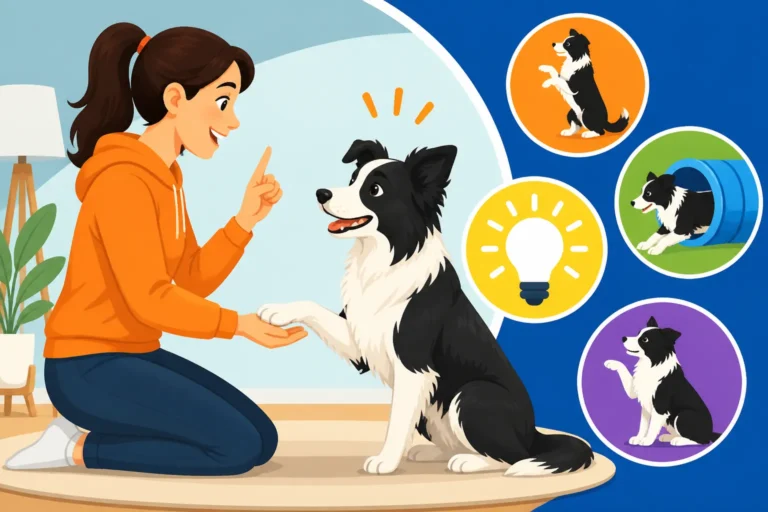
Beyond scent work, consider trick training. Border Collies love to learn, and teaching them a wide repertoire of tricks—from "weave through legs" to "fetch a specific toy by name"—provides mental stimulation, strengthens your bond, and gives them a healthy outlet for their intelligence. Learning How Many Words a Border Collie Can Learn is not just a parlor trick; it's a profound way to engage their cognitive abilities. Even simple obedience work, practiced daily in short, fun sessions, can be highly enriching.
Diverse Physical Activities
While reducing ball-centric play, you still need to provide ample physical exercise. However, aim for activities that involve different muscle groups, varied movements, and less repetitive strain. Hiking on varied terrain, for instance, offers a great workout for both body and mind. It allows them to explore new scents and sights, which is inherently enriching. Swimming is another excellent option as it's low-impact and provides a full-body workout.
Consider introducing them to other dog sports if you have the time and resources. Agility, for example, is fantastic for Border Collies. It still involves speed and athleticism, but it requires them to think and respond to your commands for navigating obstacles. It's a team sport, building partnership, rather than just an independent chase. Doing Agility With an Epileptic Border Collie or any Border Collie requires careful training and progression to avoid injury, but it's a wonderful outlet. Flyball, disc dog, or even rally obedience can also be great choices, offering structure and a sense of purpose beyond just the ball. The goal is to show your Border Collie that there's a whole world of exciting things to do and learn, where you are an active participant, not just a ball-throwing machine.
When to Seek Professional Help
Sometimes, a Border Collie's obsession can become so deeply entrenched that it's difficult to manage on your own. Recognizing when you need expert guidance is a sign of responsible pet ownership, not failure.
Recognizing Signs of Escalation
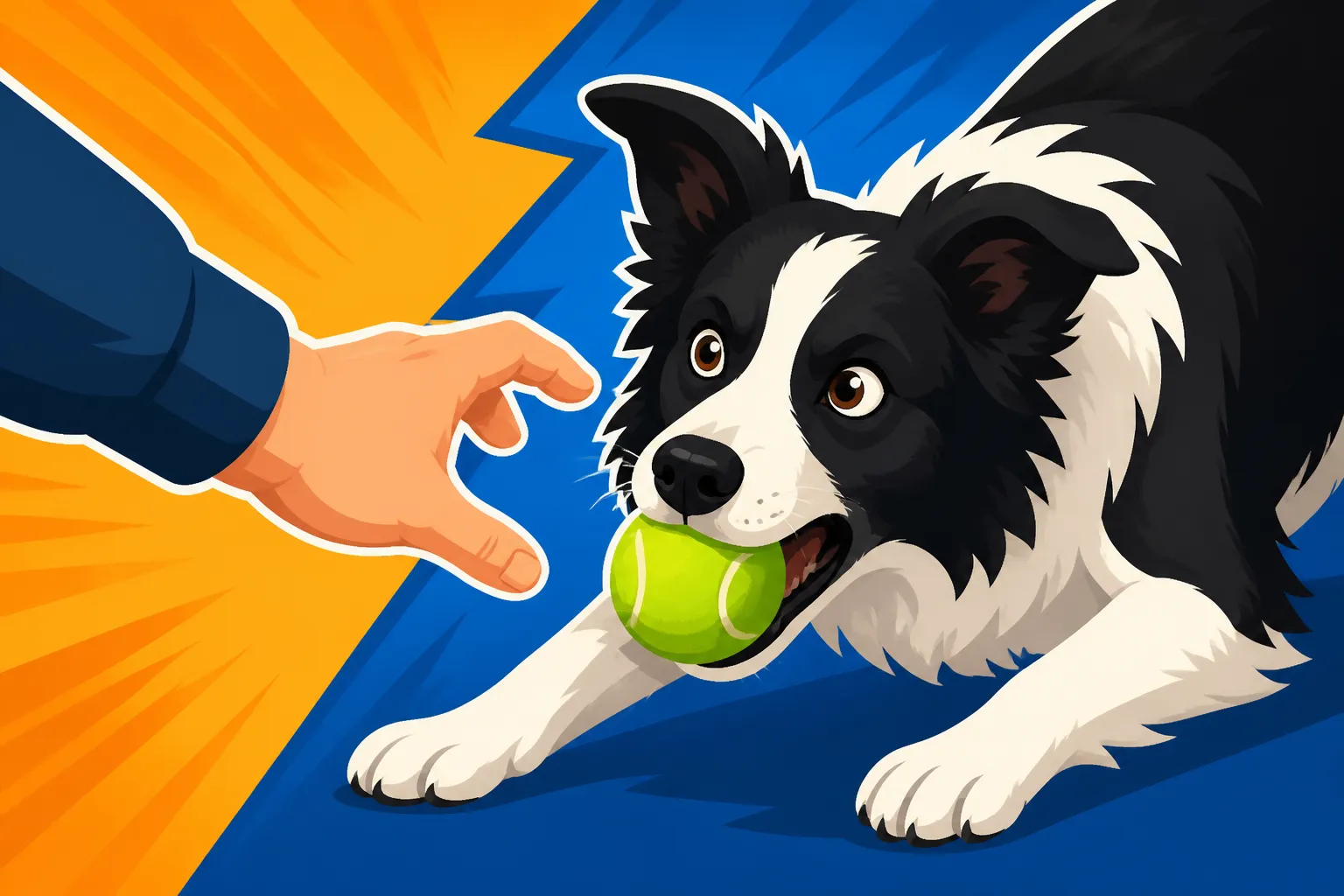
There are clear indicators that your Border Collie's ball obsession is moving beyond a strong preference and into problematic territory. If you notice an inability for your dog to settle after ball play, constantly pacing, whining, or barking for the ball even when it's put away, these are red flags. If they ignore other high-value rewards (like favorite treats or other toys) in favor of the ball, or if they exhibit aggression or guarding behavior around the ball (growling, snapping, body blocking when you approach it), it's time to worry. Taking Balls Away From an Obsessive Border Collie can sometimes lead to these guarding behaviors if not handled carefully.
Furthermore, if the obsession starts to impact their daily life—they refuse to eat, struggle to sleep, or become withdrawn or anxious when the ball isn't present—these are serious concerns. Any signs of self-mutilation, like excessive licking or chewing their paws, which can be stress-related, also warrant professional attention. Remember, a truly happy, balanced Border Collie should be able to engage with various activities and relax appropriately when asked. If your dog cannot do this, their quality of life is being affected.
Finding a Qualified Trainer or Behaviorist
When you identify these escalating signs, the next step is to seek help from a qualified professional. Look for a certified professional dog trainer (CPDT-KA) or, for more severe cases, a certified dog behavior consultant (CDBC) or a veterinary behaviorist. These professionals have the knowledge and experience to assess the root cause of the obsession and develop a tailored modification plan. They can help you identify triggers, teach you advanced management techniques, and guide you through behavior modification protocols.
A good trainer will focus on positive reinforcement methods and avoid punishment-based techniques, which can exacerbate anxiety and aggression in an already overstimulated dog. They might suggest a variety of approaches, from structured obedience and counter-conditioning to environmental management and specific desensitization exercises. They can also advise on whether adjunct therapies, such as dietary changes or calming supplements, might be beneficial. In some cases, a veterinary behaviorist might even recommend medication to help manage underlying anxiety or compulsive tendencies, creating a window of opportunity for behavioral modification to be more effective. Platforms like BAXTER & Bella often provide access to trainers or resources that can guide you to finding appropriate professional help in your area. Don't hesitate to reach out; getting expert help early can make a significant difference in your Border Collie's long-term well-being.
Diversifying Your Border Collie's Play Portfolio
To illustrate the importance of varied activities, here's a quick look at how different types of play engage your Border Collie's mind and body. This helps move away from sole reliance on ball work.
| Activity Type | Description | Key Benefits | Mental Engagement | Physical Engagement | Risk of Obsession |
|---|---|---|---|---|---|
| Ball Fetch | Repetitive throwing and retrieving of a ball. | High cardio, satisfies chase instinct. | Moderate (focus) | Very High | High |
| Scent Work | Finding hidden scents/treats using nose. | Mental fatigue, builds confidence, uses natural instincts. | Very High | Low-Moderate | Low |
| Agility | Navigating obstacle courses with handler guidance. | Teamwork, body awareness, impulse control, speed. | High | High | Moderate |
| Tug Games | Interactive tugging with a strong toy. | Builds bond, teaches control, good physical outlet. | Moderate | Moderate | Low-Moderate |
| Hiking/Trail Walk | Exploring varied terrain off-leash (where safe/legal). | Mental stimulation from new smells/sights, endurance building. | High | Moderate-High | Low |
| Puzzle Feeders | Toys that dispense food/treats when manipulated. | Problem-solving, independent engagement, slows eating. | High | Low | Low |
| Trick Training | Teaching new commands and complex sequences. | Cognitive challenge, strengthens bond, builds communication. | High | Low-Moderate | Low |
| Swimming | Water retrieval or recreational swimming. | Low-impact cardio, builds endurance, cooling in summer. | Low-Moderate | High | Low |
As you can see, a balanced portfolio of activities spreads the engagement and reduces the likelihood of one single activity becoming an unhealthy obsession. It's about giving your Border Collie a rich and varied life that caters to all aspects of their incredible intelligence and athleticism. Remember, a truly satisfied Border Collie is one who has had their diverse needs met, not just their ball-chasing drive indulged.
Exercise, Work and What Actually Settles a Border Collie is a prime example of understanding that it’s not just physical activity, but also mental stimulation, that brings true contentment to these clever dogs. It is important to teach your dog that Why a Border Collie Cannot Stop on Its Own and that you are there to guide them. This foundation will help prevent many issues, including potential injuries like Shoulder Injuries in an Agility Border Collie or Iliopsoas Strain in a Border Collie. Also, consider exploring how Mental Work That Tires a Border Collie Faster can be a fantastic way to burn energy without over-exerting them physically. Finally, remember that it's important to provide a calm downtime; Getting a Border Collie Puppy to Rest on Cue is a skill that benefits dogs of all ages.
Disclaimer
This article is for general informational purposes only and does not constitute professional advice. Laws, prices and regulations vary by location and change over time. Consult a qualified professional for guidance on your specific situation.