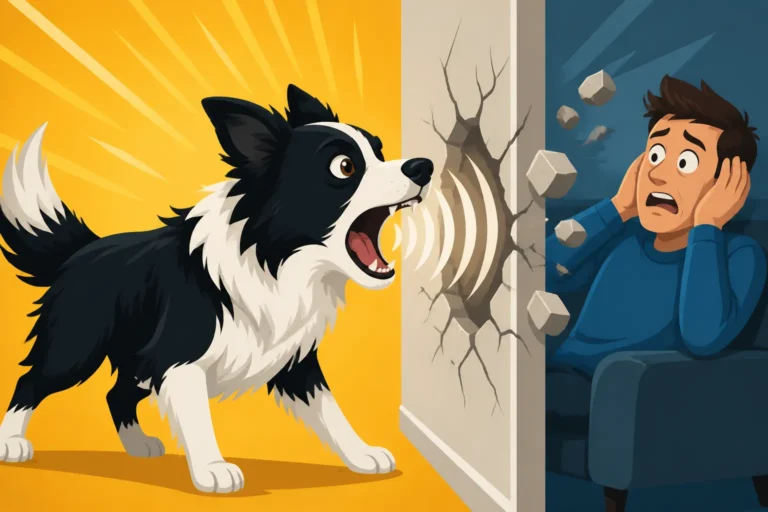
A Border Collie in a Third-Floor Apartment
Bringing a Border Collie into a third-floor apartment might seem like a dream for some, a challenge for others, and an outright impossibility for many seasoned Border Collie owners. The truth is, while it presents unique hurdles, it's not always the square footage that dictates success but rather the dedication to meeting the specific, intense needs of this intelligent and driven breed. This guide will walk you through the realities, strategies, and expectations of making apartment living work for your Border Collie, ensuring both you and your canine companion can thrive.
The Misconception vs. Reality of Apartment Living for a Border Collie
When people think of a Border Collie, they often picture vast fields, open spaces, and endless sheep. The image of a dog bred for working livestock confined to an apartment might immediately trigger concerns about boredom, destructive behavior, and an unhappy dog. However, the core needs of a Border Collie aren't solely about physical space; they're about mental engagement, structured activity, and a strong bond with their handler. An apartment simply changes how you deliver on these needs, not if you need to deliver them.
Why Square Footage Isn't the Only Metric
It's easy to assume that a large dog needs a large yard, and by extension, a highly active dog needs acres to run. While a yard is certainly convenient, it's rarely sufficient on its own for a Border Collie. Many people with expansive yards still end up with bored, restless Border Collies because a yard, left unstructured, often becomes nothing more than a giant kennel. A Border Collie needs a job, a purpose, and engaging interaction. A dog can run circles in a huge yard all day and still not feel truly "exercised" if their mind isn't stimulated. They need tasks, training, and challenges that go beyond simply existing in a large space. Think about it: a Border Collie can be utterly exhausted after a twenty-minute, highly focused training session in a small living room, yet still full of beans after an hour of unsupervised zooming around a half-acre lot. Exercise, Work and What Actually Settles a Border Collie delves into this more deeply.
What truly matters for a Border Collie, whether in an apartment or on a farm, is the quality and consistency of their daily routine. It's about how much dedicated time you spend engaging their incredible intelligence and tireless energy. This means scheduled walks, training sessions, and play, not just being let out into a fenced area. For an apartment dweller, this simply means being hyper-diligent about creating and sticking to that routine, knowing that every outing counts and every indoor moment needs to be purposeful.
The Mental Load of a Border Collie
Beyond physical exertion, a Border Collie craves mental stimulation like no other. Their brains are wired for problem-solving, anticipation, and quick decision-making. If this mental energy isn't channeled positively, it can manifest in behaviors that are far less desirable in a small living space. We're talking about obsessive behaviors, incessant barking at every hallway noise, or even destructive tendencies focused on your furniture. Why Walking a Border Collie Is Not Enough really highlights this point – a walk satisfies the body, but the mind needs more.
In an apartment setting, ignoring this mental load is a recipe for disaster. Every creak in the hallway, every siren outside, every elevator ding can become a trigger for a Border Collie whose mind isn't otherwise occupied. They'll start "working" their environment, which usually translates to nuisance behaviors for you. Providing consistent mental challenges through training, puzzle toys, and interactive games is paramount. This isn't just about tiring them out; it's about giving their intelligent minds a constructive outlet, helping them adapt to an environment that wasn't exactly designed with their ancestral instincts in mind.
Daily Life: Strategies for Success in a High-Rise
Living in a third-floor apartment with a Border Collie requires a proactive approach to their daily needs. You can't just open a door and let them wander. Every step out of the apartment is an opportunity for engagement and enrichment, and every moment inside needs consideration.
Maximizing Outdoor Time and Structured Exercise
Since you don't have a yard, your outdoor excursions become your Border Collie's primary physical and sensory outlets. These aren't just potty breaks; they are carefully planned adventures. Aim for at least two significant outings a day, each lasting at least an hour, focusing on varied activities. This could be a brisk walk or jog in the morning, a trip to a dog-friendly park, or even urban agility practice where safe. Structured activities are key: fetch sessions (with a clear "all done" cue), brisk walks with obedience drills integrated, or even training for specific sports like frisbee or dock diving if facilities are available.
Consider a long line (available on Amazon) for safe recall practice in open, contained spaces, allowing your Border Collie more freedom to run and explore safely than a standard leash provides. Vary your routes and destinations to expose them to different sights, sounds, and smells, which is itself a form of mental stimulation. A quick trip around the block doesn't cut it. Your Border Collie needs to sniff, explore, and move their body with purpose. Remember, a tired Border Collie is often a happy, well-behaved Border Collie. How Far a Border Collie Should Run in a Day offers more perspective on appropriate activity levels.
Bringing the "Work" Indoors
When outdoor time isn't possible, or even as a supplement to it, your apartment needs to become a classroom and a playground. This is where their mental load really gets addressed. Engage in short, frequent training sessions throughout the day. Teach them new tricks, practice advanced obedience commands like "stay" with increasing duration and distraction, or work on impulse control exercises. Games like "find it" using their favorite toys or treats are fantastic for engaging their noses and brains, turning your apartment into a fun search area.
Puzzle feeders and interactive toys (many excellent options available on Amazon) are absolute essentials. These aren't just for occupying them; they force your Border Collie to use their problem-solving skills to earn their food, slowing down mealtime and providing mental exercise. Rotate these toys to keep things fresh and exciting. You can even train them to retrieve specific items by name – a great way to bond and provide mental work right in your living room. Teaching a Border Collie the Names of Its Toys illustrates how powerful this can be for their minds.
Managing Stairs and Elevator Rides
Living on the third floor means navigating common areas – hallways, stairs, and elevators – every single time you leave or return. This requires impeccable leash manners and good impulse control. Your Border Collie needs to learn to walk politely on a loose leash, ignore other residents, and wait calmly for the elevator or navigate stairs without pulling you down. This isn't just for convenience; it's a safety measure for both of you and other building occupants.
Practice "place" commands in the hallway, teaching them to wait patiently while you lock the door. For elevator rides, teach them to sit or lie down calmly, ignoring the ding and any people who might enter. If you're using stairs, ensure they are comfortable and controlled, especially for a growing puppy whose joints need protection. Stairs and a Growing Border Collie Puppy is a crucial read here. These moments are brief, but they happen multiple times a day and can either be sources of stress or opportunities to reinforce good behavior.
Common Challenges and How to Overcome Them
Apartment life can amplify certain Border Collie traits or challenges. Being prepared for these and having strategies in place will make a world of difference.
Noise Sensitivity and Apartment Living
Border Collies can be quite sensitive to sounds, and apartment buildings are full of them: neighbors' conversations, music, televisions, footsteps in the hall, laundry machines, and street noise. This constant barrage of sound can be incredibly overwhelming for a dog whose instincts tell them to be alert to every subtle change in their environment. Noise Fear in a Border Collie is a common issue for many.
To combat this, create a designated "safe space" within your apartment – a crate or a bed in a quiet corner that is their sanctuary. Use white noise machines or play calming music to help mask external sounds. Desensitization training, where you gradually expose your dog to low-level versions of triggering sounds while rewarding calm behavior, can also be beneficial. This might mean playing recordings of children laughing, elevator dings, or vacuum cleaners at a very low volume while your dog is relaxed, slowly increasing the volume over time. The goal isn't to make them ignore everything, but to teach them that these sounds are normal and not a threat.
Destructive Chewing and Boredom Busters
A bored Border Collie is a destructive Border Collie, especially if their mental and physical needs aren't being met. This can escalate quickly in a small space, with your furniture, shoes, or even walls becoming targets. This isn't out of malice; it's a desperate attempt to self-entertain and relieve pent-up energy.
The best defense against destructive chewing is a strong offense: consistent exercise, abundant mental stimulation, and appropriate chew outlets. Invest in a variety of durable chew toys. Look for toys that can be stuffed with treats or peanut butter, providing a long-lasting challenge. Puzzle Feeders That Hold a Border Collie are excellent for this, keeping them occupied for extended periods. When you're out, make sure they have access to their designated chews, and consider leaving on a radio or TV for background noise. Many trainers recommend rotating toys to maintain novelty. If you're leaving for longer periods, consider hiring a trusted dog walker or arranging for doggy daycare on occasion to break up their day.
Managing Separation Anxiety in Small Spaces
Being left alone, even for a short time, can be incredibly stressful for some Border Collies, leading to separation anxiety. In an apartment, barking, howling, or destructive behavior can quickly become a problem with neighbors. This is especially true for a breed that thrives on constant interaction and has a strong desire to be with their "flock." The Eight Hours a Border Collie Spends Alone describes the challenges this breed faces with extended solitude.
If your Border Collie struggles with being alone, crate training can provide a sense of security and prevent destructive behavior while you're away. Make the crate a positive space with treats and toys. Gradually increase the time you leave them alone, starting with just a few minutes and slowly building up. Don't make a big fuss when you leave or return, as this can heighten their anxiety. Look into resources from reputable trainers or online programs, like those offered by BAXTER & Bella, which often have modules dedicated to building confidence and independence in dogs. Professional guidance is often invaluable here, as separation anxiety can be a complex issue.
Setting Realistic Expectations and Finding Help
Owning a Border Collie in an apartment is a commitment to a lifestyle, not just a pet. It means prioritizing their needs above convenience and being constantly vigilant about their well-being.
When Apartment Life Might Be Too Much
It's important to be realistic. While many Border Collies can adapt beautifully to apartment living with dedicated owners, some simply cannot. If, despite your best efforts, your Border Collie is consistently exhibiting severe anxiety, destructive behaviors, relentless barking, or showing signs of chronic stress, it might be a sign that the environment isn't suited for them. This can be a hard truth to face, but the dog's welfare must come first. What New Border Collie Owners Get Wrong About Energy highlights the common misjudgments.
Factors that might indicate an apartment isn't working include:
- Constant pacing or inability to settle even after adequate exercise and mental work.
- Severe noise phobias that cannot be managed despite training and environmental modifications.
- Persistent destructive behavior that poses a risk to the dog or property.
- Aggression or reactivity that escalates due to the close proximity to neighbors or other dogs in common areas.
It's crucial to consult with a professional animal behaviorist or veterinarian if you observe these issues. They can help assess the situation and guide you on the best course of action, which might include medication, intensive behavior modification, or, in rare cases, re-evaluating the living situation. The Border Collie That Paces the House is a common scenario in unsuitable living situations.
Utilizing Professional Training and Resources
You don't have to navigate the complexities of Border Collie apartment living alone. There are numerous resources available to help. Professional dog trainers, particularly those experienced with working breeds, can offer tailored advice and training plans. They can assist with everything from leash manners in public spaces to complex indoor mental games. Look for trainers who use positive reinforcement methods.
Online training platforms can also be incredibly useful, offering flexible learning schedules and a wealth of information. Services like BAXTER & Bella provide comprehensive online training programs that cover everything from puppy basics to advanced obedience, which can be invaluable for apartment dwellers who need structured guidance. Furthermore, local dog clubs often offer classes in agility, obedience, or nose work, providing structured outlets for your Border Collie's energy and opportunities for socialization. Joining these communities can also connect you with other dedicated Border Collie owners who can share their experiences and tips. Don't forget local pet supply stores, which, like Amazon, carry a wide range of products designed to engage and challenge intelligent dogs, from snuffle mats to complex treat-dispensing toys.
| Activity Type | Indoor Examples (Apartment) | Outdoor Examples (City) | Mental Engagement | Physical Engagement |
|---|---|---|---|---|
| Daily Exercise | Fetch in hallway (if long enough), stairs (controlled) | Brisk walks, jogging, urban hikes, dog park visits | Medium | High |
| Mental Games | Puzzle feeders, "find it" games, scent work | Scent trails, park exploration, new environments | High | Low-Medium |
| Training Sessions | Trick training, advanced obedience, impulse control | Leash manners in crowds, recall practice (long line) | High | Low-Medium |
| Socialization | Playdates with calm, vetted dogs (if space allows) | Structured dog park visits, dog-friendly patios | Medium | Medium |
| Quiet Time | Crate training, designated safe space, chew toys | Calm walks in quiet areas, car rides | Low-Medium | Low |
This article is for general informational purposes only and does not constitute professional advice. Laws, prices and regulations vary by location and change over time. Consult a qualified professional for guidance on your specific situation.