Feet, Pads and Legs on a Working Border Collie
For a working Border Collie, their feet, pads, and legs are their livelihood. These incredible athletes push their bodies to the limit daily, whether gathering sheep, flying over agility courses, or navigating rugged terrain. This constant demand, while showcasing their phenomenal capabilities, also exposes them to a host of unique stresses and potential injuries that can sideline them if not properly managed. This guide aims to thoroughly explore the intricate world of keeping your Border Collie's lower limbs sound, from preventative care and daily inspections to understanding common ailments and seeking professional help, ensuring they can continue to thrive in their demanding roles for as long as possible.
Understanding the Border Collie's Athletic Build and Its Impact on Legs
Border Collies are built for speed, agility, and endurance. Every aspect of their physical design, from their powerful hindquarters to their strong, yet flexible, pasterns, is geared towards efficient movement and sustained effort. This athletic prowess, however, also means their limbs are under constant, intense pressure, making them susceptible to specific types of wear and tear or acute injuries.
The Mechanics of a Working Gait
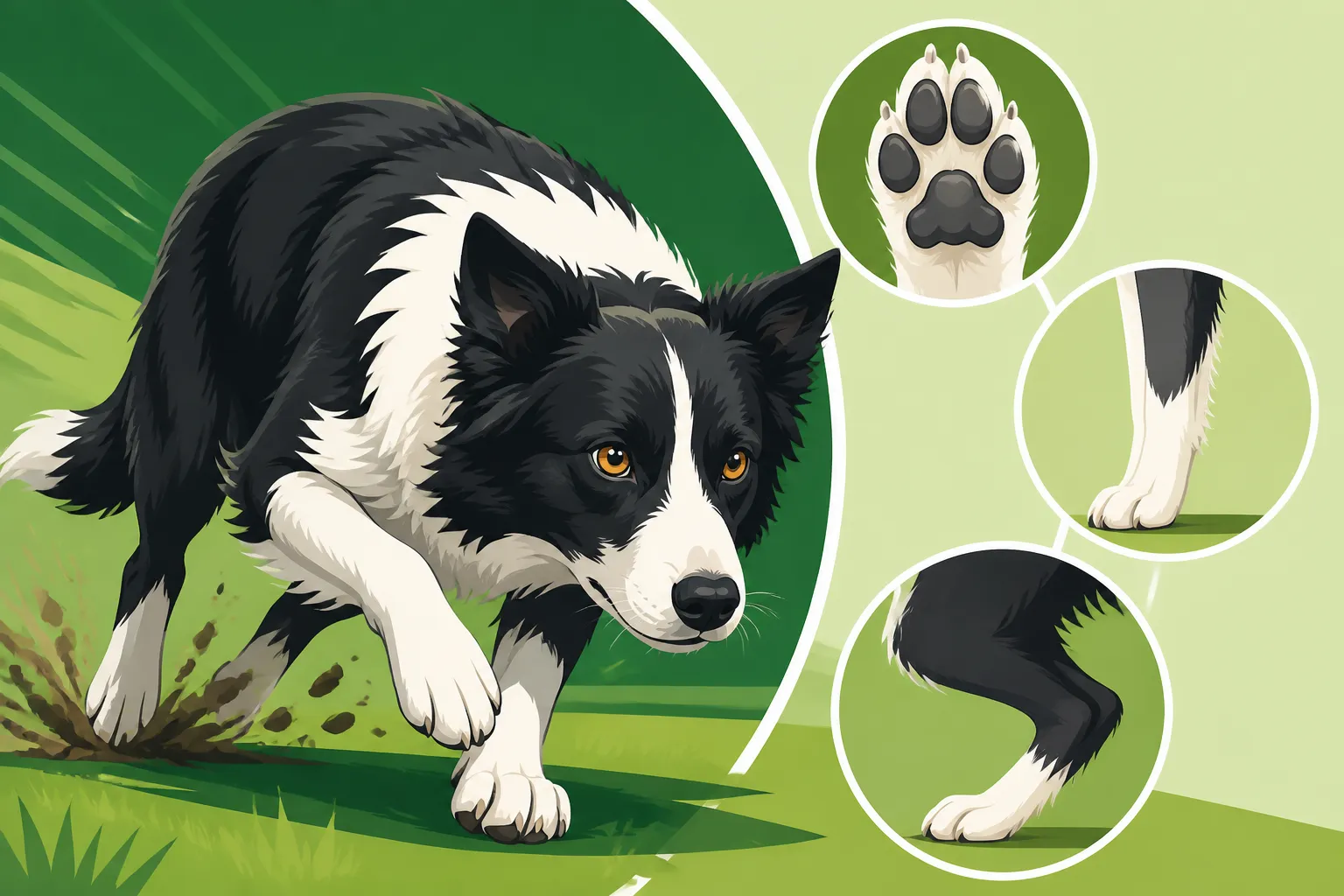
A Border Collie's working gait is a marvel of biomechanics. They move with incredible fluidity, capable of sudden bursts of speed, quick changes in direction, and powerful stops, all while maintaining balance and control. When a Border Collie is circling sheep, for instance, they aren't just running; they're constantly shifting their weight, using their hind legs for propulsion and their front legs for steering and braking. This involves complex interactions between muscles, tendons, ligaments, and joints. The shock absorption falls largely to their paws and lower leg structures. Imagine the repeated impact on their pads and joints as they launch themselves over uneven ground, or the torque placed on their stifle and hocks during a sharp turn. This constant high-impact, high-agility movement creates specific demands on their body that differ significantly from a pet dog's casual stroll in the park. The very nature of their work means that small imperfections in their gait or subtle weaknesses can escalate into significant issues over time.
How Conformation Influences Leg Health
Conformation, or the physical structure of a dog, plays a crucial role in the long-term health and soundness of a working Border Collie's legs. A dog with excellent conformation is more efficient in its movement, distributing stress evenly across its joints and muscles. For example, well-angulated shoulders and hips allow for a full range of motion without excessive strain, while strong, straight legs with tight feet provide a stable base. Conversely, poor conformation can predispose a dog to certain problems. A dog with straight shoulders might absorb more impact through its front legs, potentially leading to earlier onset of Shoulder Injuries in an Agility Border Collie. Likewise, loose hocks or cow-hocked hindquarters can put undue stress on the stifle joint, increasing the risk of cruciate ligament issues or arthritis down the line. It's not just about aesthetics; good conformation is fundamentally about functional longevity, allowing a Border Collie to perform its demanding job with less risk of injury and discomfort over its working life.
Early Development and Long-Term Soundness
The foundation for a Border Collie's leg health is laid during puppyhood and adolescence. The rapid growth spurts in large and active breeds like Border Collies make them particularly vulnerable if their exercise and nutrition aren't carefully managed. Over-exercising a young Border Collie, especially engaging in high-impact activities like jumping or prolonged running before their growth plates have closed, can cause irreversible damage. These growth plates, located near the ends of long bones, are soft and susceptible to injury until around 12-18 months of age, sometimes even later for some individuals. For instance, too much impact work before a Border Collie turns two can set them up for joint problems later in life, such as hip or elbow dysplasia, even if they have good genetics. Proper nutrition, ensuring a balanced diet that supports bone and joint development without promoting excessively rapid growth, is also vital. Careful management during these critical developmental stages can significantly contribute to a Border Collie's ability to remain sound and active well into its working years.
Common Foot and Pad Issues in Working Border Collies
The paws of a working Border Collie are their primary interface with the ground, absorbing countless impacts, navigating varied terrains, and enduring extremes of weather. It's no wonder they are often the first place to show signs of wear and tear or injury. Paying close attention to these hardworking parts is essential for their overall comfort and performance.
Split Pads, Abrasions, and Punctures
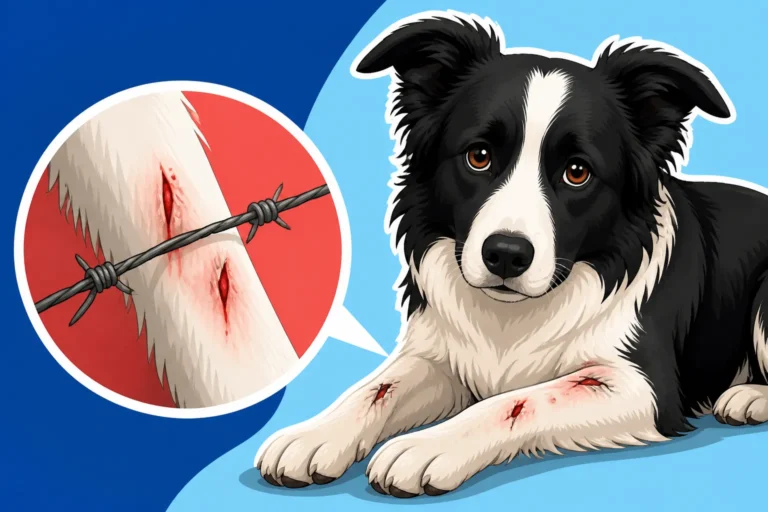
Working Border Collies frequently encounter rough, abrasive, or sharp surfaces. A split pad, often a deep crack in the paw pad, can be excruciatingly painful and is commonly seen after working on frozen ground, sharp gravel, or very dry, hard surfaces. These can range from minor surface cracks to deep fissures that bleed and take a long time to heal. Abrasions, on the other hand, are typically superficial scrapes or rubs, often caused by friction on rough ground or prolonged sliding during fast stops and turns. While less severe than splits, they can still be uncomfortable and prone to infection if not cleaned. Punctures, from thorns, sharp stones, or debris, are perhaps the most insidious, as the entry wound might be small, but the object can embed deeply, causing significant pain and a high risk of infection. Identifying and treating these quickly is paramount. Toe and Pad Injuries on a Working Border Collie are a common headache for working dog owners, and prompt attention can prevent minor issues from becoming major lameness. Daily checks for these types of injuries are a non-negotiable part of caring for an active dog.
Grass Seeds, Burrs, and Foreign Objects
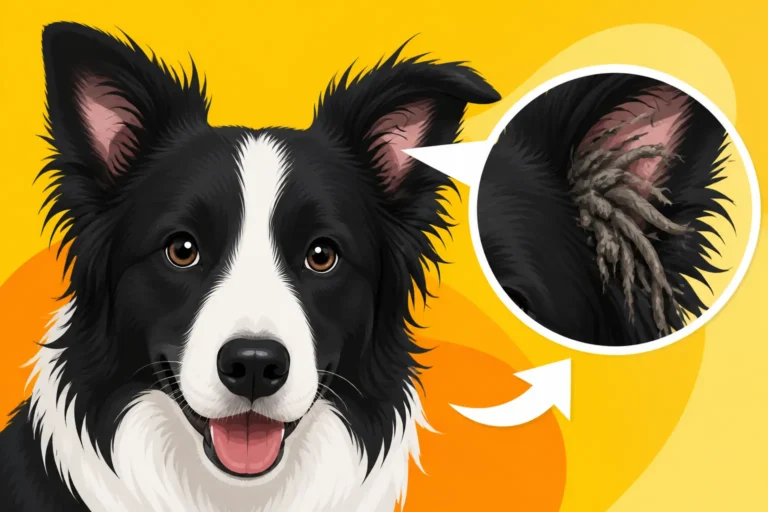
Seasonal hazards like grass seeds, burrs, and other foreign objects pose a persistent threat to a Border Collie's feet, especially those with more feathering. Certain types of grass seeds, like foxtails or awns, have barbed ends that allow them to burrow into the skin, often between the toes, under the pads, or even up into the ear canal. Once embedded, they can migrate internally, causing abscesses, severe inflammation, and infection. Burrs, while typically less invasive, can cause significant irritation, matting of the fur, and discomfort, especially for dogs with rough coats. Small stones, grit, or even shards of glass can also become lodged between the pads, creating pressure points, rubbing, or cuts. My own Border Collie, Pip, once had a tiny piece of metal work its way between her toes, causing an infection that took weeks to clear up because it wasn't caught early enough. Thoroughly checking the feet, especially the spaces between the toes and under the pads, after every outing in tall grass or brush is crucial. Using a paw balm, which you can find readily on Chewy or Amazon, can also help to condition the pads and make them less prone to cracking, creating fewer entry points for some of these nuisances.
Nail Health and Quick Management
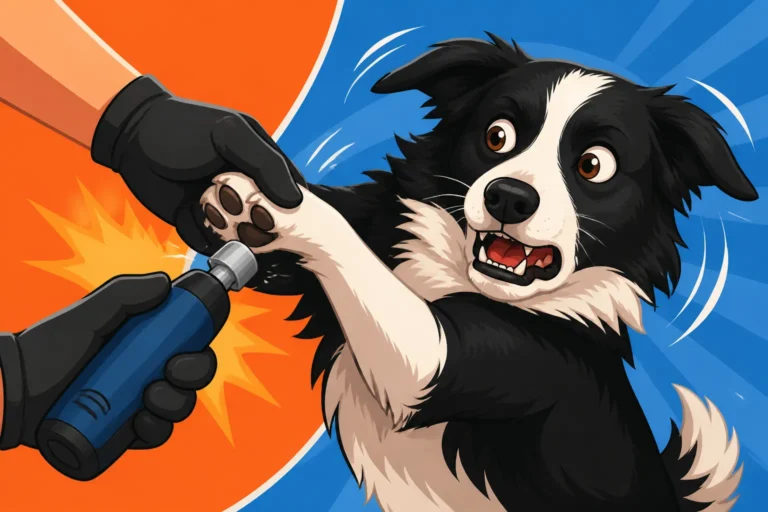
Proper nail care is absolutely vital for a Border Collie's overall leg health, yet it's often overlooked or done incorrectly. Overgrown nails can significantly impact a dog's gait, pushing their toes upwards and causing their weight to shift unnaturally onto the back of their pads. This uneven weight distribution can lead to splayed toes, discomfort, and even joint issues higher up the leg over time. Furthermore, long nails are more prone to snagging and tearing, which is an extremely painful injury that often requires veterinary attention. The "quick" — the live part of the nail containing blood vessels and nerves — grows with the nail. If nails are allowed to get too long, the quick extends, making it challenging to trim them back to an appropriate length without cutting into it, which causes pain and bleeding. Regular, frequent nail trims are essential to keep the quick receded, allowing for shorter, healthier nails that support proper foot structure and movement. If your Border Collie is hesitant about nail trims, working with a positive reinforcement approach and perhaps a Dremel tool instead of clippers can make a huge difference.
Recognizing and Addressing Leg Injuries
Despite our best efforts, injuries can and do happen to working Border Collies. Their dedication to their job means they often push through discomfort, making it even more important for us to be vigilant in recognizing the subtle signs of trouble. Early detection and appropriate action can make all the difference in recovery time and long-term prognosis.
Muscle Strains and Sprains
Muscle strains occur when muscle fibers are overstretched or torn, while sprains involve ligaments – the tough bands of tissue connecting bones at a joint. Both are common in active dogs like Border Collies due to their explosive movements, sudden stops, and rapid changes in direction. A common scenario might be a dog working stock, making a sharp turn on uneven ground, and suddenly yelping or showing a subtle limp. Signs of a strain or sprain can range from mild lameness or stiffness after activity to acute, non-weight-bearing lameness. You might notice swelling, heat, or tenderness to the touch over the affected area. The dog might be reluctant to put weight on the limb, jump into the car, or perform previously easy tasks. Often, these injuries improve with rest and anti-inflammatory medication, but sometimes they can be more severe, requiring longer recovery periods or even physical therapy. Differentiating between a minor tweak and a more serious injury can be tricky, so if lameness persists for more than a day or is severe, a vet visit is always warranted.
Tendon and Ligament Injuries (Cruciates, Iliopsoas)
Tendon and ligament injuries are unfortunately prevalent in active breeds. The cranial cruciate ligament (CCL), often simply called the cruciate, in the stifle (knee) joint is one of the most common. A partial or complete tear of the CCL is a debilitating injury, leading to instability in the knee and significant lameness. It can happen acutely, during a sudden twist or jump, or gradually over time due to chronic degeneration. Cruciate Tears in a Border Collie often require surgical intervention, such as Tibial Plateau Leveling Osteotomy (TPLO) or Extracapsular Repair, to stabilize the joint and prevent further damage. Another common, yet often misdiagnosed, issue is an iliopsoas strain. The iliopsoas muscle group runs from the lower spine to the inner thigh and is crucial for hip flexion and rear leg movement. Iliopsoas Strain in a Border Collie typically presents as hind limb lameness, often exacerbated by activities that involve extending the hip, such as jumping, weaving, or collecting stock. Dogs with this injury might show a reluctance to sit squarely or might 'bunny hop' when running. These injuries require careful diagnosis, often involving palpation and diagnostic imaging, and dedicated rehabilitation to ensure a full return to function.
Joint Issues (Dysplasia, Arthritis)
Joint issues, while sometimes acute, often develop as chronic conditions. Hip and elbow dysplasia are unfortunately genetic predispositions in many larger, active breeds, including Border Collies. Hip dysplasia occurs when the ball and socket joint of the hip doesn't fit together perfectly, leading to instability and degenerative changes. Similarly, elbow dysplasia encompasses several developmental abnormalities in the elbow joint. While genetic, environmental factors during growth, such as rapid weight gain or excessive exercise, can exacerbate these conditions. Early screening, like Hip and Elbow Scores in a Border Collie, can help breeders make informed decisions and help owners understand their dog's predispositions. Arthritis, or osteoarthritis, is the degenerative inflammation of joints and is a common consequence of these developmental issues or repetitive microtrauma over a working life. It leads to pain, stiffness, and reduced mobility. You might notice your Border Collie slowing down, being reluctant to jump, or struggling to get up after resting. While there's no cure for arthritis, management strategies including pain medication, joint supplements, physical therapy, and maintaining an ideal body weight can significantly improve their quality of life. The age a Border Collie's first seizure arrives, for example, is usually in their prime, and we want to keep their body moving well through those years too.
Preventative Care for Feet and Legs
Prevention is always better than cure, especially when it comes to the hardworking limbs of a Border Collie. A consistent, thoughtful preventative care routine can drastically reduce the risk of injuries and contribute significantly to their long-term soundness and working longevity.
Proper Nail Trimming Techniques
Mastering proper nail trimming is a fundamental skill for any Border Collie owner. The goal is to keep the nails short enough so they don't touch the ground when your dog is standing, preventing unnatural pressure on the paw and toes. For many working dogs that run on abrasive surfaces, their nails might wear down naturally, but dewclaws (if present) and often the innermost nails still need regular attention. When trimming, use sharp, dog-specific clippers or a dremel. Trim small amounts frequently, rather than trying to take off a lot at once. Identify the quick – the pinkish area in lighter nails, or the solid black center in dark nails – and trim just in front of it. If you accidentally nick the quick, don't panic; use styptic powder to stop the bleeding. If your Border Collie is sensitive about their feet, start slowly and make it a positive experience with treats and praise. Gradual desensitization can turn a dreaded chore into a manageable routine. Regular trimming not only prevents painful tears but also promotes healthier foot conformation, which is crucial for a dog that spends its life moving with precision and power.
Conditioning and Warm-Up Routines
Just like human athletes, Border Collies need proper conditioning and warm-up routines to prepare their bodies for work and reduce the risk of injury. A well-conditioned dog has stronger muscles, more resilient tendons and ligaments, and better overall stamina. This isn't just about endless running; it involves a balanced program of strength training, endurance work, and flexibility. Before any intense activity, whether it's an hour of herding or a fast agility run, a proper warm-up is essential. This could involve 5-10 minutes of gentle leash walking, followed by some light trotting and perhaps a few controlled stretches or simple obedience exercises. The goal is to increase blood flow to the muscles, raise the core body temperature, and prepare the joints for action. Conversely, after strenuous work, a cool-down period of gentle walking allows the heart rate to slowly return to normal and helps to flush metabolic waste products from the muscles, potentially reducing stiffness and soreness. Think about how a dog slows down after a big run, that's their natural cool down. Incorporating these practices into your routine is a simple yet effective way to protect your Border Collie's legs and keep them performing at their best.
Appropriate Surfaces for Work and Training
The surfaces a Border Collie works and trains on have a significant impact on their long-term leg health. While they are built for rugged terrain, constantly working on unsuitable surfaces can lead to cumulative trauma. Hard, unforgiving surfaces like concrete or asphalt offer little shock absorption, placing immense stress on joints, bones, and pads. Repetitive impact on these surfaces can contribute to conditions like arthritis or cause chronic pad abrasions. Conversely, excessively soft or uneven surfaces, like deep sand or heavily rutted fields, can challenge proprioception and increase the risk of sprains and strains as the dog's body works harder to maintain stability. The ideal working surface for a Border Collie is often varied and yielding, like well-maintained pasture or turf, which provides good traction and some shock absorption. When training agility, for example, choosing facilities with appropriate footing (like rubber pellets or high-quality artificial turf) is crucial. If you must work on harder ground, ensure adequate warm-ups, keep sessions shorter, and inspect paws carefully afterwards. Using protective paw wax or balms, readily available from online retailers like Amazon, can also offer a layer of defense against abrasive surfaces and harsh weather conditions, especially if your dog is out working in adverse conditions.
Nutrition and Supplements for Joint and Tissue Support
Just as a high-performance vehicle needs the right fuel and maintenance, a working Border Collie's body requires optimal nutrition to support its incredible physical demands, especially concerning their joints and connective tissues. What goes into their bowl directly impacts the strength and resilience of their legs and feet.
Key Nutrients for Healthy Legs and Paws
A balanced diet forms the cornerstone of strong bones, healthy joints, and resilient paws. Protein is paramount for muscle development and repair, as well as for the structural components of cartilage and ligaments. Look for high-quality animal proteins as primary ingredients in your Border Collie's food. Essential fatty acids, particularly Omega-3s (EPA and DHA), are crucial for reducing inflammation throughout the body, including in the joints. These can be found in fish oils or certain performance dog foods. Vitamins and minerals also play vital roles. Vitamin C is important for collagen synthesis, a key component of connective tissues, while Vitamin D and calcium are essential for bone density and strength. Zinc and biotin contribute to healthy skin and paw pads, aiding in resilience against splits and abrasions. Many premium dog food brands, such as those you might find on Ollie, are formulated with these specific needs in mind for active dogs, ensuring a comprehensive nutritional profile to support their demanding lifestyle. Ensuring your Border Collie is getting these nutrients in adequate amounts can help maintain the integrity of their feet and legs through years of hard work.
The Role of Joint Supplements
While a complete and balanced diet is the foundation, joint supplements can play a supportive role, particularly for Border Collies engaged in intense work, those with a genetic predisposition to joint issues, or aging individuals showing early signs of stiffness. The most common ingredients in joint supplements include:
- Glucosamine and Chondroitin: These are natural components of healthy cartilage. Supplementing with them is thought to help rebuild and protect cartilage, reducing joint degradation.
- MSM (Methylsulfonylmethane): An organic sulfur compound with anti-inflammatory properties, often used to reduce pain and swelling in joints.
- Hyaluronic Acid (HA): A major component of synovial fluid, which lubricates joints. HA supplements aim to improve joint lubrication and shock absorption.
- Omega-3 Fatty Acids: As mentioned, these have potent anti-inflammatory effects and are often included in joint health formulations.
It's important to discuss any supplement regimen with your veterinarian, especially if your Border Collie is already on medication or has underlying health conditions. Not all supplements are created equal, and your vet can advise on reputable brands and appropriate dosages. Joint Supplements for a Border Collie Doing Agility often feature a combination of these ingredients, aimed at supporting the intense demands of canine sports. While not a magic bullet, a thoughtfully chosen joint supplement can offer valuable support to the longevity of your Border Collie's active limbs.
Maintaining Ideal Body Weight
Perhaps one of the most critical, yet sometimes overlooked, aspects of preventative leg care is maintaining your Border Collie's ideal body weight. Every extra pound your dog carries places additional stress on their joints, tendons, and ligaments, particularly in the hips, stifles, and elbows. This increased load accelerates wear and tear, exacerbates conditions like arthritis or dysplasia, and increases the risk of acute injuries such as cruciate ligament tears. A lean, fit Border Collie moves more efficiently, has better stamina, and places less strain on its musculoskeletal system. You should be able to easily feel your Border Collie's ribs without seeing them, and they should have a discernible waist when viewed from above, with an abdominal tuck from the side. The Body Condition a Sport Border Collie Carries is often on the leaner side for a reason. Regularly assessing your dog's body condition score and adjusting their food intake and exercise level accordingly is paramount. If you're struggling to keep weight off a Border Collie without cutting work, consulting with your vet or a canine nutritionist to tailor a diet plan can be incredibly beneficial. Brands like Ollie offer customized meal plans that can help manage weight while still providing all necessary nutrients for an active dog.
Daily and Post-Work Inspection Routines
For working Border Collies, a consistent and thorough inspection routine is not just good practice—it's absolutely essential. These dogs are stoic and often driven to ignore discomfort, making it your responsibility to be their first line of defense against injury and illness.
The Importance of a Thorough Daily Check
Every single day, especially if your Border Collie has been working, you need to conduct a methodical inspection of their body, with particular focus on their feet, pads, and legs. Think of it as their daily health check-up. This routine helps you catch minor issues before they escalate into major problems. A tiny cut today could be a raging infection tomorrow. A small burr missed could burrow its way in and cause an abscess. Moreover, this routine strengthens your bond with your dog, as they learn to trust your touch and tolerate examination. It’s also an opportunity to detect subtle changes in their body – new lumps, tenderness, or unusual heat in a joint – that might indicate an underlying issue not immediately apparent through their behavior. A quick once-over before heading out for the day and a more detailed inspection after returning from work, especially during seasons when Grass Seeds in a Border Collie's Feet are common, can save you a lot of worry and vet bills down the line.
What to Look For During Inspection
During your daily inspection, systematically examine each paw and leg. Start with the paws:
- Pads: Look for cuts, abrasions, cracks, punctures, or signs of unusual wear. Check for any embedded foreign objects like thorns, glass, or grass seeds, especially in the crevices between the pads. Note any redness, swelling, or tenderness.
- Toes and Nails: Inspect between each toe for foreign objects, irritation, or interdigital cysts. Check nail length, ensuring they are not overgrown, and look for any chips, splits, or signs of infection around the nail bed.
- Legs: Run your hands down each leg, feeling for any swelling, heat, or tenderness along the bones, muscles, tendons, and joints (carpus/wrist, elbow, hock, stifle/knee). Gently flex and extend each joint through its natural range of motion, noting any stiffness, clicking sounds, or pain response.
- Overall Gait: Watch your Border Collie walk and trot on a leash. Look for any subtle lameness, uneven weight bearing, or changes in their stride. Does their tail wag evenly? Do they lean to one side? These observations, combined with your physical checks, provide a comprehensive picture of their musculoskeletal health. If you notice a persistent limp after a Border Collie works, that's a definite red flag.
First Aid for Minor Injuries
Knowing basic first aid for minor leg and paw injuries can prevent small problems from becoming emergencies.
- Small Cuts/Abrasions: Cleanse the wound thoroughly with an antiseptic solution (like diluted Betadine or chlorhexidine, not alcohol, which can sting). Apply a thin layer of antibiotic ointment and cover with a sterile non-stick pad and a light bandage if the dog can't leave it alone or if it's in an area prone to dirt. Change daily.
- Embedded Objects: If you find a superficial grass seed or burr, try to remove it carefully with tweezers. For deeper objects, do not attempt to dig it out yourself, as you risk pushing it further or causing more damage. Seek veterinary attention.
- Bruising/Mild Swelling: For minor sprains or bruises, cold compresses for 15-20 minutes several times a day can help reduce swelling and pain in the initial 24-48 hours. Follow with gentle warmth after the initial swelling subsides to promote blood flow. Ensure rest.
- Bleeding Nails: If you've trimmed too close to the quick and it bleeds, apply styptic powder or cornstarch with firm pressure for a few minutes. This usually stops the bleeding quickly.
Always monitor the injury closely for signs of infection (increased redness, swelling, pus, foul odor, worsening pain) and seek veterinary care if the injury doesn't improve, worsens, or if you suspect something more serious. Stocking a basic canine first-aid kit, perhaps from Chewy, with items like sterile pads, vet wrap, antiseptic wipes, and styptic powder, is a wise investment for any working Border Collie owner.
When to Seek Professional Veterinary Care
While diligent home care can address many minor issues, there are definite times when professional veterinary intervention is absolutely necessary. Knowing when to call the vet, rather than hoping it will just get better, can be crucial for your Border Collie's recovery and long-term health.
Signs That Warrant Immediate Attention
Certain signs indicate a more serious problem with your Border Collie's feet or legs that requires prompt veterinary assessment. These include:
- Acute Non-Weight Bearing Lameness: If your Border Collie suddenly cannot put any weight on a limb, or holds it up completely, this is an emergency. It could indicate a fracture, a severe sprain, a dislocation, or a serious ligament tear like a Cruciate Tears in a Border Collie.
- Severe Swelling, Heat, or Pain: Significant, rapidly developing swelling, intense heat over a joint or limb, or extreme pain when touched are all red flags for serious inflammation, infection, or internal injury.
- Open Wounds with Extensive Bleeding or Deep Punctures: While small cuts can be managed at home, any wound that is deep, wide, continually bleeding, or has potential foreign material deeply embedded needs professional cleaning and assessment to prevent infection and promote proper healing.
- Changes in Foot Structure or Persistent Limp: If you notice a sudden change in the way your Border Collie stands on its foot, or if a limp persists for more than 24-48 hours despite rest, it's time for a professional opinion.
- Loss of Appetite, Lethargy, or Fever: These systemic signs, especially when coupled with lameness, could indicate a severe infection, an autoimmune condition, or a significant internal issue.
Never hesitate to call your vet if you're concerned. It's always better to be safe than sorry, and early diagnosis often leads to a better prognosis.
Diagnostic Tools and Procedures
When you bring your Border Collie to the vet with a leg or paw issue, they have a range of diagnostic tools at their disposal to get to the bottom of the problem.
- Physical Examination and Palpation: This is the first step, where the vet will carefully examine the affected limb, palpating for swelling, heat, pain, and instability. They'll assess range of motion and observe your dog's gait.
- Radiographs (X-rays): X-rays are crucial for identifying bone fractures, dislocations, signs of arthritis, and the extent of developmental conditions like hip and elbow dysplasia. They provide a static image of the bone structure.
- Ultrasound: This imaging technique is excellent for visualizing soft tissues, such as muscles, tendons, and ligaments, which don't show up well on X-rays. It's particularly useful for diagnosing issues like iliopsoas strains, tendonitis, or looking for foreign bodies.
- MRI/CT Scans: For more complex or elusive lameness, MRI (Magnetic Resonance Imaging) or CT (Computed Tomography) scans offer highly detailed images of bones, joints, and soft tissues. These are often used when nerve damage or very subtle soft tissue injuries are suspected.
- Joint Taps (Arthrocentesis): In some cases, fluid may be drawn from a joint to check for infection, inflammation, or specific types of arthritis.
- Blood Work: Blood tests can help rule out systemic illness, inflammation, or infections that might be contributing to lameness or joint pain.
A thorough diagnostic work-up is essential to accurately pinpoint the cause of lameness and formulate the most effective treatment plan, avoiding guesswork and ensuring your dog gets the right care. For example, if a Border Collie is insured against epilepsy and joints, understanding the exact diagnosis is key for claims.
Rehabilitation and Long-Term Management
Once a diagnosis is made, treatment often involves more than just medication or surgery; rehabilitation and long-term management become key, especially for a working Border Collie.
- Rest and Activity Restriction: The initial phase often involves strict rest to allow tissues to heal. This can be incredibly challenging for a high-drive Border Collie, but it's non-negotiable. Creative mental stimulation and crate rest can help.
- Medication: Anti-inflammatory drugs (NSAIDs), pain relievers, and sometimes antibiotics (for infections) are commonly prescribed. Your vet will guide you on appropriate medications and dosages, especially if your Border Collie has sensitivities like Drug Sensitivity and the Border Collie MDR1 Rate.
- Physical Therapy/Rehabilitation: This is increasingly recognized as vital for optimal recovery. It can include hydrotherapy (underwater treadmill), therapeutic exercises to rebuild muscle strength and proprioception, massage, laser therapy, and acupuncture. A certified canine rehabilitation therapist can design a tailored program. Returning a Border Collie to agility after TPLO, for instance, relies heavily on a structured rehab program.
- Lifestyle Adjustments: For chronic conditions like arthritis, long-term management includes maintaining ideal body weight, modifying exercise routines to avoid exacerbating pain, providing comfortable bedding, and potentially using ramps or steps to avoid jumping.
- Ongoing Monitoring: Regular veterinary check-ups are essential to monitor progress, adjust medication, and manage any recurring issues. This partnership with your vet is critical to giving your working Border Collie the best chance at a long, sound career. Whether a Border Collie Needs a Sports Vet is a common question, and for complex or recurring injuries, their specialized expertise can be invaluable.
Remember, patience and consistency are key during rehabilitation. It's a marathon, not a sprint, but with dedication, many Border Collies can return to a fulfilling, active life.
| Common Foot & Leg Issues | Symptoms | Initial Home Care | When to See a Vet |
|---|---|---|---|
| Split/Abrasive Pads | Limping, licking paw, visible crack/sore | Clean, apply paw balm/antibiotic ointment, bandage | Deep splits, persistent pain, infection signs |
| Embedded Foreign Body | Licking, limping, swelling between toes | Carefully remove if superficial, clean | Object deeply embedded, swelling, discharge, lameness |
| Overgrown Nails | Clicking on floor, splayed toes, discomfort | Regular short trims | Pain, broken nail with bleeding, infection |
| Muscle Strain/Sprain | Mild limp, stiffness, tenderness | Rest, cold/warm compress, limit activity | Non-weight bearing, severe pain, swelling, lameness > 24h |
| Cruciate Injury | Sudden lameness, toe-touching gait, "sitting like a gentleman" | Strict rest, pain management (vet consultation needed) | Immediate veterinary consultation needed |
| Arthritis | Stiffness after rest, reluctance to jump/play | Joint supplements (vet-approved), comfortable bed | Worsening lameness, new pain, reduced quality of life |
Disclaimer
This article is for general informational purposes only and does not constitute professional advice. Laws, prices and regulations vary by location and change over time. Consult a qualified professional for guidance on your specific situation.