Retiring a Border Collie From Stock Work
Retiring a Border Collie from stock work involves recognizing physical slowing, mental decline, and prolonged recovery times to ensure comfort.

Retiring a Border Collie from stock work involves recognizing physical slowing, mental decline, and prolonged recovery times to ensure comfort.

Border Collies usually become seniors between seven and ten years of age, though individual dogs live twelve to fifteen years or longer.

Working Border Collie aging speed depends on intense physical demands, high impact workouts, and continuous mental effort.

Safe worming methods for MDR1 gene mutation Border Collies prevent toxic drug accumulation and severe neurological symptoms.

Border Collie MDR1 gene mutation risks and steps to flag this genetic status on veterinary records to prevent toxic drug reactions.
Border Collies with the MDR1 gene mutation face severe risks from specific anesthesia drugs like acepromazine, causing dangerous neurological side effects.

Loperamide toxicity risks for MDR1-affected Border Collies and ABCB1 genetic mutation testing details are explained here.

Heartworm prevention for a Border Collie carrying the MDR1 gene mutation involves safe medication choices and DNA testing.
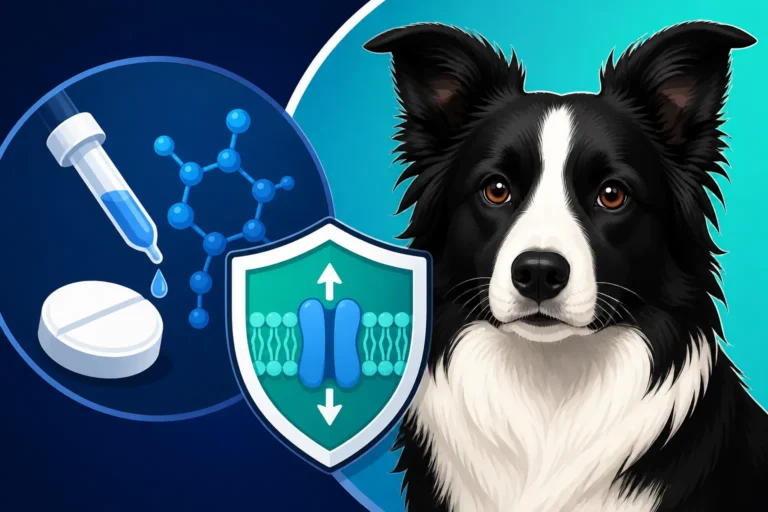
The MDR1 gene mutation produces a faulty protein that allows ivermectin and other toxins to cross the blood-brain barrier in Border Collies.

The MDR1 gene mutation causes severe drug sensitivities in herding dogs, but Border Collies show a remarkably low prevalence.