What the MDR1 Deletion Does to a Border Collie
The MDR1 gene deletion in Border Collies disrupts P-glycoprotein function, causing severe neurotoxicity from routine medications.
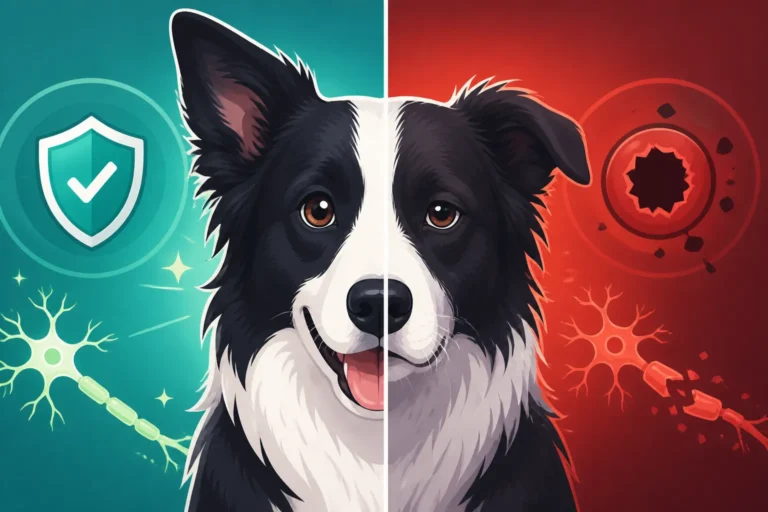
The MDR1 gene deletion in Border Collies disrupts P-glycoprotein function, causing severe neurotoxicity from routine medications.

High-impact work before a Border Collie turns two damages developing growth plates and joints, causing irreversible skeletal injury.
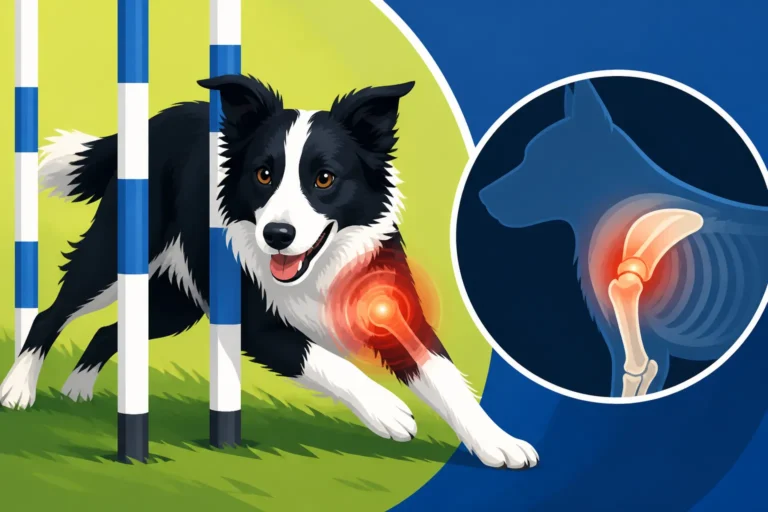
Shoulder lameness in Border Collies performing weave poles stems from causes like bicipital tenosynovitis and supraspinatus tendinopathy.
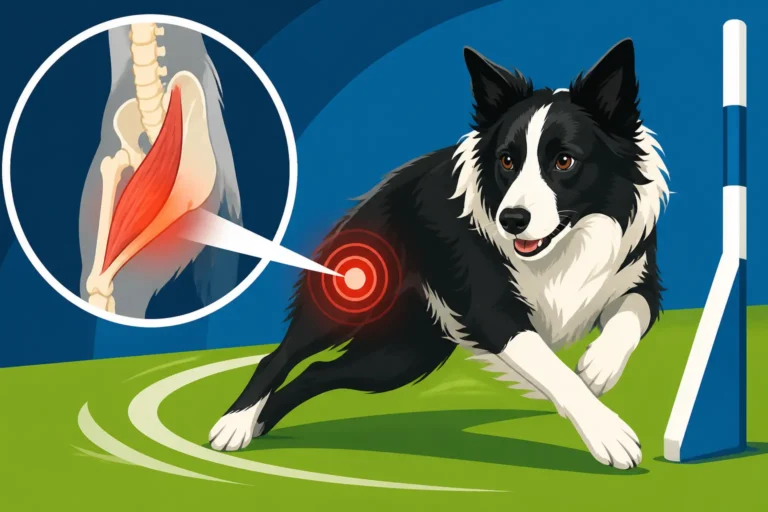
Iliopsoas strain causes Border Collies to slow down on sharp turns by damaging hip flexor muscles connecting the spine and femur.
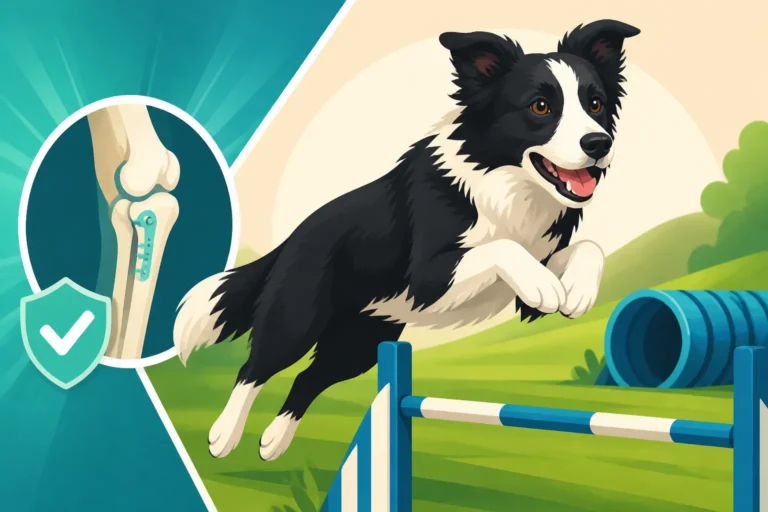
Border Collie TPLO recovery steps and strict crate rest help owners safely return dogs to agility after cruciate ligament surgery.
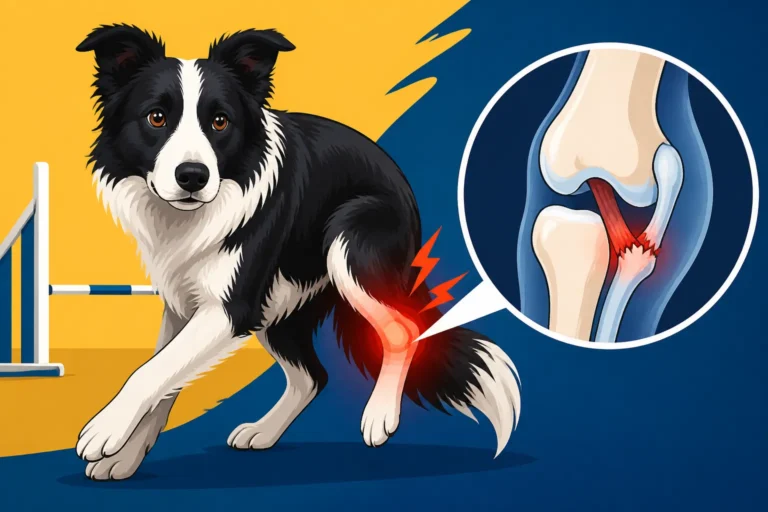
Cruciate ligament tears in agility Border Collies, explaining knee joint anatomy, symptoms, treatment options, and rehabilitation.
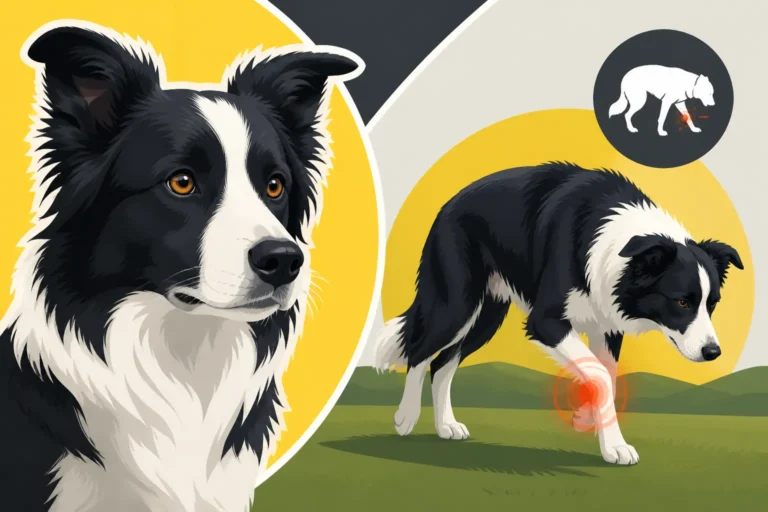
Border Collie post-work limping and stiffness, potential physical causes, at-home leg assessment steps, and veterinary care guidelines.
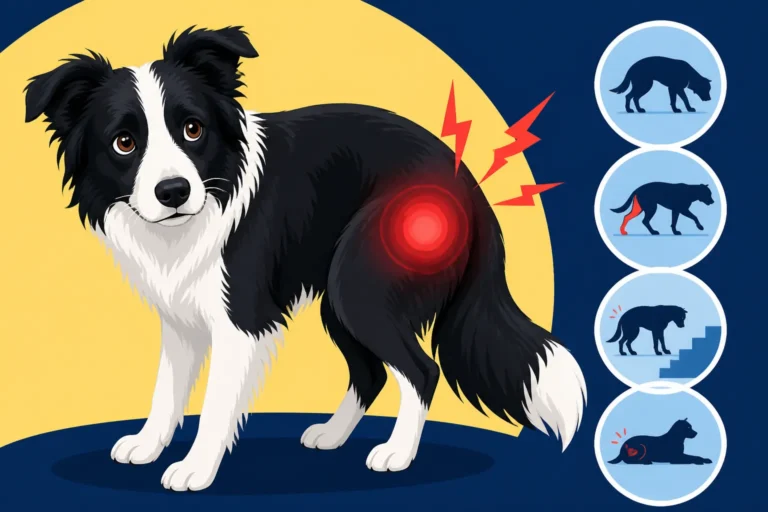
Border Collie hip soreness shows through subtle gait changes, hidden joint discomfort, and reduced athletic performance during daily activities.
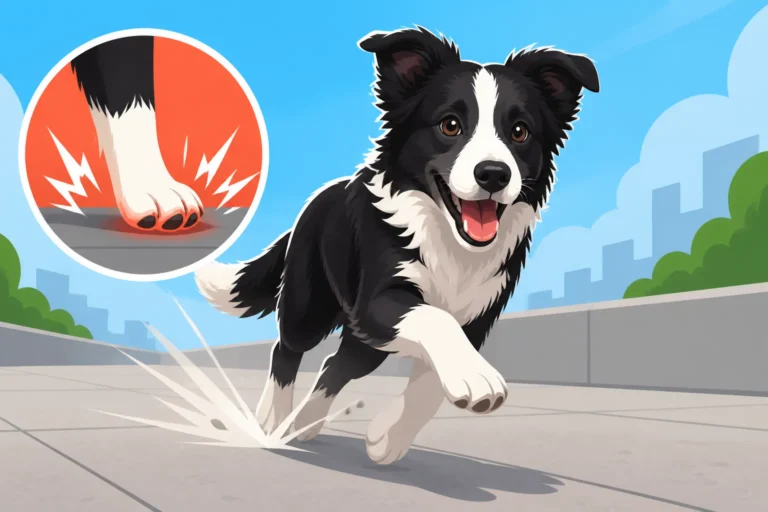
Running young Border Collies on concrete damages unfused growth plates and causes joint pain, osteoarthritis, and other severe injuries.

Border Collie puppy joint health depends on protecting soft growth plates from injuries during the first twelve to eighteen months.