The Anglo-Scottish Border and the First Collies
It’s easy to look at a Border Collie today and marvel at their intelligence and tireless work ethic, but have you ever stopped to wonder where that incredible drive and capability actually came from? The truth is, the story of the Border Collie is inextricably tied to the harsh, beautiful landscape and demanding lifestyle of the Anglo-Scottish Border region, shaping these dogs into the phenomenal partners we know. This guide will take you back in time to explore the very cradle of the breed, understanding the environment and needs that sculpted the first collies.
The Land That Forged a Legend
The Anglo-Scottish Border isn't just a line on a map; it's a dramatic landscape of rolling hills, deep valleys, and unforgiving weather that played a pivotal role in shaping the very essence of the Border Collie. Imagine this rugged terrain, often wild and remote, where survival wasn't just a goal but a daily struggle. This was the crucible where the foundational traits of the breed were forged, far from any fancy kennel club or pedigree chart. The dogs here weren't bred for looks; they were bred for their ability to bring food to the table and keep a family from destitution.
Rugged Terrain and Isolated Communities
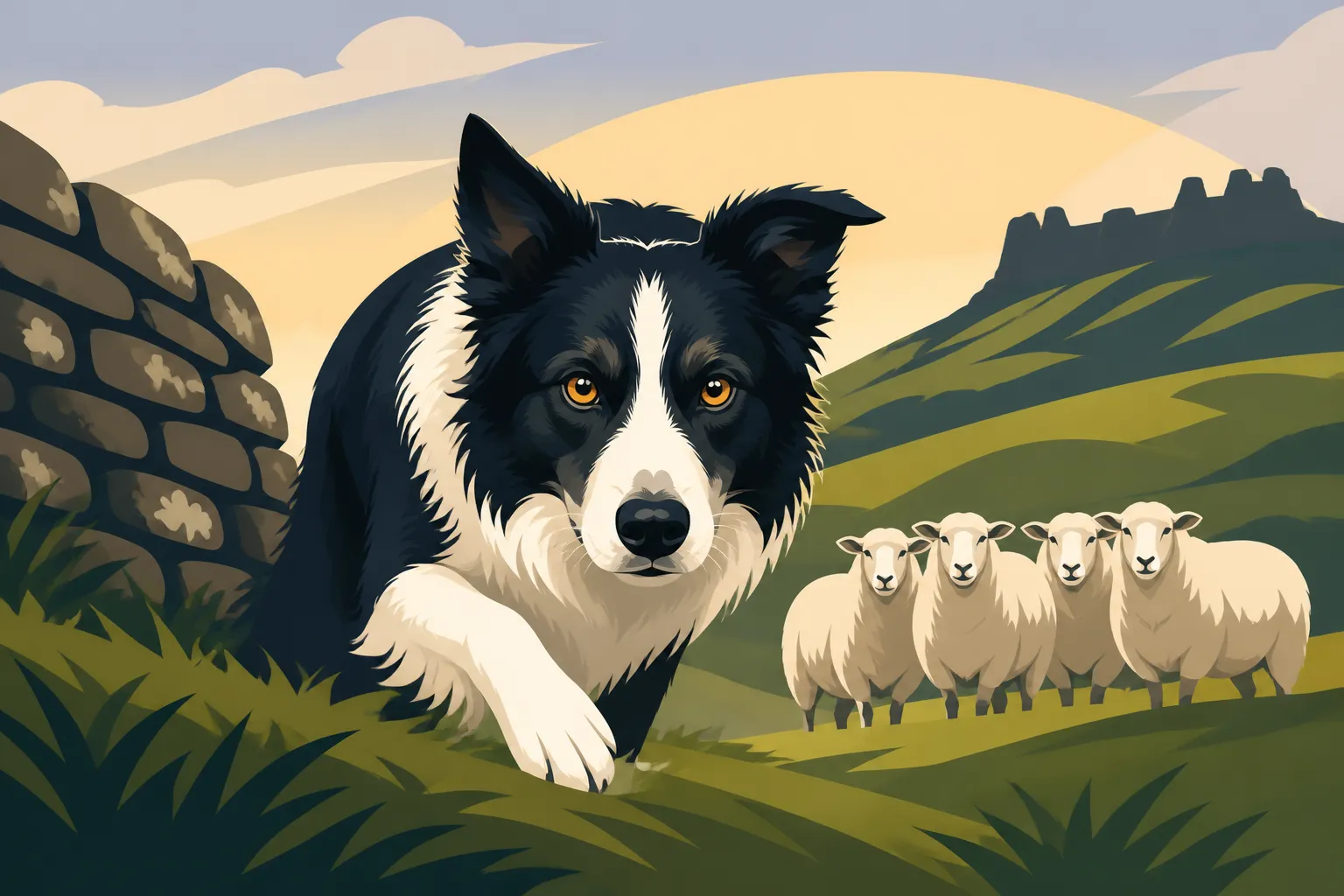
Picture the Border country in centuries past – vast, unfenced expanses of moorland, steep hillsides, and boggy valleys, often shrouded in mist or battered by driving rain. This wasn't gentle farmland; it was challenging territory where sheep could easily scatter, get lost, or fall prey to wild animals. Shepherds lived in relatively isolated communities, often miles from their nearest neighbors, relying heavily on their own grit and the capabilities of their dogs. There were no quad bikes or high-tech radios; just a shepherd, a staff, and a trusty companion by their side. This isolation also meant that specific lines of working dogs could develop relatively undisturbed, with traits being passed down through generations within a tight-knit community of handlers. The dogs that thrived here were those with exceptional stamina, keen eyesight, and an unwavering focus on their task, traits that became deeply ingrained.
A History of Raids and Resourcefulness
Beyond the natural challenges, the Anglo-Scottish Border region had a turbulent history, marked by centuries of skirmishes, cattle rustling, and reiving (organized raiding for livestock and goods). Life was precarious, and both human and animal populations had to be hardy and resourceful to survive. While the larger-scale raids waned over time, the need for vigilance and protection remained. Shepherds needed dogs that weren't just adept at moving sheep but also alert to potential threats, whether from opportunistic thieves or predators like foxes. This environment fostered a dog with sharp senses, a watchful nature, and a willingness to act on its own initiative when necessary, though always with a strong bond to its handler. The dogs here learned quickly, adapted to changing situations, and possessed an innate understanding of danger, becoming indispensable guardians as well as herders.
The Sheep Breeds of the Marches
The type of sheep raised in the Border region also influenced the dogs that worked them. These weren't typically the docile, slow-moving breeds found in lowland pastures. Instead, the Border country was home to hardy, independent sheep breeds like the Scottish Blackface or the Cheviot, which were accustomed to ranging freely over vast, exposed uplands. These sheep were often wary of humans and quick to bolt, requiring a dog with immense patience, cunning, and the "eye" to control them without resorting to aggression. A dog that bit or savaged sheep would quickly find itself out of a job – or worse. The ideal dog needed to be able to gather scattered sheep from distant hillsides, bring them quietly to the shepherd, and hold them calmly. This specific need for a dog capable of "strong but gentle" control was a key factor in the development of the Border Collie's characteristic working style, distinct from many other herding breeds.
What "Collie" Meant Before "Border"
Before the name "Border Collie" was officially coined, the term "collie" was much more general, encompassing a wide variety of shepherd's dogs found across Britain. It wasn't a specific breed as we understand it today, but rather a descriptor for a type of working dog, often with a darker coat, that was essential for managing livestock. Understanding this broader historical context helps us appreciate how the specific traits of the Border Collie began to coalesce from this larger pool of pastoral dogs. It wasn't an instant creation but a gradual refinement based on utility and performance.
The Linguistic Roots of the Word
The origin of the word "collie" itself is a bit murky, but popular theories link it to the Old English word "col" or "coll," meaning black, referring to the common black-faced sheep of Scotland, known as "colley" sheep. Another theory suggests it comes from "coal," again referencing the dark coats often found on these working dogs. So, when people spoke of a "collie," they were often referring to the dark, shaggy working dogs that accompanied shepherds, especially those managing flocks of black-faced sheep. It was a descriptive term, not a breed name with a defined standard. These were dogs known for their intelligence, hardiness, and devotion to their work, regardless of their specific lineage. For those who spent their lives alongside these animals, the term was simply shorthand for an indispensable working partner. To learn more about this, you might find What Collie Meant Before the Border Collie an interesting read.
Early Descriptions of Shepherd Dogs
Historical records and writings from past centuries provide tantalizing glimpses of these early "collie" dogs. They were consistently described as intelligent, agile, and fiercely dedicated to their duties. They weren't just pets; they were tools, partners, and often the difference between a shepherd's success and failure. Descriptions often highlighted their stealthy movement, their ability to work silently, and their intense focus on the sheep. There was no single look or type, but rather a collection of dogs valued for their functional abilities. Some might have been long-haired, others shorter-coated; some might have had prick ears, others floppy. The key was their aptitude for the work. These were the dogs observed by writers and naturalists, even if they didn't yet have a formalized breed name. Their effectiveness in the field was what mattered most, and this functional selection was far more rigorous than any modern show ring criteria.
Variety in Early Collie Types
Because "collie" was a catch-all term, there was considerable variation among the dogs known by this name throughout Britain. Different regions developed their own localized types, suited to specific terrains, sheep breeds, and herding practices. For instance, dogs in the Welsh mountains might have differed slightly from those in the Scottish Highlands or the English lowlands. These differences were not usually deliberate breeding choices for aesthetics but rather a natural outcome of selection pressures in isolated communities. Over time, however, the dogs of the Anglo-Scottish Border began to stand out. Their particular blend of "eye," agility, and tireless energy became renowned, leading to a convergence of traits that would eventually form the basis of the modern Border Collie. These early variations underscore the powerful role that environment and specific job requirements play in shaping canine populations over generations. It's a testament to adaptation and specialized selection driven by real-world needs.
The Early Shepherd's Needs: More Than Just a Helper
Imagine being a shepherd in the unforgiving landscape of the Anglo-Scottish Border centuries ago. Your livelihood, and indeed your very survival, depended entirely on your flock. You couldn't afford a lazy dog, a flighty dog, or a dog that couldn't handle the weather. The demands placed upon these early collies were immense, far exceeding what most modern pet owners could ever conceive. They weren't just pets; they were vital members of the team, expected to perform complex tasks with minimal human intervention, often over vast distances and in extreme conditions.
Controlling Flocks in Vast, Open Spaces
One of the primary challenges for shepherds was managing flocks that roamed across vast, often unfenced, expanses of moorland and hills. There were no corrals at every turn, no small pastures where sheep could be easily gathered. A shepherd needed a dog that could "outrun" the sheep, circling wide to gather them from afar and bring them back to the handler. This required incredible stamina, speed, and the intelligence to understand complex directions, even at hundreds of yards. The dog had to be able to navigate difficult terrain, read the subtle movements of the sheep, and apply just the right amount of pressure to move them without causing panic. This ability to work independently, yet remain keenly responsive to distant commands, became a hallmark trait. This is a far cry from a dog merely fetching a ball in the park; it's a sophisticated interaction between dog, sheep, and human across a living landscape. The historical demands on these dogs highlight What Shepherds on the Border Needed From a Dog.
Protecting Against Predators and Theft
While herding was their primary role, these early collies also served as crucial protectors. The Border region was not only wild but also prone to opportunistic predation from wolves (though largely eradicated by that time), foxes, and even wildcats. More concerning, perhaps, was the threat of human thieves or "reivers" who would steal livestock. A good collie was alert, wary of strangers, and had a strong instinct to protect its flock and its shepherd. This didn't mean aggressive attacking, but rather an intimidating presence, a loud alarm bark, and a willingness to stand its ground. This combination of intelligent herding and protective instincts was invaluable. The dogs had to be tough enough to face threats but discerning enough not to harm the very animals they were guarding. This dual role meant that courage and sound temperament were as important as working ability.
The Demand for Intelligence and Stamina
Perhaps more than any other trait, intelligence and stamina were paramount. A shepherd couldn't afford a dog that was slow to learn or quick to tire. They needed a dog that could process complex instructions, anticipate the movement of sheep, and problem-solve on the fly. And they needed a dog that could work from dawn till dusk, through driving rain, biting winds, or scorching summer days, without complaint. This wasn't about short bursts of energy; it was about sustained, intelligent effort. A dog might cover dozens of miles in a single day, often at a trot or a run, up and down hillsides. This relentless demand for both physical and mental fortitude is what truly differentiated the best working collies. This constant, high-stakes selection pressure meant that only the sharpest, most robust dogs were allowed to pass on their genes, leading to the highly intelligent and energetic Border Collie we know today.
Shaping the Proto-Collie: Nature and Nurture at Work
The development of the Border Collie wasn't merely a matter of chance; it was a powerful interplay of natural selection within a challenging environment and the deliberate choices of skilled shepherds seeking the most effective working partners. These early "proto-collies" were essentially living tools, and their form, temperament, and abilities were meticulously refined by the demands of their demanding profession. This process was arguably one of the most effective examples of selective breeding for function in canine history.
Natural Selection and Survival of the Fittest
In the harsh conditions of the Anglo-Scottish Border, natural selection played a significant role. Dogs that were weak, unhealthy, or lacked the necessary drive and intelligence simply wouldn't survive or wouldn't be effective enough to be kept. Those that were robust, agile, intelligent, and possessed an innate aptitude for herding were the ones that thrived and were allowed to reproduce. This meant that traits like physical endurance, resistance to harsh weather, keen senses, and a natural instinct to gather and control stock became deeply embedded in the genetic makeup of the region's collies. It was a brutal but efficient selection process, weeding out anything that wasn't perfectly suited to the demanding work. The land itself became a breeding program, favoring dogs that could endure long days, navigate treacherous terrain, and survive on minimal resources.
Deliberate Breeding for Working Traits
While nature provided the baseline, shepherds actively engaged in a form of deliberate, albeit informal, breeding. They weren't looking at pedigrees on paper, but they keenly observed their dogs' working abilities. The dog that showed exceptional "eye," stamina, and a biddable temperament would be highly valued as a sire or dam. Shepherds would seek out proven working lines, often trading puppies or arranging breedings with dogs from other farms known for their outstanding performance. This functional selection was rigorous; a dog that couldn't perform its duties wasn't merely a poor pet, it was a liability. This focus on performance over appearance meant that physical traits varied, but the core working ability was paramount. This intense focus on working traits is how certain bloodlines of exceptional collies began to gain renown, paving the way for figures like Old Hemp and Every Border Collie Alive Today to leave an indelible mark.
The "Eye" and Its Emergence
Perhaps the most defining trait that emerged from this period was the "eye"—the intense, hypnotic stare a Border Collie uses to control sheep. This isn't just looking at the sheep; it's a powerful psychological tool that allows the dog to exert control without physical force. It's a deep focus, a low-crouching posture, and an unwavering gaze that communicates dominance and intent. Dogs that possessed this strong, quiet "eye" were highly prized because they could move difficult sheep calmly and efficiently, reducing stress on the flock and preventing injuries. This trait likely developed as an alternative to more aggressive herding styles that might involve nipping or barking, which were less effective with flighty, independent hill sheep and could result in damaged wool or stressed animals. The subtle art of the eye allowed for precise, quiet control, making the shepherd's job far easier and more effective. It is this unique working style, often seen in The Eye That Sets a Border Collie Apart, that truly sets them apart from many other herding breeds.
Life on the Edge: The Collie as a Way of Life
For centuries, the collie on the Anglo-Scottish Border wasn't just a dog; it was an integral part of the fabric of daily life, a true partner in survival. Their existence was intertwined with that of their human counterparts, sharing the burdens and triumphs of a challenging agricultural existence. This close relationship shaped both the dogs and the people, creating a bond of mutual reliance that runs deep in the breed's history.
The Shepherd-Dog Partnership
The relationship between a Border shepherd and their collie was one of profound mutual respect and dependence. The shepherd learned to read every subtle movement and expression of their dog, understanding its instincts and capabilities. In turn, the dog learned to interpret the shepherd's whistles, hand signals, and even subtle body language from great distances. This wasn't just obedience training; it was a complex form of communication built on trust, experience, and an innate understanding of the task at hand. The dog was an extension of the shepherd's will, capable of independent thought but always working towards a shared goal. This partnership was crucial for managing large flocks in difficult terrain, enabling one shepherd and a few dogs to accomplish what would otherwise require many human hands. This close-knit existence fostered the incredible biddability and desire to please that is still so characteristic of the breed.
Daily Duties and Harsh Conditions
A collie's day on the Border was long and arduous. From gathering sheep at dawn to bedding them down at dusk, their tasks were varied and demanding. They might spend hours searching for strays, driving sheep to new pastures, assisting with lambing, or bringing the flock in for shearing. All of this was done in conditions that could swing from pleasant sunshine to bitter blizzards in a matter of hours. The dogs were exposed to the elements constantly, expected to work effectively whether soaked to the bone or battling driving snow. Their diet, likely simple and lean, was just enough to fuel their relentless energy. Modern owners sometimes buy food and treats from retailers like Chewy, but these early collies ate whatever was available, often scraps or simple grains, fueled by pure grit. This relentless exposure to the elements and continuous physical exertion further reinforced their natural hardiness and resilience. They were lean, tough, and perfectly adapted to their environment.
Community Dependence on Working Dogs
Beyond individual shepherds, entire communities in the Border region relied on these working dogs. A successful shepherd with a good team of collies contributed to the overall prosperity of the village or valley. The dogs helped ensure healthy flocks, which in turn provided wool, meat, and skins – essential commodities. They played a role in maintaining the local economy and sustaining a way of life that had existed for centuries. The reputation of a shepherd often went hand-in-hand with the reputation of their dogs. When a dog like Old Hemp, Born in Northumberland in 1893, emerged with an unparalleled working style, his influence spread quickly, improving the efficiency of many farms. This collective appreciation for effective working dogs fostered a culture of valuing and preserving the traits that made these collies so exceptional.
Here's a look at how those harsh conditions truly molded the breed:
| Environmental Factor | Impact on Early Collies | Why it mattered for survival/work |
|---|---|---|
| Rugged Upland Terrain | Exceptional stamina, agility, sure-footedness | Needed to cover vast distances, climb steep hills, navigate bogs without tiring or injury |
| Harsh, Variable Weather | Dense double coat (rough or smooth), resilience to cold/wet | Protection from rain, wind, snow; ability to work all day in adverse conditions |
| Independent Hill Sheep | Strong "eye," patience, ability to read sheep, quiet control | Needed to gather wary, free-ranging sheep without panicking or scattering them |
| Predators/Reivers | Alertness, protective instincts, courage, good hearing/sight | Guard against loss of valuable livestock, provide warning to shepherd |
| Isolated Communities | Strong bond with handler, biddability, independent problem-solving | Shepherd and dog relied solely on each other; dog needed to act on distant commands autonomously |
| Simple Subsistence | Efficient metabolism, hardiness, ability to thrive on basic diet | No luxury foods; dogs needed to convert minimal calories into maximum sustained energy |
Beyond the Border: The Spread of the Collie's Reputation
As the capabilities of these superior working collies became more widely known, their influence began to spread beyond the immediate confines of the Anglo-Scottish Border. It wasn't just about local pride; it was about the undeniable effectiveness of their working style, which was proving to be a game-changer for shepherds across Britain and eventually the world. This outward movement marked a crucial step in the evolution from a regional "type" of dog to a recognized and celebrated breed.
Early Movement of Dogs and Handlers
Word of mouth, and the movement of shepherds and their dogs for work or to competitions, slowly but surely carried the reputation of the Border collies further afield. Shepherds from other regions, impressed by the efficiency and skill of these dogs, began to acquire puppies or proven working adults. This wasn't a mass migration, but a gradual infiltration, as the most effective working dogs were sought after. These dogs often traveled with their handlers to new pastures, bringing their unique working methods with them. This spread was organic, driven by the practical needs of livestock farming. As they moved, these dogs often interbred with local collie populations, but their dominant working traits often shone through, enhancing the general quality of working dogs wherever they went.
The Spread of "Collie" Influence
As the exceptional working ability of these Border dogs became undeniable, the broader term "collie" itself began to take on a more specific connotation, particularly in working circles. While many types of collies still existed, the dogs from the Border region started to represent the pinnacle of herding prowess. This growing recognition laid the groundwork for future formalization. Eventually, the name "Border Collie" would be coined specifically to distinguish these superior working dogs from the wider, more diverse "collie" population, many of whom were by then also being bred for conformation or companionship. This recognition of a distinct "Border" type was a crucial step in the breed's journey. You can explore How the Border Collie Got Its Name to understand this transition better.
The Path Towards a Recognized Type
The culmination of centuries of working selection and the outward spread of these dogs led directly to the formal recognition of the Border Collie. The establishment of sheepdog trials in the late 19th century provided a standardized platform for comparing the working abilities of different dogs, and it was here that the Border Collie truly shone. Their intelligent, quiet, and efficient herding style consistently outshone other types of collies. This era, leading up to the founding of organizations like The International Sheep Dog Society, Founded 1906, was instrumental in solidifying the Border Collie as a distinct and superior working breed. These societies helped formalize standards based on working ability rather than appearance, ensuring that the breed's core essence—its unmatched herding instinct and intelligence—would be preserved for generations to come. When you see a Border Collie with a bag of high-quality kibble from Chewy, remember that modern nutrition fuels a lineage forged by centuries of hard work and evolution.
Disclaimer
This article is for general informational purposes only and does not constitute professional advice. Laws, prices and regulations vary by location and change over time. Consult a qualified professional for guidance on your specific situation.