Whether Every Border Collie Traces to Old Hemp
It’s a common refrain among Border Collie enthusiasts, often spoken with a mixture of reverence and certainty: "Every Border Collie alive today traces back to Old Hemp." If you’ve spent any time researching the breed, you’ve undoubtedly encountered his name, almost whispered as if he were a mythical figure. But is it really true that every single Border Collie on the planet, from the highest-trialing champion to the beloved family pet, has Old Hemp in their family tree? It’s a fascinating question, and the reality is a nuanced story of incredible influence, breed development, and the power of a dog’s legacy. This guide will explore Old Hemp's impact, the history of the breed, and the truth behind this enduring claim.
The Genesis of a Legend: Old Hemp's Unrivaled Influence
When we talk about Old Hemp, we're not just discussing a significant dog; we're talking about the pivotal dog in the Border Collie's history. Born in Northumberland, England, in 1893, Old Hemp wasn't just another sheepdog. He was a phenomenon. His sire, Roy, was a dog with a powerful, almost fierce eye, while his dam, Meg, was described as a quiet, thoughtful worker. From this pairing emerged a dog that combined the best of both worlds, possessing a revolutionary working style that quickly set him apart from the other sheepdogs of his era.
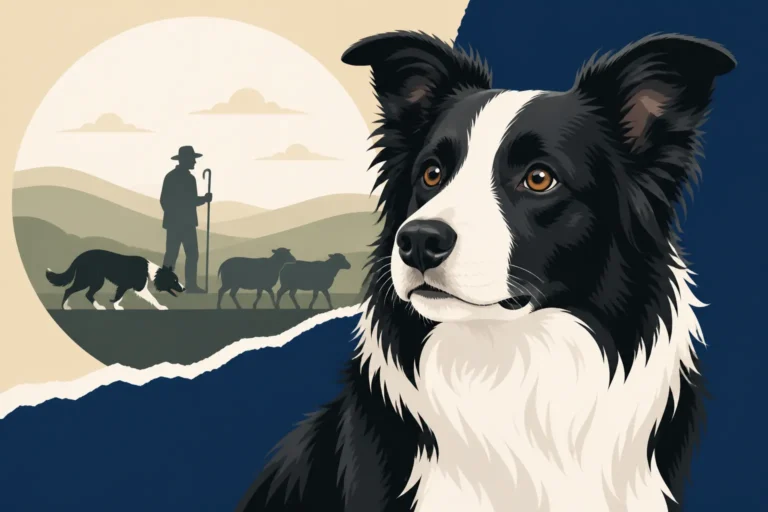
Traditional sheepdogs at the time were often strong, noisy, and sometimes rather aggressive with stock. They might grip the sheep, bark excessively, or use too much force. Old Hemp, however, introduced a much calmer, more collected approach. He worked with an intense, mesmerizing "eye," silently controlling the sheep with his gaze and body language, rather than relying on barks or nips. He was gentle yet authoritative, understanding what needed to be done with an uncanny intelligence. Handlers quickly noticed that sheep responded to him with remarkable ease, moving calmly and precisely under his direction. It was a revelation.
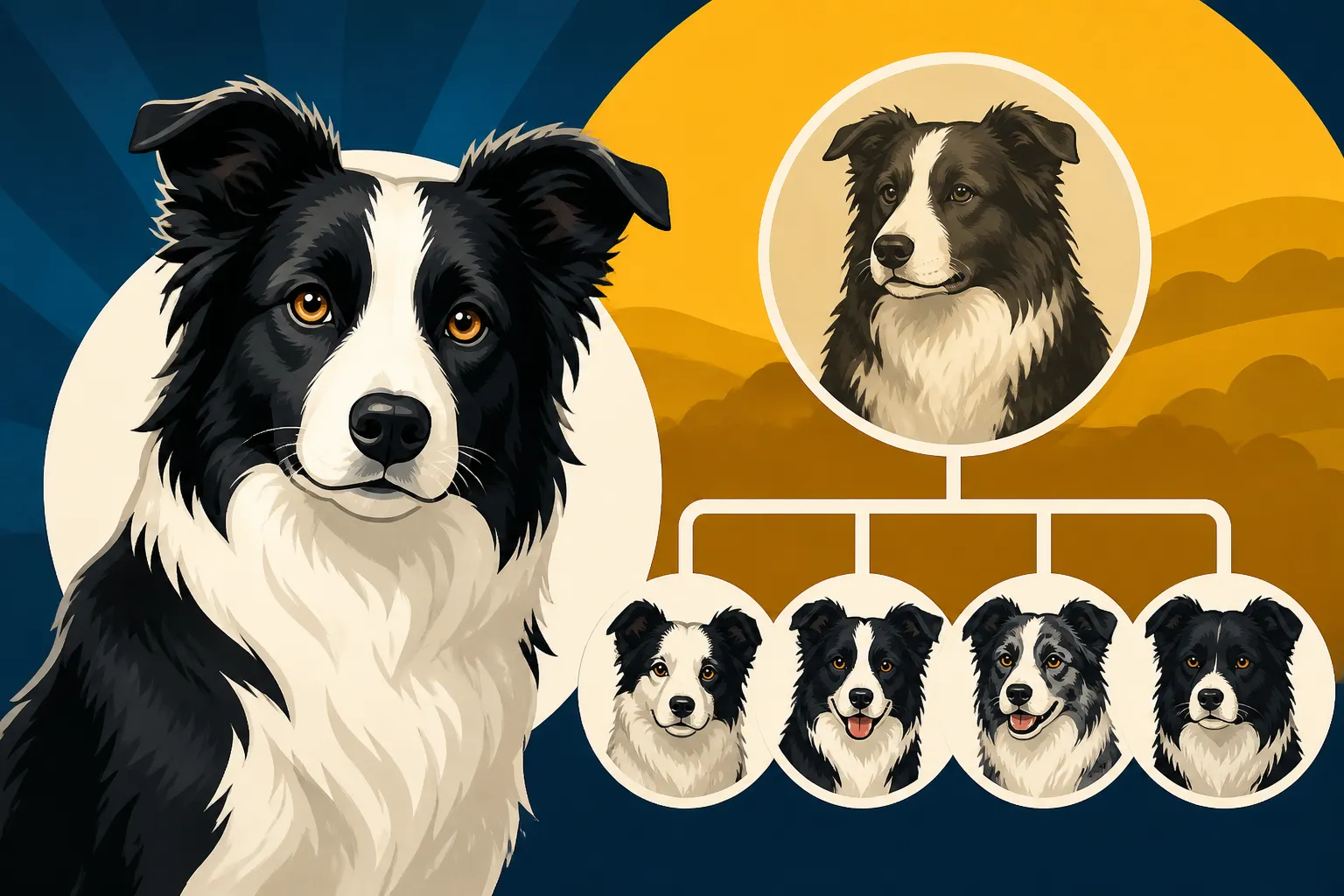
This quiet, yet incredibly effective working style meant that Old Hemp could handle sheep with minimal stress, making the task of gathering and moving livestock far more efficient and humane. His calm demeanor and natural instinct to gather and control, rather than scatter or harass, quickly made him the preferred choice for shepherds. His reputation spread like wildfire, and soon, handlers from all over the Anglo-Scottish border region sought to breed their bitches to him. The demand for his services as a stud dog was immense, and he proved to be incredibly prolific. Indeed, The Two Hundred Pups Old Hemp Sired became the foundation of what we now recognize as the modern Border Collie. His working progeny inherited his superior traits, consistently outperforming other dogs in the fields and early sheepdog trials.
Formalizing the Lineage: The Role of the ISDS
The impact of Old Hemp's unique working style was so profound that it directly led to the formalization of the breed itself. Before Old Hemp, dogs were largely categorized by their working function and region, not by a unified breed standard. However, the consistent excellence of Old Hemp's offspring highlighted the need for a standardized registry to preserve and propagate these desirable working traits. This led to the formation of the International Sheep Dog Society (ISDS) in 1906.
The ISDS was founded with a clear mission: to promote and register the working sheepdog, focusing entirely on ability rather than appearance. This was a crucial distinction from kennel clubs that prioritized conformation and aesthetics. For the ISDS, a dog's value was measured by its instinct, intelligence, and skill in handling sheep. And it was Old Hemp's progeny, with their unparalleled working prowess, who became the template for what the ISDS sought to preserve. The International Sheep Dog Society, Founded 1906 marked a turning point, creating a structured way to track and develop these exceptional working dogs.
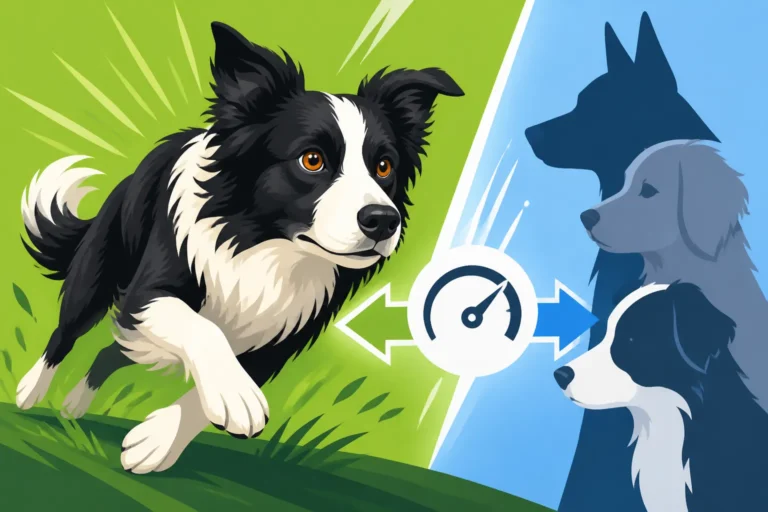
When a dog was registered with the ISDS, it was because it demonstrated the capacity to work sheep in the manner Old Hemp had pioneered. This meant that the dogs being registered were, by design, dogs that carried and expressed his valuable genetics. Over time, as more and more of his descendants excelled in trials and proved invaluable on farms, his style became the very definition of a superior working dog. How Old Hemp's Style Became the Standard wasn't just an observation; it was a foundational principle of the breed's development.
The ISDS pedigree system, based on proven working lineage, further solidified Old Hemp's influence. Every registered Border Collie had to demonstrate working ability, and because Old Hemp's line consistently produced the best workers, his blood flowed through an ever-increasing number of dogs. It wasn't about simply having his name on a paper; it was about embodying the traits he passed on. This selective breeding for working intelligence and instinct ensured that his genetic contribution became deeply embedded in the breed's core. When looking for dog supplies, you can often find information on sites like Chewy that discuss the historical aspects of dog breeds and how their specific needs evolved.
The Global Tapestry of Border Collie Pedigrees
So, back to the big question: does every single Border Collie trace back to Old Hemp? The answer, for all practical purposes, is a resounding yes, especially if you're talking about Border Collies from established working lines or those registered with working registries like the ISDS or the ABCA (American Border Collie Association). His genetic contribution is so pervasive that it's nearly impossible to find a purebred Border Collie whose pedigree doesn't include him somewhere, often many times over, within a few generations.
Think of it like this: Old Hemp was such a dominant and successful sire, producing hundreds of pups whose working abilities were highly sought after, that his bloodline became incredibly widespread. His sons and daughters were then bred to other top-working dogs, who were often also his descendants, creating a dense web of interconnected pedigrees. Over more than a century, with generations of selective breeding focused on his revolutionary style, his genes have permeated the entire working Border Collie population.
However, the "every single" part can feel a little absolute, and it's worth a moment's pause for nuance. Could there have been an isolated, unregistered working sheepdog line in a remote valley somewhere that somehow escaped Old Hemp's influence and later became incorporated into what we now call Border Collies? It's theoretically possible, but highly improbable given the breed's history and the deliberate efforts of the ISDS to consolidate the best working lines, which were overwhelmingly descended from Old Hemp.
The key lies in how the breed was established. It wasn't about a closed studbook from day one, but rather about recognizing and promoting a specific type of working dog that coalesced around Old Hemp's characteristics. As the definition of the Border Collie solidified, dogs that didn't fit that mold (and thus, likely didn't carry Old Hemp's traits) simply weren't considered "Border Collies" in the same way. So, by definition, a dog recognized as a Border Collie is almost certain to have his genes.
Even in lines primarily bred for conformation (show dogs) that emerged later, the foundation stock still came from these established working lines. While the priorities shifted, the underlying genetic material remained, meaning Old Hemp's presence is still there. What the ABCA Requires of a Border Collie emphasizes the breed's working heritage, ensuring that the connection to dogs like Old Hemp remains central to their registry.
It's a testament to his genetic dominance and the power of selective breeding for functional traits. His influence wasn't just a historical footnote; it was the bedrock upon which the entire breed was built. When sourcing materials for your Border Collie, whether it’s for training or just everyday care, you’ll find reputable retailers like Chewy often provide details about breed history and specific product recommendations tailored to active, intelligent dogs like Border Collies.
Modern Breeding and Genetic Diversity
While Old Hemp’s omnipresence in Border Collie pedigrees is undeniable, modern breeders face the ongoing challenge of maintaining genetic diversity within this rich but sometimes narrow gene pool. When a single dog has such a profound impact, there's always a risk of "bottlenecking" genetic diversity, which can potentially lead to an increase in certain genetic health issues. Responsible breeders today carefully balance the desire to preserve the breed's incredible working ability with the necessity of making informed breeding decisions to keep the lines healthy and robust.
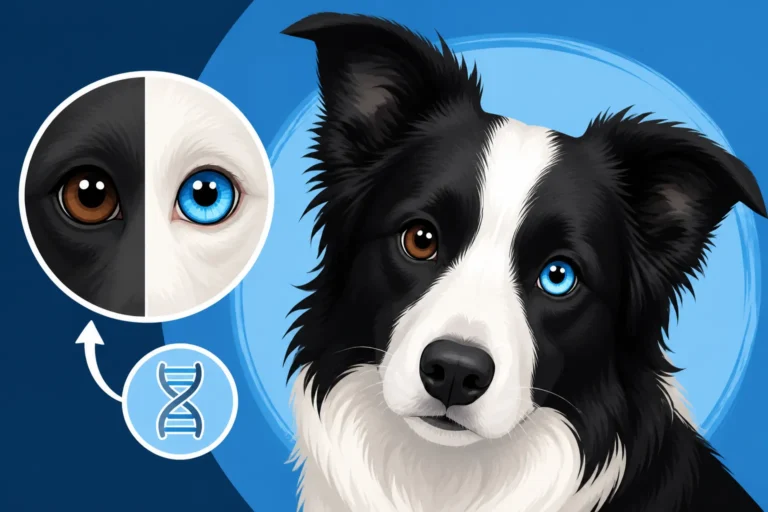
This is where advanced genetic testing comes into play. Breeders meticulously research pedigrees, not just to trace back to Old Hemp (which is almost a given), but to identify potential close relatives and assess the coefficient of inbreeding. They utilize tools like DNA panels to screen for a range of genetic conditions that can affect Border Collies. The Border Collie Genetic Panel and What It Screens includes tests for conditions such as Collie Eye Anomaly (CEA), Trapped Neutrophil Syndrome (TNS), and Neuronal Ceroid Lipofuscinosis (NCL), among others. These tests help breeders make pairing decisions that minimize the risk of producing affected puppies, even while working within a lineage heavily influenced by a common ancestor.
For example, a breeder might identify two excellent working dogs, both undoubtedly tracing back to Old Hemp, but through different lines that haven't been closely related for several generations. By using Which DNA Tests a Border Collie Breeder Should Have Run, they can ensure that both parents are clear of known genetic diseases, thereby contributing to the overall health of the breed while preserving its working integrity. It's a continuous balancing act of honoring the past while safeguarding the future.
When you're looking for a Border Collie puppy, asking breeders about their health testing protocols and how they manage genetic diversity is a crucial step. A transparent breeder will be happy to discuss the health clearances of their breeding dogs and explain how they select pairings. Reputable breeders understand that while Old Hemp gave us an incredible foundation, responsible stewardship of the breed means looking beyond just his legacy to ensure the health and longevity of future generations. Even if you're just looking for chew toys or enrichment items for your highly intelligent companion, shopping on platforms like Chewy means you're supporting an industry that often promotes these responsible breeding and care practices.
Ultimately, the claim that every Border Collie traces back to Old Hemp is, in essence, true. He wasn't just a dog; he was the blueprint, the standard-setter, and the genetic wellspring from which almost all modern Border Collies draw their remarkable talents. His legacy lives on in every intense stare, every effortless gather, and every intelligent gaze of a Border Collie, a true testament to one dog's extraordinary impact on an entire breed.
Disclaimer
This article is for general informational purposes only and does not constitute professional advice. Laws, prices and regulations vary by location and change over time. Consult a qualified professional for guidance on your specific situation.