Why the ISDS Was Founded in 1906
If you've ever looked at your highly intelligent, endlessly driven Border Collie and wondered about their origins, you're tapping into a long, rich history. Many folks know the breed is tied to sheepdog trials and working stock, but fewer understand the pivotal moment that truly shaped the Border Collie as we know it today. This guide will take a deep dive into the compelling reasons behind the establishment of the International Sheep Dog Society (ISDS) in 1906, an organization that solidified the Border Collie's identity and future.
The Wild West of Working Collies Before 1906
Before the International Sheep Dog Society came into existence, the landscape of working "collie dogs" was, to put it mildly, a bit chaotic. Shepherds across the Anglo-Scottish Borderlands and beyond had been using dogs to manage their flocks for centuries, breeding purely for working ability. There was no single, universally accepted "Border Collie" breed as we define it today. Instead, you had a vast array of local strains and types, all loosely referred to as collies, coallies, or shepherd's dogs.
A Patchwork of Practices
Imagine a world where every valley, every farm, and sometimes even every individual shepherd had their own idea of what made a good working dog. There were no written standards, no universal breeding records, and certainly no organized trials to compare dogs on a level playing field. A dog might be revered in its local community for its prowess with a particular type of sheep or terrain, but its lineage and qualities weren't formally documented or shared widely. This led to a huge diversity in appearance, temperament, and working style, which, while fascinating, also meant there was no real way to preserve or consistently improve the best working traits across the board. Without an organization like the ISDS, the genetics of outstanding dogs could easily be lost to time, or diluted by less effective pairings.
The Rise of Informal Trials and the Need for Order
While formal societies didn't exist, local competitions and informal trials were certainly happening. Shepherds, being naturally competitive and proud of their dogs, would test them against each other, often for bragging rights or small wagers. These early trials, however, lacked uniformity. The rules might change from one village to the next, judging was subjective, and there was no central authority to standardize the sport or the dogs participating in it. It was becoming clear that if the incredible skill of these working dogs was to be celebrated, judged fairly, and ultimately preserved, a more structured approach was desperately needed. The talent was there, but the framework to recognize and perpetuate it was missing, leaving many to wonder how best to nurture the burgeoning interest in these remarkable animals. You might find a champion local dog, but proving its lineage or predicting its offspring's ability was more art than science.
Championing Working Ability Above All Else
One of the most profound motivations for founding the ISDS was a fiercely held belief among working shepherds that a dog's value lay solely in its ability to work stock, not its appearance. This philosophy stood in stark contrast to the emerging trend of kennel clubs and conformation showing, which were gaining popularity in the late 19th and early 20th centuries.
Resisting the Allure of "Show Dogs"
As dog breeds began to be formally recognized and registered by organizations like The Kennel Club in England, there was a growing emphasis on physical appearance and standardized looks. For working shepherds, this was a deeply troubling development. They feared that if their invaluable working collies were drawn into the world of conformation shows, breeders would start selecting for traits like coat color, ear set, or tail carriage, rather than the crucial working intelligence, stamina, and instinct that defined a true sheepdog. Their livelihood depended on dogs that could effectively gather, drive, and pen sheep, sometimes over vast, rugged terrain. A "pretty" dog that couldn't do the job was utterly useless on the farm.
This resistance to a purely aesthetic standard is a key part of Why Working Breeders Fought AKC Recognition much later, demonstrating a consistent philosophical divide that defines the Border Collie breed even today. The ISDS was founded precisely to safeguard the working integrity of these dogs from such external pressures.
The Legacy of Old Hemp and the New Standard
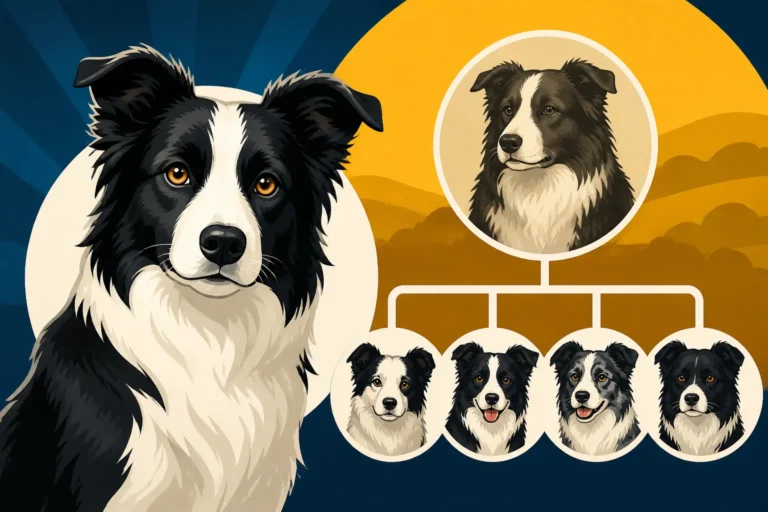
Central to this emphasis on working ability was the influence of a legendary dog named Old Hemp, born in 1893. Old Hemp was a remarkable tri-color dog whose quiet, intense, and exceptionally effective working style revolutionized sheepdog handling. Unlike many dogs of his era who worked with harsh force, Hemp used "eye" and subtle pressure, inspiring awe in those who watched him. He became a hugely influential sire, and his progeny inherited his incredible working prowess.
The founding of the ISDS provided a way to formally recognize and record the lineage of dogs like Old Hemp and his offspring. It meant that breeders could reliably trace the working ability through generations, ensuring that traits like his exceptional talent were perpetuated. The society essentially created a studbook based purely on performance, a radical concept at the time. This focus on verifiable working merit meant that dogs with outstanding trial results and proven working pedigrees became the bedrock of the ISDS registry. Looking back, it’s clear that Old Hemp and Every Border Collie Alive Today owes a massive debt to this initial push for a working-focused registry.
Unifying and Elevating the Working Collie Community
Beyond just standardizing trials and prioritizing working ability, the ISDS aimed to foster a cohesive community among shepherds and handlers, providing a platform for education, competition, and the sharing of best practices. It was about formalizing a passion that had long existed but lacked a central hub.
Standardizing Sheepdog Trials
One of the most immediate and tangible benefits of the ISDS was the standardization of sheepdog trials. Suddenly, there were clear rules, consistent judging criteria, and a structured calendar of events. This meant that handlers and their dogs could compete fairly, measure their progress, and ultimately, demonstrate the true potential of the working collie. Trials became more than just local contests; they became national and eventually international showcases of skill, providing a powerful incentive for breeding better working dogs. The excitement around these events, even today, demonstrates the enduring legacy of this standardization, with The Border Collie in Sheepdog Trials being a testament to its success.
This standardization also provided an incredible opportunity for learning. Handlers could observe top dogs and learn from experienced competitors, elevating the overall standard of working sheepdogs. For anyone looking to understand the core traits of a working Border Collie, observing a well-run trial is still the best classroom. Even if you're just a pet owner browsing Chewy for robust toys, understanding this heritage helps explain why your Border Collie needs so much mental and physical engagement.
Establishing a Working Registry
Perhaps the most crucial function of the ISDS was the establishment of its working registry. This was a system designed to record the pedigrees of dogs based on their proven working ability, either through their own performance in trials or the performance of their parents. Unlike other kennel clubs that might register a dog based solely on its parents' breed, the ISDS prioritized what the dog could do.
This registry allowed for the careful selection of breeding stock, ensuring that dogs with strong working instincts and good health were preferentially bred. This meticulous record-keeping was vital for preserving the unique characteristics of the Border Collie. It ensured that future generations would inherit the intelligence, drive, and herding instinct that makes them so exceptional. If you're ever looking at a Border Collie's pedigree, seeing ISDS registration is a strong indicator of its working lineage, and understanding its importance helps you appreciate What Separates a Border Collie From Every Other Herder.
| Feature | Pre-ISDS (Before 1906) | Post-ISDS (After 1906) |
|---|---|---|
| Dog Identity | Diverse "collie dogs," local strains | Standardized "Border Collie," recognized working breed |
| Breeding Focus | Informal, largely local, survival of fittest | Documented pedigrees, selection for working traits |
| Trials | Informal, varied rules, subjective judging | Standardized rules, consistent judging, organized events |
| Registry | None, oral tradition | Formal working registry based on merit |
| Community | Dispersed shepherds | United community, educational opportunities |
| Primary Value | Pure utility on a specific farm | Proven working ability in trials and on stock |
| Genetic Preservation | Accidental, prone to loss | Deliberate, systematic preservation of working lines |
The Lasting Impact on the Border Collie Breed
The formation of the ISDS in 1906 wasn't just a historical footnote; it was a defining moment that irrevocably shaped the Border Collie breed and its global reputation. Its principles continue to influence how Border Collies are bred, trained, and valued around the world.
A Distinct Breed Emerges
With a standardized registry and trials focused on working ability, the diverse "collie dogs" began to coalesce into a recognizable breed: the Border Collie. This process wasn't instantaneous, but the consistent selection pressure applied through ISDS trials and breeding practices ensured that dogs sharing similar, highly effective working traits became more prevalent. The name itself, "Border Collie," became more widely accepted, acknowledging their origin in the border regions and distinguishing them from other collie types. The official recognition by James Reid in 1915 solidified James Reid and the Name Border Collie in 1915, building on the foundation the ISDS had laid.
This means that when you see a Border Collie today, whether it's an agility superstar or a family pet, many of its core characteristics – its intense stare, its boundless energy, its quick mind – can be traced back to the rigorous selection criteria championed by the ISDS. This dedication to working excellence is why many owners will spend hours researching and choosing the right food, perhaps even from a specialized retailer like Chewy, to ensure their dog thrives on a performance-oriented diet.
Global Influence and Preservation
The ISDS model proved incredibly successful and influential. As Border Collies gained international recognition for their unmatched herding prowess, other countries and organizations began to adopt similar principles. The American Border Collie Association (ABCA), for instance, was established with a mission closely aligned with the ISDS, focusing on the preservation of the working Border Collie. This emphasis on working lines is why you'll often see distinct differences between dogs from these registries and those bred purely for conformation. The ISDS's influence truly underpins organizations like The ABCA and Its Working Registry.
Even for pet owners who don't work stock, understanding this heritage provides vital context. It explains why your Border Collie needs so much mental stimulation and physical activity. It clarifies why they might try to herd your children, the vacuum cleaner, or even the family cat. Their instincts are deeply ingrained, honed by over a century of selective breeding for a specific, demanding job, a job that the ISDS was founded to preserve. When you purchase high-quality training tools or specialized diets through vendors like Chewy, you're investing in meeting the needs of a breed shaped by this remarkable history.
The formation of the ISDS in 1906 was a monumental step, born out of necessity and a deep respect for the working sheepdog. It was a conscious decision to protect and promote the breed's functional excellence, ensuring that the incredible legacy of dogs like Old Hemp would continue for generations to come.
Disclaimer
This article is for general informational purposes only and does not constitute professional advice. Laws, prices and regulations vary by location and change over time. Consult a qualified professional for guidance on your specific situation.