Whether a Border Collie Needs Extra Food in Winter
It’s a common worry for Border Collie owners once the temperatures start to dip: does my high-energy dog need more food in winter? You see them out there, still chasing balls, still herding imaginary sheep, sometimes even looking a little chilly despite their thick coats. It’s natural to wonder if their bodies are burning through extra calories just to stay warm and maintain that incredible drive. This guide will help you understand the nuances of a Border Collie's nutritional needs during the colder months, moving beyond simple assumptions to provide practical, realistic advice for keeping your dog healthy and appropriately fueled.
Understanding Your Border Collie's Winter Energy Needs
The idea that all dogs need more food in winter is a bit of an oversimplification. While it's true that colder temperatures can increase caloric expenditure, it's not a blanket rule that applies equally to every Border Collie. Their individual activity levels, coat type, age, and even their unique metabolism all play significant roles in determining whether a dietary adjustment is necessary.
The Metabolism of an Active Border Collie in Cold Weather
Let's face it, Border Collies are not couch potatoes, even in winter. Many are still out there, working on farms, training for agility, or enjoying long, vigorous hikes through crisp, cold air. When the ambient temperature drops, a dog's body naturally expends more energy to maintain its core body temperature. This is a fundamental physiological response. Think of it like a furnace burning more fuel to keep a house warm when it's freezing outside. For a Border Collie, especially one with a dense double coat, this natural insulation helps, but sustained activity in cold weather still means a higher metabolic rate. They're not just moving; they're also shivering internally, even subtly, to generate heat.
This increased caloric burn isn't just about shivering. It's about maintaining energy for movement. If your Border Collie is working sheep for hours in near-freezing conditions, or running drills in a frosty arena, their muscles are demanding more fuel than they would on a temperate autumn day. The body prioritizes keeping warm while also supplying the energy needed for their demanding tasks. It's a delicate balance, and if their food intake doesn't match this output, they can quickly start to dip into their reserves, leading to weight loss and potentially impacting their performance and overall health.
You might not even notice them feeling the cold much because they're so driven. They often push through discomfort, focused on the task at hand. That's why you need to be the one monitoring their energy levels and body condition closely. A Border Collie might come in from a long session, panting less than in summer, but still deeply tired because their body has been working harder just to exist in that environment, on top of doing their job. It's an invisible energy drain that we, as their caregivers, need to account for.
Factors Influencing Calorie Expenditure
Beyond the basic temperature drop, several factors directly influence how many calories your Border Collie burns in winter. The most obvious is their activity level. A Border Collie still doing daily three-hour stock work or intensive agility training will naturally need more fuel than a pet Border Collie who gets a couple of leashed walks and some indoor playtime. It's not just about duration, but also intensity. Running through deep snow, for instance, is far more strenuous than running on a dry field, requiring more muscle exertion and thus more calories.
Coat type also plays a role, though perhaps not as much as some might think for a breed generally equipped with a good coat. While both rough and smooth-coated Border Collies have double coats, a rough-coated dog with dense feathering might have a slight advantage in insulation compared to a smooth-coated one. However, neither coat type makes them immune to needing extra calories if their activity and the external temperature warrant it. Think about the Grooming a Rough-Coated Border Collie or The Smooth-Coated Border Collie and What Its Coat Needs topics; while grooming, you'd notice the thickness of their undercoat, which is their primary defense against the cold.
Finally, consider your individual dog's age and metabolism. A young, growing Border Collie puppy, still burning calories at an incredible rate for development and boundless energy, might respond differently to cold than a senior Border Collie whose metabolism has naturally slowed. Some dogs simply run hotter or colder, a bit like people. If you have a dog that always seems to seek out the sunny spot or shivers at the slightest breeze, they might be more sensitive to cold and thus burn more calories to stay warm, even if their activity level isn't extreme. Always observe your dog's specific response to the environment.
The Myth of Automatic Winter Weight Gain
There's a prevailing myth that dogs naturally pack on a little extra weight in winter, almost as a biological imperative to store fat for warmth. While some wild animals do this, for our domestic dogs, especially a lean and athletic breed like the Border Collie, assuming they'll automatically gain weight can lead to overfeeding, and that's not what we want. Excess weight, even a small amount, can put undue stress on joints, which is a particular concern for a breed prone to conditions like hip and elbow dysplasia. You'll find more information on preventing joint issues in articles like Stairs and a Growing Border Collie Puppy and Running a Young Border Collie on Concrete.
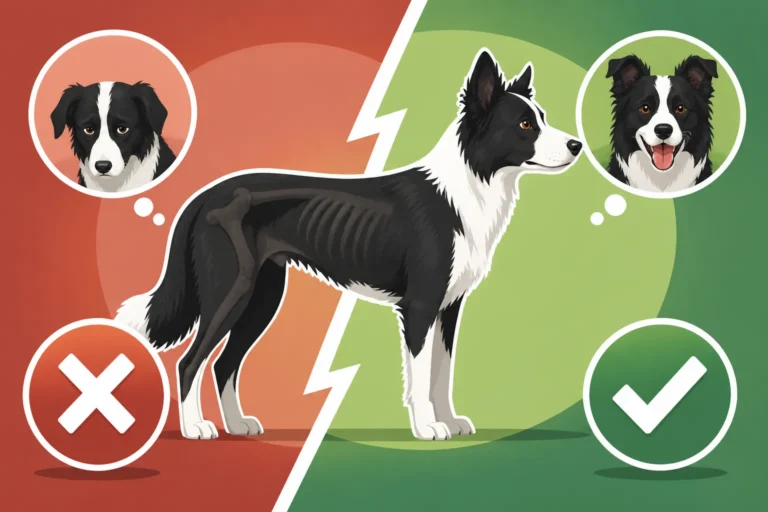
Conversely, assuming they don't need extra food, especially if they remain highly active, can lead to undesirable weight loss. A Border Collie that starts to look a bit ribby or whose muscle definition diminishes isn't just aesthetically concerning; it can indicate insufficient energy reserves, potentially impacting their immune system and overall resilience. This is particularly true for working dogs where peak physical condition is paramount.
The key is not to assume but to assess. Don't just scoop an extra cup of kibble into the bowl because the calendar says it's winter. Instead, use objective measures like body condition scoring (which we'll discuss next) and observe their energy levels and coat health. The goal is to maintain their ideal working weight and vibrant health, not to passively accept either weight gain or loss due to seasonal changes. Every dog is an individual, and their winter feeding plan should reflect that.
Assessing Your Border Collie's Body Condition
Determining whether your Border Collie truly needs more food in winter comes down to accurately assessing their body condition. This isn't about guessing; it's about objective observation and touch. A fit Border Collie, whether they're on a sheep farm or tearing it up in agility, should be lean, athletic, and well-muscled. The winter months can sneak up on you, as a thick coat can sometimes mask subtle changes in weight.
The Rib Check and Visual Cues
The most reliable way to assess your Border Collie's body condition is through a combination of visual cues and a hands-on "rib check." Visually, you should still be able to see a distinct waist when looking down at your dog from above, and a nice abdominal tuck when viewed from the side, even with a dense winter coat. If they look a bit "blocky" or straight-sided, they might be carrying too much weight. Conversely, if their ribs are visibly prominent, or their hips and spine appear bony, they're likely too thin. For more details, you can read The Body Condition a Sport Border Collie Carries.
The "rib check" is crucial, especially for a rough-coated Border Collie where the fur can hide a lot. Gently run your hands along their sides, feeling for their ribs. You should be able to feel each rib individually with a slight pressure, almost like feeling the back of your hand. If you have to press hard to feel them, or you can't feel them at all, your dog is likely overweight. If the ribs feel very prominent, like knuckles, and are easily visible, your dog is underweight. This simple check takes just a few seconds and should be part of your The Weekly Once-Over a Working Border Collie Gets routine.
Don't forget to also feel their spine and hip bones. In a healthy, lean Border Collie, you should be able to feel these bony prominences with gentle pressure, but they shouldn't be sharply protruding. Their muscle mass should feel firm and well-defined, not soft or saggy. If you're unsure, ask your vet for a quick body condition score demonstration at your next visit; they can show you exactly what to feel for and how to interpret it for your specific dog.
Why a Healthy Weight is Crucial in Winter
Maintaining a healthy weight is absolutely paramount for a Border Collie, perhaps even more so in winter. Being underweight can be particularly dangerous. A dog that's too thin has less fat insulation, making them more susceptible to cold stress. Their immune system might be compromised, leaving them more vulnerable to illness. Furthermore, an underweight dog has fewer energy reserves to draw upon, which can impact their stamina and ability to perform tasks, whether that's herding sheep or just enjoying a vigorous game of fetch in the snow. They simply don't have the fuel in the tank to generate enough internal warmth or sustain prolonged activity.
On the other hand, being overweight comes with its own set of serious risks. Extra weight puts unnecessary strain on joints, ligaments, and tendons, increasing the likelihood of injuries like cruciate tears or exacerbating conditions like Hip Dysplasia in a Border Collie That Runs All Day or osteoarthritis in older dogs. Carrying excess weight also makes it harder for them to regulate their body temperature during strenuous activity, potentially leading to overheating even in cold weather, as their body struggles to dissipate heat trapped by extra fat. An overweight Border Collie will also be less agile, slower, and generally less effective at their job or sport, diminishing their quality of life.
The ideal is a lean, athletic body condition where you can easily feel the ribs without them being visibly prominent, where there's a clear waist, and firm muscle tone. This balance ensures they have enough insulation and energy reserves for cold weather and high activity, without the detrimental effects of carrying extra pounds. It's about optimizing their physical form for the demands of their life.
Tracking Changes Over the Season
One body condition check at the beginning of winter isn't enough. Your Border Collie's needs can fluctuate as the season progresses, with changes in activity levels, variations in temperature, and their own physiological responses. Therefore, it's vital to track their body condition regularly – weekly or bi-weekly – throughout the colder months. This ongoing monitoring allows you to make small, timely adjustments to their diet rather than needing drastic changes later.
Keep a simple record or just make a mental note after each check. How easy were the ribs to feel this week? Has their waistline remained consistent? Are their energy levels still high, or do they seem to tire more easily? If you notice a change, whether it's a slight loss of muscle mass or a bit more padding over the ribs, that's your cue to adjust their food intake. Perhaps they need an extra handful of kibble, or maybe a slight reduction if you've been a bit too generous. This proactive approach helps keep them in prime condition.
Consider the variables. Was it an unusually cold week? Did they have more demanding training sessions? Or perhaps they had a few days off due to bad weather and weren't as active. All these factors influence their caloric burn. By tracking changes, you become highly attuned to your dog's specific needs, allowing you to fine-tune their diet with precision. This ensures they remain perfectly fueled, ready for whatever winter throws their way, whether it's a vigorous morning of herding or a quiet afternoon by the fire. You want to ensure they aren't losing weight when they are active, or gaining it when they aren't, as discussed in Adjusting a Border Collie's Food in the Off Season.
Adjusting Diet for Winter Conditions
Once you've assessed your Border Collie's body condition and determined a change is needed, the next step is to adjust their diet thoughtfully. It’s not just about quantity; the quality and composition of their food can also play a significant role in providing the right kind of fuel for winter.
When and How to Increase Food
If your Border Collie is consistently active in cold weather and you've noticed they're leaning out – their ribs are a bit too prominent, or their muscle mass seems reduced – it’s time to increase their food. The key is to do this gradually and in small increments. Don't suddenly double their meals. Start by adding about 10-15% more to their daily ration. For example, if they eat two cups a day, add an extra quarter to half a cup. Spread this increase across their regular meals to avoid overwhelming their digestive system.
Monitor their body condition and energy levels for a week or two after this initial adjustment. If they are still too lean, you can add another small increment. The goal is to reach and maintain their ideal weight without causing rapid gains or digestive upset. This gradual approach also allows you to pinpoint the exact amount of extra food they need. Remember that this is most relevant for dogs whose activity levels remain high. A Border Collie who transitions from intensive summer work to a more sedentary winter routine might actually need less food, even if it's colder. It's all about balancing "calories in" with "calories out."
Consider increasing the frequency of meals if your dog is working long, strenuous days. Instead of two large meals, perhaps three smaller ones might provide a more consistent energy supply and be easier on their digestion. This can be particularly beneficial for dogs whose The Calorie Load a Working Border Collie Burns is extremely high. Providing a meal after a significant period of work helps replenish their energy stores efficiently.
The Role of Fat and Protein
When increasing food for a working Border Collie in winter, don't just add more filler. Focus on nutrient-dense options. Fat is an incredibly efficient source of calories, providing more than twice the energy per gram compared to protein or carbohydrates. A diet slightly higher in healthy fats can provide the sustained energy needed for prolonged activity and help generate body heat. Look for foods that list quality fat sources, or consider adding a small amount of an easily digestible fat supplement, like fish oil, to their existing diet.
Protein is equally vital, especially for maintaining and repairing muscle tissue. Border Collies are powerful athletes, and their muscles are constantly at work. Adequate high-quality protein ensures that their body can recover from strenuous exercise and maintain their lean muscle mass, rather than breaking it down for energy. Look for foods with clearly identifiable meat sources as the first ingredient. Many performance dog foods are specifically formulated with higher protein and fat levels to meet these demanding needs. You can explore options like these at retailers like Chewy or Amazon, where a wide range of specialized diets are available.
Carbohydrates also play a role, offering quick-release energy, but fat and protein are the long-haul fuel for a Border Collie in cold, active conditions. It’s about providing a balanced diet that supports both their immediate energy needs and their long-term muscle health. If you're considering a significant dietary change, it's always a good idea to consult with your veterinarian to ensure it's appropriate for your dog's individual health status.
Hydration is Still Key
It's easy to overlook hydration in winter, but it's just as important as in summer, if not more so. We often associate dehydration with hot weather, but in colder environments, dogs might drink less naturally, and the dry winter air can still lead to fluid loss. If your Border Collie is working hard, they're still panting and losing moisture, even if they don't seem as visibly thirsty as they would in July.
Ensure your Border Collie always has access to fresh, unfrozen water. If they spend time outdoors, check their water bowls frequently to make sure they haven't frozen solid. Consider offering warm (not hot) water, which some dogs find more appealing in cold weather and which can encourage greater intake. You might also incorporate some wet food or add water or low-sodium broth to their kibble to boost their fluid consumption.
Proper hydration is critical for all bodily functions, including nutrient absorption, circulation, and temperature regulation. A well-hydrated dog will perform better, recover faster, and be less susceptible to health issues. Don't let the cooler temperatures fool you into thinking water is less important. For a Border Collie, adequate hydration is a year-round necessity, just like consistent training and mental stimulation.
Practical Winter Feeding Strategies
Implementing dietary changes for your Border Collie in winter requires a practical approach that balances their nutritional needs with convenience and monitoring. It’s not just about what they eat, but how you manage their diet alongside their active lifestyle.
Quality Food Choices
For an active Border Collie in winter, especially one maintaining a rigorous work or sport schedule, choosing a high-quality, nutrient-dense food is paramount. Many owners opt for "performance" or "all life stages" formulas that are specifically designed for highly active dogs. These foods typically contain higher levels of protein and fat, which are crucial for sustained energy and muscle maintenance in cold conditions. When you're looking at labels, pay attention to the guaranteed analysis for protein and fat percentages. While specific numbers vary by brand, a performance food will generally have higher levels than a standard adult maintenance formula.
Don't be afraid to read ingredient lists. You want to see whole meat sources (like chicken, beef, or lamb) as the first few ingredients, followed by healthy fats and complex carbohydrates. Brands like Purina Pro Plan Sport, Eukanuba Premium Performance, and various offerings from independent pet food stores often fit this bill. If you're exploring fresh food options, which can sometimes be easier to digest and more palatable, consider services like Ollie, which deliver tailored, human-grade meals. Regardless of your choice, make sure it’s a reputable brand that undergoes thorough quality control. You can often find a wide selection of these specialized diets from online retailers such as Amazon or Chewy, making it convenient to compare options and have them delivered right to your door.
Transitioning to a new food, if necessary, should always be done gradually over 7-10 days to prevent digestive upset. Mix a small amount of the new food with their old food, slowly increasing the proportion of the new food each day until you've fully transitioned. This allows their digestive system to adapt smoothly to the new formula.
Consistent Exercise, Smart Fueling
It’s a misconception that Border Collies somehow "hibernate" or significantly reduce their activity in winter. While extreme weather might force some indoor days, most Border Collies will still demand and thrive on consistent exercise and mental stimulation. The trick is to match their fueling to their actual energy expenditure. If your dog does have a less active winter, perhaps due to heavy snow or your own schedule, then simply increasing their food because it's cold could lead to unhealthy weight gain. Why a Border Collie Cannot Stop on Its Own means they'll often keep going even when tired, so you need to manage their work and rest.
Conversely, if they are still out there, working stock, running agility courses, or enjoying long, challenging hikes through varied terrain, then their caloric needs might indeed increase. The energy required to move through snow, resist cold winds, and maintain body heat on top of their normal activity is substantial. The key is to be an astute observer of your dog's routine and adjust accordingly. Don't just follow a generic guideline; tailor it to their individual lifestyle.
This means being flexible. On days of intense work or particularly bitter cold, a slightly larger meal or a high-calorie snack might be appropriate. On days where weather keeps them mostly indoors or activity is lighter, stick to their regular amount, or even slightly reduce it if you're trying to manage their weight. Regular body condition scoring, as discussed earlier, will be your best guide here.
Monitoring Digestion and Stool
When you make any changes to your Border Collie's diet, especially increasing food or changing formulas, closely monitor their digestion. A healthy Border Collie should have firm, well-formed stools. Changes in stool consistency – becoming soft, loose, or watery – can be an indicator that the new food or increased quantity isn't sitting well with their digestive system. Diarrhea or excessive flatulence are clear signs that something needs adjustment.
If you notice digestive upset, first try scaling back the amount of the new food or the increase you made. Revert to the previous amount for a few days until their digestion normalizes, then try a smaller, more gradual increase. Sometimes, even a high-quality performance food can be too rich for some dogs if introduced too quickly or in too large a quantity.
Also, keep an eye on their overall energy and coat condition. A well-nourished Border Collie will have a shiny, healthy coat and boundless energy. If their coat starts to look dull or they seem sluggish, it might be a sign that their diet isn't adequately meeting their needs, even if their body condition appears stable. These subtle cues are just as important as the rib check in understanding your dog's total well-being. A dog that struggles with digestion isn't absorbing nutrients effectively, no matter how much you feed them.
Here's a quick reference table to help guide your winter feeding decisions:
| Activity Level (Winter) | Ambient Temperature | Potential Caloric Adjustment (Compared to Mild Weather) | Key Considerations |
|---|---|---|---|
| High (e.g., daily stock work, intensive agility) | Mild (>40°F/4°C) | Maintain current, high-performance diet. | Focus on consistent hydration. |
| High (e.g., daily stock work, intensive agility) | Cold (<40°F/4°C) | Increase by 10-25% (monitor body condition closely). | Higher fat content in food, extra meal/snack. |
| Moderate (e.g., long walks, regular playtime) | Mild (>40°F/4°C) | Maintain current diet. | Watch for slight weight gain if activity isn't rigorous. |
| Moderate (e.g., long walks, regular playtime) | Cold (<40°F/4°C) | Increase by 5-10% (if lean); otherwise, maintain. | Ensure adequate protein; check water intake. |
| Low (e.g., mostly indoor, short potty breaks) | Any | Potentially decrease by 5-10%. | Prevent weight gain; focus on mental stimulation. |
Ultimately, whether your Border Collie needs extra food in winter is not a yes or no question, but a nuanced assessment of their individual circumstances. It comes down to observation, consistent body condition checks, and understanding their unique energy output. By carefully monitoring your dog and making thoughtful adjustments, you can ensure they remain healthy, happy, and perfectly fueled throughout the colder months, ready to tackle any challenge with their characteristic Border Collie enthusiasm.
Disclaimer
This article is for general informational purposes only and does not constitute professional advice. Laws, prices and regulations vary by location and change over time. Consult a qualified professional for guidance on your specific situation.