Whether a Border Collie Works Safely in Deep Snow
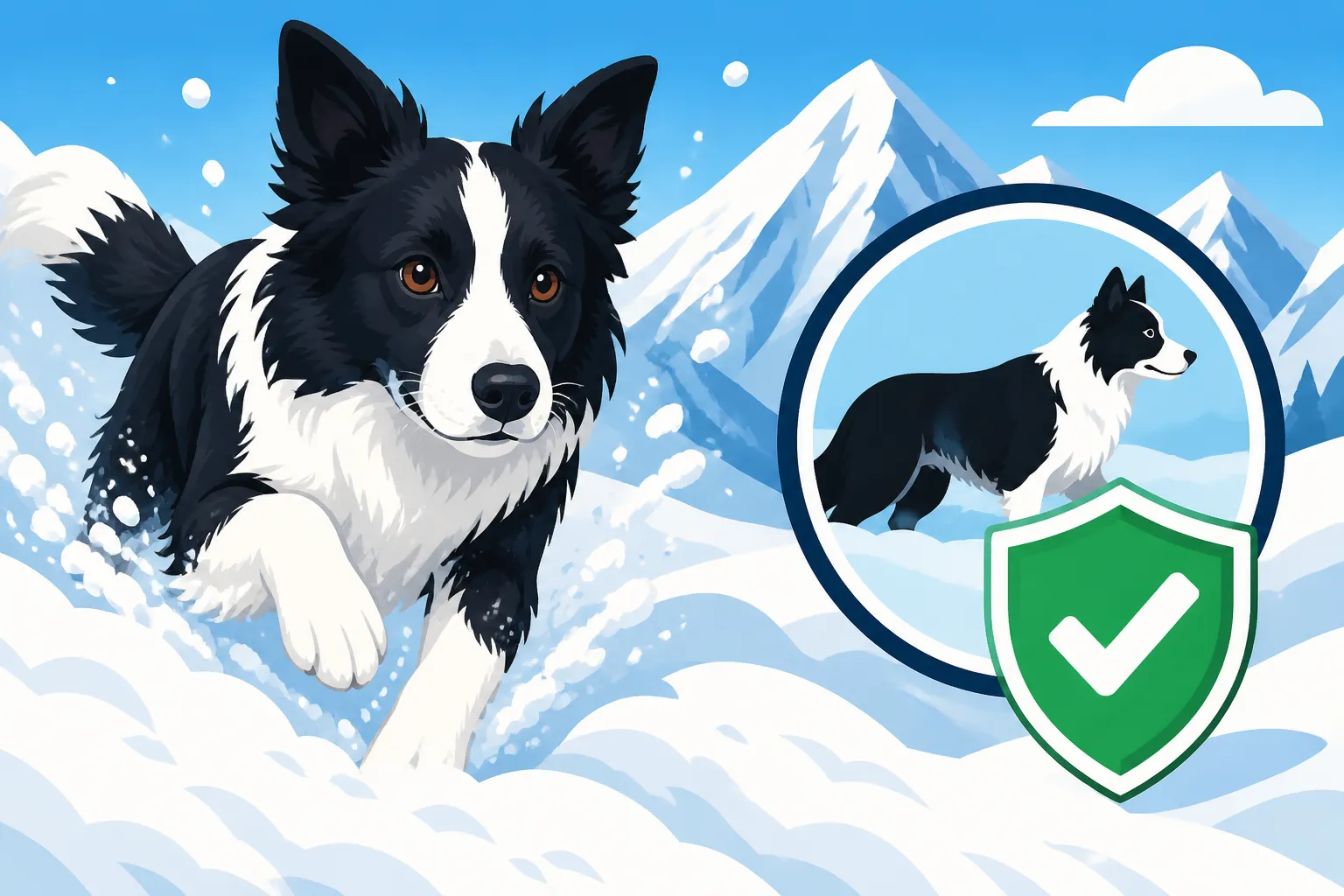
The sight of a Border Collie bursting through fresh snow, ears flying, intent on a task or just pure joy, is undeniably magnificent. But as wonderful as it looks, many of us Border Collie owners worry about the safety of our tireless companions when the snow piles up, especially when it's deep. We want to ensure they can work or play without risk, but it's hard to know where the line is between exhilarating fun and potential danger. This guide will walk you through the real concerns of working your Border Collie in deep snow and provide practical advice to keep them safe and sound all winter long.
Understanding the Risks of Deep Snow for a Border Collie
Deep snow isn't just fluffy fun; it presents several unique challenges and risks for our athletic Border Collies. While they often seem impervious to the cold, their bodies are still susceptible to environmental dangers and physical strains that might not be immediately obvious in their enthusiasm. Ignoring these risks can lead to serious health issues or injuries that could impact their working life or general well-being.
Hypothermia and Frostbite Concerns
It's easy to assume that a double-coated breed like a Border Collie is built for the cold, and in many ways, they are. Their dense undercoat provides excellent insulation against chilly air. However, deep snow changes the game. When a dog is constantly pushing through deep drifts, their coat can become saturated with melted snow, losing its insulating properties. Imagine wading through icy water for hours – even with a good coat, the chill eventually penetrates. Prolonged exposure to wet, freezing conditions can lead to hypothermia, where their core body temperature drops to dangerous levels.
Beyond the general chill, specific areas are highly vulnerable to frostbite. Their paw pads, ears, and the tip of their tail have less fur protection and can suffer damage surprisingly quickly. Think of a Border Collie working hard, constantly pushing through snow, perhaps even plunging into a frozen stream to retrieve something, and then continuing to work in deep snow. The wet fur freezes, and their extremities are constantly exposed. Even in milder temperatures, if the dog is wet and the wind chill is significant, frostbite can set in. The challenge for us as owners is monitoring these subtle changes when our dogs are so focused on their "job," whether it's herding stock or just chasing a frisbee. This is why understanding working a Border Collie in winter conditions means understanding their limits, not just their enthusiasm.
Musculoskeletal Strain and Injury
Moving through deep snow is akin to walking through heavy resistance for us. For a Border Collie, with their low center of gravity and explosive movements, it's an intense full-body workout that can be incredibly demanding. Imagine your dog trying to perform a tight turn or a sudden stop while their legs are buried up to their chest in snow. Their muscles and joints are forced to work in unusual, less stable ways to maintain balance and propulsion. This increased effort can easily lead to strains in muscles, ligaments, and tendons that wouldn't normally be an issue on solid ground.
The uneven resistance and hidden obstacles within the snow significantly elevate the risk of injury. A misstep could mean a twisted ankle, a pulled groin, or even something more severe like a knee injury. We often hear about Cruciate Tears in a Border Collie happening from sudden twists or hard landings, and deep, unpredictable snow is a prime environment for such incidents. A Border Collie might land awkwardly after a leap, or their leg could sink unexpectedly deep into a drift, causing their body to twist in a way that damages soft tissues. It's not uncommon for a dog to seem fine during play, only to wake up stiff or limping the next day, a clear sign that the exertion was too much. Stiffness in a Border Collie After a Long Day is often seen after intense work, and deep snow work can easily push them past their limits.
Hidden Hazards and Obstacles
Perhaps one of the most insidious dangers of deep snow is its ability to transform a familiar landscape into a minefield of unseen hazards. What looks like a smooth, even blanket of white can conceal anything from patches of slick ice to jagged rocks, fallen branches, or even dangerously sharp debris. A Border Collie, with its intense focus and speed, may not perceive these dangers until it's too late. They might be running full tilt, lock eyes on a flock of sheep or a thrown ball, and then suddenly step on a hidden ice patch, sending them sprawling.
Beyond individual hazards, the very topography can become treacherous. Small ditches, uneven ground, or steps can be completely camouflaged by deep snow, leading to sudden drops or falls that can cause serious impact injuries. Imagine a dog galloping across a field, only to have a leg sink into a hidden hole or fall off a small embankment they usually navigate with ease. These situations are particularly dangerous for dogs performing rapid directional changes or high-speed maneuvers. This isn't just about avoiding visible dangers; it's about acknowledging that the snow itself creates an unpredictable environment where common sense dictates caution.
Preparing Your Border Collie for Winter Work
Just as we wouldn't run a marathon without training, sending your Border Collie out to work or play intensely in deep snow requires thoughtful preparation. It's about more than just their natural hardiness; it's about minimizing risks and maximizing their ability to safely enjoy the winter wonderland.
Conditioning and Acclimatization
The foundation of safe winter activity is proper physical conditioning. If your Border Collie has spent the fall in a lower activity phase, suddenly asking them to perform in deep snow is a recipe for injury. They need to be physically fit, with strong muscles and good endurance, long before the snow starts to fall. This means maintaining a consistent exercise routine year-round, gradually increasing the intensity and duration as winter approaches. Think of it as pre-season training for winter.
Beyond general fitness, gradual acclimatization to the cold is vital. Don't take your dog from a warm house straight into an hour of vigorous play in freezing temperatures. Start with shorter sessions, allowing their body to adjust to the cold air and the sensation of moving through snow. This also helps you observe how they cope and identify any areas of concern before committing to longer, more strenuous activities. A well-conditioned dog is more resilient to the cold and less prone to the musculoskeletal strains deep snow can inflict. Remember, The Body Condition a Sport Border Collie Carries is about fitness for purpose, and winter work is a specific purpose.
Proper Gear and Protection
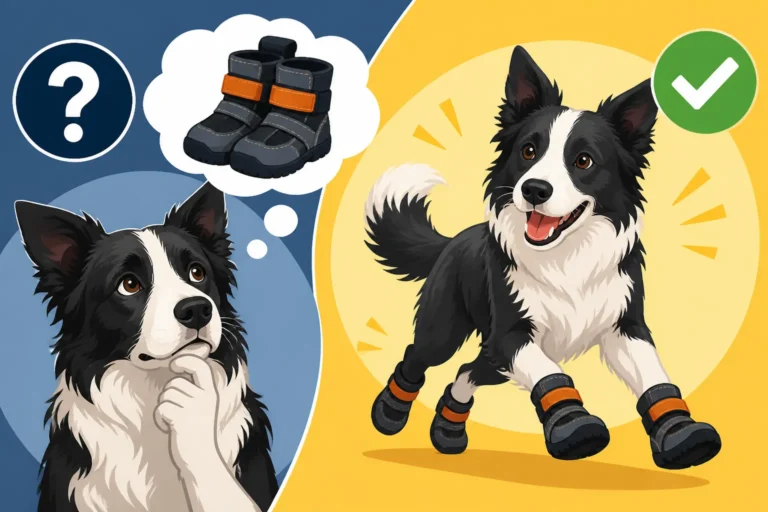
While Border Collies come equipped with a natural coat, a few pieces of gear can make a significant difference in their safety and comfort when working in deep snow. The most critical area to protect is their paws. Snow and ice can lead to painful ice balls forming between their toes and pads, which can cause irritation, cuts, and even lameness. These ice balls are a constant annoyance and can lead to Ice Balls in a Border Collie's Feathered Feet. Applying a paw balm before heading out can create a protective barrier, preventing snow and ice from sticking. For dogs prone to pad irritation or working on especially rough, icy, or salted surfaces, dog boots are a worthwhile investment. It might take some training to get them used to wearing them, but the protection they offer is invaluable. You can find a wide range of paw balms and boots at retailers like Amazon or Chewy, so it's easy to explore options that fit your dog's needs.
Consider a reflective vest, especially if you're working near roads or in low-light conditions common during winter. Snow often reflects ambient light poorly, making visibility a challenge. A bright, reflective vest ensures your Border Collie is seen by others, especially if they are off-leash in an open field. While Border Collies typically don't need coats due to their double layer, some older dogs, or those with underlying health conditions, might benefit from a lightweight, waterproof coat for extra warmth, particularly during breaks or less strenuous activity.
Nutritional Adjustments for Cold Weather
Working and simply existing in cold weather burns more calories. Your Border Collie's body has to expend energy to maintain its core temperature, in addition to the energy used for movement and work. If your dog is consistently active in deep snow, their caloric needs will increase. Failing to adjust their diet can lead to weight loss, reduced energy, and a compromised immune system. This is a critical point when considering Feeding a Border Collie That Works Two Hours a Day or more.
It's not just about quantity, but sometimes about quality. Performance-oriented dog foods, which often have a higher fat content, can provide the extra energy required for sustained activity in cold conditions. Consult your vet or a canine nutritionist to determine the appropriate adjustments for your dog based on their activity level, age, and individual metabolism. Brands like Ollie, known for their fresh, customizable meal plans, or other premium performance dog food brands, might offer suitable options to help fuel your Border Collie through the winter months. Remember, the goal is to maintain their ideal body condition – you should still be able to feel their ribs without seeing them – ensuring they have enough fuel without becoming overweight, which can put extra strain on joints.
Safe Practices for Working in Deep Snow
Even with the best preparation, how you manage your Border Collie's activity in deep snow is crucial. It’s about careful observation, smart decision-making, and prioritizing their well-being over pushing their limits. After all, a safe dog is a happy dog, and a happy dog is a better working partner.
Assessing Snow Depth and Terrain
The first rule of thumb for safe snow work is to know your limits and your dog's. Generally, if the snow is deeper than your Border Collie's elbows, it's considered deep enough to be a significant challenge and potential risk. At this depth, every step becomes a strenuous effort, increasing the chances of injury and rapid fatigue. Before you let your dog off-leash or engage in intense work, walk the area yourself if possible. Feel for hidden ice patches, uneven ground, or concealed obstacles. What looks like a harmless dip could be a much deeper trench under the snow.
Stick to familiar terrain as much as possible. If you know there's a ditch, a rock outcrop, or a slippery slope in a particular area, avoid it completely when it's covered in deep snow. This is especially true for herding dogs who might be tempted to cut corners or take less-than-ideal lines when working stock. On unfamiliar ground, keep your Border Collie on a long line or leash until you've thoroughly scouted the area. If you can't be sure of what's beneath the snow, it's always better to err on the side of caution. Sometimes, the safest decision is to choose an alternative form of exercise indoors or on cleared paths.
Monitoring for Signs of Distress
Your Border Collie might be a stoic worker, but even they have limits. It’s your responsibility to be their advocate and know when to call it quits. During any snow activity, constantly monitor them for signs of fatigue, cold, or discomfort. Look for shivering, which is a clear sign they’re too cold, or excessive panting, which can indicate overheating even in cold weather due to intense exertion. Watch for any change in gait: a subtle limp, reluctance to put weight on a paw, or stiffness could signal an injury.
Take frequent breaks in a sheltered, dry spot, even if your dog seems eager to keep going. Use this time to quickly check their paws for ice balls, cuts, or redness, and feel their ears for signs of coldness. Offer water – dogs can still become dehydrated in cold weather, and Cooling and Watering a Border Collie in Summer principles still apply to ensuring proper hydration, even if the methods differ slightly. Remember, their intense drive can sometimes override their body's signals of pain or fatigue, so you need to be the one making the judgment call. If you see any concerning signs, stop the activity immediately and get them warm and dry.
Hydration and Warmth During and After Work
Maintaining hydration is paramount, regardless of the temperature. Many owners incorrectly assume dogs don't need as much water in winter, but running around in deep snow can be incredibly dehydrating. Always provide access to fresh water, and consider bringing a thermos of warm (not hot) water on longer outings – some dogs are more inclined to drink warm water in cold conditions.
After any snow activity, getting your Border Collie thoroughly dry and warm is critical. Don't let them sit around wet, especially if they've been working hard. Use absorbent towels to remove as much moisture as possible, paying close attention to their belly, legs, and between their toes. A warm, dry bed or crate in a heated area is essential for their recovery. This prevents chilling and reduces the risk of skin issues that can arise from damp fur. A good dry-down is crucial for every Border Collie, especially those with rough coats.
Post-Snow Work Care and Common Issues
The care doesn't stop when your Border Collie comes in from the snow. A diligent post-work routine and an awareness of common winter-related issues can prevent minor problems from escalating into serious health concerns.
Immediate Post-Work Routine
As soon as your Border Collie comes indoors, their post-snow routine should begin. Start with a thorough inspection. Check every paw, paying close attention to the pads and between the toes. This is where ice balls commonly form, and they can cause painful cuts or abrasions if not carefully removed. Gently pick out any snow or ice that has accumulated, and look for any small cuts, cracks, or signs of irritation on the pads. The feathering on their legs and tail can also collect snow and ice, so brush these areas gently to remove any build-up. For more details on this, look up Toe and Pad Injuries on a Working Border Collie and Feet, Pads and Legs on a Working Border Collie.
Once their feet are clear, focus on drying their entire coat. Use a towel to absorb as much moisture as possible. For rough-coated Border Collies, paying extra attention to their longer hair is important to prevent matting and ensure they dry quickly. You want them completely dry to prevent chilling and skin issues. This immediate care prevents lingering dampness that can lead to discomfort, skin infections, or even exacerbate joint issues in susceptible dogs.
Recognizing and Addressing Injuries
Despite all precautions, injuries can still happen when working in deep snow. Be vigilant for any changes in your Border Collie’s behavior or movement in the hours and days following intense snow activity. Limping is an obvious sign, but watch for more subtle cues: reluctance to jump, difficulty getting up, a change in their energy levels, or even excessive licking of a particular joint or paw. Swelling or tenderness to the touch are also red flags.
Common winter injuries range from simple sprains and strains to more serious issues like ligament tears (such as cruciate injuries) or pad lacerations. If you notice persistent lameness, significant swelling, or if your dog is in obvious pain, don't hesitate to contact your veterinarian. It’s always better to get an injury checked out early than to let it linger and potentially worsen. They can properly diagnose the problem and recommend appropriate treatment, which might involve rest, medication, or even more advanced interventions. In some cases, a trip to a specialist, such as discussed in Whether a Border Collie Needs a Sports Vet, might be beneficial.
Preventing Long-Term Issues
The cumulative impact of working hard in challenging conditions like deep snow can contribute to long-term joint health issues, especially as your Border Collie ages. Proactive measures can help mitigate these risks. Consider incorporating joint supplements into their diet, particularly if they are a working dog or getting older. Ingredients like glucosamine, chondroitin, and Omega-3 fatty acids can support joint health and reduce inflammation.
Ongoing physical conditioning is also key. Maintaining good muscle mass and flexibility year-round helps protect joints and improves overall resilience. During the off-season, or when snow conditions are too challenging, focus on other forms of exercise that maintain fitness without the high impact or strain of deep snow work. Scent work, puzzle games, or focused obedience training can provide mental stimulation and physical activity without putting undue stress on their bodies. Just like human athletes, cross-training and a balanced fitness regimen can extend their working life and help prevent Sport Injuries a Border Collie Picks Up.
Disclaimer
This article is for general informational purposes only and does not constitute professional advice. Laws, prices and regulations vary by location and change over time. Consult a qualified professional for guidance on your specific situation.