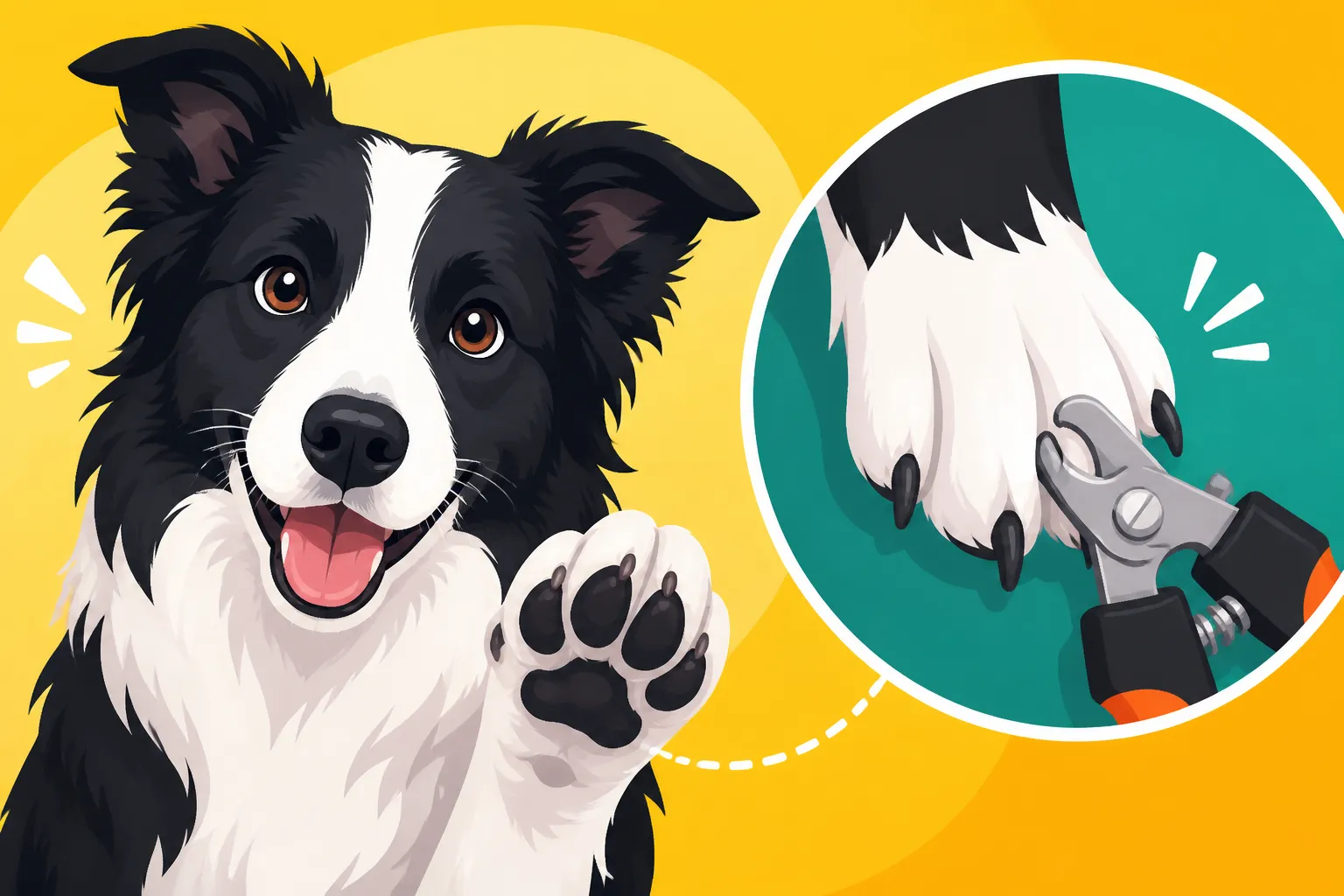
How Often a Border Collie’s Nails Need Cutting
One of the most common things Border Collie owners struggle with, often without even realizing it, is keeping their dog's nails at the proper length. Those seemingly small claws can become a huge source of discomfort and even lead to serious health issues if neglected, impacting everything from their gait to their joint health. This guide is here to walk you through exactly how often your Border Collie's nails need cutting, the tools to use, and how to make the process stress-free for both of you.
Why Proper Nail Length is Absolutely Crucial for Your Border Collie
It might seem like a minor detail, but the length of your Border Collie's nails plays a monumental role in their overall health, comfort, and ability to perform, whether they're working sheep, flying over agility jumps, or simply enjoying a walk around the block. When those nails get too long, they're not just a cosmetic issue; they're actively causing problems.
Impact on Joint Health and Gait
Imagine walking in shoes that are a size too small, pushing your toes back constantly. That's a bit like what happens to a Border Collie with overgrown nails. Long nails force their toes upwards and backwards, putting unnatural pressure on the paw joints and subtly altering their entire foot structure. This compensation doesn't stop at the paw; it travels up the leg, affecting the wrist, elbow, shoulder, and even the spine. Over time, this constant strain can contribute to issues like arthritis, lameness, and exacerbate conditions like Hip and Elbow Scores in a Border Collie or Hip Dysplasia in a Border Collie That Runs All Day. A dog's weight should be distributed evenly on its paw pads, but long nails prevent this, leading to splayed toes and general discomfort.
Increased Risk of Injury
For a breed as active and athletic as the Border Collie, long nails are an accident waiting to happen. Picture your dog tearing around the yard, making a sharp turn, or launching themselves over an obstacle. If their nails are too long, they can catch on carpets, grass, or uneven terrain, leading to painful tears, splits, or even avulsions where the nail is ripped right off the quick. This isn't just a brief ouch; these injuries can be incredibly painful, bleed profusely, and often require veterinary attention, including antibiotics to prevent infection. Beyond acute injuries, long nails reduce traction, making your dog more prone to slipping and sliding, which can lead to other Sport Injuries a Border Collie Picks Up, such as cruciate tears or strains.
How to Tell if Your Border Collie's Nails are Too Long
Knowing when to cut your Border Collie's nails is just as important as knowing how. Our busy lives often mean we don't notice the subtle signs until the nails are already problematic. Learning to read your dog's nails and observe their posture is key to proactive care.
The "Click" Test and Standing Posture
The easiest way to tell if your Border Collie's nails are too long is to listen. When your dog walks across a hard surface like tile, concrete, or hardwood, you shouldn't hear their nails clicking. If you do, it's a clear sign that they're making contact with the ground, which they shouldn't be. Their nails should be short enough that they don't touch the ground when your dog is standing normally.
Another good indicator is their standing posture. When your Border Collie is standing squarely, their nails should ideally not protrude beyond the paw pad. If the nails are visibly pushing the toes up and back, or if the paw looks splayed, it's definitely time for a trim. Think about it: a Border Collie's natural gait is light and springy, designed for quick movements and agility. Long nails interfere with this fundamental aspect of their movement, making them less efficient and potentially causing pain.
Understanding the "Quick" and Its Importance
Inside each of your Border Collie's nails is something called the "quick." This is a blood vessel and nerve ending that extends a certain distance down the nail. If you cut into the quick, it will bleed and be painful for your dog – a negative experience that can make future trims a nightmare. The amazing thing about the quick is that it recedes as the nail is kept short. Conversely, if nails are allowed to grow long, the quick grows with them, making it even harder to trim the nail back to a healthy length without causing pain. This is why regular, even small, trims are so beneficial: they encourage the quick to retract, allowing you to gradually achieve shorter, healthier nails. This process is essential for maintaining foot health throughout your dog's life, contributing to a dog that The Border Collie That Stays Sound Into Its Teens.
Establishing a Regular Nail Trimming Routine
The magic number for how often to cut a Border Collie's nails isn't a fixed rule; it's a dynamic schedule that depends heavily on their individual lifestyle, activity levels, and even the surfaces they regularly walk on. For this reason, a truly "regular" routine for one Border Collie might look completely different from another's.
Factors Influencing Frequency
A Border Collie working daily on rough, varied terrain like rocky pastures or dirt trails might naturally wear down their nails, requiring trims only every few months, if at all. The constant friction acts like a natural file. However, most pet Border Collies, even highly active ones, aren't spending hours each day on surfaces abrasive enough to keep their nails short. A dog that mostly walks on grass, soft trails, or lives indoors on carpet and wood floors will wear their nails down very little.
Agility dogs, while active, often work on specialized surfaces that are gentler on their paws or need their nails kept exceptionally short for precision and grip. Think about the tight turns and sudden stops in an agility course; long nails can be a hindrance, causing Iliopsoas Strain and Why a Border Collie Slows on Turns or other injuries. For these dogs, a bi-weekly trim might be ideal to keep those nails perfectly flush with the paw pads.
For the average active pet Border Collie who enjoys daily walks on pavement but mostly lives indoors, a trim every 2-4 weeks is often the sweet spot. It's about finding that balance between allowing the nails to grow slightly and consistently trimming them back before they start to click on the floor or push on the toes.
Here’s a general guideline, but remember, observe your own dog!
| Border Collie Lifestyle | Typical Trimming Frequency | Key Considerations |
|---|---|---|
| Working Dog (varied terrain) | Monthly to Bi-Monthly (or less) | Natural wear from rough surfaces; still check dewclaws regularly. |
| Active Pet (pavement walks, indoor living) | Every 2-4 Weeks | Regular walks help, but not enough for full wear; consistent trims needed. |
| Agility/Sport Dog | Every 1-2 Weeks | Extremely short nails needed for optimal performance and injury prevention. |
| Senior/Less Active Pet | Every 2-3 Weeks | Reduced activity means less natural wear; nails can grow quickly. |
Making Nail Trimming a Positive Experience
No one wants a wrestling match every time nail trim day rolls around. Consistency and positive reinforcement are your best friends here. Start small, even with a puppy. Touch their paws frequently, handle their toes, and introduce the clippers or grinder without actually trimming. Let them sniff the tools, offer a high-value treat, and put the tools away. This is called desensitization.
When you do start trimming, do just one nail, treat, and stop. Build up slowly over days or weeks. Keep sessions short and positive. If your dog is stressed, stop and try again later. Treats, praise, and a calm demeanor from you are crucial. Remember, this is about building trust, not about getting all four paws done in one go. Even if it takes a few days to get through all the nails, that's perfectly fine if it means a less stressful experience for your Border Collie. You can find excellent instructional videos and products for positive reinforcement training on platforms like Chewy or Amazon.
Tools and Techniques for Successful Trimming
Choosing the right tools and knowing how to use them safely is paramount to a stress-free and effective nail trimming experience. There are a few different options, and what works best for one Border Collie might not be ideal for another.
Clipper Types: Scissor vs. Guillotine
When it comes to clippers, you'll generally find two main types:
- Scissor-style clippers: These resemble a pair of pliers or scissors with sharp blades designed to cut through thick nails. They come in various sizes, so ensure you get one appropriate for a Border Collie's nail thickness. Many handlers prefer these for their precision and strength, especially for very hard nails.
- Guillotine-style clippers: With these, you insert the nail into a small hole, and a blade slides across, cutting the tip. They can be very effective, but some people find them less precise for angled cuts and they can sometimes "crush" the nail if the blades aren't sharp enough or the clippers are old.
No matter which style you choose, ensure the blades are razor-sharp. Dull clippers can splinter or crush the nail, which is painful and damaging. Replace them regularly or keep them professionally sharpened.
Nail Grinders: A Quieter, Gentler Alternative
Nail grinders, like Dremel-style tools, use a rotating abrasive bit to file the nail down. Many Border Collies who are terrified of clippers tolerate a grinder much better. The key advantages are:
- Less risk of cutting the quick: You're filing small amounts at a time, making it easier to see the quick as it appears as a small black or grey dot in the center of the nail.
- Smoother finish: Grinders leave a much smoother edge, reducing snags and sharp points.
- Gradual quick recession: Regular grinding can help push the quick back more effectively than sporadic clipping.
The downsides can be the noise and vibration, which some dogs find alarming, and the burning smell of keratin. You can often find quiet, battery-operated grinders, sometimes under brand names available on Amazon, which are much less intimidating. Start by just turning it on and letting your dog investigate it, rewarding them for calm behavior. Then, briefly touch it to one nail, then reward, gradually increasing the duration. It's a fantastic alternative for a dog that really dislikes clippers, and many owners have found success using Nail Grinders and a Border Collie That Hates Restraint.
Step-by-Step Trimming Guide
Regardless of the tool, the basic approach remains similar:
- Gather your supplies: Clippers or grinder, high-value treats, styptic powder (like Kwik Stop) in case you nick the quick, and a calm, well-lit space.
- Position your dog: Have your Border Collie lie down or sit comfortably. You might need a second person to help hold them and offer treats, especially if they're nervous.
- Identify the quick: If your dog has clear nails, you'll see the pink quick inside. For black nails, it's trickier. Look for the crescent shape at the tip of the nail. The rule of thumb for black nails is to take off small slivers at a time, looking at the cut surface. When the surface starts to show a grey or black dot in the center, you're getting close to the quick.
- Make the cut (clippers): Hold the paw firmly. Isolate the nail you're trimming. Cut at a slight angle, following the natural curve of the paw, aiming to get the nail flush with the paw pad when the dog is standing. Only take off the very tip.
- File (grinder): Hold the paw firmly and hold the grinder to the tip of the nail. Work in short bursts (2-3 seconds) to prevent heat buildup, which can be uncomfortable. Shape the nail from the bottom up, making sure not to grind down into the sensitive quick.
- Reward: After each nail, or even just after a few seconds of handling, offer praise and a treat. Keep it positive!
- Don't forget the dewclaws! These are the thumb-like nails higher up on the inside of the leg. They don't touch the ground, so they don't wear down naturally and are highly prone to growing into the paw pad if neglected.
If you accidentally cut the quick, don't panic. Apply styptic powder immediately with firm pressure until the bleeding stops. It will sting for a moment, but it's effective. Stay calm; your reaction influences your dog's.
Troubleshooting Common Nail Trimming Challenges
Even with the best intentions, nail trimming can present some hurdles. Border Collies are smart and sensitive, and a bad experience can make future sessions tough. But with patience and the right approach, most challenges can be overcome.
Overcoming Fear and Resistance
A Border Collie who thrashes, bites, or pulls away when you try to trim their nails has likely had a negative experience, or perhaps they're just sensitive to having their paws handled. The key here is not force, but desensitization and counter-conditioning.
- Start small, go slow: As mentioned before, don't try to do a full trim. Start by just touching their paw, giving a treat. Then touch the clippers to their paw, treat. Then clip one tiny, tiny sliver off one nail, treat, and stop. Build up over days or weeks.
- High-value rewards: Use something truly irresistible – cooked chicken, cheese, peanut butter (check ingredients for xylitol!), or even a specialized paste on a Lickimat. This helps create a positive association.
- Professional help: If you're really struggling, don't hesitate to consult a professional groomer or your vet. They have techniques and tools that can make the process quicker and less stressful, and they can often give you personalized advice for your dog's specific fears. Sometimes, just having a professional demonstrate the proper technique can build your confidence. You might also consider seeking advice from a certified positive reinforcement trainer, who can help you develop a detailed plan to gradually acclimate your Border Collie.
Dealing with Black Nails and the Elusive Quick
Black nails are notoriously difficult because you can't see the pink quick. This is where a grinder can be particularly helpful, as it allows for very gradual removal.
If using clippers for black nails:
- Take tiny bits: Cut off only a millimeter or two at a time.
- Look at the cut surface: After each small cut, examine the end of the nail. Initially, it will look white or greyish in the center. As you get closer to the quick, a small, darker grey or black dot will appear in the very center of the cut surface. This is your sign to stop, as the quick is just below that point.
- Shine a light: For some black nails, especially thinner ones, you can shine a strong flashlight from the underside of the nail to get a faint outline of where the quick ends. This isn't foolproof but can offer some guidance.
If you're really nervous about the quick, it's always better to take off too little than too much. Even frequent, tiny trims will eventually encourage the quick to recede, allowing you to gradually shorten the nails over time without causing pain or fear. Consistent care is far more beneficial than trying to get them perfectly short in one go and risking an injury. Regular Checking a Border Collie Over After Field Work should include a quick glance at those nail lengths too.
Long-Term Benefits of Consistent Nail Care
Maintaining your Border Collie's nails isn't just about avoiding a painful quicking incident; it's a fundamental aspect of their overall health and well-being that pays dividends over their entire lifespan. Ignoring this crucial part of their care can lead to a cascade of problems that are far more difficult and costly to fix down the line.
Preventing Permanent Damage and Pain
Consistently long nails can lead to irreversible changes in your Border Collie's paw structure. Their toes can splay permanently, their paw pads can develop abnormal pressure points, and their natural balance can be compromised. This can result in chronic pain, making walks uncomfortable and reducing their willingness to engage in the activities they love. Imagine a working Border Collie whose drive and enthusiasm for herding are diminished because every step sends a jolt of pain through their feet. It’s heartbreaking to see a dog that lives for movement become restricted due to preventable issues. Ensuring nails are kept short can prevent the kind of structural damage that might otherwise lead to costly interventions like Physiotherapy Costs for a Sport Border Collie in later life.
Enhancing Performance and Quality of Life
For a breed celebrated for its athleticism and intelligence, proper foot health directly translates to enhanced performance. Whether it's the precision needed for an agility course, the endurance required for a day on the farm, or simply the joyful zoomies in the park, short nails provide better grip, stability, and comfort. They allow your Border Collie to move as they were designed to – with grace, speed, and agility. A Border Collie with well-maintained nails is a happier, more confident, and ultimately, a more capable dog. This attention to detail is part of the broader care routine that helps ensure The Border Collie That Stays Sound Into Its Teens. It’s a small effort with huge rewards, contributing to Fourteen Years of Border Collie Bills that focus more on enjoyment and less on corrective medical care.
Disclaimer
This article is for general informational purposes only and does not constitute professional advice. Laws, prices and regulations vary by location and change over time. Consult a qualified professional for guidance on your specific situation.