Soft Food for a Border Collie With Worn Teeth
It’s heartbreaking to watch your active, driven Border Collie, the dog who used to gobble down meals with gusto, start approaching their food bowl with hesitation, or even pain. As they age, or sometimes due to past habits, our beloved herding partners can develop worn teeth, making crunchy kibble an agony rather than a pleasure. This guide is here to walk you through understanding why your Border Collie might be facing this challenge and, more importantly, how to transition them to soft food options that keep their nutritional needs met and their tails wagging, even with a tender mouth.
Understanding Worn Teeth in Border Collies
Border Collies are incredibly active dogs, often using their mouths for everything from carrying sticks to tugging on ropes, catching frisbees, or even just working stock. All that vigorous activity, while a hallmark of the breed, can eventually take a toll on their dental health. Worn teeth aren't just an aesthetic issue; they can cause significant discomfort and impact your dog's ability to eat properly, leading to weight loss and other health problems if not addressed.
Why Border Collies Get Worn Teeth
Unlike a chipped tooth from an acute injury, worn teeth are usually the result of long-term, cumulative damage. Imagine years of playing fetch with tennis balls – those fuzzy exteriors are surprisingly abrasive. Or consider the avid chewer who loves to gnaw on antlers, bones, or hard nylon toys. While good for mental stimulation and sometimes cleaning, these items can act like sandpaper on enamel over time. Many working Border Collies also spend a good deal of time picking up rocks, sticks, or other debris in the field, sometimes grinding down their teeth in the process.
It's a gradual process, often starting subtly. You might not notice it until the tooth is significantly shortened, exposing the sensitive dentin underneath. This exposure can make teeth incredibly sensitive to hot, cold, or even just the pressure of chewing. It’s not uncommon for older Border Collies, who have lived a full life of play and perhaps work, to show signs of significant dental attrition. The Old Border Collie That Still Wants to Gather might be willing in spirit, but their body, including their teeth, might be telling a different story.
Recognizing the Signs of Dental Pain
Because Border Collies are often stoic, especially working lines, they might hide their discomfort until it's quite advanced. You, as their dedicated owner, need to be observant. One of the first things you might notice is a change in eating habits. They might drop food, chew on one side of their mouth, or simply take longer to finish their meal. Sometimes, they'll come to the food bowl, sniff, and then walk away, indicating that eating is just too painful.
Other signs can include pawing at their mouth, excessive drooling, or a reluctance to engage in games that involve biting or tugging. Their breath might get worse, or you might see visible changes like inflamed gums, discolored teeth, or even exposed tooth roots. If you gently try to inspect their mouth, they might pull away or show signs of aggression, which is completely out of character for many Border Collies and a clear indicator of pain. Early detection is key, so make sure your vet performs a thorough dental check-up as part of The Annual Exam a Border Collie Needs. Don't wait until it's an emergency.
The Impact of Neglected Dental Health
Leaving worn teeth unaddressed can lead to a cascade of problems. Beyond the obvious pain and difficulty eating, exposed dentin can become infected, leading to abscesses or even systemic infections that affect other organs. Chronic pain can also make a Border Collie irritable, anxious, or reluctant to exercise, impacting their overall quality of life. Malnutrition from not eating enough can cause weight loss, a dull coat, and decreased energy, which is especially detrimental for a breed that thrives on activity. It's a tough situation, but thankfully, there are many ways we can help our dogs through it.
Types of Soft Foods for Border Collies with Dental Issues
Once you've identified that your Border Collie is struggling with hard kibble, the next step is to explore suitable soft food options. The good news is that the market for alternative dog foods has expanded dramatically, offering a variety of textures and nutritional profiles. The goal is to provide a diet that is easy to chew and swallow while still delivering all the essential nutrients your energetic Border Collie needs.
Canned Wet Food
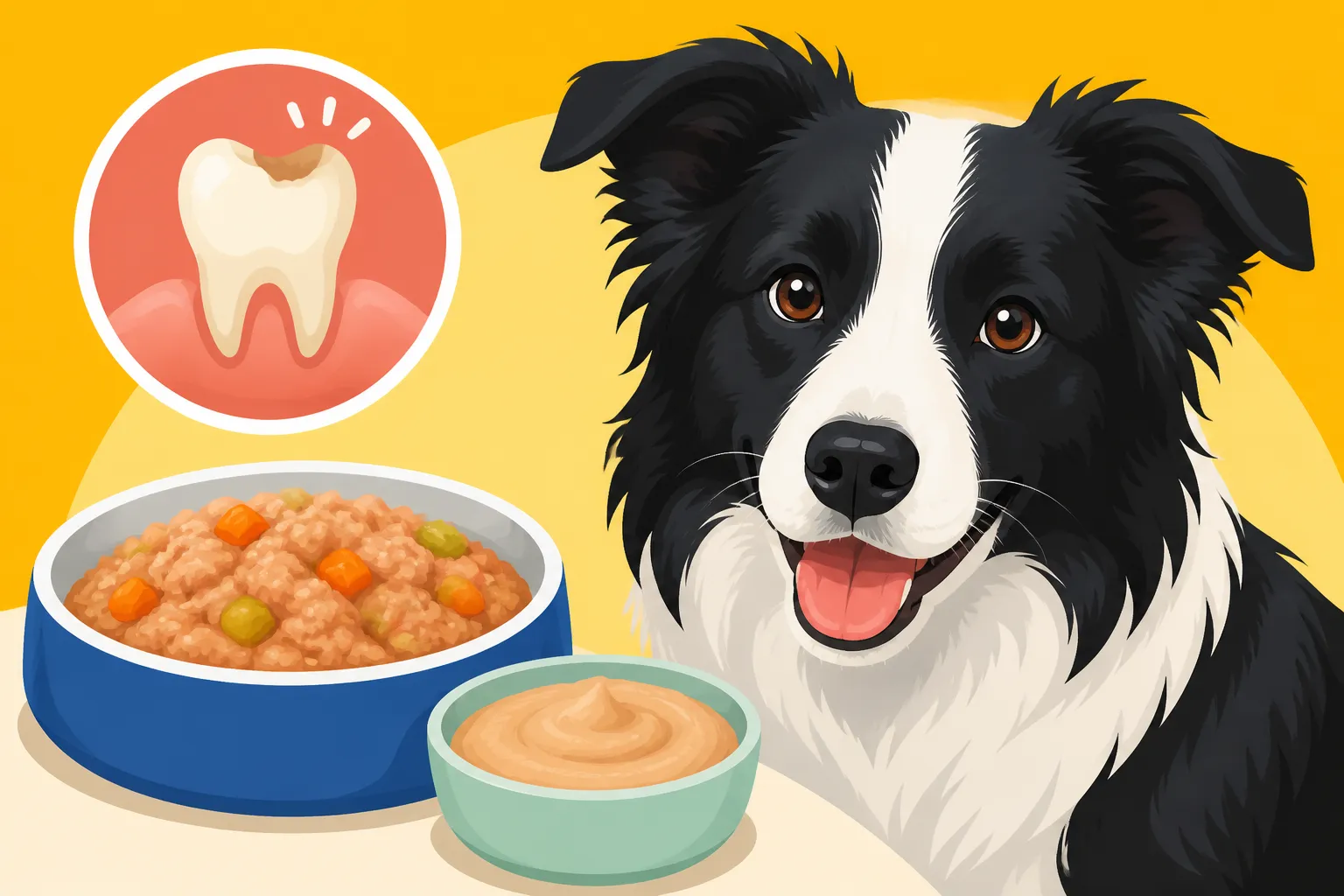
Canned wet food is probably the most common and accessible soft food option. It comes in various consistencies, from pâtés to chunky stews, and is typically highly palatable for dogs. The moisture content is much higher than kibble, making it easier to eat and often more enticing. Many brands offer complete and balanced canned foods, formulated to meet the nutritional requirements for all life stages, including seniors with dental challenges.
When choosing canned food, look for high-quality ingredients with a named meat source as the first ingredient. Be mindful of filler ingredients or excessive amounts of by-products. While many Border Collies maintain a healthy weight, some might be prone to gaining a few pounds as they get older or become less active due to pain. Therefore, pay attention to the calorie count, especially if your dog is transitioning away from a higher-calorie working dog kibble. Brands like Purina Pro Plan, Hill's Science Diet, or Royal Canin offer specialized formulas that can be found at pet stores or online retailers like Amazon and Chewy.
Rehydratable and Dehydrated Foods
Another excellent option is dehydrated or freeze-dried raw foods. These come in a dry form but are meant to be rehydrated with warm water or broth before serving. Once rehydrated, they become soft and moist, much like a stew, making them very easy on sensitive teeth. These foods often retain more of their natural nutrients due to the gentle processing methods and are frequently made with human-grade ingredients.
The preparation does take a few minutes, as you need to allow time for the food to soak and soften completely, but it’s a small trade-off for the benefits. This can be a great way to offer a minimally processed diet without the mess or handling concerns of a fully raw diet. They are also typically more calorie-dense once rehydrated, which can be beneficial if your Border Collie has lost weight due to dental pain. Consider brands like The Honest Kitchen or Primal for these types of options, often available through Chewy or specialty pet boutiques.
Fresh or Gently Cooked Food
The rise of fresh dog food delivery services has opened up a fantastic avenue for dogs with dental issues. Companies like Ollie deliver pre-portioned, gently cooked meals made with fresh ingredients directly to your door. These meals are typically soft, easy to chew, and incredibly palatable. The ingredients are human-grade, and the recipes are formulated by veterinary nutritionists to ensure they are complete and balanced.
This type of food can be a game-changer for a Border Collie who has become extremely finicky due to mouth pain. The natural smell and texture can stimulate their appetite. While fresh food tends to be more expensive than kibble or canned options, the peace of mind knowing your dog is eating well and comfortably can be priceless. You can also prepare gently cooked meals at home, ensuring you follow a vet-approved, balanced recipe to avoid nutritional deficiencies. This is crucial; simply cooking chicken and rice won't cut it long-term for a Border Collie's complex nutritional needs.
| Food Type | Texture | Preparation | Pros | Cons |
|---|---|---|---|---|
| Canned Wet Food | Pâté, chunks | Open and serve | Highly palatable, widely available, variety of formulas | Can be lower in calories, some brands use fillers, can be messy |
| Rehydratable/Dehydrated | Soft stew | Add warm liquid, soak | Minimally processed, high moisture, retains nutrients, often human-grade | Requires prep time, can be more expensive than kibble |
| Fresh/Gently Cooked | Soft, moist | Serve (or warm) | Extremely palatable, human-grade ingredients, highly digestible | More expensive, requires refrigeration, can have shorter shelf life |
| Soaked Kibble | Soft mush | Add liquid, soak | Cost-effective, uses existing food, easy transition | Can become unappetizing if left out, dental benefits are limited |
Soaked Kibble – A Temporary or Supplemental Solution
If you're looking for a more immediate or budget-friendly solution, or as a transitional step, soaking your Border Collie's regular kibble can help. Simply add warm water or low-sodium broth to their kibble and let it sit for 10-15 minutes until it softens into a mush. This can make it much easier for them to consume.
However, keep a few things in mind with soaked kibble. First, it won't address underlying dental issues – it just makes eating less painful. Second, soaked kibble should not be left out for long periods, as it can quickly grow bacteria. Third, while it helps with the mechanical act of eating, it doesn't change the nutritional profile of the kibble, which might be too high in certain ingredients or lack the bio-availability of fresh options. It's a good stop-gap, but often not the best long-term solution if the dental wear is severe.
Transitioning Your Border Collie to Soft Food
Changing your Border Collie's diet, especially if they’re already feeling unwell or are set in their ways, requires patience and a thoughtful approach. A sudden switch can lead to digestive upset, making the entire situation worse. The goal is a smooth transition that minimizes stress for both you and your dog.
The Gradual Introduction Method
The golden rule of any dietary change is to do it gradually. Start by mixing a small amount of the new soft food with their old kibble (or soaked kibble). Over the course of 7-10 days, slowly increase the proportion of the new food while decreasing the old. This allows your Border Collie's digestive system to adjust and helps them get used to the new taste and texture.
For a dog with very sensitive teeth, you might start with a very soft consistency, like a pâté, and then slowly introduce other textures if they tolerate it. Observe their stools for any signs of diarrhea or constipation, which could indicate you're transitioning too quickly. If your Border Collie has been reluctant to eat, the enticing smell of the new soft food might actually speed up acceptance, but still, keep an eye on their digestion.
Sample Transition Schedule:
- Days 1-2: 25% new food, 75% old food
- Days 3-4: 50% new food, 50% old food
- Days 5-6: 75% new food, 25% old food
- Days 7+: 100% new food
If your Border Collie is particularly finicky, you might even extend this schedule to two weeks or more. Their health and comfort are the priority.
Making the New Food Appealing
Some Border Collies, even with worn teeth, can be a bit resistant to change. Here are a few tricks to make the new soft food more appealing:
- Warm it Up: Gently warming wet food can enhance its aroma, making it more tempting. Just ensure it's not too hot – lukewarm is perfect.
- Add a Topper: A small sprinkle of low-sodium chicken broth, a spoonful of plain pumpkin, or even a tiny bit of cooked, shredded chicken can make the new food irresistible. Just remember to account for these additions in their daily calorie intake.
- Hand-Feeding: For truly reluctant eaters, offering a few bites by hand can sometimes encourage them to try the new food. This gentle interaction can build positive associations.
- Consistency is Key: Once you find a soft food your Border Collie enjoys, try to stick with it. Frequent changes can be unsettling.
Remember, a Border Collie thrives on routine, and that often extends to their meals. Introducing a new food needs to be part of a calm, positive experience.
Monitoring for Digestive Upset and Comfort
During the transition, keep a close watch on your Border Collie. Are they eating comfortably? Are there any signs of pain while chewing? Monitor their stool quality daily. Loose stools or diarrhea could mean the transition is too fast or the new food isn't agreeing with them. Constipation could indicate insufficient fiber or water, especially if moving from a dry kibble.
Also, observe their overall demeanor. If they seem more energetic, happier, and are finishing their meals, you’re on the right track. If they're still showing signs of pain, it might be time to consult your vet again. Sometimes, the issue isn't just worn teeth but other underlying dental problems that require professional intervention, such as extractions or further dental procedures. Signs an Old Border Collie Is in Pain extend beyond just their teeth, so be mindful of other indicators.
Long-Term Management and Dental Care Beyond Food
While soft food is a fantastic solution for Border Collies with worn teeth, it's just one part of a comprehensive dental care strategy. It's crucial to understand that simply switching foods doesn't solve the root cause of the wear, nor does it prevent other dental issues from arising. Long-term management involves regular veterinary check-ups, ongoing oral hygiene, and careful consideration of their chew habits.
Regular Veterinary Dental Check-ups
Even if your Border Collie is happily eating soft food, regular veterinary dental check-ups are non-negotiable. Your vet can assess the extent of the worn teeth, check for any infections or painful areas, and recommend professional dental cleanings under anesthesia when necessary. These cleanings allow for a thorough examination below the gum line and addressing issues that you can't see at home.
For Border Collies with significantly worn teeth, your vet might recommend X-rays to check for problems with the tooth roots or jawbone. They can also advise on pain management if the exposed dentin is causing chronic discomfort. Sometimes, severe attrition might necessitate extraction of the most painful teeth to provide lasting relief. Don't underestimate the impact of dental health on your dog's overall well-being; it's as important as managing conditions like Osteoarthritis in a Border Collie by Eight.
Oral Hygiene for Dogs with Worn Teeth
Brushing your Border Collie's teeth might seem counterintuitive if they have sensitive teeth, but it's still incredibly important to prevent plaque and tartar buildup on the remaining healthy surfaces, as well as to keep gums healthy. Use a soft-bristled toothbrush and enzymatic dog toothpaste. Be extra gentle around the worn areas. If brushing is too painful, discuss other options with your vet.
Dental wipes, oral rinses, or water additives can also help reduce bacteria and freshen breath without requiring direct scrubbing. These products won't remove existing tartar, but they can slow down new plaque formation. Remember, while soft food is easier on worn teeth, it doesn't offer the abrasive action that kibble theoretically provides to help keep teeth cleaner (though kibble's dental benefits are often overstated). Therefore, manual cleaning becomes even more critical.
Safe Chews and Play Habits
Once your Border Collie is on a soft food diet, you'll need to re-evaluate their chew toy selection. Hard chews that contributed to the wear are now off-limits. This includes antlers, hard nylon bones, and even real bones. Instead, opt for softer, pliable toys like rubber Kongs, soft rubber balls, or interactive puzzle toys that dispense soft treats.
If your Border Collie is a dedicated fetcher, switch from abrasive tennis balls to softer rubber balls that are gentler on their teeth. Keep an eye on any new items they pick up in the yard or during walks that they might be tempted to chew on. The goal is to provide mental and physical stimulation that respects their dental limitations, ensuring they can still enjoy their Border Collie life without further dental damage. For instance, Scentwork for a Border Collie Between Trial Seasons offers great mental enrichment without needing to engage their teeth.
Nutritional Considerations for a Senior or Less Active Border Collie
As your Border Collie ages or experiences a reduction in activity due to dental pain, their nutritional needs may shift. While still requiring a high-quality, balanced diet, their caloric intake might need adjustment. An older, less active dog will burn fewer calories than a Feeding a Border Collie That Works Two Hours a Day.
Monitor their weight closely. If they start to gain weight, you might need to choose a soft food formulation that is lower in calories or adjust portion sizes. If they are losing weight, ensure they are getting enough high-quality protein and fats. Your vet can provide guidance on appropriate calorie intake based on your individual dog's age, activity level, and health status. Many soft foods are nutrient-dense, which is a big plus for seniors who might struggle to eat large volumes.
Transitioning to soft food for a Border Collie with worn teeth is an act of love and careful management. With the right approach, you can ensure your intelligent, loyal companion continues to enjoy their meals comfortably for years to come.
Disclaimer
This article is for general informational purposes only and does not constitute professional advice. Laws, prices and regulations vary by location and change over time. Consult a qualified professional for guidance on your specific situation.