Sport Injuries a Border Collie Picks Up
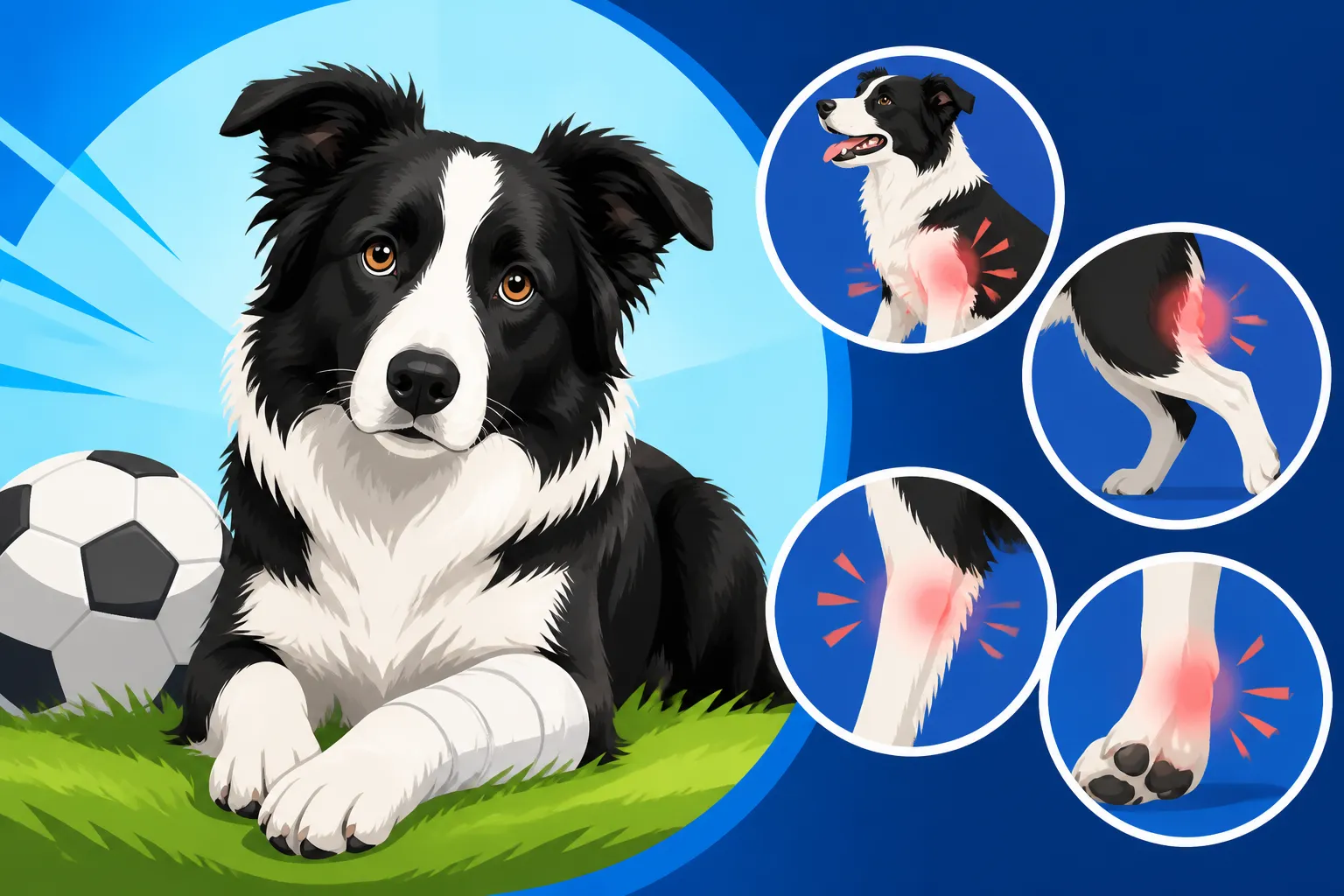
It’s heartbreaking to watch your incredible Border Collie, full of life and boundless energy, suddenly pull up lame or show a subtle shift in their usually flawless gait. When you have a dog bred for relentless work and impressive athleticism, the expectation is that they'll be robust and resilient. Yet, the very intensity and commitment they bring to their sport or daily activities can unfortunately make them susceptible to a range of injuries. This comprehensive guide is here to shed light on the most common sport-related injuries Border Collies encounter, how to spot the early warning signs, and crucial strategies for prevention, treatment, and long-term care to keep your canine athlete in top form.
The Unseen Costs of an Athletic Lifestyle: Why Border Collies Get Hurt
Border Collies are phenomenal athletes, renowned for their speed, agility, and unwavering focus. Whether they're rounding up sheep, flying over agility jumps, tearing through a flyball course, or hiking miles of trails with you, their bodies are constantly under stress. This incredible drive, while a hallmark of the breed, can also be their Achilles' heel, pushing them to perform even when their bodies are screaming for a break.
The Unrelenting Drive: When Instinct Overrides Caution
One of the most profound aspects of a Border Collie's temperament is their intrinsic motivation. These dogs live to work, to move, to solve problems, and to be engaged. This high drive means they often don't have an "off switch" when it comes to activity, particularly when they're focused on a task or having fun. They’ll chase a ball until they collapse from exhaustion, or navigate an agility course with such fierce determination that they might ignore a twinge or a stumble. This inherent "toughness" can mask early signs of injury, making it difficult for owners to realize something is wrong until the problem has become more significant.
Many owners find themselves marveling at their Border Collie's endless stamina, sometimes without fully appreciating the immense strain this places on their musculoskeletal system. A dog that continually pushes past its physical limits without adequate rest or conditioning is a prime candidate for overuse injuries, acute sprains, or even more severe ligament and joint damage. It's a double-edged sword: the very quality that makes them so special in performance also demands a vigilant owner who understands when to step in and enforce rest.
Biomechanical Stressors in High-Impact Sports
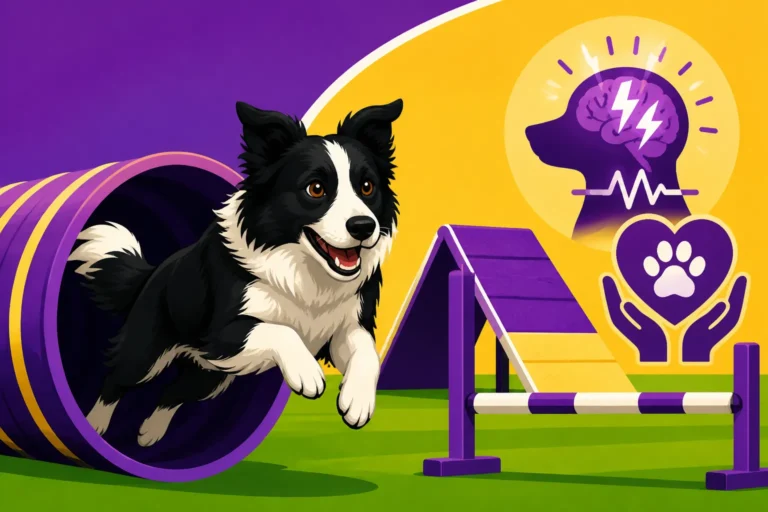
Different sports place unique demands on a Border Collie’s body, creating specific biomechanical stressors that can lead to injury. In agility, for instance, dogs are asked to perform rapid accelerations, sudden stops, tight turns, and explosive jumps. This puts immense pressure on cruciate ligaments, shoulders, and the muscles of the back and iliopsoas group. Think about the force exerted on a dog's stifles (knees) when they land from a jump, or the torque on their spine and hips during a sharp tunnel entrance.
Herding, while appearing more fluid, involves sustained, intense bursts of speed, sudden changes in direction on uneven terrain, and a lot of low-to-the-ground maneuvering. This can lead to injuries in the hocks, wrists, and pads, as well as chronic back issues. Even seemingly innocent games of fetch, especially with aggressive stops and turns on slippery surfaces, can result in serious injury. Understanding the specific physical stresses of your dog’s activities is the first step in prevention.
Navigating Common Joint and Ligament Troubles
Joint and ligament injuries are unfortunately common in athletic Border Collies, largely due to the high-impact nature of their activities. These can range from acute, dramatic tears to more insidious, progressive conditions.
Cruciate Ligament Injuries: The Sudden Stop and Turn
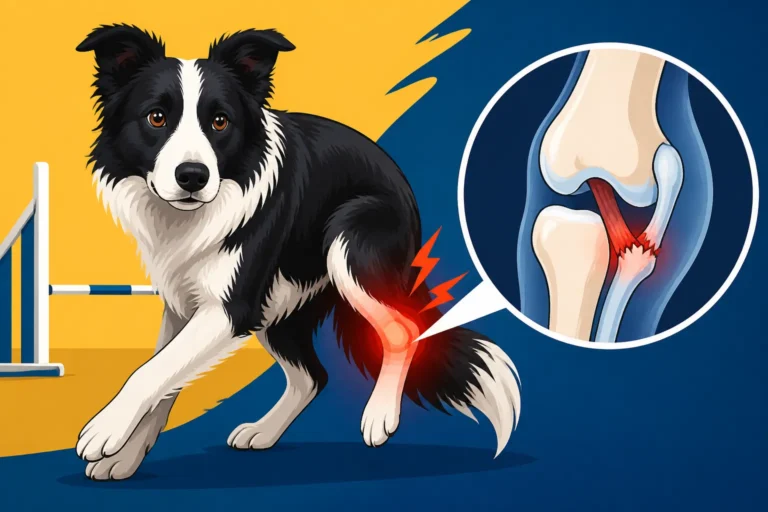
One of the most devastating and frequently encountered injuries in athletic dogs, including Border Collies, is a tear of the cranial cruciate ligament (CCL) in the knee. This ligament is crucial for stabilizing the knee joint, and when it tears, the joint becomes unstable, leading to pain and lameness. Agility dogs, with their frequent, explosive changes in direction and hard landings, are particularly susceptible to The Cruciate Tear an Agility Border Collie Gets.
The hallmark sign of a CCL tear is sudden, non-weight-bearing lameness in a hind leg, often after a specific incident like a misstep or a hard turn. Sometimes, it's a partial tear, which may present as intermittent lameness that seems to improve with rest, only to recur with activity. Diagnosing a CCL tear typically involves a physical exam to detect joint instability (the "cranial drawer" or "tibial thrust" test) and sometimes radiographs to rule out other issues or assess for secondary osteoarthritis. Treatment often requires surgical intervention, such as Tibial Plateau Leveling Osteotomy (TPLO) or Tibial Tuberosity Advancement (TTA), followed by a rigorous rehabilitation program. For many serious competitors, Returning a Border Collie to Agility After TPLO is a long and challenging road, emphasizing the importance of prevention and careful conditioning.
Underlying Joint Conditions: Dysplasia and Its Impact
While not always "sport injuries" in the acute sense, pre-existing joint conditions like hip and elbow dysplasia can significantly increase a Border Collie's risk of injury and impact their performance longevity. Hip dysplasia is a developmental condition where the hip joint doesn't form properly, leading to looseness and eventual degenerative joint disease. Similarly, elbow dysplasia encompasses several conditions that cause abnormal development of the elbow joint. It's not uncommon to see Hip Dysplasia in a Border Collie That Runs All Day or issues related to Elbow Dysplasia and the Border Collie Forelimb, especially if they come from lines not thoroughly screened.
A Border Collie with underlying dysplasia might not show overt lameness as a puppy but may develop soreness, a subtle limp after exercise, or reluctance to perform certain movements as they mature. The abnormal mechanics of a dysplastic joint put extra strain on surrounding ligaments, muscles, and cartilage, making them more prone to secondary sprains, strains, and tears. Responsible breeders will typically have their breeding dogs undergo Hip and Elbow Scores in a Border Collie to minimize the inheritance of these conditions. Early diagnosis, even in a young dog, can allow for management strategies that may slow the progression of arthritis and extend their comfortable working life.
Osteoarthritis: The Wear and Tear of a Lifetime
Osteoarthritis, or degenerative joint disease, is an inevitable consequence of aging for many dogs, but it can be accelerated and exacerbated in highly active Border Collies. It’s essentially the breakdown of cartilage within the joints, leading to pain, stiffness, and reduced range of motion. Repeated microtrauma from high-impact activities, coupled with any underlying structural issues like dysplasia, contributes significantly to its development. You might notice Osteoarthritis in a Border Collie by Eight, sometimes even younger if they've had a history of injury.
Signs of osteoarthritis often include a gradual onset of stiffness, especially after rest or in cold weather, reluctance to jump, climb stairs, or engage in their usual activities, and a general slowing down. They might show The Limp That Shows Up After a Border Collie Works, which is initially subtle but becomes more pronounced. While osteoarthritis can't be cured, it can be managed effectively with a multi-modal approach including anti-inflammatory medications, joint supplements, physical therapy, weight management, and sometimes even therapeutic injections. The goal is to keep the dog comfortable and active for as long as possible, adapting their routine to their changing needs.
Addressing Muscle, Tendon, and Soft Tissue Strains
Beyond the major joints, the powerful musculature and intricate network of tendons and ligaments in a Border Collie are also highly susceptible to injury, particularly when pushed to their limits.
Iliopsoas Muscle Strains: A Common Agility Culprit
The iliopsoas muscle group is a deep core muscle that plays a critical role in hip flexion and spinal stability. In agility, where dogs perform tight turns, collected jumping, and powerful accelerations, strains to these muscles are quite common. Handlers might notice Iliopsoas Strain and Why a Border Collie Slows on Turns, or a general reluctance to stretch out during their run. This injury can be particularly frustrating because it often doesn't present with obvious lameness.
Instead, a dog with an iliopsoas strain might show a subtle short-strided hindlimb gait, difficulty collecting for jumps, or a preference for stretching one leg out more than the other. They might also react sensitively to palpation of their lower back and inner thigh. Diagnosis often requires a skilled veterinary sports medicine practitioner who can pinpoint the specific muscle group involved through careful palpation and gait analysis. Treatment typically involves a period of strict rest, anti-inflammatory medication, and targeted physical therapy to stretch and strengthen the muscle, gradually returning to activity.
Shoulder Injuries: From Twists to Tears
The canine shoulder is a complex joint, relying heavily on muscles and ligaments for stability rather than a deep bony socket like the hip. This design allows for incredible flexibility and range of motion, essential for a Border Collie's agility and speed, but it also makes it vulnerable to soft tissue injuries. Shoulder Lameness in a Border Collie That Weaves is a classic example, where repeated forceful movements, like those involved in weaving poles, can lead to strains or tears in the biceps tendon, supraspinatus tendon, or other supporting structures.
Symptoms of a shoulder injury often include forelimb lameness, reluctance to bear weight, pain when the shoulder is manipulated, and a decrease in performance. The dog might hold the affected leg slightly abducted (away from the body) or refuse to put full weight on it. Diagnosis can be challenging, often requiring a combination of physical examination, radiographs (to rule out bony involvement), ultrasound (to visualize soft tissues), and sometimes MRI. Treatment can range from conservative management with rest and physical therapy to surgical repair, depending on the severity and specific structure involved.
Spinal and Lumbar Issues: More Than Just a Sore Back
While not as common as limb injuries, spinal issues can occur in athletic Border Collies, particularly in the lumbar (lower back) region. Disc herniations, lumbosacral stenosis (compression of nerves at the junction of the lower spine and pelvis), or even simple muscle spasms can be debilitating. These can arise from awkward landings, sudden twists, or chronic strain from repetitive movements. For a dog that spends its life twisting, turning, and engaging its core, minor back problems can escalate if not addressed.
Signs of spinal discomfort can be varied and often subtle. They might include reluctance to jump, difficulty getting up, a hunched posture, sensitivity to touch along the spine, changes in gait, or even a decrease in tail wagging. In more severe cases, neurological deficits like weakness or incoordination in the hind limbs can occur. Diagnosis involves a thorough neurological exam, palpation of the spine, and often advanced imaging like MRI or CT scans. Treatment depends on the diagnosis, ranging from rest and pain management for muscle strains to surgery for severe disc issues, followed by intensive rehabilitation.
Foot and Pad Trauma: The Foundation of Performance
A Border Collie’s feet are their direct connection to the ground, providing traction, absorbing impact, and allowing for precise movement. Given the varied and often challenging terrains they navigate, their paws are highly susceptible to injury.
Torn Pads, Broken Nails, and Digit Injuries
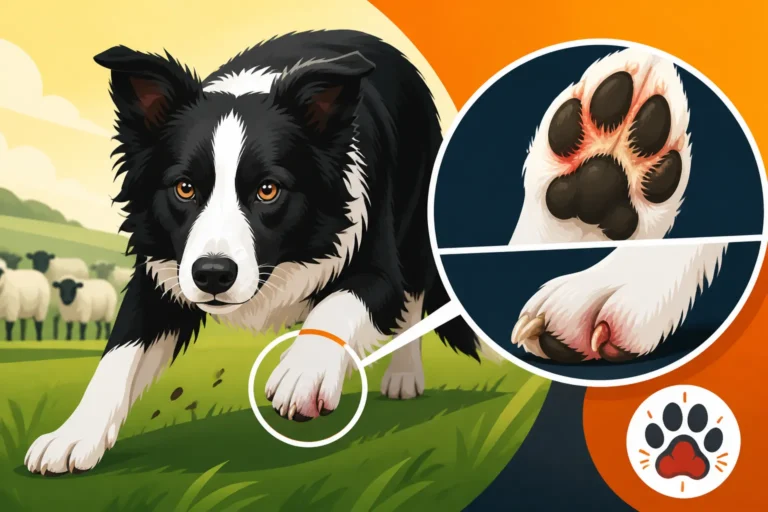
Whether it's working on rocky sheep pastures, running agility on turf, or simply navigating rough trails, a Border Collie's paw pads take a beating. Toe and Pad Injuries on a Working Border Collie are incredibly common and can be excruciatingly painful. A torn pad, often caused by sharp objects or abrasive surfaces, can bleed profusely and take a long time to heal. Broken or torn nails, especially the dewclaws (if present), are also frequent occurrences, leading to immediate lameness and risk of infection. Injuries to the digits themselves, such as sprains or fractures, can happen from missteps or jamming a toe.
Symptoms are usually quite obvious: limping, licking the paw incessantly, visible bleeding, or swelling. Inspecting the paw carefully is essential, but often difficult if the dog is in pain. Treatment typically involves cleaning and bandaging the wound, pain medication, and restricting activity to allow healing. For severe pad tears or fractures, veterinary attention is crucial. Keeping nails trimmed to an appropriate length and gradually conditioning pads to different surfaces can help minimize the risk of these painful injuries.
Environmental Hazards: From Sharp Objects to Extreme Temperatures
Beyond acute trauma, a Border Collie’s paws are exposed to a myriad of environmental hazards that can cause problems. Jagged rocks, broken glass, thorns, and other sharp debris hidden in grass or dirt can easily puncture pads. Even seemingly innocuous plant material, such as certain grass seeds (grass awns), can burrow into the skin between the toes, causing severe inflammation, infection, and lameness. These tiny invaders can be incredibly painful and often require veterinary intervention to remove.
Extreme temperatures also pose a significant risk. Working on hot asphalt or sand can cause severe burns to paw pads, while ice and snow can lead to frostbite or "snowballing" between the toes, which can be irritating and painful. Chemical irritants like de-icers, fertilizers, or cleaning agents can also cause contact dermatitis or burns. Owners must be vigilant about the surfaces their Border Collie is working on and take appropriate precautions, such as using protective paw wax, dog boots in extreme conditions, or simply avoiding hazardous environments. Regularly checking paws after activity is paramount for early detection of foreign bodies or irritation.
Recognizing the Red Flags: When to Seek Professional Help
One of the greatest challenges for Border Collie owners is recognizing when a subtle change in gait or behavior indicates a serious injury, especially in dogs so driven to please and perform. They are masters at masking discomfort.
Observing Subtle Changes in Movement and Behavior
Because Border Collies are so stoic, an injury might not always present as an obvious, three-legged lameness. Often, the first signs are subtle and easily missed if you’re not paying close attention to your dog's normal movement patterns. Look for:
- Changes in enthusiasm: A slight decrease in their usual zest for work or play.
- Performance decline: Slower times in agility, knocking bars, refusal to weave, difficulty with tight turns, or being a bit slower to gather stock.
- Gait alterations: A subtle head bob when walking, a shorter stride in one leg, an asymmetrical trot, or a reluctance to extend fully. You might notice they shift weight differently when standing still or favor one side when lying down.
- Behavioral shifts: Increased panting, restlessness, difficulty settling, unexpected growling or snapping when touched, excessive licking of a particular area, or unusual vocalizations.
- Postural changes: A tucked tail, a hunched back, or an unusual way of sitting or lying down.
Keeping a training journal can be incredibly helpful in tracking these subtle changes. Documenting their performance, any "off" days, and how they recover can provide crucial data points for your vet. Remember, a dog that is typically a powerhouse, if suddenly reluctant to engage, is sending a strong signal.
The Value of a Specialised Sports Medicine Veterinarian
When your athletic Border Collie shows signs of injury, a general practitioner vet is a great first step, but for persistent or complex issues, seeking out a veterinary sports medicine specialist can make a world of difference. These veterinarians have advanced training in canine orthopedics, rehabilitation, and understanding the specific demands of canine sports. They are adept at identifying subtle lameness that might be missed in a standard exam and can provide a more accurate diagnosis and tailored treatment plan.
A sports vet often looks beyond the obvious. For example, if your dog is limping on a front leg, a general vet might focus on the elbow. A sports vet will consider how the entire kinetic chain is affected, from the toes to the neck, and investigate conditions like Shoulder Injuries in an Agility Border Collie or even issues in the neck that refer pain to the limb. They can also advise on appropriate recovery times, safe return-to-sport protocols, and long-term conditioning plans. Don't hesitate to ask your regular vet for a referral if your dog isn't responding to initial treatment or if the diagnosis isn't clear.
Diagnostic Tools: Beyond the X-Ray
While radiographs (X-rays) are invaluable for assessing bone structure and ruling out fractures or severe arthritis, they only tell part of the story, especially when it comes to soft tissue injuries. For a Border Collie with a suspected sport injury, your vet might recommend more advanced diagnostic imaging:
- Ultrasound: Excellent for visualizing soft tissues like tendons, ligaments, and muscles, making it crucial for diagnosing injuries like biceps tendinopathy or iliopsoas strains. It can often be done conscious and in-house.
- MRI (Magnetic Resonance Imaging): The gold standard for soft tissue imaging, providing incredibly detailed views of joints, spinal cord, nerves, and muscles. It requires general anesthesia but offers unparalleled diagnostic information, especially for complex shoulder, stifle, or spinal injuries.
- CT (Computed Tomography) Scan: Primarily used for detailed bone imaging, particularly for complex fractures, joint abnormalities, or assessing surgical planning. Also requires anesthesia.
- Arthroscopy/Exploratory Surgery: In some cases, a minimally invasive scope procedure (arthroscopy) or open surgery might be necessary to directly visualize and sometimes repair joint structures, especially for conditions that are difficult to diagnose with other methods.
These advanced tools allow veterinarians to pinpoint the exact location and extent of an injury, leading to more precise treatment plans and better outcomes for your highly active companion.
Proactive Prevention: Strategies for a Sound Athlete
The adage "an ounce of prevention is worth a pound of cure" rings especially true for sport Border Collies. Investing time and effort into proactive measures can significantly reduce the risk of injury and extend their working careers.
A Comprehensive Conditioning and Warm-Up Program
Just like human athletes, Border Collies need proper conditioning and a structured warm-up before intense activity. Don’t just let them off the leash and expect them to perform at their peak cold. A good warm-up increases blood flow to muscles, improves flexibility, and mentally prepares the dog for work. It should include:
- 5-10 minutes of light cardio: A brisk walk, slow trot, or gentle off-leash meandering to get the blood flowing.
- Dynamic stretches and joint mobilizations: Gentle movements like figure-eights, walking over cavaletti poles, or a few easy jumps to warm up specific joints and muscles used in their sport.
- Core activation exercises: Simple activities like 'bows' (front paws down, rear up) or standing on uneven surfaces to engage core muscles.
Equally important is a proper cool-down after intense work, consisting of 5-10 minutes of walking and gentle stretches. This helps clear metabolic waste products from muscles, reduces stiffness, and aids recovery. Gradual conditioning, especially for young dogs, is critical. Avoid Impact Work Before a Border Collie Turns Two, as their growth plates are still open and vulnerable. Slowly building endurance, strength, and coordination over time will create a more resilient athlete.
Nutritional Support and Joint Supplements
A high-quality diet is the foundation of an athletic dog's health. Working Border Collies burn a lot of calories and need a nutritionally dense food that supports muscle repair, energy levels, and overall vitality. Look for foods with good quality protein sources and appropriate fat levels for their activity. However, even the best kibble sometimes isn't enough to support the extreme demands on their joints.
Joint supplements can play a crucial role in prevention and management of joint health. Ingredients like glucosamine, chondroitin, MSM, and Omega-3 fatty acids (like those found in fish oil) are commonly used. These compounds are believed to help maintain cartilage integrity, reduce inflammation, and support joint lubrication. While supplements aren't a magic bullet and won't cure severe issues, they can provide valuable support, particularly for dogs engaged in high-impact activities or those with a predisposition to joint problems. Always discuss specific supplements with your veterinarian to ensure they are appropriate for your dog’s individual needs and to confirm dosage.
Smart Training Practices and Cross-Training Benefits
The way you train your Border Collie can significantly impact their risk of injury. Avoid repetitive, high-impact activities day after day. Instead, vary their routine with cross-training:
- Low-impact activities: Swimming, long walks on varied terrain, or hiking on softer ground can build endurance and strength without pounding the joints.
- Strength and body awareness: Incorporate exercises that build core strength and proprioception (awareness of body position), such as balance discs, wobble boards, or targeted conditioning exercises prescribed by a canine physical therapist.
- Mental stimulation: Puzzle toys, scent work, or trick training can engage their brilliant minds without stressing their bodies.
It's also vital to teach proper mechanics in their chosen sport. For agility, this means training safe jumping form, understanding how to decelerate effectively, and executing turns with balance rather than just speed. For herding, it means teaching controlled movements rather than frantic rushing. Providing adequate rest days is non-negotiable. Over-training is a fast track to injury. A good rule of thumb is to allow at least one full rest day for every one to two intense training days.
Rehabilitation and Long-Term Care for Injured Border Collies
When an injury does occur, the path to recovery is often a dedicated journey involving a team approach and unwavering commitment from the owner.
The Journey of Recovery: From Acute Injury to Return-to-Sport
Rehabilitation is not just about resting the dog; it’s a structured, progressive process designed to restore function, strength, and range of motion while preventing re-injury. Immediately following an acute injury, strict rest and pain management are paramount. This might involve crate rest, anti-inflammatory medications, and cold therapy. As the initial pain subsides, a canine rehabilitation specialist will typically design a program that progresses through several phases:
- Early Passive Range of Motion (PROM) and Massage: Gentle movements to prevent stiffness and maintain flexibility.
- Controlled Active Exercises: Slow, controlled walks, balance exercises, and therapeutic exercises to rebuild muscle strength without excessive strain.
- Strengthening and Conditioning: As healing progresses, exercises become more challenging, incorporating inclines, water treadmill work, and specific resistance exercises.
- Sport-Specific Training: Gradually reintroducing elements of their sport, starting with very low impact and intensity, and slowly increasing the challenge.
Throughout this process, constant communication with your vet and rehabilitation specialist is crucial to ensure milestones are met and the dog is not pushed too hard, too soon. Cutting corners in rehab almost always leads to setbacks or chronic issues.
Therapeutic Modalities: From Hydrotherapy to Laser
Modern veterinary medicine offers a wide array of therapeutic modalities that can significantly aid in the recovery of sport injuries:
- Hydrotherapy (Underwater Treadmill or Swimming): This is a fantastic option as the buoyancy of water reduces weight-bearing stress on joints while allowing for strengthening and increased range of motion. It's particularly beneficial for post-surgical recovery, arthritis management, and building overall fitness without impact.
- Therapeutic Laser Therapy (Cold Laser): Uses specific wavelengths of light to stimulate cellular repair, reduce inflammation, and alleviate pain. It’s non-invasive and often used for muscle strains, tendonitis, and wound healing.
- Acupuncture: Involves inserting fine needles into specific points on the body to stimulate nerve endings, release endorphins, and promote healing. It can be very effective for pain management and improving nerve function.
- Chiropractic and Manual Therapies: Focus on restoring proper alignment and mobility to the spine and other joints, which can be crucial for addressing compensatory pain patterns and improving overall biomechanics.
- Therapeutic Ultrasound (Thermal): Different from diagnostic ultrasound, this uses sound waves to create deep heat in tissues, promoting blood flow and tissue healing in specific areas.
A comprehensive rehabilitation plan will often combine several of these modalities tailored to the individual dog and injury, under the guidance of a certified canine rehabilitation therapist.
Managing Chronic Conditions and Future Prevention
For some Border Collies, particularly those with conditions like hip dysplasia or severe arthritis, complete "cure" isn't possible, and the focus shifts to long-term management and adapting their lifestyle. This might involve a sustained program of joint supplements, regular physical therapy sessions, periodic pain medication, and a carefully modified exercise regimen. What Ends a Border Collie's Working Life is often a severe, unrecoverable injury or the cumulative effect of chronic pain.
It's about finding a balance: keeping them active enough to maintain muscle mass and mental well-being, but not pushing them to the point of pain or further damage. This might mean retiring them from high-impact sports and redirecting their energy into lower-impact activities like scent work, casual hiking, or obedience. Owners must remain vigilant for any signs of worsening pain and be prepared to adjust their dog's care plan as needed. The goal is to maximize their quality of life and comfort for the duration of their How Long a Border Collie Lives.
Financial Considerations and Veterinary Insurance
Dealing with a sport injury in a highly active Border Collie can be not only emotionally draining but also a significant financial burden.
The Unforeseen Costs of Sport Injuries
The reality is that diagnosing and treating a serious sport injury in a Border Collie can be incredibly expensive. From the initial veterinary consultations and advanced diagnostic imaging (like MRI or CT scans) to surgical procedures and long-term rehabilitation, the costs can quickly add up. A single surgery for a cruciate ligament tear, for example, can easily run into several thousands of dollars, depending on your location and the specific procedure. Add to that weeks or months of follow-up appointments, medications, specialized therapeutic sessions like hydrotherapy, and potentially ongoing management for chronic conditions, and you're looking at a substantial investment.
Many dedicated Border Collie owners are willing to do whatever it takes for their beloved companions, but the financial strain can be overwhelming. These unforeseen expenses can force difficult decisions if not prepared for. It's not just the immediate costs either; a serious injury might mean a temporary halt to competition, loss of entry fees, and travel expenses for specialty treatments.
| Injury Type | Typical Diagnosis Methods | Potential Treatments | Estimated Cost Range (USD) |
|---|---|---|---|
| Cruciate Ligament Tear | Physical exam, X-rays, possibly MRI | Surgery (TPLO, TTA), pain meds, extensive rehab | $3,000 – $8,000+ |
| Iliopsoas Strain | Physical exam, palpation, ultrasound, possibly MRI | Rest, anti-inflammatories, targeted physical therapy | $500 – $3,000 |
| Shoulder Tendonitis/Tear | Physical exam, X-rays, ultrasound, MRI | Rest, anti-inflammatories, physical therapy, sometimes surgery | $1,000 – $6,000+ |
| Hip/Elbow Dysplasia (Mgmt) | X-rays, physical exam | Pain meds, joint supplements, weight management, rehab | $500 – $2,000 annually |
| Severe Pad Laceration | Visual inspection, cleaning | Cleaning, sutures, bandage changes, antibiotics, pain meds | $200 – $800 |
| Spinal Disc Herniation | Neurological exam, X-rays, MRI/CT | Strict rest, pain meds, possibly surgery, intensive rehab | $2,000 – $10,000+ |
Note: These are estimated ranges and can vary widely based on location, veterinary clinic, severity of injury, and specific treatment protocols.
How Insurance Helps: Protecting Your Investment in Health
This is where pet insurance, like plans offered by Healthy Paws, can be an absolute lifesaver. Enrolling your Border Collie in a comprehensive pet insurance policy can provide immense peace of mind, knowing that you won't have to make treatment decisions based solely on your wallet. While no insurance covers pre-existing conditions, getting a policy when your Border Collie is young and healthy, before any major injuries or illnesses strike, ensures that future unexpected accidents or illnesses, including sport injuries, will be covered.
Healthy Paws offers flexible plans that typically cover accidents, illnesses, surgeries, emergency care, specialized treatments, and even alternative therapies like hydrotherapy and acupuncture when prescribed by a vet. Having a robust insurance policy means you can focus on getting your Border Collie the best possible care, whether it's a routine vet visit for Annual Limits and Border Collie Cruciate Surgery or a complex shoulder repair. It helps mitigate the financial stress, allowing you to prioritize your dog's health and well-being without crippling debt. When considering pet insurance, always read the fine print, understand deductibles and reimbursement percentages, and ensure it aligns with the potential needs of an active, sport-oriented Border Collie.
Disclaimer
The information provided in this article is for general informational purposes only and is not a substitute for professional veterinary advice. Always consult with a qualified veterinarian or veterinary specialist for any health concerns or before making any decisions related to your Border Collie's health and treatment.