What Ends a Border Collie’s Working Life
It's heartbreaking to watch your incredible Border Collie, once a whirlwind of intelligent energy and unwavering focus, begin to falter. The dog that lived for its job, whether it was gathering sheep, soaring over agility jumps, or darting through a flyball lane, eventually faces an unavoidable truth: the body and mind can't keep up forever. This comprehensive guide delves into the various health, physical, and even behavioral challenges that sadly bring an end to a Border Collie's vibrant working life, helping you understand what to expect and how to navigate these difficult transitions.
The Unavoidable March of Age: When Youthful Vigor Fades
No matter how robust or driven your Border Collie is, time is a relentless force. Eventually, the spring in their step diminishes, the sharp glint in their eye softens, and the boundless energy that defined their youth becomes a precious, finite resource. It’s a tough reality for owners of these highly athletic and intelligent dogs, as their identity is often so wrapped up in their work.
The Gradual Diminishment of Physical Abilities
One of the first and most noticeable signs that a Border Collie's working life might be winding down is a general slowdown in their physical capabilities. They might not cover the ground as quickly on the outrun, their turns might be less precise, or their jumps might lack the effortless height they once possessed. This isn't usually a sudden event but a slow, creeping process that can be hard to pinpoint initially. You might notice they need more warm-up time before a session, or that they tire more quickly than before, requiring longer rests between tasks. The sheer stamina that allowed them to work for hours on end, seemingly impervious to fatigue, slowly starts to wane. This means less time in the field, fewer repetitions in training, and a general reduction in the intensity of their physical output. For many owners, recognizing The Age a Border Collie Starts to Slow is crucial for adjusting expectations and care.
Consider a dog like Bess, a phenomenal sheepdog who worked for over a decade on a busy farm in the Scottish Borders. Her owner, Ian, started noticing she wasn't quite as quick to gather the distant stragglers, or that her flank commands needed a second whistle when she was tired. Her top speed, once a blur across the fields, had noticeably decreased, making the demanding tasks of large-scale herding harder and less efficient. It's not about them being lazy; it's simply their body responding to years of relentless activity and the natural aging process. These subtle changes often mean modifying their workload, shifting from intense, long-duration tasks to shorter, less physically demanding ones, or transitioning them into a more supervisory role rather than the primary worker.
Sensory Decline: A Quiet Erosion of Working Tools
Beyond physical stamina, a Border Collie's keen senses are paramount to their working success. Their sharp eyesight allows them to spot a single sheep at a distance, and their acute hearing helps them pick out whistle commands over wind and bleating. As they age, these senses can unfortunately start to deteriorate, posing significant challenges to their ability to perform their duties effectively. Poor vision can lead to misjudging distances, difficulty navigating uneven terrain, and even a reduced ability to locate stock, especially in low light conditions. Imagine trying to direct sheep if you can't clearly see the boundaries or the subtle movements of the flock.
Hearing loss can be equally problematic, particularly for dogs reliant on whistle commands. A handler might find themselves shouting, or having to get closer to their dog to issue instructions, which breaks the flow of work and undermines the precise communication Border Collies are renowned for. For a dog like Pip, an agility champion from Oregon, her slowing eyesight meant she started knocking poles that she used to clear with ease, and subtle hand signals became harder for her to pick up at speed. Meanwhile, a working farm dog named Gus, whose handler relied almost entirely on whistles, found himself increasingly out of sync with his aging partner. While some accommodations can be made, like increasing the size of visual signals or using more tactile cues, the degradation of these senses fundamentally changes the nature of their work. Severe Deafness in a Border Collie can mean a complete end to working life, requiring a different approach to training and communication.
Cognitive Changes: When the Mind Starts to Slow
Perhaps one of the most heartbreaking aspects of aging in a Border Collie is when their unparalleled intelligence and drive, their very essence, begins to waver. Canine Cognitive Dysfunction (CCD), similar to dementia in humans, can manifest in various ways, impacting their ability to learn, remember, and solve problems. You might notice your dog getting confused in familiar environments, struggling to recall commands they’ve known their whole life, or simply appearing less 'present' and engaged. This can be incredibly frustrating for both the dog and the handler, as the intuitive connection and lightning-fast responses they once shared start to break down. A dog that used to anticipate your next move might now hesitate, misinterpret, or simply forget what they were supposed to do.
Early signs of Canine Cognitive Dysfunction in an Old Border Collie include disorientation, changes in sleep-wake cycles, reduced interaction, and house-soiling accidents. For a Border Collie, whose working life demands constant mental engagement and quick decision-making, these changes are profoundly impactful. They might lose their 'eye' on stock, or forget the pattern of an agility course they've run hundreds of times. This isn't just a matter of physical limitation; it's a loss of the mental acuity that defines their breed. While there are supportive measures and medications that can help manage CCD symptoms, they don't reverse the condition. Ultimately, a Border Collie with significant cognitive decline can no longer safely or effectively perform their working duties, and their quality of life needs to be prioritized.
Orthopedic Ailments: The Body Betrays the Spirit
Border Collies are built for speed, agility, and endurance, but years of intense physical activity take a toll on their joints, ligaments, and bones. Orthopedic problems are a leading cause for the cessation of a Border Collie's working life, often resulting in chronic pain, reduced mobility, and an inability to perform demanding tasks.
Chronic Joint Degeneration: Hip, Elbows, and Spine
Hip and elbow dysplasia are unfortunately common inherited conditions in many breeds, including Border Collies, though responsible breeders screen for them diligently. Even with good genetics, the constant high-impact movements, sharp turns, and explosive bursts of speed inherent in herding or dog sports can exacerbate wear and tear, leading to conditions like osteoarthritis. Over time, the smooth cartilage cushioning the joints erodes, leading to bone-on-bone friction, inflammation, and chronic pain. Hip Dysplasia in a Border Collie That Runs All Day is a particularly tough pill to swallow because these dogs are meant to run. This pain can manifest as stiffness after rest, lameness, reluctance to jump or climb, and a general decrease in activity levels. A dog might stop taking corners as sharply or refuse to collect stock from a steep incline because of the discomfort.
Similarly, issues like spinal arthritis or degenerative disc disease can affect their ability to flex, extend, and twist their bodies, which are all crucial movements for a working dog. Imagine a sheepdog trying to perform a complex outrun with a stiff back, or an agility dog hesitating before weaving through poles due to pain. These conditions are typically progressive, and while management through medication, supplements, physical therapy, and even surgery can help improve comfort, they rarely restore the dog to their former working capacity. Many owners find themselves navigating Osteoarthritis in a Border Collie by Eight, which can significantly impact their dog's comfort and ability to work. Regular vet check-ups are vital, and it’s always good to discuss pain management strategies with your vet to keep your dog comfortable for as long as possible. Sometimes, pet insurance providers like Healthy Paws can be a real lifesaver when these chronic conditions require ongoing veterinary care, helping to cover the costs of diagnostics, medications, and therapies.
Acute Ligament and Tendon Injuries: Sudden Stops
While chronic conditions are a slow burn, acute injuries can bring a working life to an abrupt halt. The most notorious among these is a cruciate ligament tear, often occurring during a sudden stop, twist, or jump, common maneuvers in dog sports and herding. A torn cranial cruciate ligament (CCL) in the knee is incredibly painful and often requires extensive surgery and months of rehabilitation. Even after successful surgery, many dogs never fully regain their previous level of athletic performance, or the confidence to execute demanding movements without hesitation. Cruciate Tears in a Border Collie are particularly devastating because of the long recovery and potential for recurrence or issues in the other knee.
Other acute injuries might include muscle strains, tendonitis, fractures, or even serious lacerations from hazards in the field. A dog that suffers a severe shoulder injury from an awkward landing in agility, or a deep cut to a pad while working on rocky terrain, might simply not be able to return to the rigors of their job. The healing process can be lengthy, and the dog may develop compensatory lameness or chronic pain, permanently affecting their gait and overall athleticism. While diligent preventative care and proper conditioning can reduce the risk, accidents do happen. For serious injuries requiring surgery and prolonged rehabilitation, having a good pet insurance plan from providers like Healthy Paws can significantly ease the financial burden, allowing you to focus on your dog's recovery.
Managing Pain: A Constant Battle
For Border Collies suffering from chronic orthopedic issues, managing pain becomes a central part of their daily care. This isn't just about giving them pain medication; it's a multi-faceted approach aimed at improving their quality of life and slowing the progression of their condition. Veterinarians might prescribe non-steroidal anti-inflammatory drugs (NSAIDs) to reduce inflammation and pain, or other pain relievers like gabapentin. However, long-term use of these medications often requires regular blood work to monitor liver and kidney function, adding another layer of management.
Beyond medication, many owners explore complementary therapies. Physiotherapy, hydrotherapy, acupuncture, and chiropractic adjustments can offer significant relief and improve mobility. Dietary supplements, such as glucosamine, chondroitin, and omega-3 fatty acids, are also commonly used to support joint health. Environmental modifications, such as ramps for cars or beds, anti-slip mats on floors, and orthopedic dog beds, can make a huge difference in their daily comfort. The goal is to keep them as comfortable and mobile as possible, even if their working days are behind them. Understanding the Signs an Old Border Collie Is in Pain is vital for proactive and effective pain management, ensuring their golden years are as comfortable as possible. This ongoing commitment to their comfort reflects the deep bond we share with these incredible dogs.
Neurological Hurdles: When the Wiring Goes Awry
Border Collies are known for their sharp minds and quick reflexes, but sometimes, their intricate neurological systems can develop issues that profoundly impact their ability to work. These conditions can be particularly distressing because they often affect the dog's very perception of the world and their ability to control their own body.
Epilepsy: The Unpredictable Challenge
Idiopathic epilepsy, a seizure disorder with no identifiable cause, is unfortunately prevalent in Border Collies, often striking dogs in the prime of their working lives, typically between one and five years of age. A seizure can range from a subtle "fly-biting" episode to a full-blown grand mal convulsion, where the dog loses consciousness, paddles its legs, and may lose bladder or bowel control. The unpredictability of these episodes makes maintaining a working career incredibly difficult, if not impossible. Imagine your dog having a seizure in the middle of a sheepdog trial, or while navigating a complex agility course. Not only is it dangerous for the dog, but it also compromises their ability to perform their job safely and effectively. Epilepsy in a Border Collie Between One and Five is a common and devastating diagnosis.
While epilepsy can often be managed with anti-epileptic medications, finding the right combination and dosage can be a lengthy process, and side effects like sedation or increased thirst are common. Even with medication, some dogs may still experience breakthrough seizures, making their working future uncertain. The goal of medication is to reduce the frequency and severity of seizures, but complete elimination isn't always possible. For dogs whose work requires intense focus and coordination, epilepsy often marks the end of their competitive or professional career. Owners must then prioritize their dog's overall health and well-being, focusing on seizure control and maintaining a calm, predictable environment. Veterinary bills for diagnosis and long-term medication for epilepsy can be substantial, and this is another area where pet insurance like Healthy Paws can provide crucial financial support.
Border Collie Collapse: A Breed-Specific Enigma
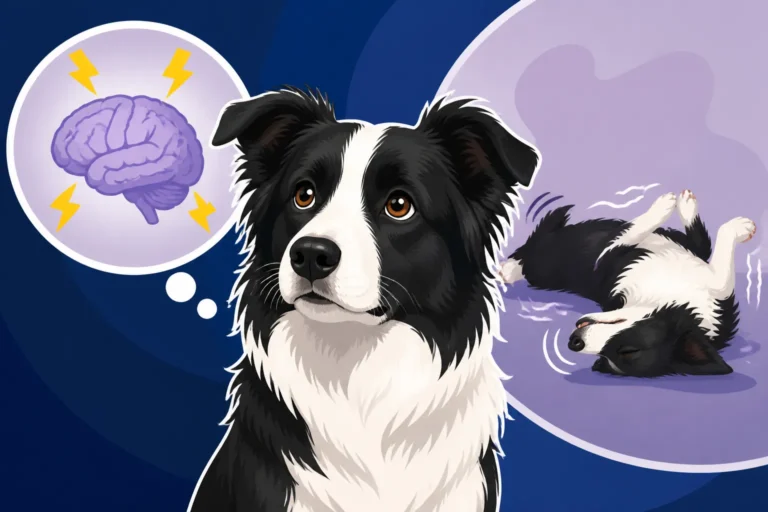
Border Collie Collapse (BCC), also known as "exercise-induced collapse", is a perplexing neurological condition specific to the breed, often triggered by intense exercise, excitement, or stress, particularly in warmer temperatures. Dogs affected by BCC typically start to show signs of confusion, disorientation, a wobbly gait, and hind-limb weakness, sometimes progressing to complete collapse, usually after 5-15 minutes of strenuous activity. The episodes are not painful, and the dog usually recovers completely after 5-30 minutes of rest. However, this recovery period means an immediate cessation of activity. What a Border Collie Collapse Episode Looks Like can be quite frightening for owners who are unfamiliar with the condition.
For a dog whose entire working identity is built around high-intensity, sustained effort, BCC is a career-ending diagnosis. A sheepdog cannot work livestock if it collapses every ten minutes, and an agility dog cannot compete if it falls over mid-course. The condition is thought to have a genetic component, and affected dogs should be removed from breeding programs. Management involves identifying and avoiding triggers, which for a working Border Collie often means removing them from their demanding job. While BCC does not appear to be life-threatening in itself, it profoundly limits a dog's ability to engage in the very activities they love and are bred for, effectively ending their working life.
Other Neurological Conditions Affecting Coordination
Beyond epilepsy and BCC, other neurological conditions can also impact a Border Collie's ability to work. Conditions like cerebellar abiotrophy, a degenerative disease affecting coordination and balance, or even certain forms of spinal cord disease, can lead to ataxia (lack of muscle coordination), weakness, and difficulties with movement. These conditions are usually progressive and can severely impair a dog's ability to navigate complex environments or perform precise movements. A dog with poor coordination cannot safely work stock, run an agility course, or engage in any activity that requires fine motor control.
For instance, a dog developing a vestibular disease might exhibit head tilting, circling, and loss of balance, making it impossible to perform its duties. While some neurological conditions can be managed with medication or physical therapy, many lead to a significant decline in quality of life and an inability to continue working. Early diagnosis and intervention are key, but for many neurological ailments, the prognosis for a return to full working capacity is unfortunately poor. The focus then shifts to providing comfort and adapting to their limitations.
Systemic Illnesses: The Silent Saboteurs
Sometimes, it's not a localized issue like a bad joint or a specific neurological glitch, but a broader systemic illness that slowly, insidiously, erodes a Border Collie's health and ultimately brings an end to their working capabilities. These conditions often affect major organ systems and can drastically reduce stamina, overall well-being, and even shorten their lifespan.
Cancer: A Frightening Reality for Older Dogs
As Border Collies age, the risk of cancer unfortunately increases, much like in humans. Cancer can manifest in countless forms, from easily removable skin tumors to aggressive internal malignancies affecting vital organs. The impact on a dog's working life depends entirely on the type, location, and stage of the cancer. A dog undergoing chemotherapy or radiation treatment is unlikely to have the energy or immune system resilience to perform demanding tasks. Even less aggressive cancers can cause generalized malaise, pain, or weakness, making it impossible for them to work. The Cancers Border Collies Get Most include lymphoma, hemangiosarcoma, and osteosarcoma, all of which can be devastating.
The diagnosis of cancer is always a frightening moment for any owner. While some cancers are treatable and allow for remission or extended quality of life, the process of diagnosis, treatment, and recovery is often grueling. A working Border Collie needs peak physical condition and mental alertness, and the fight against cancer often drains both. For many, cancer means immediate retirement, with the priority shifting entirely to palliative care and maximizing their remaining time comfortably. The financial strain of cancer treatment can be immense, involving costly diagnostics, surgeries, and ongoing medications. Pet insurance, such as a plan from Healthy Paws, can be incredibly valuable in these situations, helping to cover a significant portion of these unexpected and often astronomical veterinary expenses.
Heart and Organ Failure: Impact on Stamina and Life Quality
The heart, lungs, kidneys, and liver are the unsung heroes of a working dog's body, tirelessly supporting their incredible endurance and drive. When these vital organs begin to fail, the consequences for a Border Collie's working life are severe and often irreversible. Heart conditions, such as dilated cardiomyopathy or valvular disease, can reduce the heart's pumping efficiency, leading to exercise intolerance, shortness of breath, coughing, and eventually, congestive heart failure. A dog with a compromised heart simply cannot sustain the strenuous activity required for herding or sports; their stamina plummets, and any exertion becomes dangerous.
Similarly, chronic kidney disease or liver disease can lead to a build-up of toxins in the body, causing lethargy, loss of appetite, and a general decline in health. These conditions can't be cured, only managed, and the treatments often involve special diets, medications, and frequent veterinary visits. The cumulative effect of organ failure is a profound reduction in a dog's overall energy levels and ability to thrive, making a working life impossible. The focus shifts to supportive care to maintain their comfort and extend their life for as long as possible. These conditions highlight the importance of regular veterinary check-ups for older dogs to catch issues early, as Yearly Bloodwork for a Border Collie can often reveal subclinical problems before they become critical.
Thyroid and Metabolic Imbalances
Thyroid issues, particularly hypothyroidism (underactive thyroid), are another common metabolic condition that can creep up on a Border Collie and significantly impact their performance. The thyroid gland plays a crucial role in regulating metabolism, energy levels, and even coat health. When thyroid hormone production drops, affected dogs can become lethargic, gain weight despite no change in diet, show dullness in coat, and exhibit a general lack of enthusiasm. For a Border Collie, a drop in thyroid levels can mean a noticeable decrease in their drive and willingness to work, making them sluggish and less responsive. Why a Border Collie's Drive Drops With Its Thyroid is a common concern for handlers.
While hypothyroidism is often easily managed with daily thyroid hormone supplementation, the diagnosis might come after a period of performance decline, and it might take time to get the medication levels just right. Other metabolic conditions, like diabetes or Cushing's disease, though less common in working Border Collies, can also severely impact energy, thirst, appetite, and overall well-being, requiring intensive management and often ending a working career. These conditions underscore the importance of monitoring changes in your dog's behavior and physical condition, as they can be early indicators of underlying health problems that need veterinary attention.
Genetic Sensitivities: The MDR1 Gene and Drug Reactions
The Border Collie breed, along with several other herding breeds, is known to carry a specific genetic mutation that can have serious implications for their health and ability to receive certain medications. This genetic sensitivity can inadvertently lead to the end of a working life if not properly understood and managed.
Understanding the MDR1 Mutation and Its Risks
The Multi-Drug Resistance 1 (MDR1) gene mutation (also known as ABCB1) is a significant concern for Border Collie owners. This mutation affects a protein called P-glycoprotein, which is responsible for pumping certain drugs out of the brain and other vital organs. In dogs with the MDR1 mutation, this protective barrier is compromised, meaning that specific medications can accumulate to toxic levels in the brain, leading to severe neurological symptoms, seizures, coma, and even death. While the mutation is less prevalent in Border Collies compared to some other collie breeds, it is still crucial to test for it. Why Border Collies Carry MDR1 Less Than Collies is an interesting point, but it doesn't negate the need for awareness.
A dog that tests positive for the MDR1 mutation (either heterozygous, meaning they carry one copy, or homozygous, meaning they carry two copies) has lifelong restrictions on certain medications. This isn't just a minor inconvenience; it can complicate veterinary care for a wide range of issues, from routine parasite prevention to emergency treatments and surgeries. Owners of working Border Collies, in particular, must be hyper-vigilant about this. Imagine your dog suffers an injury in the field and needs immediate pain relief or sedation, only for your vet to discover they can't use standard medications without risking toxicity.
Navigating Medication Challenges
Living and working with an MDR1-affected Border Collie requires careful management and open communication with your veterinarian. A comprehensive list of drugs to avoid or use with extreme caution must be maintained. This list includes common medications like ivermectin (found in some heartworm preventatives), loperamide (Imodium), certain chemotherapy agents, and some anesthetic drugs. For example, if a working Border Collie sustains an injury requiring surgery, the choice of anesthesia might be limited, potentially complicating the procedure. Which Drugs an MDR1 Border Collie Cannot Have is a critical piece of information that every owner should be aware of, and it should be clearly noted on their dog's veterinary records.
The implications for a working dog are profound. If a dog with the mutation cannot safely receive standard treatments for common ailments or injuries, their ability to continue working, especially in demanding environments, is severely hampered. Sometimes, alternative medications can be found, but they may be less effective, more expensive, or have their own set of side effects. For some, the necessity of avoiding certain drugs might make it too risky to continue in high-exposure working roles. It's a sobering reminder that genetic testing, like those included in The Border Collie Genetic Panel and What It Screens, is not just for breeders but for every owner to ensure the safest care for their beloved companion throughout their life, and to inform critical decisions about their working future.
Trauma and Accidents: Unforeseen Endings
Even the most carefully managed working Border Collie can fall victim to unforeseen accidents or injuries. These traumatic events can strike without warning, often bringing a sudden and definitive end to their working career, regardless of their age or previous health status.
Severe Acute Injuries in the Field or Home
Working environments, whether farm fields, agility courses, or remote trails, inherently carry risks. A Border Collie can suffer severe acute injuries from a multitude of sources. A misstep while navigating uneven terrain at speed could result in a broken leg or a dislocated joint. A collision with livestock or another object can lead to internal injuries, concussions, or spinal trauma. In dog sports, an awkward landing from a jump or a collision with equipment can cause devastating injuries like severe muscle tears, fractures, or complex joint damage. Even at home, accidents like being hit by a car, falling from a height, or encountering dangerous objects can result in life-altering trauma.
Consider a talented young Border Collie named Skye, just hitting her prime in sheepdog trials. One day, while gathering sheep, she misjudged a fence line and collided hard with a wooden post, resulting in a severe spinal injury that left her with partial paralysis. Despite extensive rehabilitation and dedicated care, she never regained the full use of her hind limbs, making it impossible for her to return to the demanding work she loved. Such injuries are not only physically devastating but also emotionally traumatic for both dog and owner. While some injuries can heal, the extent of the damage may leave permanent limitations, rendering the dog unable to perform at the level required for their job. In these scenarios, the focus immediately shifts to pain management, rehabilitation, and maximizing their quality of life as a cherished companion.
Repetitive Strain and Overuse Syndromes
Beyond sudden, acute trauma, working Border Collies are also susceptible to repetitive strain injuries (RSIs) and overuse syndromes. Years of performing the same high-impact movements, day in and day out, can put immense stress on specific joints, muscles, and tendons. For example, a Border Collie constantly performing tight turns and pivots on a herding field or agility course might develop chronic shoulder lameness or iliopsoas strains. The constant jarring impact of jumping can lead to issues in the spine, hips, and elbows, even in the absence of a single traumatic event. Shoulder Injuries in an Agility Border Collie are unfortunately common for this reason.
These conditions often manifest as subtle lameness that comes and goes, stiffness, reluctance to perform certain movements, or a general decrease in performance quality. Diagnosing RSIs can be challenging, as they often don't show up clearly on X-rays in their early stages. Treatment typically involves rest, anti-inflammatory medications, physical therapy, and sometimes even surgical intervention to address the underlying issue. However, even with treatment, the cumulative damage from years of overuse can be irreversible. A dog with chronic lameness or persistent pain from an RSI may simply be unable to withstand the rigors of their working life, leading to early retirement. Prevention through proper conditioning, warm-ups, cool-downs, and varied exercise routines is crucial, but for dogs that have given their all, these injuries can be the final chapter of their working career.
Table: Common Conditions Ending a Border Collie's Working Life
| Condition Category | Examples | Impact on Working Life | Typical Onset Age |
|---|---|---|---|
| Age-Related Decline | Weakness, Sensory Loss, CCD | Gradual decrease in speed, stamina, focus, and responsiveness | 8-10+ years |
| Orthopedic Issues | Osteoarthritis, Cruciate Tears, Dysplasia | Chronic pain, reduced mobility, lameness, inability to jump | 4-8+ years (or earlier for acute injury) |
| Neurological Conditions | Epilepsy, Border Collie Collapse, Ataxia | Seizures, collapse during exertion, loss of coordination | 1-5 years (Epilepsy/BCC), variable for others |
| Systemic Illnesses | Cancer, Heart/Organ Failure, Thyroid | Severe lethargy, pain, exercise intolerance, general malaise | 6-12+ years |
| Genetic Sensitivities | MDR1 Mutation | Inability to safely use critical medications for treatment | Lifelong |
| Trauma/Accidents | Fractures, Spinal Injury, Severe Lacerations | Sudden, often permanent physical limitations, pain | Any age |
Loss of Drive and Behavioral Changes: When the Spark Diminishes
While physical ailments and medical conditions are often the primary culprits in ending a Border Collie's working life, sometimes the issue is more subtle, residing in their psychological well-being and their innate desire to work. A Border Collie lives to work, but certain behavioral changes or persistent stress can extinguish that spark.
Anxiety, Stress, and Environmental Sensitivities
Border Collies are highly sensitive and intelligent dogs, and while their intensity is a hallmark of their working ability, it can also make them prone to stress and anxiety if not managed properly. Constant pressure, negative training experiences, or chronic exposure to overwhelming environments can take a significant psychological toll. A dog that is perpetually stressed might lose its focus, become hesitant, or even develop reactive behaviors like barking, snapping, or obsessive-compulsive disorders. Imagine a sheepdog becoming so anxious about making a mistake that it freezes or circles aimlessly, unable to engage with the stock. Or an agility dog that develops extreme noise sensitivity to crowds or equipment, making competition impossible. Noise Fear in a Border Collie can make a dog unwilling to even leave the house.
While some behavioral issues can be addressed through behavior modification, counter-conditioning, and sometimes medication, persistent anxiety or stress can fundamentally undermine a Border Collie's ability to perform its job. Their work often requires a clear head, calm confidence, and an unshakeable focus, all of which are compromised by high stress levels. For these dogs, continuing to push them into working situations can be detrimental to their mental health and overall well-being. Sometimes, the most compassionate decision is to retire them from demanding work and provide a quieter, more predictable environment where they can feel safe and content. This might mean a transition to a pet home or a less stressful role, which, though hard for the owner, is best for the dog.
A Decline in Focus and Willingness to Work
Beyond outright anxiety, a Border Collie might simply experience a gradual decline in their intrinsic drive and willingness to work. This isn't necessarily laziness but can be a combination of subtle pain, underlying health issues not yet fully diagnosed, or even mental fatigue from years of intense concentration. The dog might start showing less enthusiasm for training sessions, taking longer to respond to commands, or exhibiting a general "checked out" demeanor in situations where they once thrived. Their 'eye' on stock might weaken, or their desire to push ahead might wane.
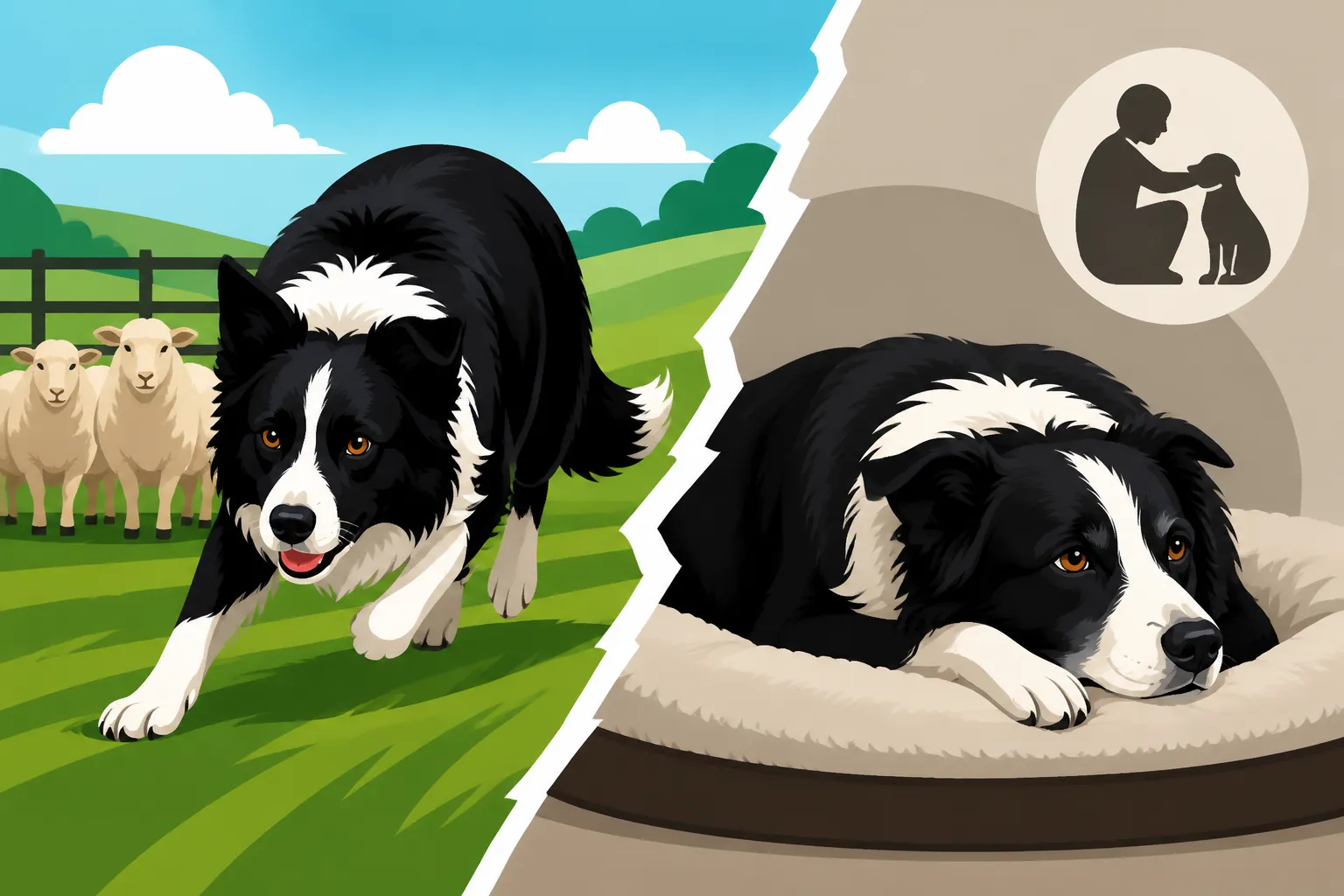
For a breed so defined by its tireless work ethic and intense focus, a loss of drive can be a clear indicator that their working life is drawing to a close. This can be particularly challenging for owners because it's not a clear physical ailment, but a shift in the dog's spirit. It often requires careful observation and ruling out any physical causes of discomfort or illness. If no medical reason can be found, it might simply be that the dog has "given its all" and is ready for a more relaxed existence. Retiring a Border Collie From Stock Work is a decision that often comes after much deliberation, weighing the dog's happiness against its historical purpose. The most loving thing we can do is respect their readiness to step back and embrace a new chapter of companionship, allowing them to enjoy their later years free from the pressures of performance.
Disclaimer
The information provided in this article is for educational and informational purposes only and does not constitute veterinary advice. Always consult with a qualified veterinarian for any health concerns or before making any decisions about your Border Collie's care or treatment. Individual results may vary.