How Old Hemp’s Style Became the Standard
If you've ever watched a Border Collie work, whether it's on a flock of sheep, a frisbee course, or even just intently "herding" your children into one room, you've witnessed a marvel of canine focus and intelligence. This unique drive and precision aren't just random traits; they stem from a legendary dog whose revolutionary style set the blueprint for the entire breed. This guide dives deep into the story of Old Hemp and how his quiet, powerful presence transformed sheepdog work and established the Border Collie standard we admire today.
The Pre-Hemp Era: A Motley Crew of Herders
Before the Border Collie as we know it took shape, the world of sheepdogs was a far less organized affair. Shepherds had dogs, certainly, but their methods and temperaments varied wildly, often leading to more chaos than control. Understanding this earlier landscape helps us truly appreciate the seismic shift that Old Hemp brought about.
Before the "Border Collie" Name Took Hold
Back in the day, particularly across the rugged and sprawling The Border Country That Produced the Border Collie, the term "collie" was a catch-all for any dog used to gather and control sheep. These dogs were instrumental to a shepherd's livelihood, but their effectiveness was often a roll of the dice. You might have a dog that was fiercely independent, nipping and barking incessantly, driving sheep more through intimidation than skill. Other dogs might be slow and cumbersome, struggling to keep pace with a scattered flock or losing control in challenging terrain. There wasn't a consistent, universally admired "style" of working, and certainly no organized breed with a predictable set of traits.
Imagine a shepherd trying to move a large flock across miles of open moorland with dogs that were essentially glorified barkers and chasers. The constant commotion would stress the sheep, making them more prone to scattering or outright bolting. It was a tough, often frustrating existence for both shepherd and dog, relying heavily on brute force or sheer noise to get the job done. The shepherd's voice would be hoarse from shouting, and the dogs would often burn out quickly or cause more problems than they solved.
The Need for a Better Way
The challenges faced by shepherds with these earlier types of dogs were immense. Livestock were precious, and gentle, efficient handling was paramount to prevent injury, stress, and loss. A dog that continually barked or bit could easily injure a ewe or lamb, especially during lambing season, leading to significant financial losses. Furthermore, noisy, over-excitable dogs were difficult to control at a distance, requiring the shepherd to be constantly on top of them, rather than directing them with subtle commands.
What shepherds desperately needed was a dog that could command respect from the sheep through intelligent presence, rather than aggression or endless noise. They needed a partner capable of precise movements, able to gather and drive a flock quietly, with minimal fuss, even when the sheep were stubborn or flighty. The existing dogs, while often brave and loyal, simply lacked the refined technique and consistent temperament required for truly superior stock work. The inefficiencies of the old ways meant longer, harder days for shepherds and often poorer outcomes for their flocks, highlighting a clear demand for a more sophisticated approach to herding.
Old Hemp's Revolutionary Approach
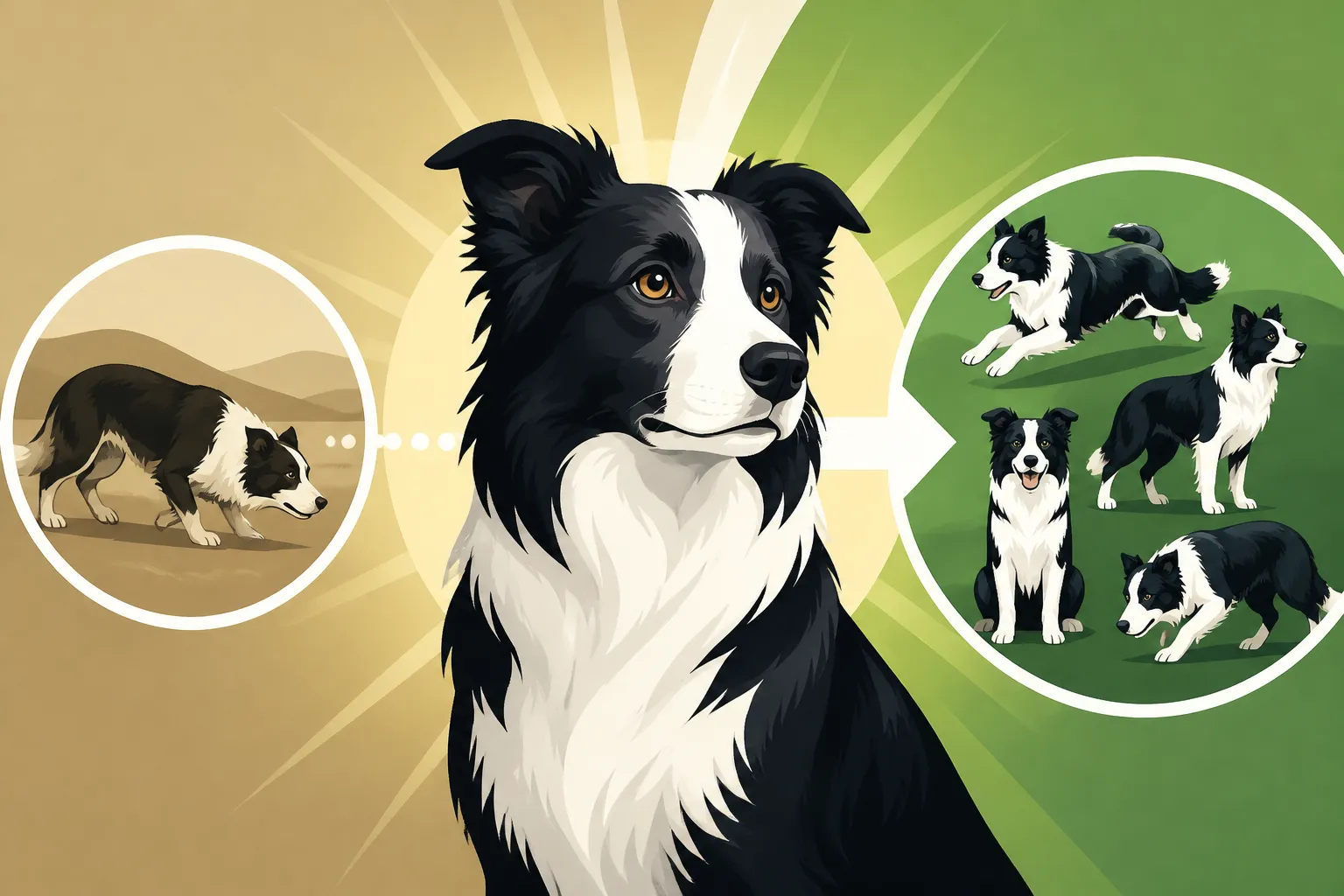
Then, in 1893, a dog was born who would utterly redefine what a sheepdog could be. This was Old Hemp, a quiet, powerful force of nature whose innate genius for herding was so profound it changed the course of canine history. His style was so effective, so revolutionary, that it became the undisputed standard for what we now know as the Border Collie.
Who Was Old Hemp?
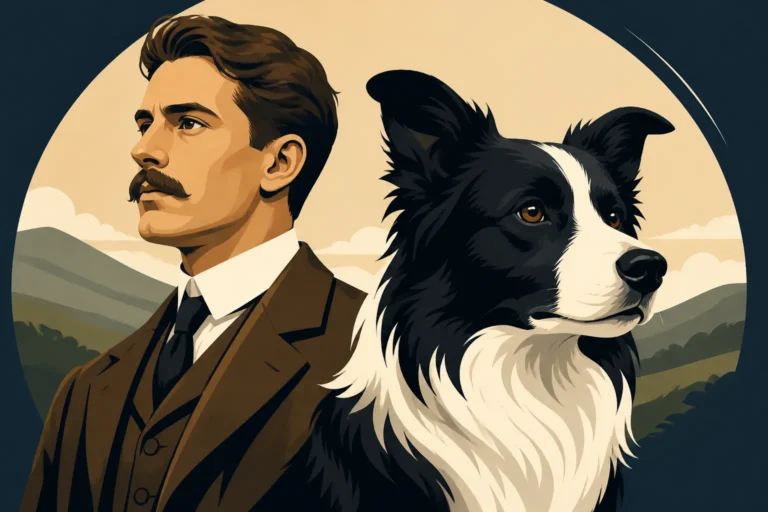
Old Hemp, Born in Northumberland in 1893 to his parents, Roy and Meg, something truly special emerged. Roy was a strong-eyed, rather boisterous dog, known for his keen intensity but also a tendency to be a bit loud. Meg, on the other hand, was a black-coated, rather hard-working dog with very little "eye" at all. Against these contrasting parents, Old Hemp developed a remarkable synthesis of traits that made him stand out from his very first days working sheep. He was neither loud like Roy nor lacking eye like Meg; instead, he possessed an almost magical balance.
Old Hemp was a tricolor dog, and from his early trials on sheep, he displayed an utterly unique and captivating style. He was quiet, almost eerily so, yet incredibly effective. His gaze, often described as intense but not aggressive, held the sheep captive, moving them with a commanding presence that required no barking or biting. Shepherds observed him and were astounded; he moved sheep with an efficiency and calmness they had rarely, if ever, witnessed. This understated yet immensely powerful approach quickly became the talk of the working dog world, marking him as a truly exceptional animal.
The "Eye" and Its Impact
The cornerstone of Old Hemp's revolutionary method was his profound "eye." For a Border Collie, "eye" isn't just about looking at something; it's an intense, focused gaze that exerts control over the stock. It's a non-verbal form of communication, a psychological pressure that sheep understand and respond to. Unlike the older, more confrontational dogs who relied on aggressive barking and nipping to move sheep, Old Hemp used his eye to position himself and subtly shift the flock's direction, keeping them together and moving them with an almost hypnotic calm.
This quiet control had a monumental impact. Sheep moved with less stress, flowing rather than scattering. The shepherd's job became infinitely easier, as Old Hemp responded to subtle commands, translating them into intelligent, nuanced pressure on the flock. This meant less shouting, less physical exertion, and vastly improved efficiency in gathering and driving. The eye allowed for precision; a slight shift in Hemp's body language or intensity of his gaze could alter the sheep's path by mere inches. It wasn't about frightening the sheep into submission; it was about guiding them with an undeniable, intelligent presence that commanded their respect and cooperation. This elegant solution revolutionized herding, transforming it from a battle of wills into a dance of intricate communication.
| Herding Aspect | Pre-Old Hemp Style | Old Hemp's Revolutionary Style |
|---|---|---|
| Primary Control Method | Loud barking, chasing, nipping, physical intimidation | Intense "eye" (stare), body language, quiet presence |
| Sheep Response | Stress, scattering, bolting, fear | Calm movement, cohesion, less resistance, guided |
| Handler's Input | Constant vocal commands, direct intervention | Subtle commands, trust in dog's initiative and "eye" |
| Noise Level | High, often chaotic | Minimal, often silent |
| Efficiency | Variable, often wasteful of energy | High, precise, economical in movement and effort |
| Temperament Display | Aggressive, excitable, high-strung | Calm, focused, composed, intelligent |
Spreading the Standard: From Field to Registry
Old Hemp’s incredible abilities weren't just a fleeting wonder; they became the gold standard, quickly influencing how working sheepdogs were bred, trained, and judged. His legacy was cemented through his prolific progeny and the formalization of sheepdog organizations dedicated to preserving his unique style.
Old Hemp's Progeny and Influence
Old Hemp was, to put it mildly, a highly sought-after sire. His exceptional working qualities meant that shepherds from far and wide wanted his puppies, hoping to replicate his genius in their own kennels. He produced an astonishing number of offspring—The Two Hundred Pups Old Hemp Sired is the widely accepted figure—and critically, his quiet, intense working style proved to be highly heritable. This meant that generation after generation of dogs carried his genetic blueprint, spreading his methods throughout the working sheepdog community.
His children and grandchildren quickly became stars in the burgeoning sheepdog trials. These competitions were designed to test a dog's natural herding ability and trainability under simulated working conditions. Dogs exhibiting Old Hemp's calm control and intelligent "eye" consistently outshone those relying on older, less refined methods. As his progeny dominated these trials, their wins reinforced the desirability of his style, solidifying its place as the benchmark for excellence. Breeders who could trace their lines back to Old Hemp found their dogs in high demand, further embedding his style into the developing Border Collie population.
Formalizing the Breed and Style
The growing popularity and consistent success of dogs working in Old Hemp's style naturally led to a desire for standardization and formal recognition. This need was a primary driver behind the formation of The International Sheep Dog Society, Founded 1906. The ISDS was established precisely to promote and register working sheepdogs, ensuring that their valuable traits were preserved and developed. Its creation was a pivotal moment, providing a framework for what a true working sheepdog should be.
Crucially, the ISDS placed an unwavering emphasis on working ability above all else. Unlike many breed clubs that prioritize physical appearance, the ISDS championed the dog that could do the job effectively and efficiently. And what was that job? It was defined by the quiet, powerful command and intelligent herding exhibited by Old Hemp. So, while the name "Border Collie" was officially coined a little later, the standard of work that defines the breed was already firmly established and embodied by Hemp himself. Why the ISDS Was Founded in 1906 highlights the desperation for a standardized, effective working dog, and Hemp provided that blueprint. The society's early registration practices essentially enshrined Old Hemp's working philosophy as the defining characteristic of the breed.
The Evolution of Trialing
Sheepdog trials evolved significantly from their informal beginnings, becoming highly structured competitions that directly evaluated a dog's adherence to and mastery of the Old Hemp style. These trials weren't just about showing off; they were practical tests designed to mimic the challenging situations a shepherd faces daily. Dogs were judged on their ability to gather sheep from a distance (the "outrun"), move them calmly and precisely (the "lift" and "drive"), and separate specific animals from the flock (the "shed" and "pen"). This entire sequence of tasks, demanding incredible intelligence, patience, and control, perfectly showcased the advantages of Old Hemp's methods.
Judges at these trials were keenly looking for that quiet "eye," the ability to work without excessive barking, and an innate understanding of how to influence sheep with minimal fuss. A dog that rushed, nipped, or panicked the sheep would lose points, regardless of how fast or flashy it might appear. Conversely, a dog that demonstrated calm authority, responsive obedience to its handler's commands, and fluid, efficient movements—all hallmarks of Hemp's lineage—would earn top scores. The Border Collie in Sheepdog Trials became a proving ground where Old Hemp's legacy was continuously celebrated and reinforced, ensuring that his style remained the gold standard for generations of working Border Collies. This sustained focus on working quality is What Separates a Border Collie From Every Other Herder.
Enduring Legacy and Modern Implications
Old Hemp may have been born well over a century ago, but his influence is not a dusty footnote in history. It is a living, breathing part of every Border Collie today, shaping their instincts, intelligence, and the very expectations we have of the breed.
The Border Collie We Know Today
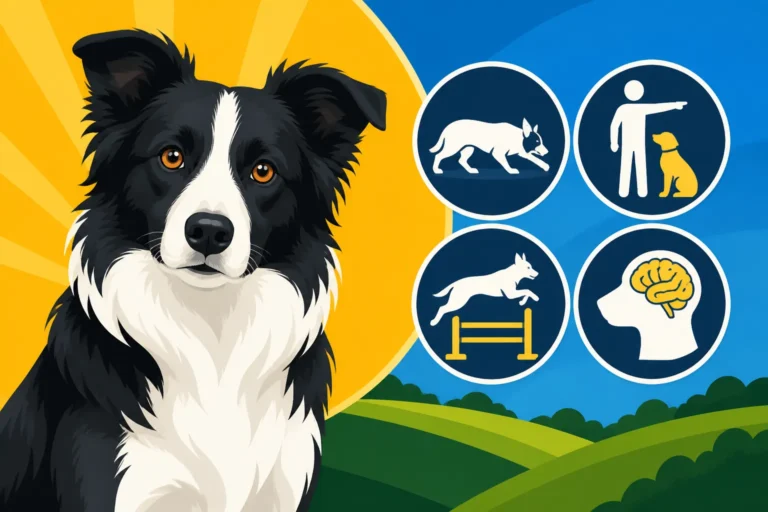
When you look at a Border Collie today, whether it's an elite competitor on the trial field or a beloved family pet, you are seeing the enduring legacy of Old Hemp. That intense, piercing stare that seems to "read" your every intention? That's the "eye" he popularized, an instinctual tool for control. The boundless energy and almost obsessive desire to work or gather things? That's the powerful drive that, when channeled correctly, made him such an effective herder. Even in modern obedience or agility sports, the Border Collie's uncanny ability to anticipate commands and perform with precision harks back to the intelligence and focus Old Hemp brought to his work.
This inherited trait means that even a pet Border Collie, living far from sheep, often exhibits a strong compulsion to herd. They might gather children, chase shadows, or even try to "put away" other pets. This inherent wiring, while sometimes challenging in a non-working home, is a direct link to their illustrious ancestor. Their incredible intelligence, so often lauded—Why the Border Collie Is Called the Smartest Breed—is inextricably tied to the sophisticated problem-solving required to master Old Hemp's quiet, strategic herding. It's truly amazing to think that one dog's unique gifts could ripple through so many generations. What a Border Collie Does With Its Whole Day is often driven by these very instincts.
Maintaining the Working Standard
For serious breeders of working Border Collies, the goal remains the same: to produce dogs that embody Old Hemp's ideal. They meticulously research pedigrees, focusing on proven working lines and dogs that consistently demonstrate the desired temperament and herding style. They understand that while a dog's appearance might be pleasing, it's the underlying working instinct and biddability that truly define the breed's purpose and identity. This dedication ensures that the qualities Old Hemp introduced continue to be passed down, preserving the authentic working heritage.
For us, as owners or enthusiasts, understanding this history is crucial. It helps us appreciate why our Border Collies are the way they are—intensely intelligent, driven, and often needing a "job" to be truly content. Providing them with outlets for their mental and physical energy, whether through structured training, dog sports, or even simply engaging puzzle toys, helps satisfy these deeply ingrained instincts. You can find excellent gear for these active, intelligent dogs on sites like Chewy, from durable toys that stand up to their vigor to high-quality food that fuels their energy. Exploring their working lineage, and perhaps even wondering Whether Every Border Collie Traces to Old Hemp, gives us a deeper connection to these incredible animals and the shepherd's faithful companion who started it all. Ensuring they have appropriate enrichment, perhaps sourced from reliable pet suppliers like Chewy, is vital for their well-being, acknowledging their heritage that Old Hemp so profoundly shaped.
Disclaimer
This article is for general informational purposes only and does not constitute professional advice. Laws, prices and regulations vary by location and change over time. Consult a qualified professional for guidance on your specific situation.