The Almond Eye a Border Collie Standard Calls For
If you're anything like me, you've probably spent countless hours gazing into the soulful, intense eyes of a Border Collie. There's just something captivating about them, isn't there? But beyond their mesmerizing beauty, a Border Collie's eyes are a key part of what makes them such incredible working dogs, and understanding the breed standard, particularly the call for an "almond eye," helps us appreciate their unique form and function. This guide will dive deep into what that specific eye shape truly entails, why it matters, and what it tells us about these remarkable canines.
Understanding the Border Collie Eye: Beyond Just Color
The eyes of a Border Collie are so much more than just a window to their soul; they are a vital tool for their work, a testament to their heritage, and a defining characteristic of the breed. When we talk about the "almond eye," we're not just discussing a pretty feature. We're talking about an evolutionary advantage, honed over generations, that allows these dogs to perform their demanding tasks with unparalleled precision.
What "Almond-Shaped" Truly Means
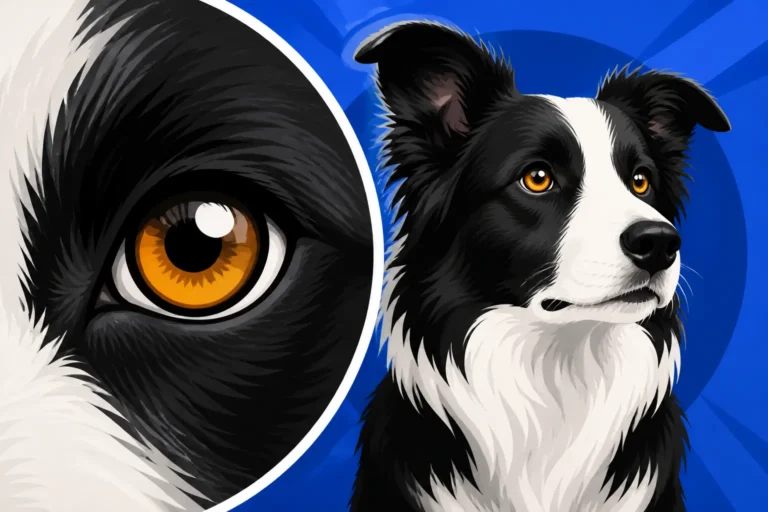
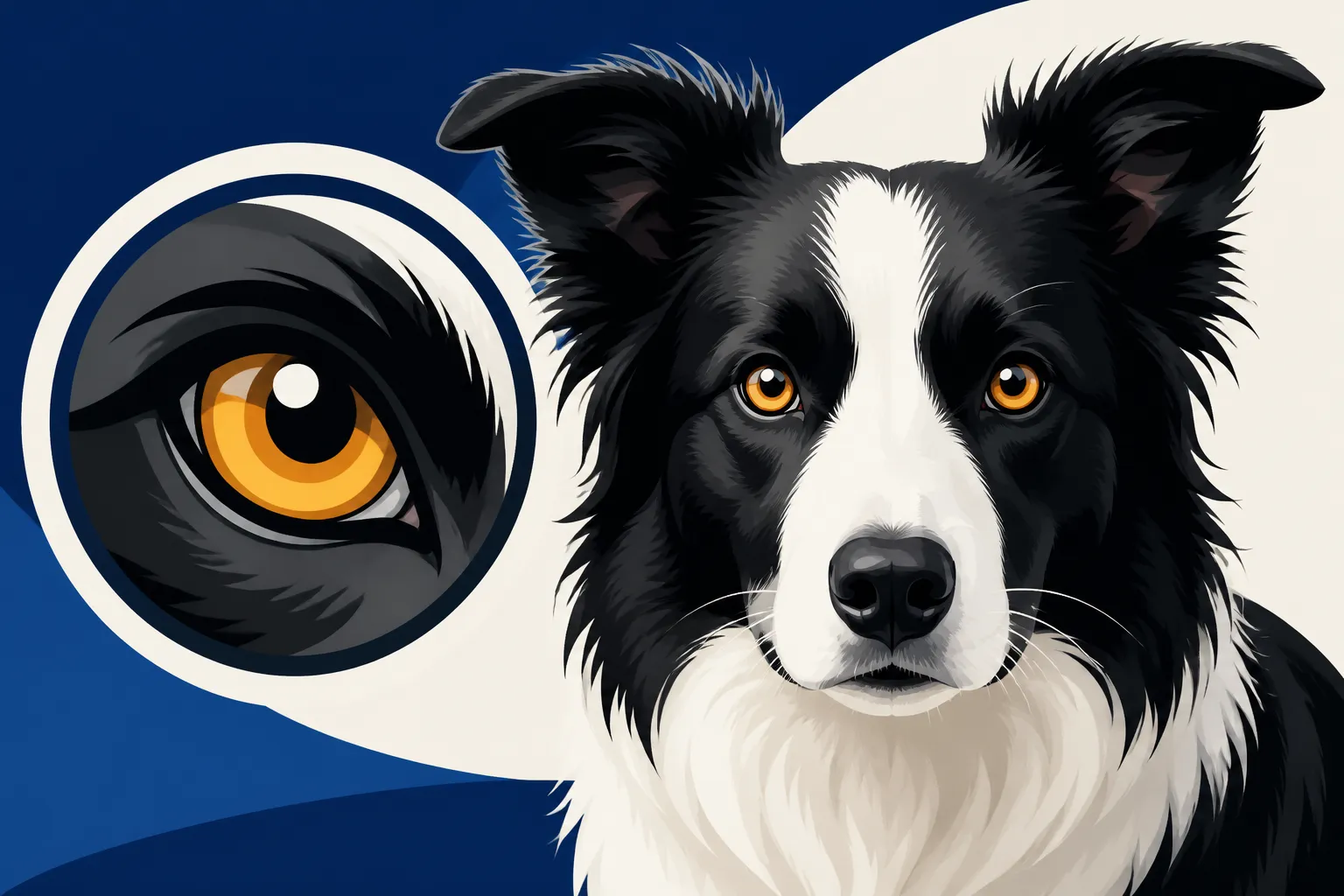
Imagine the ideal Border Collie eye. It’s not perfectly round, like a cartoon dog, nor is it overly narrow or squinty. Instead, it possesses a gentle, oval curve, reminiscent of an almond nut. This shape is crucial for several reasons. Firstly, it contributes to the classic Border Collie expression – intelligent, alert, and capable of intense focus without appearing surprised or fearful. A rounder eye can sometimes give a dog a more benign or even startled look, which simply isn't what you see in a top-tier working Border Collie.
Beyond aesthetics, the almond shape plays a significant role in how the dog perceives its environment. It allows for a broad field of vision, essential for monitoring a flock of sheep or tracking a quickly moving object in an agility course. The slight narrowing at the corners protects the eye somewhat from dust, debris, and bright sunlight encountered during long days out in the field. It’s a design that speaks to both beauty and immense practicality, a perfect blend for a dog whose existence revolves around demanding physical and mental work.
The Placement and Size of the Eye
It’s not just the shape, but also where those beautiful almond eyes are placed on the skull, and their size relative to the rest of the head, that completes the picture. A Border Collie's eyes should be set moderately wide apart, not too close together like some toy breeds, nor so far apart that they diminish the dog's ability to focus forward. This moderate spacing allows for excellent binocular vision, which is critical for judging distances, a skill invaluable when maneuvering around sheep or navigating complex obstacle courses.
The eyes should also be set neither too deep within the skull nor too prominently bulging. Eyes that are too deep can restrict peripheral vision, making it harder for a dog to track movement without turning its entire head. Conversely, eyes that protrude too much are more susceptible to injury and can give a softer, less intense expression. The ideal is a harmonious balance, where the eyes are well-seated, contributing to the dog's keen, intelligent gaze. Proportionally, the eyes should be of medium size, fitting well within the head without dominating or getting lost in the facial structure. This thoughtful placement ensures maximum efficiency and protection, a testament to generations of selective breeding for functionality.
Color, Expression, and the Working Dog
While the almond shape is paramount, eye color also contributes significantly to the overall impression and intensity of a Border Collie’s gaze. It’s a fascinating aspect of their genetics, and it ties directly into their renowned working ability.
Acceptable Eye Colors and Merle Variation
The breed standard typically calls for dark brown eyes, a rich, deep hue that conveys depth and sincerity. This dark pigmentation offers a practical advantage by reducing glare in bright conditions, much like natural sunglasses. However, Border Collies exhibit a wider range of eye colors, especially those with merle coats. In merle-patterned dogs, you might see striking blue eyes, or even heterochromia – where one eye is blue and the other is brown, or an eye can be flecked with both colors. While a fully blue eye in a non-merle Border Collie might be considered less typical for the standard, in a merle, it’s a perfectly acceptable and often admired characteristic.
The genetics behind these color variations are complex, but generally, the merle gene affects pigmentation in various ways, including the eyes. It's important to remember that eye color, while adding to the dog's unique look, doesn't inherently impact the dog's vision or working ability, as long as the eye itself is healthy. For more on these stunning patterns, you can check out Merle Border Collies and What It Means. Regardless of color, the underlying health and function of the eye are always the most critical factors.
The Intensity of the "Border Collie Eye"
This is where the magic truly happens! The almond shape, combined with the ideal placement and a piercing gaze, culminates in what we famously call the "Border Collie Eye." This isn't just a casual glance; it's an intense, focused stare that is the primary tool a Border Collie uses to control livestock. It's a non-verbal command, a powerful psychological presence that can influence the movement of sheep from a distance. You'll see them drop into a low crouch, eyes locked onto the sheep, radiating an almost hypnotic focus.
This ability to "eye" the flock is what sets Border Collies apart from many other herding breeds. It’s not about barking or nipping initially; it's about subtle pressure and an unwavering gaze that tells the sheep exactly who is in charge. A dog with a strong "eye" can hold a flock together, turn them, or drive them with minimal physical intervention. This intensity is directly facilitated by the almond shape, which allows for sustained, unwavering focus without straining the eye or giving away unwanted emotions. It's a profound connection between physical form and behavioral function. If you've ever watched a Border Collie work, you know exactly what I mean by that almost electric gaze. Learn more about its origins in The Border Collie Stare and Where It Comes From.
When "Almond" Isn't Quite Right: Potential Issues and Deviations
While the almond eye is the ideal, sometimes Border Collies can have eyes that deviate from this standard. Most of these variations are merely cosmetic and don't impact the dog's health or ability to live a full, happy life. However, some deviations can be indicative of underlying health concerns.
Common Eye Shape Deviations and Their Implications
Sometimes, you might encounter a Border Collie with eyes that are noticeably rounder, often referred to as "goggle eyes." While charming in their own way, these eyes can give the dog a softer, less intense expression that deviates from the classic Border Collie look. Functionally, a rounder eye might be slightly more exposed to the elements or minor trauma. Another less common deviation is eyes that are too small, a condition known as microphthalmia. This is typically a more serious concern as it can be linked to genetic issues and may impact vision. Breeders are very careful to select against dogs that show significant deviations from the desired eye shape, prioritizing both the breed's aesthetic and functional integrity. Responsible breeding aims to produce dogs that not only look the part but are also physically sound for the work they were bred to do.
It’s worth noting that while show standards might penalize these deviations, a pet Border Collie with slightly rounder eyes can still be a wonderful, intelligent companion. The key is health and overall well-being, not just perfect conformity to a visual ideal.
Health Considerations Beyond Shape and Color
It’s crucial to understand that even a perfectly almond-shaped, dark brown eye can harbor underlying health issues. The breed is known for certain genetic eye conditions that can affect vision and overall health. For instance, Collie Eye Anomaly in a Border Collie Puppy is a congenital condition that can range from mild choroidal hypoplasia (a thinning of certain eye tissues) to more severe colobomas or retinal detachment, impacting a dog's eyesight. This is why responsible breeders routinely have their puppies' eyes checked by a veterinary ophthalmologist at around six weeks old, a process often referred to as an "eye exam." For more on that, you can check out The Eye Exam a Border Collie Puppy Gets at Six Weeks.
Another concern, particularly in older Border Collies, is Progressive Retinal Atrophy in an Older Border Collie, which is a group of degenerative diseases that cause the retina to slowly deteriorate, leading to eventual blindness. While not directly related to eye shape or color, these conditions underscore the importance of genetic testing and regular veterinary check-ups throughout a Border Collie's life. A beautiful eye means little if it's not healthy and functional. When purchasing from a breeder, always ask about health clearances, including recent eye exams and genetic test results. Companies like Chewy often provide educational resources on these common breed-specific health issues, helping owners stay informed.
Practical Tips for Owners: Appreciating and Caring for Border Collie Eyes
As Border Collie owners, we're not just admiring their eyes for their beauty; we're also responsible for their care and understanding what they communicate. Their eyes are powerful tools, and keeping them healthy and recognizing their subtle cues is part of building that strong bond.
Observing Your Border Collie's Eye Health
Just like us, our Border Collies need their eyes to be healthy and free from irritation. Regular at-home checks are simple but incredibly important. Take a moment each day, perhaps during a cuddle or grooming session, to gently examine their eyes. They should be clear, bright, and free of excessive discharge. A little bit of sleep crust in the morning is normal, but persistent redness, cloudiness, yellow or green discharge, squinting, or pawing at the eye are all signs that something might be amiss.
Look closely at the whites of their eyes – they should be white, not yellow or overly red. Their eyelids should sit snugly against the eyeball, and the eyelashes shouldn't be rubbing against the surface of the eye. If you notice any changes or have concerns, don't hesitate to reach out to your veterinarian. Early detection of issues like conjunctivitis, foreign bodies, or more serious conditions can make a huge difference in treatment and prognosis. After a day out in the field or woods, it’s especially wise to check for any grass seeds or irritants that might have gotten trapped. Many pet supply stores, including Chewy, offer gentle canine eye washes that can be useful for flushing out minor irritants, but always consult your vet if symptoms persist.
How the Eye Reflects Temperament and Work Ethic
The Border Collie's eye is a profound indicator of their temperament and, for working lines, their herding instinct. That intense, unwavering gaze isn't just for sheep; it's a window into their deeply intelligent and often driven nature. A dog with a strong, confident "eye" tends to be focused, determined, and highly trainable. They process information rapidly, and their eyes often reflect that constant mental engagement.
You'll notice how their gaze shifts and locks on to whatever has their attention, whether it's a moving toy, a person, or the subtle hand signals you're giving during a training session. Understanding What a Border Collie Reads in a Handler's Body often starts with observing their intense visual focus on you. This keen observational skill is part of what makes them so responsive to even the smallest cues. Conversely, an eye that seems dull, unfocused, or excessively darting could sometimes indicate underlying anxiety, lack of stimulation, or even a health issue affecting their vision. By paying attention to the nuances of your Border Collie's gaze, you can gain deeper insights into their mental state and connect with them on a more profound level. It truly is one of their most remarkable traits.
Conclusion
The Border Collie's almond-shaped eye is a marvel of form and function. It's not merely a physical attribute defined by a breed standard, but a vital component that underpins their intelligence, their intense herding instinct, and their ability to connect with us. From its protective shape and strategic placement to its role in conveying the famous "eye" that commands livestock, every aspect of the Border Collie's gaze speaks to their heritage as dedicated working dogs. As owners, appreciating and diligently caring for these extraordinary eyes allows us to honor their legacy and ensure our companions live full, healthy, and expressive lives.
Disclaimer
This article is for general informational purposes only and does not constitute professional advice. Laws, prices and regulations vary by location and change over time. Consult a qualified professional for guidance on your specific situation.