Toe and Pad Injuries on a Working Border Collie
It’s a heart-stopping moment for any Border Collie owner: you’re out on the field, or maybe just after a vigorous game of fetch, and your dog suddenly pulls up lame, favoring a paw, or worse, leaving a tell-tale smear of blood on the ground. For these incredible working dogs, whose lives revolve around speed, agility, and relentless activity, toe and pad injuries are not just an inconvenience; they're a painful roadblock that can seriously impact their ability to do what they love. This comprehensive guide will walk you through the nitty-gritty of these common injuries, from identifying the subtle signs to navigating veterinary care and, most importantly, putting effective prevention strategies in place to keep your athletic companion sound and happy.
Understanding Common Toe and Pad Injuries in Working Border Collies
The feet of a Border Collie are truly wonders of natural engineering, built for grip, speed, and endurance over varied terrains. However, this very functionality puts them at high risk for injury. When you ask so much of those paws, even minor mishaps can lead to significant problems.
Abrasions, Cuts, and Punctures
These are perhaps the most immediately noticeable and often the most common types of injuries. Think about the sheer variety of surfaces a working Border Collie encounters: rocky pastures, rough stubble fields, hot asphalt, broken glass in urban parks, or even ice-covered ground. It’s a minefield for their sensitive paw pads.
- Abrasions occur when the pads rub against rough surfaces, essentially like a friction burn. This is particularly common if a dog has recently been working on stubble fields or gravel without properly conditioned pads. Imagine your own feet after walking barefoot on a rough track – that’s what your dog might be feeling. These can range from superficial scrapes to deep raw areas that are incredibly painful and prone to infection. The constant pressure and movement during work can exacerbate these injuries, making it difficult for them to heal quickly.
- Cuts can happen from anything sharp, from errant shards of glass or metal to sharp rocks hidden in tall grass. Even dried thistle stalks or stiff plant material can slice through a pad or into the delicate skin between toes. These cuts can be shallow, bleeding a little, or deep enough to expose underlying tissue, tendons, or even bone. A deep cut can become infected very quickly, especially with dirt and bacteria from the environment.
- Punctures are insidious because the entry wound might be tiny, but the foreign object – a thorn, a nail, a sharp stick, or a piece of wire – can penetrate deeply, causing internal damage and carrying bacteria deep into the paw. Often, the object breaks off, leaving a festering wound that's hard to find and even harder to clean. These injuries are notoriously painful and can lead to abscesses if not addressed swiftly. Owners often don't realize the severity until a significant limp develops or pus starts to drain. Owners should be particularly vigilant after their dog has been working or playing in areas prone to debris.
Sprains, Strains, and Fractures of Toes
While the pads protect the underside, the toes themselves are vulnerable. Each toe is a complex structure of small bones, ligaments, and tendons, all working in concert for balance and propulsion. High-energy activities can easily lead to trauma.
- Sprains and Strains happen when ligaments (which connect bones) or tendons (which connect muscles to bones) are overstretched or torn. For a Border Collie, constantly changing direction at high speed, launching themselves over obstacles in agility, or pivoting sharply while herding can put immense stress on these delicate structures. A sprained toe might make your dog hobble, reluctant to put full weight on the foot. The pain can range from a mild ache to severe, making any movement excruciating. These injuries often occur in the interphalangeal joints, which are the small joints within the toes.
- Fractures of the toe bones, though less common than pad injuries, are far more serious. These usually result from direct trauma, like stepping awkwardly into a hole at full speed, getting a paw caught, or being struck by something heavy. The small bones (phalanges) in the toes can crack or break completely. A fracture will almost always cause immediate, severe lameness, swelling, and intense pain. Sometimes, the fracture can be an "avulsion fracture," where a small piece of bone is pulled away by a ligament or tendon. These types of injuries require prompt veterinary attention, often involving X-rays to confirm and determine the best course of action. If not treated properly, a fractured toe can lead to chronic lameness or arthritis.
Interdigital Cysts and Infections
The spaces between your Border Collie's toes are prime real estate for problems, especially for a breed that's often in damp or dirty conditions.
- Interdigital Cysts (also known as interdigital furunculosis or pododermatitis) are essentially deep bacterial infections that manifest as painful, often pus-filled lesions between the toes. They commonly occur when short, stiff hairs are forced back into the hair follicle, causing inflammation and creating a pathway for bacteria, often Staphylococcus, to enter. Moisture, allergens, or even parasites can contribute to their formation. For a working Border Collie, constant exposure to damp grass, mud, or dusty environments can irritate these areas, making them more susceptible. The cysts are often red, swollen, and can rupture, releasing blood and pus. They are very painful and can cause significant lameness.
- Infections in general can arise from any open wound, whether it's a small cut, an abrasion, or a puncture. Bacteria from the environment, once they gain entry, can quickly multiply, leading to redness, swelling, heat, pain, and sometimes discharge. Foreign bodies like Grass Seeds in a Border Collie's Feet can also burrow into the skin and trigger severe localized infections. These infections, if left untreated, can spread deeper into the paw, affect tendons or bone, and in severe cases, lead to systemic illness. It’s crucial to keep any paw injury clean and monitor it for signs of infection, as even a minor wound can become a big problem.
Identifying the Causes and Risk Factors
Understanding why these injuries happen is the first step in preventing them. For a Border Collie, whose life is often a whirlwind of activity, the risks are inherent in their very nature and environment.
Terrain and Environmental Hazards
The very environments Border Collies are bred to work in often present the greatest dangers to their feet.
- Rough and Uneven Ground: Herding sheep often means navigating rocky hillsides, stubble fields after harvest, or uneven pastureland. These surfaces are unforgiving. Sharp stones, thorns, and dry, brittle plant stalks can easily cut, puncture, or abrade pads. Working on hard, unforgiving surfaces like concrete or asphalt for extended periods can also cause excessive wear and tear on the pads, leading to cracking and soreness. Even seemingly benign environments, like a sandy beach, can become problematic if the sand is coarse and abrasive, especially if a dog is running at top speed.
- Extreme Temperatures: Hot pavement in summer can cause severe burns to paw pads, leading to painful blisters and tissue damage. Just imagine walking barefoot on black asphalt in July – if it's too hot for your hand for five seconds, it's too hot for their paws. Conversely, icy conditions and snow in winter bring their own set of challenges. Ice Balls in a Border Collie's Feathered Feet can form between the toes, causing discomfort and potentially frostbite, while de-icing chemicals and salt can irritate and burn the pads. Even wet, cold conditions can soften the pads, making them more vulnerable to injury.
- Hidden Dangers: Fields and trails can conceal all sorts of hazards. Discarded glass, metal scraps, sharp pieces of wood, or even toxic plants can all pose a threat. Dogs, with their lower vantage point and inquisitive nature, are more likely to step on or brush against these dangers. Even a seemingly clear path can hold surprises, emphasizing the need for vigilance when working or exercising your Border Collie outdoors.
High-Impact Activities and Workload
The Border Collie's incredible drive and athleticism, while impressive, put tremendous strain on their musculoskeletal system, especially their feet.
- Sudden Stops, Starts, and Turns: Whether they are rounding up a flock of sheep, weaving through an agility course, or chasing a disc in a park, Border Collies execute rapid, powerful movements. These actions place immense rotational and shearing forces on their toes and paw pads. A sudden stop can jam a toe, leading to a sprain or even a fracture. Quick turns can cause the pads to twist or drag, resulting in abrasions or tears. This constant high-impact work is a significant contributor to Sport Injuries a Border Collie Picks Up, with the feet often bearing the brunt.
- Overuse and Fatigue: A tired dog is more prone to injury. When a Border Collie works for extended periods without adequate rest, their muscles and supporting structures become fatigued, reducing their ability to protect themselves from impact. This can lead to improper foot placement, increasing the risk of twisting or landing awkwardly. The repetitive strain from constant running, jumping, and pivoting can also lead to cumulative trauma, manifesting as chronic soreness or conditions like tendonitis in the toes. Owners need to be mindful of their dog's endurance and ensure sufficient recovery time, especially after intense sessions.
- Inadequate Conditioning: Just like human athletes, Border Collies need proper conditioning to withstand the demands of their work. A dog that is suddenly introduced to intense activity without a gradual build-up of fitness and pad toughness is at a higher risk of injury. Pads need time to toughen up, and the small muscles and ligaments in the feet need to strengthen. Impact Work Before a Border Collie Turns Two should be limited to allow growth plates to close and joints to fully mature, but even adult dogs require a sensible conditioning program to keep their feet resilient.
Recognizing the Signs of Injury
Your Border Collie is an expert at masking pain, especially when they're in their element. They often have such a strong drive to work or play that they will push through discomfort until they simply can't anymore. Learning to read their body language and understanding subtle cues is vital for early intervention.
Visible Symptoms and Physical Changes
These are the most direct indicators that something is amiss with your dog's paws. A thorough visual inspection should be a regular part of your routine.
- Lameness or Limping: This is often the first and most obvious sign. It can range from a slight favor of one paw, especially after activity, to a complete refusal to bear weight. You might notice them "toe-touching" rather than putting their full paw down, or an altered gait when they move. Sometimes, the limp might only appear after a period of rest and then improve as they warm up, or conversely, it might worsen with continued activity. Paying attention to The Limp That Shows Up After a Border Collie Works is critical, as it often points to a specific injury that becomes apparent under strain. Observe which leg they are favoring and try to identify if the pain is in the paw itself or higher up the leg.
- Swelling, Redness, and Heat: Inflammation is a natural response to injury. Swelling in the paw or between the toes, accompanied by redness and warmth to the touch, strongly suggests an underlying issue. A normal paw should be cool and dry. If one paw feels significantly warmer or looks noticeably larger than the others, it warrants a closer look. These symptoms can indicate anything from a minor bruise to a deep infection or fracture.
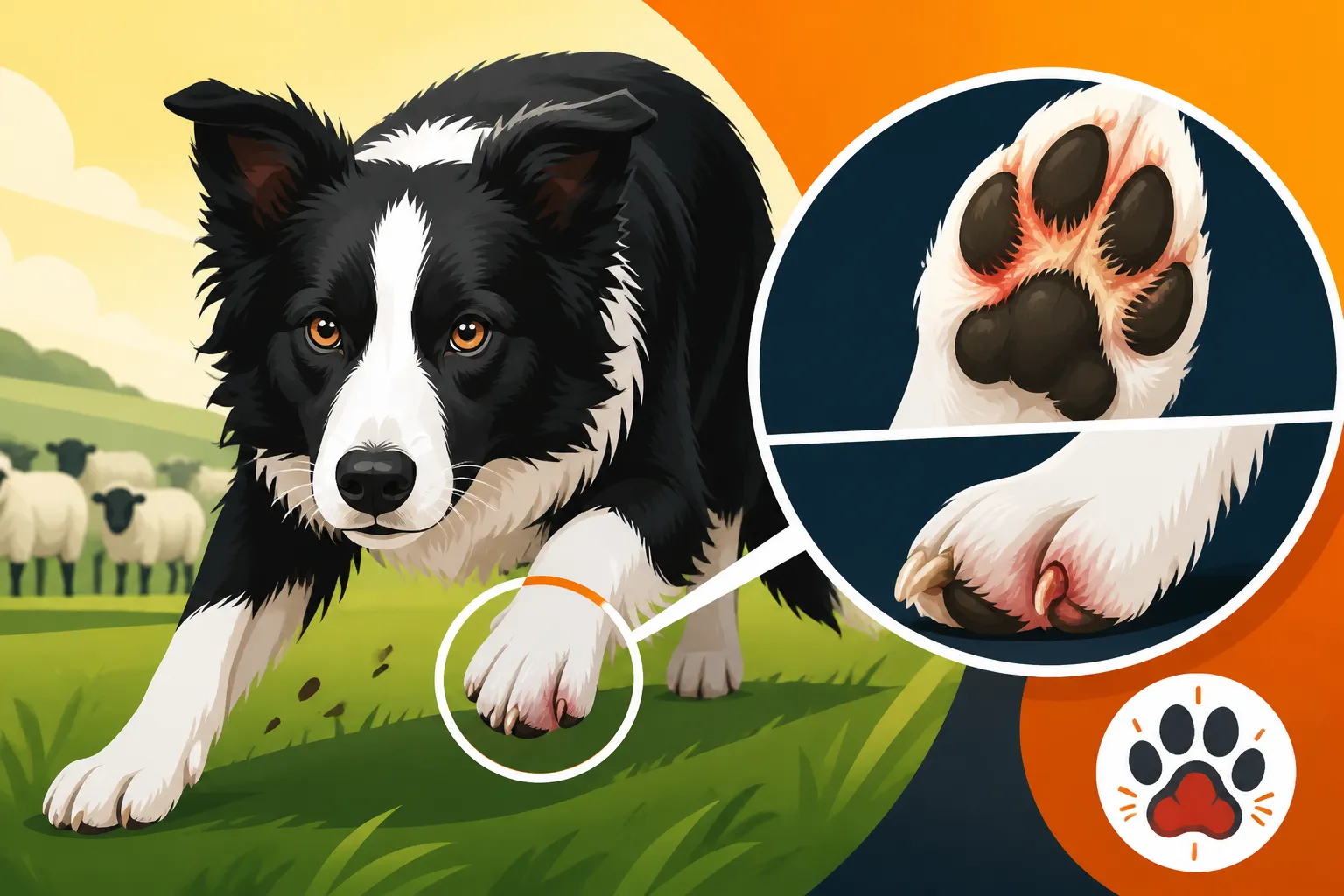
- Bleeding, Discharge, or Missing Nails: Any blood coming from the paw is an immediate red flag. It could be from a cut, a torn nail, or a deeper puncture. Discharge, which can be clear fluid, pus, or even a foul-smelling substance, indicates an infection. Missing or broken nails are also common injuries, particularly if they get snagged on something during a quick turn or jump. A torn nail can be extremely painful, sometimes bleeding profusely, and can expose the sensitive quick.
Behavioral Indicators and Performance Changes
Beyond the physical signs, your Border Collie's behavior will often tell you a lot about their comfort level.
- Excessive Licking or Chewing of the Paw: Dogs instinctively lick their wounds, but persistent, obsessive licking or chewing of a particular paw or specific toe is a clear sign of pain, irritation, or itching. This behavior can sometimes be subtle, done when they think you’re not looking, or it can be constant. Over time, excessive licking can lead to secondary skin infections or "hot spots" due to the constant moisture and trauma to the skin. This isn't just a bad habit; it's a cry for help.
- Reluctance to Bear Weight or Move: A dog with paw pain will often try to alleviate pressure on the affected limb. This might manifest as reluctance to stand, jump, or even walk as much as usual. You might notice them shifting their weight, sitting down more frequently, or being hesitant to engage in their usual energetic activities. For a Border Collie, known for their relentless drive, a sudden lack of enthusiasm for work or play is a significant indicator that they are not feeling well. It's often the first subtle hint that something is wrong, long before a visible limp.
- Sensitivity or Aggression When Touched: If your normally tolerant Border Collie snaps, whines, or pulls their paw away when you try to examine their foot, it's a strong indication of pain. Even a gentle touch can be excruciating. This reaction is not aggression out of malice but out of fear and protective instinct. Always approach a potentially injured paw gently, and stop immediately if your dog shows signs of distress. It's important to remember that Signs an Old Border Collie Is in Pain might be more subtle, as older dogs tend to hide their discomfort more, making regular, gentle checks even more important.
Immediate First Aid and At-Home Care
When you spot a paw injury, your immediate actions can significantly influence the outcome, reducing pain, preventing infection, and minimizing further damage until you can get professional veterinary help.
Initial Assessment and Cleaning
The first step is always to safely assess the situation. Your dog is likely in pain and might be anxious, so approach calmly and reassuringly.
- Secure Your Dog: Even the gentlest Border Collie can snap or bite when in pain. If possible, have someone help you hold your dog, or consider a muzzle if they are particularly distressed and you need to examine the paw. Your safety comes first. Gently lay them down or have them sit comfortably to minimize weight on the injured paw.
- Thorough Visual Inspection: Carefully lift the paw and examine all surfaces: the tops of the toes, the pads themselves, and especially the spaces between the toes. Look for cuts, punctures, foreign objects (like thorns or glass), swelling, redness, blisters, or discharge. Check all nails, including the dewclaws, for tears or breaks. If there’s an object deeply embedded, like a large piece of glass or a stick, do not try to remove it yourself as you could cause more damage or severe bleeding.
- Gentle Cleaning and Bleeding Control: For minor cuts or abrasions, gently clean the wound with mild soap and warm water, or an antiseptic solution like diluted povidone-iodine (Betadine) or chlorhexidine (Nolvasan), often available at pet stores or farm supply shops. Rinse thoroughly. If there’s bleeding, apply direct pressure with a clean cloth or sterile gauze for several minutes. Most minor bleeding will stop with sustained pressure. If it's heavy or spurting, this is an emergency, and you need to get to a vet immediately.
Protection and Rest
Once the initial assessment and cleaning are done, protecting the paw and ensuring rest are paramount.
- Bandaging for Protection: After cleaning and stopping any bleeding, you might want to apply a light bandage for protection, especially if you're traveling to the vet or if the wound is prone to getting dirty. Use a non-stick pad directly over the wound, then wrap with sterile gauze, and finally, secure it with self-adhesive veterinary wrap (like Vetrap). Ensure the bandage is snug enough to stay on but not so tight that it cuts off circulation – you should be able to slip two fingers comfortably under the top edge. Change the bandage daily, or sooner if it gets wet or dirty, and always re-evaluate the wound. If you’re unsure how to bandage correctly, ask your vet for a demonstration.
- Rest and Restricted Activity: This is perhaps the most crucial part of at-home care. A working Border Collie needs to be convinced to rest, which can be a monumental task! Confine them to a crate or a small, quiet room to prevent them from putting weight on the injured paw or licking the wound excessively. Leash walks for bathroom breaks only are essential. Too much movement will hinder healing and could worsen the injury. This can be frustrating for a high-drive dog and their owner, but it's non-negotiable for proper recovery.
- Paw Protection Indoors and Out: For protecting the paw at home, especially from licking, an Elizabethan collar (E-collar or "cone of shame") is often necessary. They hate it, but it's effective. For outdoor potty breaks, especially in wet or dirty conditions, consider a dog boot. While Whether Boots Work on a Border Collie depends on the individual dog and the specific injury, they can offer temporary protection against moisture and debris, allowing the paw to stay clean and dry. Just ensure the boot isn't too tight and allows for air circulation.
Veterinary Diagnosis and Treatment Options
While immediate first aid can help, many toe and pad injuries, especially in active Border Collies, require professional veterinary intervention. Don't hesitate to seek expert advice; what seems minor can quickly escalate.
Diagnostic Procedures
When you arrive at the vet, they will conduct a thorough examination to pinpoint the exact nature and extent of the injury.
- Comprehensive Physical Examination: Your veterinarian will start with a general physical exam, observing your Border Collie's gait and how they bear weight. They will then meticulously examine the injured paw, gently palpating each toe, joint, and pad, looking for swelling, heat, pain, instability, or foreign objects. This might be uncomfortable for your dog, and some vets may opt for mild sedation to get a complete and accurate assessment, especially if the dog is very painful or uncooperative. The vet will also check the other paws, as sometimes compensatory lameness can occur.
- Radiographs (X-rays): If a fracture, dislocation, or deep foreign object is suspected, X-rays are indispensable. Small bones in the toes can be tricky to visualize, so multiple angles might be needed. X-rays can confirm fractures, assess joint integrity, and sometimes even reveal the presence of metallic or dense foreign bodies. For chronic issues, X-rays might also show signs of osteoarthritis or bone changes. This diagnostic step is crucial for accurate treatment planning, as what might feel like a sprain could actually be a subtle fracture.
- Advanced Imaging and Lab Tests: In more complex cases, especially if nerve damage or soft tissue injuries are suspected, advanced imaging like ultrasound or even an MRI might be recommended. These are less common for simple toe injuries but can be vital for deep-seated or undiagnosed problems. If infection is suspected, the vet might take a swab for bacterial culture and sensitivity testing to determine the most effective antibiotic. Blood tests might also be performed to check for systemic inflammation or underlying conditions.
Medical and Surgical Interventions
Treatment varies widely depending on the type and severity of the injury. Your vet will outline the best course of action.
- Wound Care and Medications: For cuts, punctures, or abrasions, the vet will thoroughly clean and debride the wound (remove damaged tissue). Deeper wounds might require sutures or surgical glue. Antibiotics, both oral and topical, are often prescribed to prevent or treat infection. Pain relief and anti-inflammatory medications (like NSAIDs) are almost always given to manage discomfort and reduce swelling. This helps your dog feel more comfortable and encourages them to rest. It’s important to follow the medication schedule precisely, even if your dog seems to be improving.
- Fracture Management: A fractured toe can be challenging due to its small size and constant movement. Treatment often involves immobilization with a splint or cast. In some cases, particularly for complex or unstable fractures, surgical intervention might be necessary to realign the bones and stabilize them with pins, wires, or plates. This is a specialized procedure often performed by an orthopedic veterinary surgeon. While less common for toes, the costs for such orthopedic repairs can be significant, highlighting why many responsible owners consider pet insurance. A good policy, perhaps from a provider like Healthy Paws, can offer peace of mind when facing unexpected surgical expenses.
- Addressing Interdigital Cysts: Treatment for interdigital cysts often involves a multi-pronged approach. This typically includes a course of oral antibiotics, anti-inflammatory drugs, and sometimes medicated paw soaks. Long-term management might require identifying and treating underlying causes, such as allergies or specific hair follicle issues. In some chronic, non-responsive cases, surgical removal of the cyst or even laser therapy might be considered to prevent recurrence.
Rehabilitation and Recovery
Healing isn't just about the initial treatment; it's about a structured recovery process to ensure full function returns.
- Strict Rest and Gradual Return to Activity: This is crucial. Your vet will likely prescribe a period of strict rest, often involving crate confinement, to allow tissues to heal without disruption. Following this, a very gradual, controlled return to activity will be advised. This means short, leashed walks initially, slowly increasing duration and intensity over weeks or even months. Rushing the process can lead to re-injury or chronic problems. Your Border Collie's drive makes this hard, but it's essential.
- Physical Therapy and Rehabilitation: For more severe injuries, particularly those involving joints, tendons, or fractures, veterinary physical therapy can be incredibly beneficial. This might include hydrotherapy (underwater treadmill), therapeutic exercises, massage, laser therapy, or even acupuncture. These modalities help to reduce pain, improve range of motion, strengthen supporting muscles, and promote faster, more complete healing. A certified canine rehabilitation therapist can develop a tailored program for your dog.
- Long-Term Monitoring and Management: Even after apparent recovery, continued vigilance is necessary. Some injuries, especially fractures or severe sprains, can predispose your Border Collie to Osteoarthritis in a Border Collie by Eight later in life. Regular paw checks, appropriate conditioning, and sometimes ongoing joint supplements like those discussed in Joint Supplements for a Border Collie Doing Agility might be recommended. If a Border Collie suffered a serious injury, having a solid insurance plan, like those offered by Healthy Paws, can make a huge difference in managing these costs without compromising your dog's care. Being proactive and consistent with follow-up care is key to maintaining their long-term soundness.
Proactive Prevention and Long-Term Foot Health
Prevention is always better than cure, especially when it comes to the feet of an active Border Collie. A consistent routine of care and smart management can significantly reduce the risk of debilitating injuries.
Regular Foot Checks and Grooming
Making paw care a regular, almost ritualistic, part of your routine can catch minor issues before they become major problems.
- Daily Visual and Manual Inspection: After every walk, training session, or work stint, take a few minutes to lift each paw and thoroughly inspect it. Look for any cuts, scrapes, redness, swelling, or foreign objects. Gently feel between the toes and around the pads. This quick check can help you find a thorn or a small cut before it has a chance to fester. It also gets your dog accustomed to having their feet handled, which makes future veterinary visits or injury care much easier.
- Nail Trimming and Management: Proper nail length is paramount for foot health. Overgrown nails can alter your Border Collie’s gait, putting stress on their toe joints, and making them more prone to snagging and tearing. You should barely hear their nails click on hard floors. Regular trimming, typically every 2-4 weeks, is essential. If your dog is reluctant, consider using a grinder, which can be less intimidating for some dogs. Pay attention to the dewclaws as well; these don’t wear down naturally and can easily grow into the pad if not trimmed. For more detailed guidance, consider how often a Border Collie's nails need cutting. Also, remember that The Dewclaw on a Border Collie is often overlooked but just as prone to injury if neglected.
- Hair Trimming Between Pads: Many Border Collies, especially those with rough coats, grow a significant amount of hair between their paw pads. This hair can collect dirt, debris, mud, and even ice balls in winter, leading to matting, irritation, and an increased risk of infection or foreign bodies burrowing into the skin. Regularly trimming this hair flush with the pads using blunt-nosed scissors or a small clipper can keep their feet cleaner, drier, and less prone to issues. This also helps prevent issues like Why a Border Collie's Toe Hair Collects Snow.
Environmental Management and Training Adaptations
Being smart about where and how your Border Collie works and plays can drastically reduce their exposure to hazards.
- Conscious Terrain Choices: Whenever possible, choose safe, appropriate terrain for your Border Collie's activities. Avoid areas with known hazards like broken glass, sharp rocks, or excessive stubble. If working on rough ground is unavoidable, ensure your dog's pads are properly conditioned over time, not suddenly. Consider using protective dog boots for specific high-risk activities, such as extended runs on very rough terrain or icy conditions, although this depends on your dog tolerating them.
- Strategic Rest and Hydration: Just like any athlete, your Border Collie needs breaks. Ensure they get adequate rest periods during long training sessions or working days. This allows their feet and muscles to recover, reducing the risk of fatigue-related injuries. Always provide fresh, clean water, especially in warm weather, as dehydration can also impact overall physical resilience. If you're out for an extended period, remember that even a quick five-minute break can prevent heat stroke. Consider working your Border Collie in the early morning or late evening during hot summer months.
- Warm-ups and Cool-downs: A proper warm-up before intense activity helps prepare muscles, tendons, and ligaments for exertion, increasing blood flow and flexibility. A gentle cool-down helps to gradually bring their body back to a resting state, preventing stiffness and aiding recovery. This applies to their feet as much as their larger muscles. Incorporate short, slow walks and gentle stretches into your routine before and after vigorous exercise.
Nutrition and Supplements for Joint and Tissue Support
A healthy diet provides the building blocks for strong, resilient tissues, including those in the paws.
- High-Quality Diet: Feed a balanced, high-quality diet appropriate for an active, working dog. This ensures they receive all the necessary vitamins, minerals, and macronutrients (protein, fats, carbohydrates) needed for optimal tissue repair and regeneration. A diet rich in antioxidants can also help combat cellular damage from intense exercise.
- Omega-3 Fatty Acids: Supplements rich in omega-3 fatty acids, like fish oil, can provide anti-inflammatory benefits, which are excellent for overall joint health and can aid in recovery from injuries. They also contribute to healthy skin and coat, which indirectly supports pad health by promoting resilience. Many working dog owners proactively supplement with these.
- Joint Support Supplements: For dogs engaged in high-impact sports or strenuous work, joint supplements containing glucosamine, chondroitin, and MSM can help support cartilage health and maintain joint lubrication in the toe joints. While these aren't a cure for acute injuries, they can contribute to the long-term health and resilience of the paw's small joints, potentially mitigating wear and tear over time. As discussed in Joint Supplements for a Border Collie Doing Agility, proactive support can be beneficial for athletic dogs. Always discuss any supplements with your veterinarian to ensure they are appropriate for your individual Border Collie.
Disclaimer
The information provided in this article is for general informational purposes only and is not a substitute for professional veterinary advice. Always consult with a qualified veterinarian for any health concerns or before making any decisions related to your Border Collie's medical care.