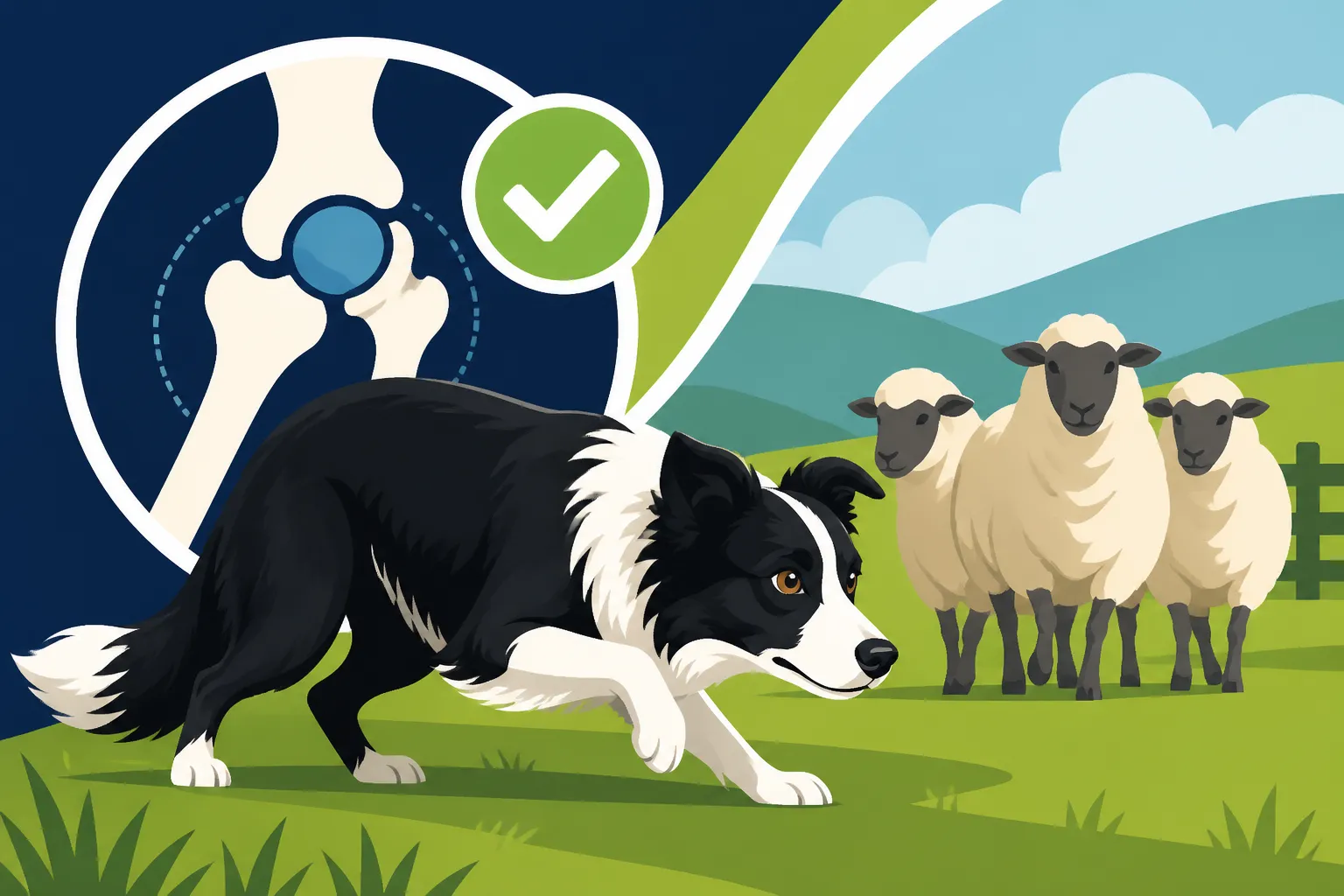
Working a Border Collie Graded Fair on Hips
It's incredibly disheartening and often confusing when you've got a Border Collie bursting with energy, keen to work or play, and then you receive a hip grade of "Fair." You might worry that this means the end of their active life or that you'll be managing constant pain. This guide is here to shed light on what a "Fair" hip grade truly entails for your active Border Collie and how you can manage their health to ensure they can continue to thrive in their working or sport endeavors.
Understanding What "Fair" Hips Really Mean for a Border Collie
When you send off those X-rays to the Orthopedic Foundation for Animals (OFA) for hip grading, you’re hoping for an "Excellent" or "Good" score. So, seeing "Fair" can feel like a punch to the gut. It's easy to jump to conclusions and imagine the worst, especially with such a physically demanding breed as a Border Collie. But let's take a deep breath and understand what that grade actually signifies.
The Nuance of OFA Hip Grades
The OFA system is a standardized way of evaluating canine hip joint conformation. Radiographs are submitted, and three independent veterinary radiologists review them, assigning a grade based on several criteria, including joint congruity, femoral head coverage, and the presence of any degenerative changes. The grades range from Excellent, Good, Fair (all considered "passing" or "normal" for breeding purposes, though Good and Excellent are preferred), to Borderline, Mild, Moderate, and Severe Dysplasia.
A "Fair" grade means that the hip joints are structurally normal but there may be some minor irregularities in the joint congruity, or perhaps a slightly shallower acetabulum (the hip socket) or a slightly less tight fit of the femoral head (the ball of the femur) into the socket. Crucially, "Fair" hips are not dysplastic. They don't show the significant degenerative changes or subluxation that would classify them as mild, moderate, or severe hip dysplasia. It's essentially on the lower end of what's considered a normal, acceptable hip joint conformation. Many dogs with "Fair" hips live long, active lives without ever experiencing significant discomfort. For more detail on the specific criteria, you can explore resources on What an OFA Hip Grade Means for a Border Collie This initial assessment, ideally done around The Age a Border Collie Should Be Hip-Scored, gives us a baseline.
Distinguishing Between Structural Soundness and Functional Ability
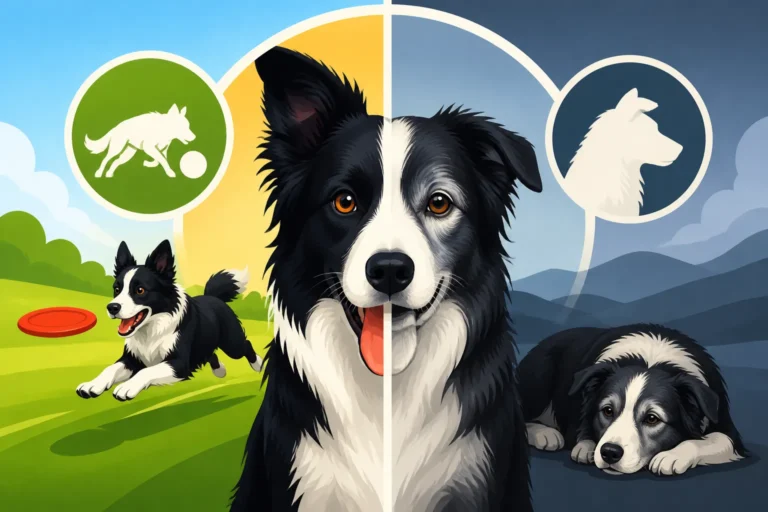
It's vital to remember that an X-ray is a static image, a snapshot in time. It shows the bony structures and how they appear to fit together. What it doesn't show is the dynamic interaction of muscles, ligaments, tendons, and cartilage that all contribute to how a dog actually moves and feels. A dog with "Fair" hips on paper might have incredibly strong hindquarter muscles, excellent core stability, and a natural athleticism that allows them to compensate for minor conformational quirks. They might never take a lame step in their life, happily gathering sheep or flying over agility obstacles.
Conversely, a dog with "Good" or even "Excellent" hips might develop issues if they have poor muscle tone, suffer an injury, or are subjected to inappropriate exercise. The Border Collie, renowned for its incredible drive and athleticism, often relies heavily on its physical soundness. This means that while a "Fair" grade might sound concerning, it doesn't automatically mean a diminished working life. Your dog's actual functional ability and comfort level are far more important than a single letter grade on a piece of paper. We need to look beyond the film and observe the living, breathing, working dog in front of us.
Assessing Your Border Collie's Individual Condition and Workload
Once you understand that a "Fair" hip grade isn't a red light but rather a yellow one – a signal to proceed with awareness and care – the next step is to really get to know your individual dog's body and how they cope with their activities. This involves more than just a quick glance; it’s about becoming a keen observer and understanding their specific needs.
Observing Your Dog's Gait, Comfort, and Recovery
Your Border Collie speaks volumes through their movement and behavior, if you know how to listen. Regularly watching your dog move, both at rest and during and after activity, is paramount. Look for any subtle changes in their gait. Do they still have that powerful, fluid stride, or are they starting to "bunny hop" with their hind legs when running, a common sign of discomfort? Is there a subtle limp that shows up after a hard day's work? Are they as keen to jump into the car or onto the sofa as they used to be? A reluctance to engage in activities they once loved can be a huge indicator.
Pay close attention to stiffness, especially after periods of rest or in the mornings. A little bit of stiffness might be normal after a particularly intense session, but persistent stiffness or stiffness that doesn't resolve quickly warrants attention. Also, consider their recovery time. Does it take them longer to bounce back after a long walk or a herding session? Are they seeking out more rest, or perhaps exhibiting vocalizations, licking, or chewing at their hips? These are all potential Signs a Border Collie's Hips Are Sore. Touch your dog's hips and hindquarters gently. Do they flinch or show any sensitivity? Become familiar with what feels normal for your dog so you can quickly identify any deviations.
Tailoring Work and Exercise to Protect Hip Health
This is where the rubber meets the road. A "Fair" hip grade means you need to be strategic about your Border Collie's exercise regimen, not necessarily cut it short. The goal is to build strength and endurance without putting undue stress on the joints. Think "smart work" over "hard work."
Avoid high-impact, repetitive activities on hard surfaces like asphalt or concrete. Repeated ball retrieving on pavement, for instance, can put immense strain on hip joints. Instead, opt for varied terrain: grassy fields, trails with slight inclines, or even sand (which provides excellent resistance). Incorporate activities like swimming, which is fantastic for building muscle without joint impact. When planning a working day or a training session, always include a proper warm-up before activity and a cool-down afterward. A warm-up might involve a brisk walk, some gentle stretches, and dynamic movements like trotting. A cool-down should include a slower walk and light stretching.
Consider the duration and intensity. Instead of one long, grueling session, break up their work into shorter, more frequent bursts. Mental stimulation is just as tiring for a Border Collie as physical exercise. Incorporate puzzle toys, scent work, or advanced obedience training to engage their brilliant minds without always requiring high-impact movement. For those involved in sports, consider how activities like Running a Young Border Collie on Concrete, or even jumping too early, can impact their long-term soundness. The key is balance and observation. If your dog shows any signs of discomfort, dial back the intensity and consult with your veterinarian.
Management Strategies for a Working Border Collie with "Fair" Hips
A "Fair" hip grade is a call to action for proactive, thoughtful management. It doesn't have to mean retirement from the sheep pasture or the agility course, but it does mean adopting strategies to support joint health and overall well-being. This multifaceted approach combines physical conditioning, nutritional support, and timely veterinary care to keep your Border Collie comfortable and capable.
The Role of Targeted Conditioning and Physiotherapy
One of the most powerful tools in managing a Border Collie with "Fair" hips is targeted conditioning. Strong muscles act as natural shock absorbers and stabilizers for the joints. Building and maintaining excellent core strength and hindquarter muscle mass can significantly reduce the strain on the hip joints. Exercises that promote controlled movement and build muscle without excessive impact are ideal.
Think about activities like swimming, which allows for full range of motion without bearing weight. Walking up and down gentle inclines or stairs (in a controlled manner) can also help build hindquarter strength. Cavaletti poles, where your dog steps over a series of low poles, improve proprioception and encourage precise, controlled limb movement. Canine physiotherapy, often overlooked, can be incredibly beneficial. A certified canine rehabilitation therapist can design a personalized exercise program tailored to your dog's specific needs, focusing on strengthening weaknesses and improving balance and flexibility. They can also perform manual therapies, laser therapy, or hydrotherapy to help manage any discomfort. While you might consider Physiotherapy Costs for a Sport Border Collie, the investment in professional guidance can extend your dog's working life and improve their quality of life dramatically.
Nutritional Support and Weight Management
Maintaining an ideal, lean body condition is arguably the single most important factor in managing any dog with joint concerns, especially a Border Collie with "Fair" hips. Every extra pound your dog carries puts exponentially more stress on their joints, accelerating wear and tear. You should be able to easily feel your dog's ribs without seeing them, and they should have a clear waistline when viewed from above. Regularly check your dog's body condition and adjust their food intake as needed. You can find useful guidelines on Maintaining a Border Collie at Its Working Weight.
Beyond weight, certain nutritional supplements can support joint health. Ingredients like glucosamine, chondroitin sulfate, and MSM (methylsulfonylmethane) are often recommended for their anti-inflammatory and cartilage-protective properties. Omega-3 fatty acids, typically found in fish oil, are powerful natural anti-inflammatories that can help reduce joint pain and stiffness. While these supplements aren't a cure, they can contribute to overall joint health and comfort. Always discuss any supplement regimen with your veterinarian to ensure it's appropriate for your dog and won't interact with any other medications. High-quality dog foods formulated for active or large breeds often contain some of these ingredients, but additional supplementation might be beneficial.
When to Seek Veterinary Intervention and What to Expect
Even with the best management strategies, there might come a time when your Border Collie shows signs of increased discomfort or lameness. Knowing when to call the vet is crucial. Don't wait until your dog is overtly limping or crying out in pain. Subtle changes in gait, reluctance to perform tasks, increased stiffness, or changes in mood can all be early indicators that something needs attention.
Your veterinarian will conduct a thorough physical examination, assessing your dog's range of motion, pain response, and muscle mass. They may recommend updated X-rays to check for any progressive degenerative changes, such as Osteoarthritis in a Border Collie by Eight, which can sometimes develop over time even from "Fair" hips, although it's not a given. Treatment options can range from non-steroidal anti-inflammatory drugs (NSAIDs) for pain and inflammation, to other pain medications, injectable joint therapies like polysulfated glycosaminoglycans, or even acupuncture. In rare cases where severe pain or lameness develops despite conservative management, surgical options might be discussed, though this is less common for a "Fair" grade compared to actual dysplasia. Always be honest with your vet about your Border Collie's activity level and what you're asking them to do. They are your best partner in creating a long-term plan for your dog's joint health. For ongoing or chronic conditions, pet insurance providers like Healthy Paws can be a valuable consideration for managing veterinary costs over the long run.
Here's a quick overview of various activities and their impact on a Border Collie with "Fair" hips:
| Activity Type | Description | Potential Impact on Fair Hips | Recommendations for Management |
|---|---|---|---|
| Herding/Stock Work | High-intensity bursts, quick turns, stopping, starting, covering varied terrain. | Moderate to High, depending on intensity. | Emphasize warm-up/cool-down. Shorten intense sessions. Vary surfaces. |
| Agility | Jumping, weaving, sharp turns, high-speed running. | High, especially repetitive jumps/turns. | Focus on proper form. Modify jump heights. Prioritize core strength. Avoid hard surfaces for practice. Consider Cruciate Tears in a Border Collie. |
| Long-Distance Running | Sustained running, potentially on varied surfaces. | Moderate to High, depending on surface. | Prefer soft trails. Ensure gradual build-up. Monitor recovery. |
| Fetch/Ball Play | Repetitive starts, stops, jumps, hard braking. | High, particularly on hard surfaces. | Limit duration. Use soft surfaces. Incorporate "retrieve to hand" to prevent hard braking. |
| Hiking (Trails) | Varied terrain, inclines/declines, natural obstacles. | Low to Moderate, excellent for muscle. | Great for muscle building. Monitor for signs of fatigue or soreness. |
| Swimming | Non-weight bearing exercise. | Very Low, excellent for joint health. | Ideal for muscle development and cardiovascular fitness without impact. |
| Scent Work/Tracking | Mental stimulation, low physical impact, steady movement. | Very Low, excellent for mental engagement. | Excellent for engaging the Border Collie mind without stressing joints. |
A "Fair" hip grade for your Border Collie is not a life sentence to the sidelines. Instead, it's a valuable piece of information that empowers you to be an even more attentive and proactive owner. By understanding the nuance of the grade, diligently observing your dog, tailoring their exercise, supporting them nutritionally, and working closely with your vet, you can help your intelligent, driven Border Collie continue to enjoy a long, active, and fulfilling life, whether that's working sheep, excelling in sports, or simply being your beloved, energetic companion.
Disclaimer
The information provided in this article is for general informational purposes only and is not a substitute for professional veterinary advice, diagnosis, or treatment. Always seek the advice of your veterinarian or other qualified animal health provider with any questions you may have regarding a medical condition or the health and welfare of your pet.