Whether a Border Collie Needs a Sports Vet
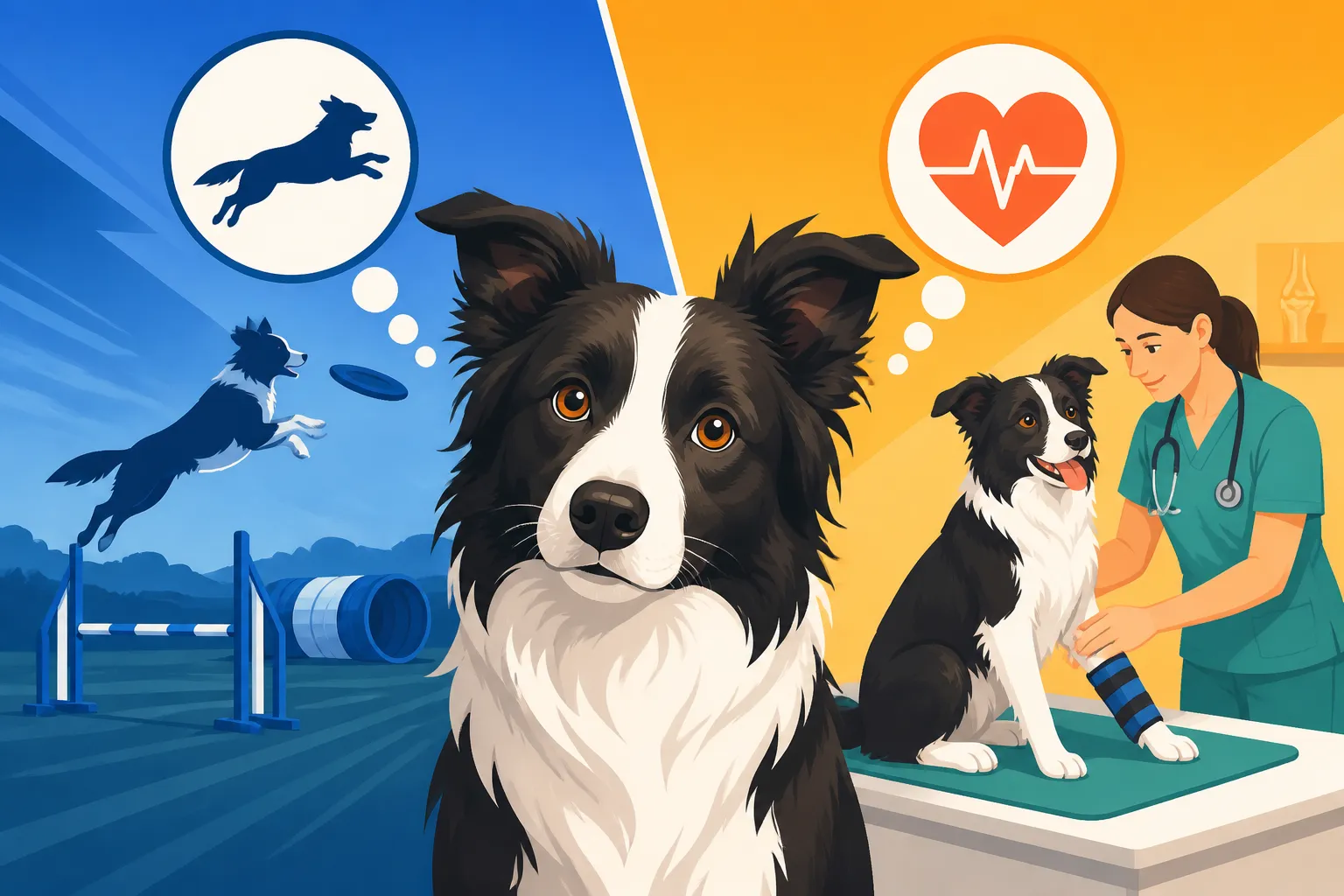
It's a common dilemma for Border Collie owners: your dog is a whirlwind of energy, always pushing boundaries, whether on the sheep pasture, the agility course, or simply in your backyard games. When a limp appears, or their usual boundless enthusiasm dips, you might wonder if your regular veterinarian is truly equipped to handle the specialized, high-performance needs of such an athletic breed. This guide is here to help you navigate that exact question, exploring why a sports veterinarian might be precisely what your extraordinary Border Collie needs to stay sound, healthy, and happy throughout its active life.
Why a Border Collie Isn't Your Average Couch Potato
Let's be honest, calling a Border Collie "energetic" is like calling the ocean "damp." These dogs are athletes, purpose-bred for demanding, intricate work. They don't just run; they sprint, stop on a dime, turn sharply, jump, weave, and crouch with an intensity rarely seen in other breeds. This incredible athleticism, while magnificent to behold, also comes with its own unique set of physical challenges and potential vulnerabilities.
The Demands of a Working Dog's Life
Imagine the life of a working Border Collie on a farm. From sunup to sundown, they might cover miles, navigating uneven terrain, leaping over obstacles, and making precise, rapid movements to gather and control livestock. This isn't a casual stroll; it's a job that requires incredible stamina, strength, and agility. Every single muscle, joint, ligament, and tendon is put to the test, day in and day out. Even a "pet" Border Collie, if properly exercised, can exhibit a similar level of physical exertion, chasing frisbees, hiking rough trails, or engaging in intense play sessions that mimic their ancestral duties. This constant, high-level activity means that wear and tear can accumulate faster, and minor injuries might escalate if not addressed with an understanding of canine biomechanics and performance needs. Owners often observe a Whether a working Border Collie ages faster due to these demands.
High-Impact Sports and Activities
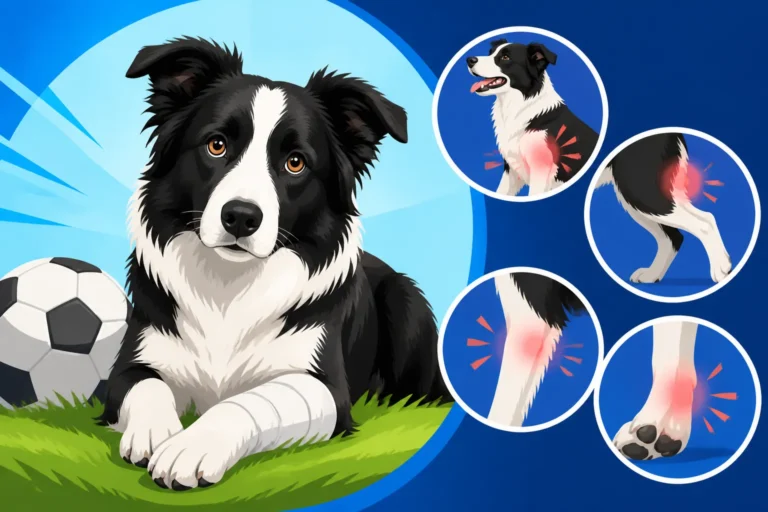
Beyond traditional farm work, Border Collies excel in a myriad of dog sports like agility, flyball, obedience, dock diving, and disc dog. These activities are incredibly fun and rewarding, but they also place immense strain on a dog's body. Think about the explosive take-offs and landings in agility, the tight turns around weave poles, or the repetitive jumping for a disc. These are movements that can lead to specific types of injuries, from sprains and strains to more serious issues like cruciate ligament tears or shoulder problems. Without proper conditioning, warm-ups, cool-downs, and careful management, even the most robust Border Collie can face setbacks. Early detection and intervention are key, and that's where a specialist's eye becomes invaluable. For example, Cruciate Tears in a Border Collie are a common sport injury that requires specific attention.
Subtle Signs of Strain You Might Miss
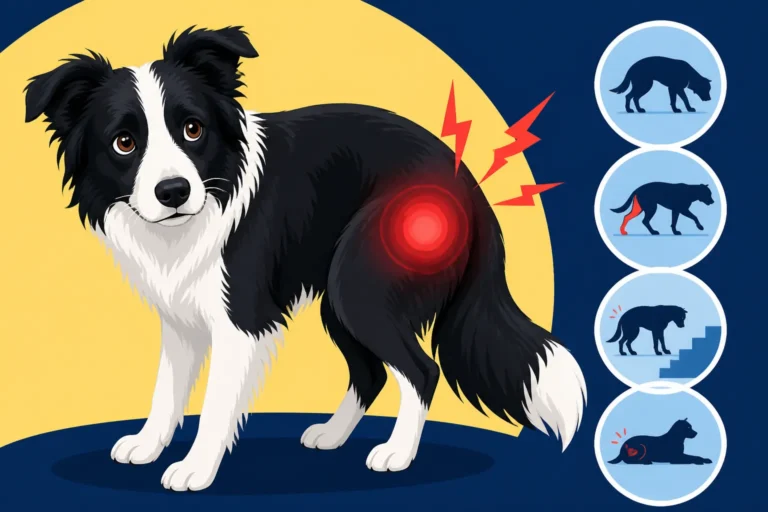
One of the challenges with Border Collies is their incredible drive and stoicism. They are often so eager to please and so driven by their work or play that they will push through pain, sometimes masking discomfort until an injury becomes severe. A slight hesitation on a jump, a less enthusiastic "away to me," a subtle shift in their gait, or even just being a little slower to get up after a nap could be early indicators of a musculoskeletal issue. A general practitioner might overlook these subtle cues, especially if they're not accustomed to evaluating high-performance canine athletes. A sports vet, on the other hand, is trained to spot these nuances, understanding that even a fractional decrease in performance could signal an underlying problem that needs attention. They understand the intricacies of Iliopsoas Strain in a Border Collie or a Shoulder Injuries in an Agility Border Collie which might present subtly at first.
When Your Regular Vet Might Not Be Enough
Your trusted family veterinarian is a wonderful resource for vaccinations, routine check-ups, and managing common illnesses. They know your dog's history and are often the first line of defense when something seems off. However, the specialized field of canine sports medicine offers a deeper level of expertise and equipment that most general practices simply don't have, especially when it comes to the complex biomechanics of a high-drive breed like the Border Collie.
General Practice vs. Specialized Orthopedic Knowledge
General veterinarians receive broad training across all aspects of veterinary medicine, which is fantastic for comprehensive care. But when it comes to intricate orthopedic issues, particularly those related to athletic performance, their knowledge might not be as deep as a specialist's. A board-certified veterinary sports medicine and rehabilitation specialist (often called a sports vet or rehab vet) has undergone extensive additional training focusing specifically on the musculoskeletal system, injury prevention, advanced diagnostics, and rehabilitation tailored for active dogs. They understand how a specific injury might impact a Border Collie's ability to execute a tight turn in agility, or how a subtle lameness might affect their balance when working sheep. They're looking beyond the immediate symptom to the functional implications for an athlete.
Limitations in Diagnostic Tools and Techniques
While many general practices have X-ray machines, advanced imaging tools like MRI or CT scans are usually found in referral or specialty clinics. For complex soft tissue injuries – think ligament tears, muscle strains, or nerve impingements – these advanced diagnostics are often crucial for an accurate diagnosis. A sports vet not only has access to these tools but also has the expertise to interpret the results specifically with a working or sport dog's needs in mind. Beyond imaging, they might employ gait analysis, force plate analysis, or other motion studies to precisely identify the source of lameness or performance deficits, providing a much clearer picture than a simple physical exam might allow. This specialized approach can save valuable time and prevent a minor issue from becoming chronic.
The Challenge of Rehabilitating a High-Drive Dog
One of the biggest hurdles in managing injuries in a Border Collie is their inherent drive. Telling a high-energy dog to "rest" for weeks or months can be a mental and emotional challenge for both the dog and the owner. A general vet might provide basic rest recommendations, but a sports vet, often working in conjunction with a certified canine rehabilitation therapist, will design a structured, progressive rehabilitation program. This plan will not only focus on physical healing but also on maintaining mental stimulation and managing that intense Border Collie drive through appropriate, controlled exercises. They can guide you through everything from underwater treadmill sessions to targeted therapeutic exercises, ensuring your dog heals effectively while preventing secondary issues like muscle atrophy or behavioral frustration. This focused approach is critical for Returning a Border Collie to Agility After TPLO or other major surgeries.
What a Sports Vet Brings to the Table for Border Collies
Choosing to work with a sports veterinarian means tapping into a wealth of specialized knowledge and resources designed specifically for canine athletes. For a breed as dynamic and driven as the Border Collie, this can make a monumental difference in their longevity, performance, and overall quality of life.
Advanced Diagnostics and Imaging
When your Border Collie develops a mysterious limp or a sudden aversion to a certain movement, a sports vet is equipped to get to the bottom of it with precision. They don't just guess; they investigate. This often involves more than just a standard X-ray. They might utilize dynamic ultrasound to visualize soft tissue structures like tendons and ligaments in motion, pinpointing tears or inflammation that static images could miss. For deeper issues, they can arrange for advanced cross-sectional imaging such as MRI (Magnetic Resonance Imaging) or CT (Computed Tomography) scans, which provide incredibly detailed views of joints, spinal cord, and internal structures.
Furthermore, some sports veterinary practices offer gait analysis systems, which use pressure plates or high-speed cameras to objectively measure how your Border Collie is moving. This data can reveal subtle lameness or asymmetries that are impossible to detect with the naked eye, allowing for early intervention before a minor issue becomes a debilitating injury. This level of diagnostic detail is paramount for understanding complex issues like Hip Dysplasia in a Border Collie That Runs All Day or subtle nerve impingements.
Tailored Rehabilitation Programs
Once a diagnosis is made, a sports vet's expertise truly shines in crafting a rehabilitation plan that is bespoke for your Border Collie. This isn't a one-size-fits-all approach. Knowing the breed's incredible drive and intelligence, they develop programs that challenge the dog mentally while physically recovering. These programs often integrate various modalities:
- Therapeutic Exercise: Specific exercises designed to strengthen weak muscles, improve range of motion, and enhance proprioception (body awareness). These might include cavaletti poles, balance boards, or targeted movements to rebuild strength.
- Hydrotherapy: Underwater treadmills or swimming are fantastic for low-impact exercise, allowing a Border Collie to build muscle and improve cardiovascular fitness without stressing healing joints or limbs.
- Manual Therapy: Techniques like massage, joint mobilizations, and stretching performed by a certified therapist to reduce pain, improve flexibility, and break down scar tissue. Physiotherapy Costs for a Sport Border Collie can be a significant part of this process.
- Modalities: This includes the use of therapeutic laser, electrical stimulation (e-stim), therapeutic ultrasound, or pulsed electromagnetic field therapy to reduce pain, inflammation, and promote tissue healing.
The goal is not just recovery, but a return to full function, allowing your Border Collie to enjoy its intense lifestyle safely. They will also educate you on how to manage your dog's activity level at home, gradually increasing intensity as they heal, preventing re-injury and managing that boundless Border Collie enthusiasm.
Preventative Care and Performance Optimization
Perhaps one of the most proactive reasons to see a sports vet isn't just when an injury occurs, but to prevent one altogether. These specialists are experts in canine biomechanics and can identify subtle conformational weaknesses or imbalances that might predispose your Border Collie to injury down the line.
They can offer advice on:
- Conditioning Programs: Designing off-season conditioning, strength training, and flexibility routines to prepare your Border Collie's body for the demands of their chosen sport or work. They can help you understand Impact Work Before a Border Collie Turns Two and its implications.
- Nutrition for Athletes: Providing guidance on specialized diets that support high energy output, muscle recovery, and joint health, sometimes including supplements tailored to their needs.
- Warm-up and Cool-down Routines: Educating owners on proper pre- and post-activity protocols to minimize strain and aid recovery.
- Ergonomic Advice: Suggesting adjustments to equipment, training surfaces, or even handling techniques to reduce stress on your dog's body.
- Regular Check-ups: Performance evaluations can identify minor issues before they become major problems, much like human athletes have regular physicals with sports doctors.
By focusing on preventative care, a sports vet helps keep your Border Collie sound, extends their working or sport career, and significantly reduces the risk of serious injuries, ultimately leading to a happier, healthier, and more active life.
Here's a quick comparison of what you might expect from a general vet versus a sports vet:
| Aspect | General Veterinary Practice | Sports Veterinary Practice |
|---|---|---|
| Focus | Broad health, illness, routine care | Musculoskeletal health, performance, injury prevention/rehab |
| Diagnostic Tools | Basic X-rays, blood tests, general physical exam | Advanced imaging (MRI, CT, ultrasound), gait analysis, endoscopy |
| Injury Treatment | General advice (rest, medication), basic surgery | Specialized orthopedic surgery, advanced pain management, therapeutic modalities |
| Rehabilitation | Basic post-op care, general rest instructions | Structured, progressive rehab programs (hydrotherapy, therapeutic exercise) |
| Preventative Care | Vaccinations, parasite control, general nutrition | Performance conditioning, biomechanical assessment, sport-specific nutrition |
| Understanding BC Needs | General understanding of breed energy | Deep understanding of Border Collie athleticism and drive |
Deciding If a Sports Vet is Right for Your Border Collie
It's natural to weigh your options when considering specialized care. While the benefits for an active Border Collie are clear, there are practical aspects to consider, from your dog's specific needs to the financial implications.
Assessing Your Dog's Activity Level and Future Goals
The first step in deciding if a sports vet is necessary is to honestly evaluate your Border Collie's lifestyle. Is your dog truly a high-performance athlete?
- Working Dogs: If your Border Collie is actively working livestock, participating in herding trials, or performing tasks on a farm, then regular check-ups with a sports vet for preventative care and early injury detection are highly recommended. These dogs are essentially canine professional athletes.
- Sporting Dogs: For Border Collies competing in agility, flyball, disc dog, or other strenuous activities, a sports vet can be invaluable. They can help with conditioning, injury prevention, and rapid, effective rehabilitation if an injury occurs, ensuring your dog can return to the sport safely and competitively. The Age a Border Collie Can Start Jumping and the intensity of that work are crucial considerations here.
- Active Pets: Even if your Border Collie isn't competing, but you're an avid hiker, runner, or enjoy intense fetch sessions multiple times a day, your dog is still putting significant strain on its body. A sports vet can offer advice on maintaining joint health and recognizing early signs of strain, helping your dog remain active for longer. If you notice signs of Sport Injuries a Border Collie Picks Up, a sports vet should be your next call.
If your Border Collie is more of a leisurely companion, enjoying moderate walks and backyard play, your general veterinarian might suffice for most issues. However, if you suspect an injury that your regular vet is struggling to diagnose or treat effectively, a referral to a sports vet is always a wise move, regardless of activity level.
The Financial Consideration and Insurance Options
Let's be realistic: specialized care often comes with a higher price tag. Diagnostic imaging like MRIs can be costly, and intensive rehabilitation programs involving multiple sessions of hydrotherapy or physiotherapy can add up. This is a significant factor for many owners, and it's something to budget for. The Annual Border Collie Budget Nobody Plans For often overlooks these specialized medical costs.
However, there are ways to manage these expenses:
- Pet Insurance: This is where pet insurance providers like Healthy Paws can be a lifesaver. Many comprehensive pet insurance policies cover a significant portion of diagnostic tests, specialist consultations, surgeries, and rehabilitation therapies, especially when it comes to accidental injuries or unexpected illnesses. Investing in a good policy when your Border Collie is young and healthy can provide peace of mind and financial support if specialized care becomes necessary later on. It’s worth checking if your policy covers Physiotherapy Costs for a Sport Border Collie.
- Savings Fund: For those without insurance, setting aside a dedicated emergency fund specifically for veterinary care can help absorb these costs without going into debt.
- Discussion with Your Vet: Always have an open conversation with your general vet and the sports vet about treatment options and associated costs. They can often provide estimates and help you prioritize care.
Remember, investing in a sports vet for prevention or early intervention can sometimes save money in the long run by preventing minor issues from escalating into more expensive, debilitating conditions requiring complex surgeries or prolonged treatment.
Finding the Right Sports Vet for Your Border Collie
If you decide a sports vet is the right path for your Border Collie, finding the right one is crucial.
- Start with Referrals: Your general veterinarian is often the best source for referrals to trusted local or regional sports medicine specialists. They know who they respect and who has a good track record.
- Online Directories: Organizations like the American College of Veterinary Sports Medicine and Rehabilitation (ACVSMR) or the Canine Rehabilitation Institute (CRI) maintain directories of certified professionals. This ensures you're finding someone with legitimate qualifications.
- Ask Around: Talk to other Border Collie owners, especially those involved in dog sports or working dog communities. They often have firsthand experience with sports vets and can share valuable recommendations.
- Consider the Facility: When you find a potential sports vet, consider the facility. Do they have the necessary equipment for advanced diagnostics and rehabilitation? Is it clean and well-maintained?
- Interview Them: Don't be afraid to ask questions. What is their experience with Border Collies or similar high-drive, athletic breeds? What is their philosophy on rehabilitation and performance? Do they offer consultations to discuss your dog's specific needs and your goals for their health and activity? A good sports vet will be eager to educate you and partner with you in your Border Collie's care. For example, some may offer complementary therapies like Chiropractic and Massage for a Border Collie.
Ultimately, choosing a sports vet is about giving your Border Collie the best possible chance to live a long, active, and injury-free life, maximizing their incredible potential. It's an investment in their unique athletic spirit.
Disclaimer
This article is intended for informational purposes only and does not constitute veterinary advice. Always consult with a qualified veterinarian for any health concerns or before making any decisions about your dog's medical care or training regimen.