The First Time a Border Collie Meets Sheep
Bringing a Border Collie to sheep for the very first time is a moment many owners dream about, but it's also fraught with potential missteps that can derail a promising working relationship. Many people mistakenly believe their Border Collie will instantly know what to do, only to be disappointed or overwhelmed by a chaotic, counterproductive session. This comprehensive guide will walk you through everything you need to know to make your Border Collie's first encounter with sheep safe, positive, and the foundational step toward a true working partnership.
Understanding the Border Collie's Innate Herding Drive
It’s easy to look at a Border Collie and see a fluffy, intelligent dog, but beneath that keen gaze lies millennia of selective breeding for a very specific purpose: herding livestock. This isn't just a trick they learn; it's a fundamental part of who they are. Ignoring or misunderstanding this drive can lead to frustration for both dog and owner.
The Deep-Seated Instinct to Gather and Control
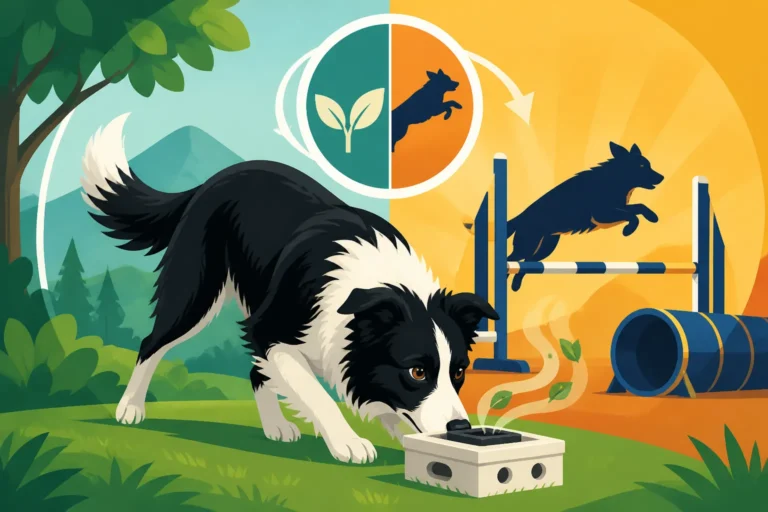
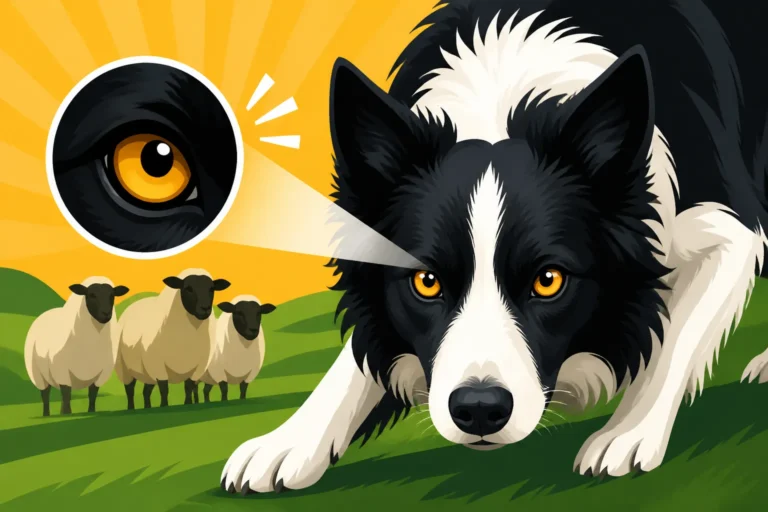
Border Collies possess an incredibly powerful prey drive, but it's been refined over generations to focus not on killing, but on controlling movement. They don't want to hurt the sheep; they want to gather them, hold them, and move them as a unit. This is often referred to as "eye" – the intense, fixed gaze that can stop or move stock. This deep-seated instinct is what makes them exceptional herding dogs, but it's also what makes them a challenging pet if that instinct isn't channeled appropriately.
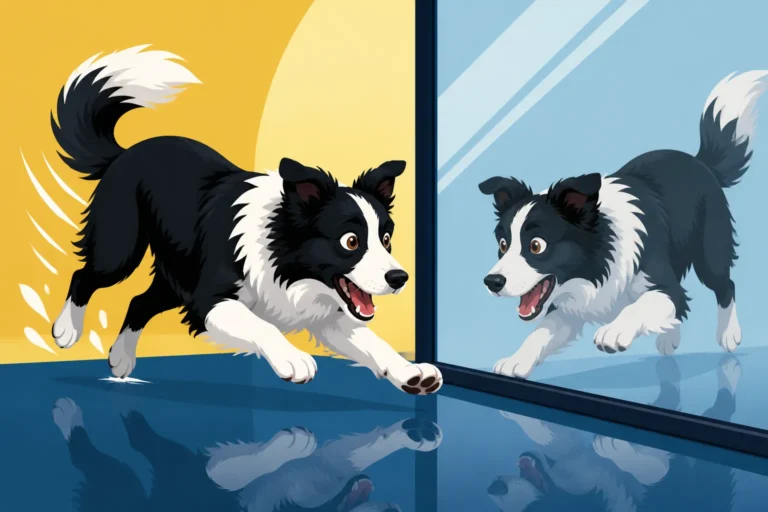
Think of it like this: a Border Collie's brain is wired to solve the problem of moving sheep. When there are no sheep, that problem-solving energy doesn't just vanish; it looks for other "sheep" to gather. This might be your children, other pets, bicycles, or even shadows and light. Understanding that this drive is natural and powerful is the first step in appreciating what your dog is bringing to the table when you finally introduce them to their intended work. It’s not aggression, though it can look intense; it’s focused intent.
Recognizing Early Signs of Herding Behavior in Puppies
Even before a Border Collie puppy ever sees a sheep, you can often spot nascent herding behaviors. You might notice them trying to gather your other pets, or gently "eyeing" and circling family members in the yard. They might stalk toys, dropping into a low crouch before pouncing, much like they would approach a flock. Some puppies will naturally try to block doorways, trying to "hold" you in a certain area.
These behaviors aren't naughtiness; they're instincts bubbling to the surface. It's important not to punish these natural inclinations, but rather to gently redirect them. For example, if your puppy tries to herd your cat, you can intervene calmly and redirect their attention to a suitable toy or a brief training exercise. This helps them understand what is and isn't appropriate, laying the groundwork for future controlled work. Paying attention to how your puppy uses The Border Collie Stare and Where It Comes From can give you a lot of insight into their inherent style.
The Difference Between Pet and Working Line Instincts
It’s crucial to understand that not all Border Collies are created equal when it comes to herding instinct. There’s a significant split between working lines and conformation (show) lines, and even within working lines, there’s a spectrum of drive. A Border Collie from generations of trial champions will likely possess a much stronger, more refined instinct than a dog bred primarily for the show ring or even one from a general pet background, even if the latter still retains some herding desire.
Working line dogs are bred for acute sensitivity to stock, intense focus, and biddability. Their instinct is often powerful and immediate. Conformation line dogs might have a weaker, more diffuse instinct, or it might be buried under layers of other learned behaviors. While any Border Collie can theoretically show some interest in sheep, those from dedicated working lines are generally easier to start and progress further with, simply because their inherent wiring is more optimized for the job. This doesn't mean a pet Border Collie can't enjoy learning to herd, but expectations should be realistic. It’s also important to remember that the intensity of their herding instinct directly correlates with their need for Exercise, Work and What Actually Settles a Border Collie.
Preparing for the First Introduction to Sheep
The first time your Border Collie meets sheep isn't a spontaneous event; it's a carefully orchestrated introduction. Preparation is key to ensuring a positive, productive, and safe experience for everyone involved – especially the sheep! Rushing this stage can create bad habits that are incredibly difficult to undo.
Assessing Your Border Collie's Maturity and Temperament
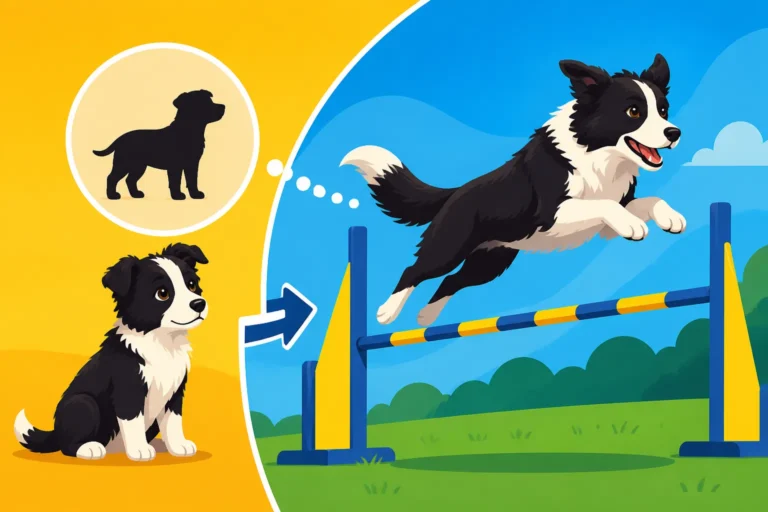
Before you even think about putting your dog near sheep, take an honest look at their overall maturity and temperament. Is your Border Collie confident and stable, or easily spooked? Are they overly excitable, or do they show a good level of self-control in other situations? Puppies, generally, are not ready for formal sheep introductions until they are physically and mentally mature enough to handle the stress and learn from the experience. While some dogs might show interest earlier, generally, most experts agree that the ideal The Age to Start a Border Collie on Stock is usually between 6 months and a year, sometimes even later.
A dog that is too young might become overwhelmed or develop fear issues. A dog that is too excitable might try to "worry" the sheep, leading to injury for the stock or a negative learning experience for the dog. They need to have a basic understanding of obedience commands like "sit," "stay," and a reliable recall away from distractions. This foundation of control is paramount before you introduce such a powerful instinctual trigger.
Finding the Right Environment and Mentor
This is perhaps the most critical step. You cannot simply throw your Border Collie into a field with a flock of sheep and expect magic. The first introduction needs to happen in a controlled environment, ideally with a small, quiet, and dog-broke flock of sheep. These sheep are accustomed to working with dogs and won't panic or scatter wildly, which could overwhelm a novice dog or encourage bad habits.
Even more importantly, you need a knowledgeable mentor or trainer who specializes in starting young Border Collies on stock. This person will be able to read both your dog's subtle cues and the sheep's reactions, knowing exactly when to intervene, encourage, or halt the session. They have the experience to guide you and your dog through this delicate process. Look for local herding clubs, experienced handlers, or clinics that offer "instinct tests" or beginner lessons. A good mentor is worth their weight in gold; they can save you years of frustration and prevent potentially harmful habits from forming.
Essential Equipment for a Safe First Session
Safety is paramount, for both your dog and the sheep. You'll need specific equipment to maintain control and ensure a positive learning environment.
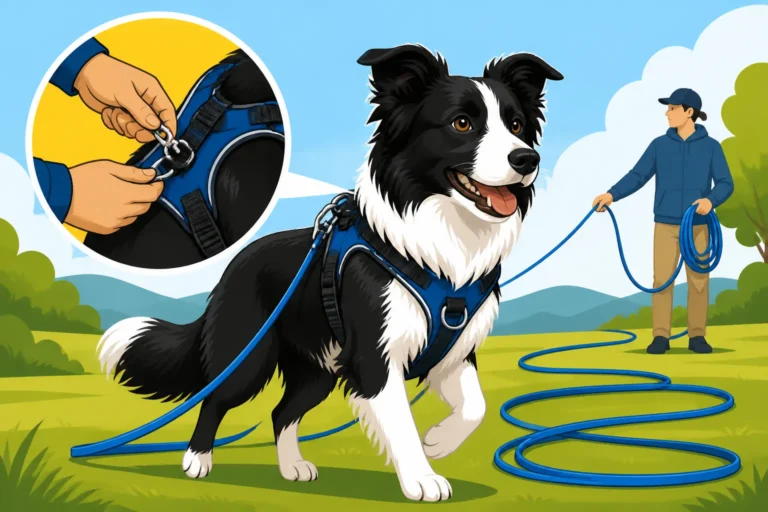
- A long line: This is non-negotiable for the first few sessions. A 20 to 30-foot long line allows you to give your dog some freedom to move around the sheep while still retaining physical control. It prevents them from bolting, chasing too aggressively, or getting into trouble. Make sure it's a sturdy line, not just a thin leash. You can find excellent options for long lines on platforms like Amazon, ensuring durability for active dogs.
- A comfortable, well-fitting harness or flat collar: Avoid choke chains or prong collars, as these can be counterproductive and cause discomfort or fear, especially in such an emotionally charged environment. A harness often provides better control and distributes pressure more evenly if you need to physically guide your dog.
- A whistle (optional, but recommended): While you might not use complex whistle commands immediately, getting your dog accustomed to the sound of a whistle for attention or recall can be beneficial. Many experienced handlers use a variety of Whistles and Training Gear for a Border Collie from the outset.
- Treats and a treat pouch: High-value treats are excellent for rewarding calm behavior, focus on you, and for recalls away from the sheep. Keep them readily accessible.
- Water and a bowl: Herding is physically and mentally demanding. Ensure your dog stays hydrated.
A strong foundation in basic obedience, perhaps achieved through a program like BAXTER & Bella, will also make these first sessions much smoother, as your dog will already be accustomed to responding to your voice and cues in distracting environments.
The Initial Encounter: Gentle Observation and Introduction
The moment has arrived! You're at the sheep facility, your mentor is present, and your dog is buzzing with anticipation. Remember, the goal of the first session isn't to create a finished sheepdog, but to gauge instinct, build confidence, and introduce the concept in a safe, controlled manner.
Setting the Stage for a Positive Experience
Before your dog even enters the working pen, take a moment to allow them to observe. Let them watch from a distance, perhaps outside the pen, to get used to the sights, sounds, and smells of the sheep. This calm observation period can help reduce over-excitement when they finally get closer. Your mentor will typically have a small, quiet pen (often called a round pen or a "training pen") with 3-5 calm, dog-broke sheep. These sheep won't scatter wildly, which is crucial for a young dog's confidence.
The pen should be secure, with no escape routes for either the dog or the sheep. The atmosphere should be calm and low-pressure. You and your mentor are there to facilitate, not to push or force. Keep your own energy calm and reassuring; your dog will pick up on your stress.
Reading Your Dog's Body Language
This is where your mentor's expertise truly shines, but it's also a skill you'll develop over time. Every Border Collie will react differently to sheep for the first time.
- The "Eye": Many Border Collies will drop into a low crouch, fixing their intense gaze on the sheep. This is the classic "eye" and indicates strong herding instinct.
- Circling and Flanking: They might naturally start to move around the sheep, trying to gather them into a tighter group.
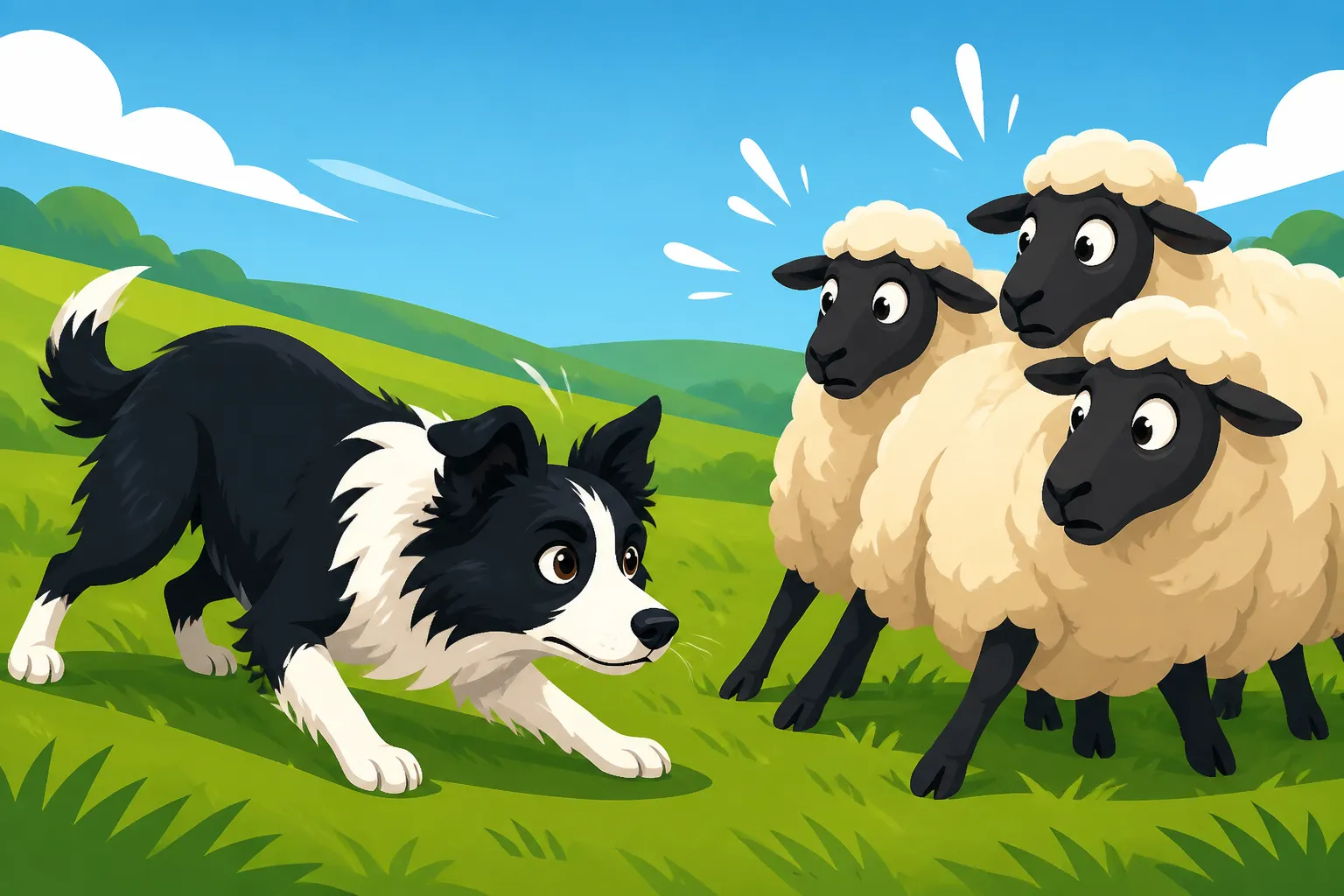
- Stalking: A slow, deliberate approach, often with a low head and tail, is another classic herding posture.
- Nipping/Gripping: Some dogs, especially those with strong instinct and less control, might try to nip at the sheep's heels or wool. This needs to be gently corrected immediately, as it can injure the sheep and become a very hard habit to break. You need to ensure your dog understands that What Happens If a Border Collie Worries Sheep is unacceptable.
- Over-Excitement/Bouncing: A dog that is too excited might bounce around, bark excessively, or try to rush the sheep. This also needs careful management to prevent the sheep from panicking.
- Hesitancy/Shyness: Some dogs might be a bit overwhelmed or unsure at first, sniffing around the perimeter, or showing a more tentative approach. This is okay; it's not a sign they lack instinct, but rather that they need more gentle encouragement.
Your mentor will help you interpret these signs and guide you on when to intervene or allow the dog more freedom.
Managing the First Few Minutes
When you first bring your Border Collie into the pen, keep them on the long line. Let them walk around, sniff, and observe the sheep from a safe distance. Your mentor might ask you to simply walk a wide circle around the sheep, allowing your dog to take it all in. Don't expect immediate herding. Some dogs will "switch on" instantly, while others need a bit more time to process.
If your dog shows interest, a low crouch, or starts to move toward the sheep with "eye," your mentor might encourage gentle movement. The key is control. If your dog rushes, gets too excited, or tries to nip, your mentor will guide you to physically block them or gently pull them back with the long line, reiterating that this is not how we treat the sheep. The goal is to let the instinct emerge, but always within boundaries. Short, positive interactions are far more valuable than long, chaotic ones.
Navigating Common Reactions During the First Session
The first time a Border Collie meets sheep, a variety of behaviors can emerge. Understanding these common reactions and how to address them is crucial for shaping a successful working partnership.
The Intense Stare and How to Channel It
Many Border Collies will exhibit what is known as "strong eye" almost immediately. This is that fixed, unblinking gaze that seems to magnetize the sheep. While this is a hallmark of the breed and a desirable trait for herding, if it's too intense and lacks movement, it can actually paralyze the sheep and prevent effective gathering. It can also lead to a dog becoming "stuck" on the sheep, unable to break the stare or respond to commands.
During the first session, your mentor will help you observe the quality of the eye. Is it mobile? Does your dog use it to subtly influence the sheep's movement, or is it just a static fixation? If the eye is too strong and the dog is hesitant to move, the mentor might encourage you to physically walk around the sheep with your dog on the long line, gently breaking the fixation and encouraging flanking movements. The goal is to channel that intensity into productive work, teaching the dog that movement and balance are key, not just staring.
Over-Excitement and Nipping: What to Do
Some Border Collies, especially those with very high drive or less control, might become overly excited. This can manifest as barking, frantic bouncing, or trying to rush the sheep. In some cases, they might even try to nip at the sheep's heels or grab a mouthful of wool. This is a big no-no. Nipping and gripping can injure sheep and quickly escalates into a very difficult habit to break.
If your dog shows signs of over-excitement or attempts to nip, immediate intervention is necessary. Your long line becomes your best friend here. A firm, but calm, correction to pull them away from the sheep, or a physical block from your mentor, sends a clear message. The session should be short and controlled, focusing on calm, purposeful movement rather than allowing the dog to self-reward chaotic behavior. Sometimes, a brief "time out" away from the sheep for a few minutes can help them reset. Consistency in discouraging any undesirable behavior from the very first minute is paramount.
The Shy or Hesitant Border Collie
Not every Border Collie will instantly switch on and drive the sheep. Some may be hesitant, shy, or even appear disinterested at first. They might just walk around the perimeter of the pen, sniffing the ground, or seem overwhelmed by the novelty. It’s important not to confuse shyness with a lack of instinct. The new environment, the strange smell of sheep, and the presence of a mentor can all be a lot for a young dog to process.
For a hesitant dog, patience is key. Your mentor might suggest simply letting the dog observe the sheep from a slightly further distance, without pressure. Sometimes, bringing in a very calm, experienced working dog can help, as the new dog can observe and learn. Gentle encouragement, allowing them to approach at their own pace, and praising any small signs of interest are important. Sometimes, the instinct just needs a bit more time to awaken. The worst thing you can do is force a shy dog, which could create fear or aversion to the sheep. A confident, safe start is far more important than a fast one.
Introducing Basic Commands on Sheep
Once your Border Collie has shown a consistent, controlled interest in the sheep, and can manage their excitement somewhat, you can begin to introduce rudimentary commands. These aren't just for control; they teach your dog the language of herding and how to work in partnership with you.
Starting with "Walk Up" and "Lie Down"
These are two of the most fundamental commands in herding. "Walk Up" (or "Come Up") encourages your dog to move directly towards the sheep, applying pressure from behind. "Lie Down" (or "Down," "Stop," "Stand") is arguably the most critical command, as it allows you to stop your dog instantly, even in the middle of a high-speed chase. Building a solid "Lie Down" on sheep gives you the ultimate brake pedal, essential for safety and control.
During these initial sessions, your mentor will guide you in using these commands. For "Walk Up," as your dog naturally moves toward the sheep, you might quietly say the command and praise them for the movement. For "Lie Down," it's often taught by physically stopping the dog with the long line and guiding them into a down position, then immediately releasing and rewarding. Repetition and consistency, in a low-distraction environment, are key. Remembering Why a Border Collie Is Taught to Lie Down First truly emphasizes its importance in herding.
Gentle Direction with "Come Bye" and "Away to Me"
Once "Walk Up" and "Lie Down" are gaining traction, you can start to introduce directional commands. "Come Bye" typically means to go clockwise around the sheep, while "Away to Me" means to go counter-clockwise. These commands teach your dog to flank the sheep and move them in a specific direction.
Again, your mentor will use the physical layout of the round pen and the sheep's movement to help teach these. As your dog naturally starts to move to one side of the sheep, you'll pair that movement with the corresponding command, such as What Come Bye Means to a Border Collie or What Away to Me Means to a Border Collie. This is often done by the mentor subtly shifting the sheep or blocking one side, encouraging your dog to move in the desired direction. Praise and a timely "Lie Down" to stop the movement will reinforce the correct action. These commands lay the groundwork for a dog that can gather and drive sheep with precision.
Knowing When to Say "That'll Do"
"That'll Do" is a crucial command that signifies the end of a working session or a specific task. It tells your Border Collie to disengage from the sheep and come back to you. This command is vital for preventing obsessive behavior and ensuring your dog can switch off from their intense work. A Border Collie's drive is powerful, and without a clear "off switch," they can become fixated or over-stimulated.
From the very first session, your mentor will advise on when to end the work. It's almost always better to end a session on a positive note, before your dog becomes tired or overwhelmed. When you say "That'll Do," you want your dog to physically disengage, come to you, and relax. This might involve using the long line to guide them out of the pen, or offering a high-value treat as they return. Consistently using That'll Do and Ending a Border Collie's Work helps your dog understand that there's a clear beginning and end to their work, fostering a healthy balance between drive and control.
| Command | General Meaning | Initial Application | Importance |
|---|---|---|---|
| Walk Up | Move directly toward the sheep. | Encourage natural forward movement. | Applies pressure, drives sheep. |
| Lie Down | Stop instantly, wherever you are. | Physical guidance on long line, reward. | Crucial for control, safety, and preventing over-excitement or worrying of stock. |
| Come Bye | Move clockwise around the sheep. | Pair with natural flanking movement. | Directional control, helps shape gathers. |
| Away to Me | Move counter-clockwise around sheep. | Pair with natural flanking movement. | Directional control, helps shape gathers. |
| That'll Do | Disengage from sheep, come to handler. | End session on a positive note, reward. | Essential for an "off-switch," prevents fixation and allows the dog to relax. |
Avoiding Pitfalls and Setting Your Dog Up for Success
Starting a Border Collie on sheep is an art, not a science, and there are common mistakes that can hinder progress or even damage a dog's potential. Being aware of these pitfalls can help you navigate the journey more effectively.
The Dangers of Rushing the Process
One of the biggest mistakes novice handlers make is rushing. They see a glimpse of instinct and want their dog to immediately perform complex maneuvers. This eagerness can backfire dramatically. Pushing a young or inexperienced dog too hard, too fast, can lead to:
- Fear or anxiety: An overwhelmed dog might become fearful of the sheep or the working environment, shutting down completely.
- Bad habits: Rushing can encourage behaviors like barking, nipping, or chasing wildly, which are incredibly hard to extinguish later.
- Loss of confidence: If a dog consistently fails or is over-corrected due to being pushed beyond their current capability, they can lose confidence in their own abilities and in their handler.
- Physical injury: Rushing can also lead to sheep being injured, or the dog running into fences or other obstacles in its excitement.
Slow and steady truly wins the race in herding. Each session should build on the last, with clear goals and ample time for the dog to process and learn. Celebrate small successes and don't compare your dog's progress to others.
Why a Border Collie Needs a Mentor, Not Just Sheep
As mentioned earlier, a mentor is not a luxury; they are a necessity for a successful start. Simply having access to sheep is not enough. Here's why:
- Reading the Dog: An experienced mentor can read your dog's subtle body language and energy, understanding what they are thinking and feeling, and how to best respond. They can tell the difference between appropriate instinct and potential problems.
- Reading the Sheep: They also understand sheep behavior. They know how to position the sheep to help the dog, how to keep the sheep calm, and how to intervene if the sheep are becoming stressed.
- Timing: Herding is all about timing – when to intervene, when to praise, when to correct, when to stop. A mentor has this finely tuned timing that takes years to develop. They know when to let the dog figure things out and when to step in.
- Safety: A mentor ensures the safety of both the dog and the livestock. They can prevent situations that might lead to injury or deeply ingrained bad habits.
- Impartial Eye: It's hard to be objective when it's your own dog. A mentor provides an impartial, experienced eye to guide you both.
A good mentor will provide specific, actionable advice. If you're looking for structured guidance beyond in-person lessons, online platforms like BAXTER & Bella often offer resources that complement hands-on training, helping you build a strong foundation of obedience and communication before stepping into the sheep pen.
Balancing Instinct with Control from Day One
The goal of herding training isn't just to let the dog "do what it does." It's about channeling that incredible instinct into a cooperative partnership. From the very first session, the emphasis must be on control. Your dog needs to understand that they work with you, not independently.
This means:
- Responding to Commands: Even simple commands like "Lie Down" or coming off the sheep for "That'll Do" are crucial.
- Working to Balance: The dog needs to learn to find the "balance point" to move the sheep calmly, rather than just chasing them.
- Respecting Boundaries: Any aggressive or worrying behavior towards the sheep must be corrected immediately and consistently.
Establishing this balance early prevents your Border Collie from becoming a "rogue" dog that chases indiscriminately. It teaches them that their powerful drive is a tool to be wielded under your direction, leading to a much more effective and harmonious working team. It’s a process of shaping that raw talent into a refined skill, where the dog’s intelligence and your commands merge seamlessly.
Beyond the First Session: Nurturing the Working Relationship
The first session is just the very first step on a long and rewarding journey. Building a skilled herding dog takes time, patience, and consistent effort. It's about nurturing a partnership based on trust, communication, and mutual understanding.
Consistent, Short Training Sessions
Herding is mentally and physically demanding, especially for a young dog learning the ropes. Rather than long, infrequent sessions, consistent, short training periods are far more effective. Aim for sessions that last anywhere from 5 to 15 minutes, depending on your dog's age, attention span, and progress. It’s about quality, not quantity.
These short bursts allow your dog to focus intensely without becoming fatigued or overwhelmed. They also provide frequent opportunities for success and positive reinforcement. Always try to end a session on a good note, leaving your dog wanting more. This keeps their enthusiasm high and prevents them from associating herding with exhaustion or frustration. Regular practice, even just once or twice a week, builds muscle memory and reinforces commands far better than sporadic, marathon sessions.
Building Trust and Communication
The foundation of any successful working partnership is trust. Your Border Collie needs to trust that you will guide them fairly, protect them, and clearly communicate your expectations. And you, in turn, need to trust your dog's instincts and their willingness to work with you. This trust is built through:
- Clear Commands: Be consistent with your commands and signals. Your dog needs to understand what you're asking.
- Fair Corrections: Corrections should be timely, appropriate, and never harsh or frightening. They should be instructional, not punitive.
- Positive Reinforcement: Lavish praise and rewards for correct behavior. Let your dog know when they've done well.
- Patience: Understand that learning takes time. There will be good days and bad days. Your unwavering patience is crucial.
- Observation: Learn to read your dog's every subtle move. The more you understand their language, the better you can communicate.
This journey of communication goes far beyond the herding arena. A Border Collie thrives on a strong bond with its handler, whether it's on the field or simply enjoying a quiet moment at home. This profound connection is often why people find working with Border Collies so incredibly rewarding. It’s also crucial for their overall well-being and helps them manage their energy and expectations around Exercise, Work and What Actually Settles a Border Collie.
When to Seek Advanced Guidance
As your Border Collie progresses beyond basic introductions, you'll reach points where more advanced guidance is needed. This might be when you're ready to move from a small round pen to a larger field, introduce more complex maneuvers like an outrun, or refine their shedding and penning skills.
- Advancing with Your Mentor: Continue to work closely with your initial mentor. They know your dog's history and can tailor their advice as you progress.
- Clinics and Workshops: Attending herding clinics led by different experienced handlers can expose you to new techniques and philosophies.
- Joining a Herding Club: Local or regional herding clubs offer a fantastic community, shared resources, and opportunities for practice and learning.
- Consider Formal Instinct Testing: For some, a formal What Happens at a Border Collie Instinct Test might be an option if you're uncertain about your dog's drive or ready for a structured evaluation.
Remember, the learning never truly stops. Even seasoned handlers continually seek to improve their skills and their dog's performance. Embrace the journey, celebrate the small victories, and cherish the unique partnership you're building with your intelligent, driven Border Collie.
Disclaimer
This article is for general informational purposes only and does not constitute professional advice. Laws, prices and regulations vary by location and change over time. Consult a qualified professional for guidance on your specific situation.