What Happens at a Border Collie Instinct Test
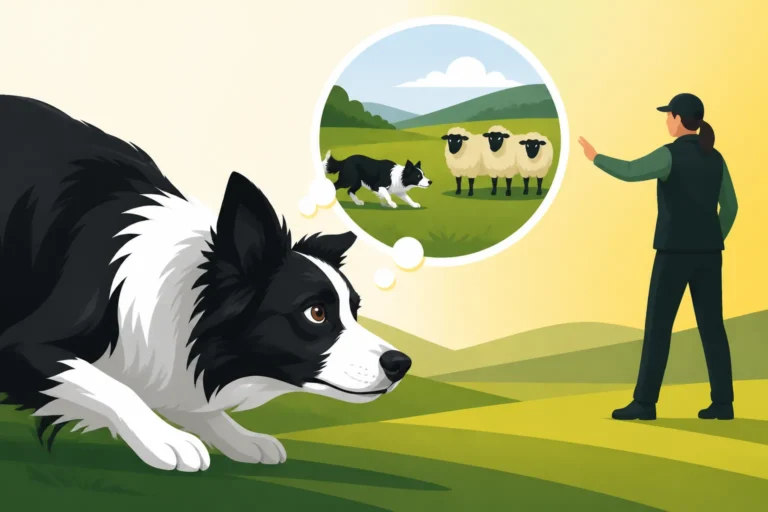
Many Border Collie owners find themselves wondering about that undeniable herding instinct lurking within their furry friend. You see it in their intense stare at a squirrel, their desire to gather up the kids in the yard, or even how they try to "herd" you into the kitchen for dinner. But what happens when you decide to take that curiosity a step further and participate in a formal herding instinct test? This guide will walk you through exactly what to expect, helping you understand this fascinating step in exploring your Border Collie's natural abilities.
What Exactly is a Herding Instinct Test?
It's a question many ask, often with a mix of excitement and a little bit of apprehension. You've heard your Border Collie is bred to herd, but what does that really mean for your dog, and how do you find out if they have that "spark"? An instinct test isn't a complex competition or a lengthy training session; it's a controlled observation designed to reveal the innate drive and aptitude your dog might possess for working livestock. It's truly a foundational experience, a peek into their genetic blueprint.
More Than Just "Meeting Sheep"
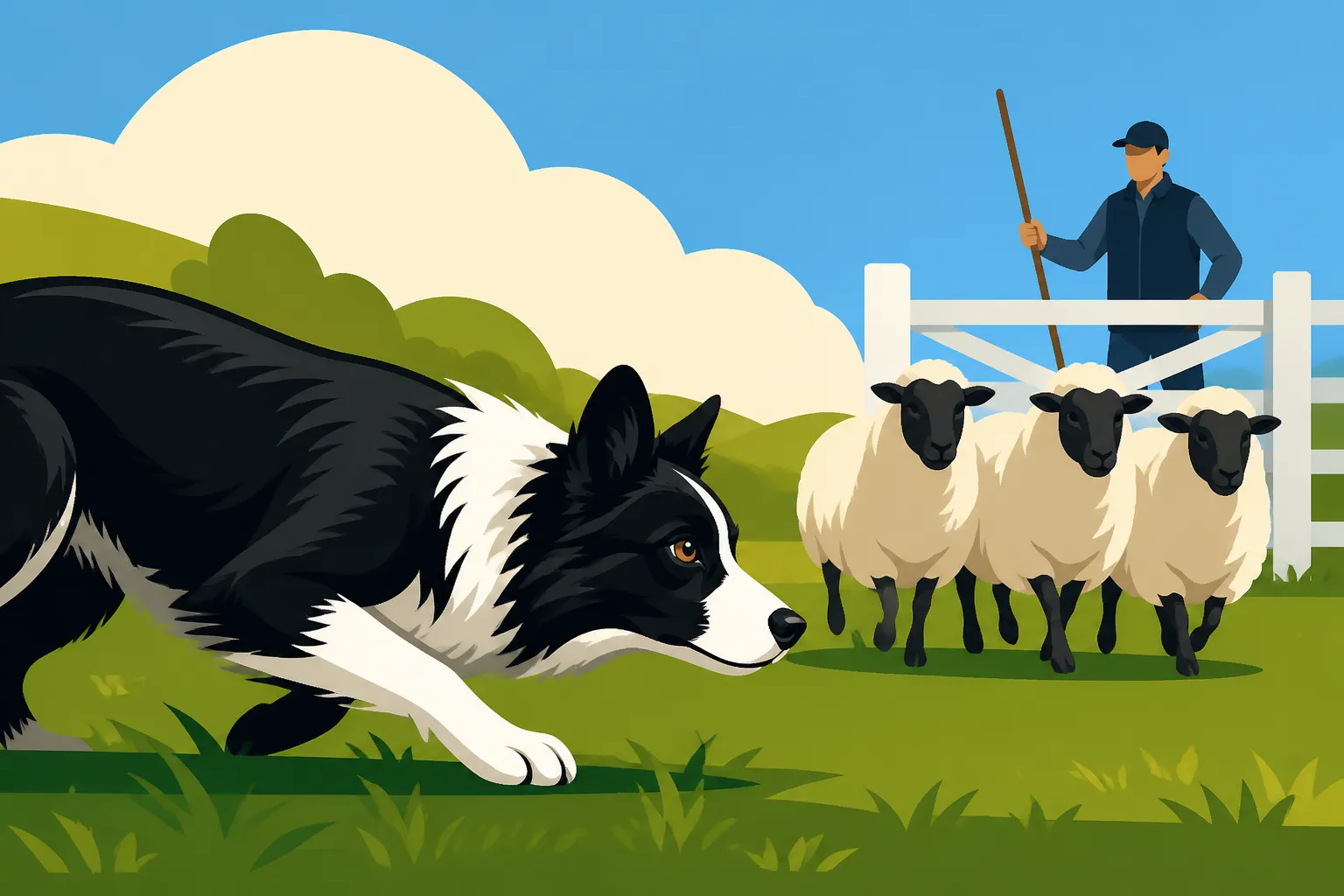
When you hear "herding instinct test," it's easy to picture just letting your dog loose with a flock of sheep, but it's far more nuanced than that. This isn't a free-for-all; it's a carefully orchestrated environment, typically in a small, enclosed pen, where an experienced evaluator (often called a "flagger" or "handler") introduces your dog to a few calm, tractable sheep. The evaluator's role is crucial; they aren't there to train your dog, but to observe its natural responses and, crucially, to keep the dog and sheep safe. They use a long stick or "flagger" to gently guide the sheep and create a safe space, ensuring the dog has the opportunity to show its instincts without fear or confusion.
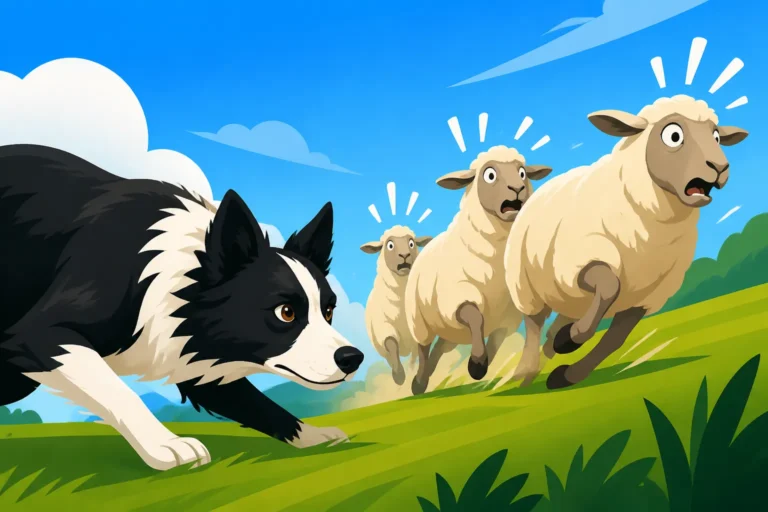
What the evaluator is looking for is specific: does the dog show interest? Does it approach the sheep? Does it try to gather them, or just chase them wildly? They're watching for the infamous "eye"—that intense, focused stare that Border Collies are known for—as well as balance, drive, and an innate desire to move and control the livestock. It's a quick, concentrated session, usually lasting just a few minutes, designed to see if the raw material for a working herding dog is present.
Why Owners Seek Out Instinct Tests
For many Border Collie owners, an instinct test is born out of curiosity. They see glimmers of herding behavior at home and wonder if it's "the real thing." Perhaps their dog barks excitedly at moving objects, tries to gather children, or circles them intently. An instinct test provides definitive clarification on their dog's innate abilities, confirming whether those behaviors are indeed rooted in true herding potential. It's a way to truly understand what drives your dog.
Beyond simple curiosity, these tests can be incredibly helpful in deciding on future training paths. If your dog exhibits strong herding instinct, it might open up a whole new world of engagement for them, like formal herding lessons or even the exciting world of sheepdog trials. Conversely, if the instinct is minimal or absent, it can help owners redirect their efforts to other dog sports or activities that better suit their dog's natural inclinations, ensuring a happier and more fulfilled life. Sometimes, simply understanding the source of their dog's intense focus – that classic The Border Collie Stare and Where It Comes From – is enough to help an owner better manage their dog's everyday behavior.
The Typical Setup and Flow of an Instinct Test
So, you've decided to go for it! You've found a local farm or training facility that offers instinct tests. What does the day itself look like, from arrival to the moment your dog steps out of the pen? Knowing what to expect can ease both your and your dog's nerves, allowing for a more accurate assessment of their true potential.
Arriving and Initial Observations
When you arrive at the test location, typically a working farm or specialized facility, you'll want to ensure your Border Collie is calm and ready to focus. This isn't the time for a wild pre-test romp; a relaxed dog will be better able to process the new environment and the sheep. Most evaluators will spend a few moments observing your dog's general temperament while on leash, how they interact with you, and their overall demeanor. This initial impression helps them gauge your dog's confidence and responsiveness.
It's a good idea to arrive with your dog well-hydrated and having had a chance to relieve themselves. A full bladder or intense thirst can be distracting for any dog, let alone one about to meet livestock for the first time. Keep your dog on a standard leash, not a flexi-lead, so you maintain good control. The goal is to set your dog up for success by minimizing external stressors and ensuring they are comfortable and attentive before entering the livestock pen.
Entering the Pen and First Contact
The pen itself is usually quite small, perhaps 40-50 feet in diameter, which allows for close observation and easy control of both dog and sheep. The sheep are typically calm, well-socialized individuals accustomed to working with dogs, often older ewes who know the ropes and won't panic. The evaluator will lead you and your dog into the pen, usually with the sheep already present, or they might bring them in once you're settled. This setup prevents the sheep from scattering and gives your dog a stable focal point.
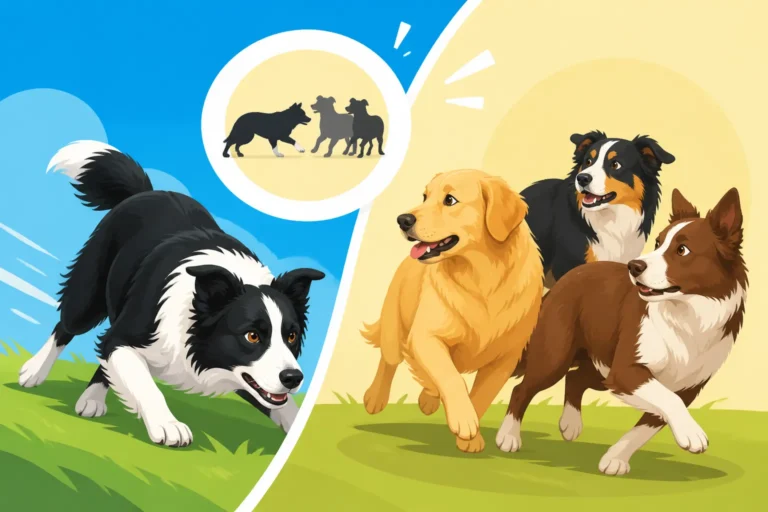
Once inside, the evaluator, using their flagger, will position the sheep to allow your dog to approach. This is the moment of truth. You might see a range of initial reactions: some Border Collies will immediately "lock on" with their characteristic intense stare, others might try to creep towards the sheep, some might bark excitedly, while others still might seem completely indifferent or even a little fearful. The evaluator will observe these initial interactions keenly, often making notes. They're looking for signs of genuine herding interest—the desire to move around the sheep, to gather them, rather than just chase them like prey. Distinguishing between a high prey drive and true herding instinct is key, especially since many dogs will initially chase. However, the true herder tries to control the movement, not just capture. This is where the experienced eye of the evaluator really shines, helping to discern if your dog's energy is being directed towards gathering, similar to how a Border Collie might try to herd the family cat or children in the house, as discussed in The Border Collie That Herds the Cat.
Guiding and Assessing the Instincts
During the session, the evaluator doesn't simply stand by. They actively facilitate the process. Using their flagger, they might gently move the sheep to encourage your dog to respond, or block the sheep if the dog is getting too pushy or panicking them. This gentle guidance helps to bring out the latent instincts. They are looking for natural circling, often called "outrun," where the dog goes wide to collect the flock, and a desire to bring the sheep to the handler, rather than just driving them away.
They'll also be watching for "balance," which is the dog's ability to position itself opposite the handler, keeping the sheep between them. This shows a natural understanding of how to control the flock. The session is usually short—often just 5-10 minutes. It’s not about exhausting the dog or forcing an outcome, but about seeing those initial sparks of intelligent, purposeful movement. The best evaluators know when to stop, preserving the dog's positive experience and preventing it from becoming overwhelmed or developing bad habits. They're observing the dog's natural inclination, not its learned skills.
Interpreting the Results and Next Steps
Once your Border Collie has had their turn in the pen, the evaluator will discuss their observations with you. This conversation is perhaps the most valuable part of the instinct test, offering insight into your dog's unique aptitude and helping you plan your journey forward.
Understanding "Pass," "Fail," and Everything In Between
It's important to understand that an instinct test isn't a pass/fail exam in the traditional sense, like an obedience trial. Instead, it's an assessment, a measure of your dog's potential. An evaluator won't tell you your dog "failed." Rather, they'll describe the level of instinct observed. They might categorize it as strong, moderate, or minimal/absent.
- Strong Instinct: This means your dog showed a clear desire to approach, move, and try to control the sheep. They likely demonstrated good eye, some natural balance, and an eagerness to engage in the herding behavior. This is the "Aha!" moment for many Border Collie owners.
- Moderate Instinct: Your dog showed interest, perhaps some chasing, but lacked consistent focus, balance, or the clear desire to gather. They might have needed more encouragement from the evaluator or were easily distracted. This still indicates potential, just perhaps not the immediate, intense drive of a naturally "started" dog.
- Minimal/Absent Instinct: In this scenario, your dog might have ignored the sheep entirely, shown fear, or only engaged in unpurposeful chasing without any attempt to control or gather. This doesn't mean your dog is "bad" or "broken"; it simply means herding isn't their calling. This is equally valuable information, guiding you to other avenues for their energy.
The evaluator will explain why they came to their conclusion, pointing out specific behaviors they observed, or perhaps more importantly, behaviors they didn't see.
Deciding on a Path Forward
Based on the evaluation, you'll have a much clearer picture of what's next for your Border Collie.
- For dogs with strong instinct: This is an exciting time! Many owners choose to pursue formal herding lessons, working with an experienced trainer who can channel that raw instinct into polished skills. This can be incredibly fulfilling for both dog and owner. Think of it as opening the door to a deeply satisfying activity for your Border Collie, possibly even leading to competitive trials. The First Time a Border Collie Meets Sheep is just the beginning of a potential lifelong journey together.
- For dogs with moderate instinct: Don't despair! A moderate instinct often just means the dog needs a bit more time, confidence-building, and consistent, gentle exposure. You might enroll in beginner herding lessons with an emphasis on building drive and understanding. Sometimes, it's about finding the right motivator and slowly encouraging the natural behaviors to emerge.
- For dogs with low/no instinct: This is your signal to explore other fantastic dog sports and activities that Border Collies excel at! Agility, flyball, obedience, scent work, trick training, or even dock diving can provide immense mental and physical stimulation. Your dog will be just as happy and fulfilled in these pursuits. The world is full of ways to engage a clever Border Collie, and perhaps your dog's talents lie elsewhere. Choosing a Sport for a Border Collie can help you discover other engaging activities. The key is to find what brings your dog joy and purpose, not to force them into a mold they don't fit.
Always remember, the evaluator's feedback is invaluable. They have seen hundreds, if not thousands, of dogs on sheep and can offer practical, realistic advice tailored to your Border Collie's specific aptitude.
Common Misconceptions and Important Considerations
As wonderful as instinct tests are, there are some common misunderstandings and crucial points to keep in mind to ensure you get the most out of the experience and make the best choices for your Border Collie.
Instinct vs. Training
One of the biggest misconceptions is confusing an instinct test with a training session. An instinct test is precisely that – a test of instinct. It's designed to reveal the raw, unadulterated potential your dog has inherited, not what they've learned. It’s like testing a child for natural musical aptitude; you're not expecting them to play a concerto, but to see if they have an ear for rhythm and melody. You wouldn't expect a dog to know herding commands like "come bye" or "away to me" during an instinct test, as those are learned behaviors. Teaching a Border Collie the Herding Commands comes much, much later, after instinct has been confirmed.
True herding training builds upon that instinct, shaping it into controlled, useful behavior. Without the underlying instinct, training will be an uphill battle, often frustrating for both dog and handler. The instinct test simply confirms whether you have that foundational ingredient. It also helps an owner understand how early instinct shows up, often from a surprisingly young age, guiding decisions on The Age to Start a Border Collie on Stock.
Not Every Border Collie Needs to Herd
This is perhaps the most important takeaway for many pet owners. While Border Collies were bred for herding, it does not mean that every single individual must herd to be happy or fulfilled. In fact, many Border Collies, even those with strong instinct, live wonderfully rich and engaging lives as beloved companions, excelling in sports like agility, flyball, or advanced obedience. Forcing a dog into herding if they show little interest or are fearful can be detrimental to their confidence and well-being.
There are countless ways to engage a Border Collie's brilliant mind and boundless energy. Mental stimulation, puzzle toys, extensive trick training, scent work, and long, varied walks are all excellent outlets. Sometimes, a busy household and a job like learning complex obedience routines from programs like BAXTER & Bella can provide all the "work" a Border Collie needs. The intense focus and problem-solving skills they bring to herding can be equally applied to learning the names of all their toys, or mastering a difficult agility course. Providing Mental Work That Tires a Border Collie Faster is far more important than forcing them to do something they don't enjoy.
Finding a Reputable Instinct Test Location
This consideration cannot be stressed enough. The quality of your Border Collie's instinct test experience heavily depends on the evaluator and the livestock involved. Look for facilities with experienced, patient evaluators who understand Border Collie behavior and herding principles. They should prioritize the safety and well-being of both your dog and the sheep. The sheep themselves should be calm, accustomed to dogs, and well-managed. You don't want your dog's first exposure to be with panicked, flighty sheep, or an aggressive evaluator who pushes the dog too hard.
Ask for recommendations from local Border Collie clubs, working dog organizations, or trusted trainers. Some evaluators might even offer a brief consultation beforehand to discuss your dog's background and your goals. Consider observing a test session yourself before bringing your dog, if possible. You can often find resources, books, and even online courses related to herding foundations on platforms like Amazon, which can help you educate yourself further before committing to a test.
| What an Instinct Test Looks For | What an Instinct Test DOESN'T Look For |
|---|---|
| Natural interest in livestock | Perfect obedience or learned commands |
| "Eye" (intense stare) | Extreme speed or power |
| Balance (ability to hold position) | Aggression or biting |
| Desire to gather/circle stock | Exhaustion or long work sessions |
| Natural "outrun" (circling wide) | Fear or disinterest |
| Confidence around sheep | Specific herding patterns (shedding) |
| Willingness to move sheep | Prior training experience |
Ultimately, an instinct test is a tool for understanding your unique Border Collie. It's a chance to see a piece of their heritage come alive, and to guide you towards the most fulfilling life you can build together. Whether that path leads to the trial field, as seen in What Happens at a Sheepdog Trial With a Border Collie, or to the agility ring, embracing your dog's true nature is what matters most.
Disclaimer
This article is for general informational purposes only and does not constitute professional advice. Laws, prices and regulations vary by location and change over time. Consult a qualified professional for guidance on your specific situation.