The Weekly Once-Over a Working Border Collie Gets
For us Border Collie folk, our dogs aren't just pets; they're partners, athletes, and often, the heartbeat of our homes or farms. When they're off their game, even slightly, it impacts everything. That little limp, the odd cough, or a change in their coat can signal something more serious brewing, and catching it early can make all the difference to their comfort, performance, and longevity. This guide is all about giving your working Border Collie a thorough weekly once-over, providing actionable steps to keep them sound and happy.
Why a Weekly Once-Over Isn't Just for Show Dogs
When you own a Border Collie, especially one that's actively engaged in herding, agility, flyball, or any other demanding sport or job, their body is their livelihood. Unlike a show dog whose weekly grooming might be focused on pristine presentation, our working dogs need a practical, head-to-tail inspection to ensure every part is functioning optimally and to catch potential issues before they escalate. It’s not about aesthetics; it’s about performance, comfort, and preventing small niggles from becoming debilitating injuries or illnesses.
Beyond the Daily Petting: The Importance of a Formal Check
We all pet our dogs daily, of course. We scratch behind their ears, rub their bellies, and probably feel a stray burr or two. But a formal weekly once-over goes deeper than casual interaction. It’s a methodical examination, an intentional scan of their entire body that allows you to establish a baseline for what's normal for your dog. This baseline is incredibly important. If you know what their ears usually smell like, what their gums typically look like, or how their joints usually feel, you'll be much quicker to spot an anomaly that needs attention. This kind of hands-on familiarity builds an invaluable connection with your dog's physical well-being.
Think of it this way: a working Border Collie puts tremendous strain on its body. They jump, weave, accelerate, stop on a dime, and navigate uneven terrain. This constant, high-intensity movement means they are more prone to minor strains, abrasions, and general wear and tear that might go unnoticed if you're not actively looking for them. Early detection of something like a tiny cut on a paw pad, a suspicious lump, or even a subtle shift in muscle tone can save you significant heartache and vet bills down the line. It's about proactive care, recognizing that these highly driven dogs will often try to "work through" discomfort, making it essential for us to be their vigilant advocates.
Establishing a Health Baseline for Early Detection
Every Border Collie is unique, and what's normal for one might not be for another. That's why establishing your individual dog's health baseline is crucial. During your weekly check, you're not just looking for problems; you're learning your dog's body. What's the natural temperature of their nose? How moist are their gums? What's the typical texture of their coat and skin? Are their lymph nodes usually palpable or not? By making these observations consistently, you create a mental (or even written) record of what "healthy" means for them.
This baseline becomes your early warning system. For instance, if you usually feel your dog's ribs easily but they start to feel a little too prominent, it might signal weight loss that needs investigation. Or if you typically run your hands over their legs without issue, but suddenly they flinch at a specific spot, you've got a clue about a potential strain or bruise. This ritualistic check builds confidence in your ability to assess your dog, allowing you to react quickly and appropriately, whether that means monitoring, simple home care, or a timely call to the vet. It’s a cornerstone of responsible ownership, especially for such active and intelligent dogs. For more on maintaining their physical health throughout their life, you might find The Border Collie That Stays Sound Into Its Teens a helpful read.
Head-to-Tail Inspection: Starting from the Top
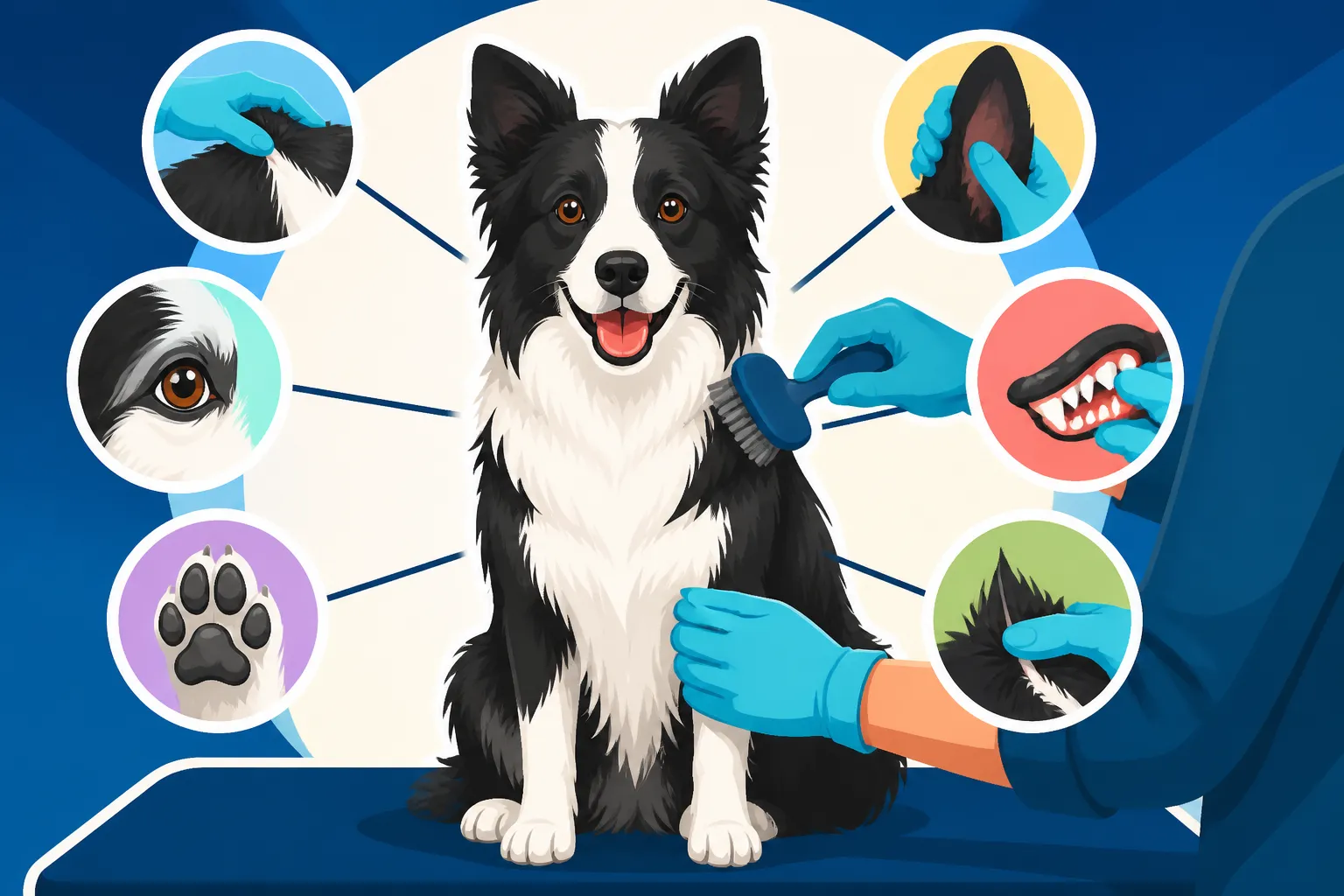
Beginning your weekly once-over from the head down helps ensure you don't miss anything. This systematic approach becomes a routine, making it easier to remember each area and compare it to previous weeks.
Eyes, Ears, and Nose: The Sensory Frontline
Start by gently examining your Border Collie's eyes. They should be clear, bright, and free of excessive discharge. A little sleep crust in the corner is normal, but anything more—like thick, colored discharge, redness, cloudiness, or squinting—warrants closer inspection. Gently pull down their lower eyelid to check the membrane; it should be a healthy pink, not pale white or angry red. Look for any signs of irritation, scratches on the cornea, or foreign objects, especially if your dog runs through tall grass or brush.
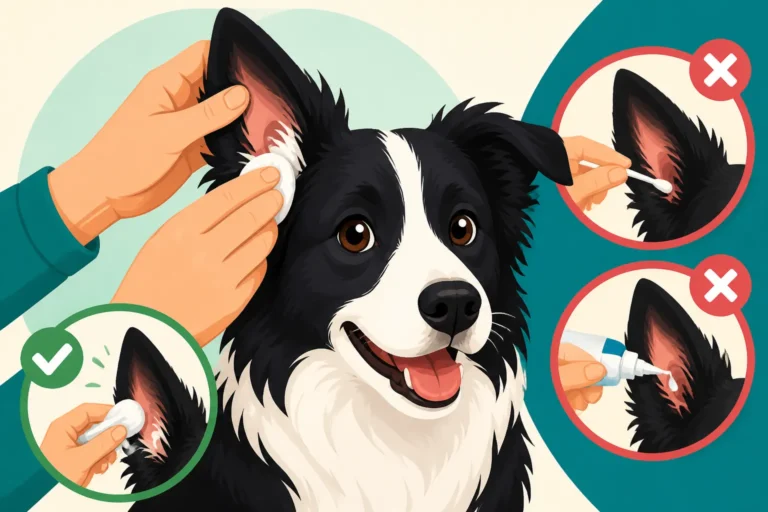
Next, move to the ears. Lift the ear flap (whether they have prick, semi-prick, or rose ears) and take a good sniff. A healthy ear has minimal odor. Any strong, yeasty, or foul smell, along with redness, swelling, or discharge, could indicate an infection. Border Collies with folded ears can be particularly prone to moisture buildup, so check the outer ear canal for wax buildup or irritation. Gently wipe away any visible grime with a cotton ball and a veterinarian-approved ear cleaner. If your dog seems painful or resistant, avoid going too deep and consult your vet.
Finally, check their nose. It should be moist and cool, though a dry nose isn't always a sign of illness. Look for any discharge, crusting, or bleeding. The nostrils should be clear and open. Sometimes, dogs can get foxtails or other foreign bodies lodged in their nasal passages, causing sneezing or pawing at the face.
Mouth and Gums: Beyond Just Clean Teeth
Open your Border Collie's mouth and take a good look. Their gums should be a healthy bubblegum pink (unless your dog has naturally pigmented gums, which is also normal). Press a finger gently on the gum, and the color should return within two seconds. This is called capillary refill time and is a quick indicator of circulation. Pale, white, or bluish gums can be a sign of a serious problem.
Check their teeth for tartar buildup, especially on the back molars. While a weekly check isn't about deep cleaning, it's about spotting problem areas. Look for broken or discolored teeth, which can be painful. The tongue should be a healthy pink and free of lesions or growths. Also, be mindful of their breath. While "dog breath" is a thing, an unusually foul odor could indicate dental disease, kidney problems, or other health issues. Many owners find a good dental chew or a regular brushing routine helps keep things fresh between professional cleanings.
Chest, Torso, and Underneath: Vital Areas for a Working Dog
Moving down from the head, the chest and torso are central to your Border Collie's overall well-being and ability to perform. This is where you assess their core body condition and examine the skin and coat for abnormalities.
Ribs, Spine, and Body Condition: The Lean Machine
Run your hands firmly over your dog's ribs, spine, and hips. You should be able to feel their ribs without pressing hard, but they shouldn't be visibly protruding. The spine should feel like a series of distinct bumps, and the hip bones should be palpable but not sharp. This is where you get a real sense of their body condition score. A working Border Collie needs to be lean and athletic, not overweight, as extra pounds put unnecessary strain on their joints, especially during high-impact activities.
Take note of any sensitivity or flinching when you touch these areas, which could indicate muscle soreness or a more significant issue. For instance, if they tense up when you run your hand along their back, it might be a sign of a spinal issue or general back pain. Many working Border Collies carry a very fit, athletic frame, and maintaining that ideal body condition is paramount. You can learn more about this in Keeping a Border Collie Lean Enough to Work. If you've been using a subscription food service like Ollie, this check is a great way to assess if their current portioning is hitting the mark for their activity level.
Skin, Coat, and Undercoat: The Protective Layer
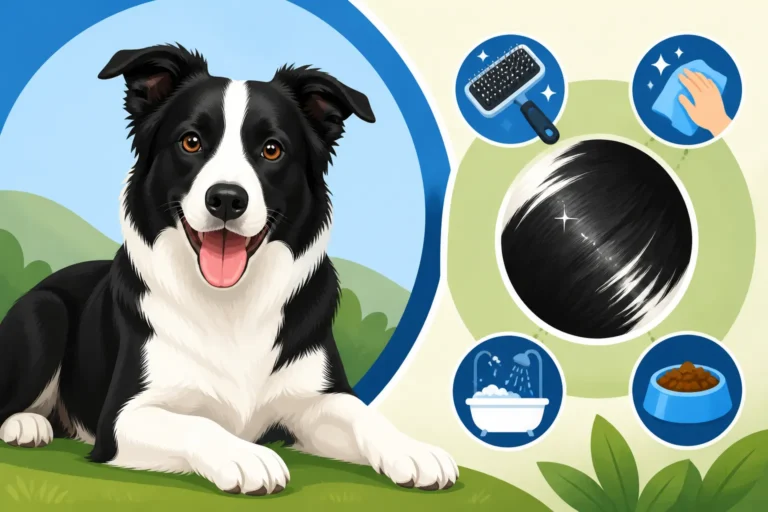
After checking their body condition, systematically comb or brush through their coat, paying close attention to their skin underneath. Look for any lumps, bumps, scabs, redness, flakes, or parasites like fleas or ticks. Run your hands against the grain of the fur to part it, allowing you to get a clear view of the skin. Border Collies, particularly those with rough coats, can get mats, especially behind the ears, in their "armpits," and on their "trousers" (the feathering on their hind legs). These mats can pull at the skin, causing pain and creating a breeding ground for skin infections. Grooming a Rough-Coated Border Collie offers excellent advice on managing these longer coats.
The coat itself should be shiny and healthy, without excessive shedding (beyond normal seasonal changes) or dry, brittle patches. Dullness can sometimes indicate nutritional deficiencies or underlying health problems. Pay special attention to areas that might rub or get wet often, like the armpits or groin, as these spots can develop rashes or hot spots. Many pet supply retailers like Chewy offer a wide array of brushes and combs specifically designed for different coat types, making this task easier and more effective.
Belly and Groin: Often Overlooked Areas
Gently lift your Border Collie's leg and examine their belly and groin area. The skin here is often thinner and more sensitive. Look for rashes, redness, insect bites, or any swelling. In male dogs, check the testicles for symmetry, size, and any lumps. In both sexes, ensure the urinary opening is clean and free of discharge.
Also, feel along their mammary glands, even in males, for any lumps or swelling. While rarer in males, mammary tumors can occur. In females, especially unspayed ones, this is a critical area to monitor. If your dog has recently been spayed or neutered, check the incision site to ensure it's healing cleanly, without redness, swelling, or discharge. These subtle checks can reveal conditions like hernias, skin irritations, or even early signs of more serious internal issues.
Legs and Paws: The Foundation of Their Work
For a working Border Collie, their legs and paws are arguably the most critical tools of their trade. These hardworking limbs take the brunt of their athletic endeavors, making a thorough weekly check absolutely non-negotiable.
Joints and Limbs: Flex and Feel
Systematically work your way down each leg, starting from the shoulder or hip. Gently feel along the bones and muscles, checking for any heat, swelling, or pain. Flex and extend each joint—shoulders, elbows, wrists, hips, stifles (knees), and hocks (ankles)—through its normal range of motion. Listen for any clicks, pops, or grinding sensations. Does your dog resist any particular movement, or seem stiff? These could be indicators of anything from a minor muscle strain to early signs of Osteoarthritis in a Border Collie by Eight or even more serious orthopedic issues like hip or elbow dysplasia.
Pay close attention to any areas of abnormal muscle development, or conversely, muscle atrophy, which could suggest they are favoring a limb. Working dogs can develop incredibly powerful muscles, but imbalances can occur. For agility dogs, shoulder and stifle health are paramount, while herding dogs can put a lot of strain on their hocks. This hands-on examination allows you to catch subtle lameness or discomfort before it becomes a full-blown injury that sidelines your dog. Early intervention is key to managing conditions and keeping them comfortable and active.
Pads, Toes, and Nails: Ground-Level Health
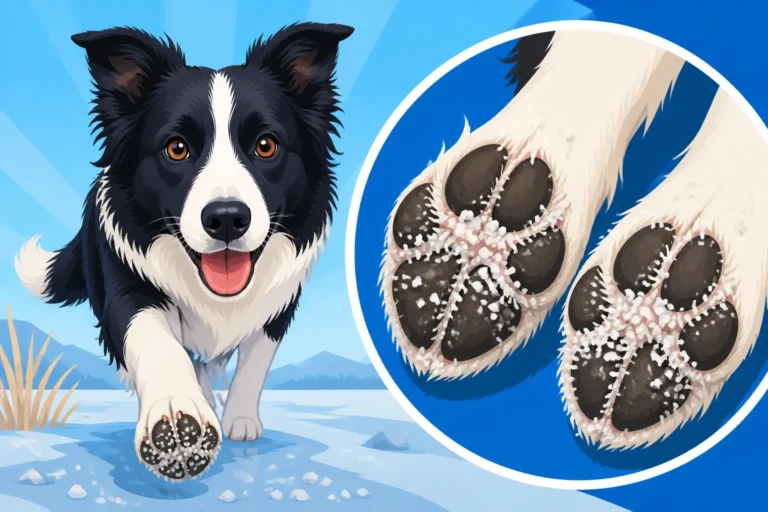
The paws bear the brunt of every step, turn, and jump. Thoroughly inspect each paw, including the pads, between the toes, and the nails. The paw pads should be tough but supple, without cuts, cracks, or excessive dryness. Look carefully between the paw pads for foreign objects like burrs, thorns, grass seeds (which can burrow deep and cause abscesses), or embedded debris. This is a common spot for irritation and infection, especially for dogs working in varied terrain.
Check each toe individually for swelling, redness, or tenderness. Sometimes, an injured toe can be subtle. The nails should be trimmed to an appropriate length; you shouldn't hear them clicking loudly on hard floors. Overly long nails can splay the toes, cause discomfort, and even lead to painful splits or breaks. If you're unsure about trimming, ask your vet or a groomer for a demonstration. Using a good paw balm, easily found on Amazon or Chewy, can help keep pads supple and prevent cracking, particularly in dry or harsh weather. For a deeper dive into paw health, check out Feet, Pads and Legs on a Working Border Collie.
Tail, Hindquarters, and "The Exit": Ensuring Everything is in Order
While less glamorous, the tail and hindquarters are crucial areas to inspect. They can reveal signs of pain, skin issues, or even problems with digestion or elimination that impact your Border Collie's overall health and comfort.
Tail Base and Anal Glands: Beneath the Fluff
Starting at the base of the tail, gently run your hands down to the tip. Check for any lumps, bumps, or areas of tenderness. A Border Collie's tail is an important communication tool and can be prone to injury, especially if they are enthusiastic tail-waggers who frequently bump it. In rough-coated dogs, the tail can also collect burrs and mats, so ensure it's clean and free of tangles.
While you're at the base of the tail, gently lift it and check the area around the anus. It should be clean and free of irritation or discharge. Look for any signs of scooting, which often indicates irritated or impacted anal glands. If your dog has been scooting, or if you notice any swelling or redness around the anal area, it's time for a vet check. Some dogs need regular anal gland expression, while for others, it's rarely an issue. However, keeping this area clean and free from infection is important for their general hygiene and comfort.
Cleanliness and Skin Health in the Hindquarters
The hindquarters, including the "trousers" (the longer fur on the back of the thighs), are another area where mats can form easily, especially in dogs that get wet or muddy frequently. Part the fur and inspect the skin for any redness, irritation, or skin issues. In dogs with sensitive skin or allergies, this area can sometimes show signs of inflammation or itching.
If your Border Collie has been experiencing any diarrhea, ensure this area is kept meticulously clean to prevent skin scald or irritation. A quick wipe down with a damp cloth after they relieve themselves can go a long way. This inspection helps you monitor for issues that could be secondary to dietary sensitivities or internal upset, giving you clues about their digestive health.
Behavioral Cues and Muscular Health: Beyond the Visible
A weekly once-over isn't just about what you can see and feel; it's also about tuning into your Border Collie's subtle behavioral cues and assessing their overall muscular health, which are crucial indicators of their comfort and well-being.
Observing Gait and Posture for Subtle Lameness
After your hands-on inspection, observe your Border Collie as they walk, trot, and even run, if appropriate. Watch them from the front, side, and rear. Are they moving symmetrically? Do they put equal weight on all four paws? Look for any subtle head bobs, a shortened stride, or a reluctance to bear weight on a particular limb. Even a very slight limp, known as lameness, can indicate discomfort. They might also shift their posture, holding their head lower, tucking their tail, or hunching their back.
These subtle changes in gait or posture can be the first sign of an underlying orthopedic issue, muscle strain, or even neurological problems. Border Collies are incredibly stoic and driven, often masking pain for as long as possible. This means we, as their handlers, need to be hyper-vigilant. If you notice a consistent change, even a minor one, it's worth noting. Sometimes, a video of their movement on a level surface can be incredibly useful to show your veterinarian what you're seeing, especially if the lameness is intermittent or subtle. Checking a Border Collie Over After Field Work also discusses some of the common injuries and strains to look out for in active dogs.
Behavioral Changes as Health Indicators
Beyond physical signs, pay close attention to any changes in your Border Collie's usual demeanor or routine. Are they less enthusiastic to work? Are they resting more than usual? Are they reluctant to jump into the car or climb stairs? Have they become more irritable or withdrawn? Or perhaps they're displaying unusual behaviors like licking a specific spot excessively? While some behavioral shifts can be purely emotional or training-related, many are direct indicators of physical discomfort or pain.
For example, a sudden drop in their characteristic drive might be more than just "off" behavior; it could be a subtle sign of illness or chronic pain. If a typically outgoing dog suddenly snaps when another dog gets too close, it might be an indication that they are in pain and trying to protect themselves. Don't dismiss these behavioral cues. They are often your dog's way of telling you something is wrong, especially if they are typically very high-energy and resilient. Documenting these changes, however minor, can provide valuable information for your vet during their The Annual Exam a Border Collie Needs. If you're grappling with a significant change, Signs an Old Border Collie Is in Pain offers insights into detecting and managing discomfort in older dogs, which can sometimes manifest as behavioral shifts.
Essential Tools for Your Weekly Check-Up Kit
Having the right tools on hand makes your weekly once-over more efficient and effective. You don't need a huge arsenal, but a few key items will be invaluable.
Grooming Tools for Inspection and Maintenance
First and foremost, you'll want good grooming tools. For rough-coated Border Collies, a sturdy pin brush, a slicker brush, and a metal comb (especially one with both wide and narrow teeth) are essential for getting through their dense undercoat and feathering. These help you spot skin issues and prevent mats, which can hide problems and cause discomfort. For smooth-coated dogs, a rubber curry brush or a fine-toothed comb might suffice, but don't skip the thorough inspection. The Smooth-Coated Border Collie and What Its Coat Needs can guide you on specific tools for that coat type.
Additionally, a good pair of nail clippers or a dremel grinder is crucial for keeping their nails short. Long nails can cause gait changes and discomfort, especially on hardworking paws. A styptic powder should always be on hand in case you cut a nail too short. An old washcloth or specific pet wipes can also be great for cleaning ears, eyes, or around the hindquarters if needed. Many of these items are readily available from retailers like Chewy or your local pet supply store.
First Aid and Hygiene Supplies
Beyond grooming, assemble a small first-aid kit specifically for your Border Collie's weekly check. This should include:
- Veterinarian-approved ear cleaner: For routine cleaning to prevent infections.
- Cotton balls or gauze pads: For applying ear cleaner or cleaning around eyes.
- Pet-safe antiseptic wipes or solution: For cleaning minor cuts or scrapes on paw pads or skin.
- Paw balm: To moisturize and protect their hardworking paw pads.
- Tweezers or a tick remover tool: Indispensable for safely removing splinters, burrs, or ticks encountered during outdoor work.
- Flashlight or headlamp: Invaluable for peering into ears, examining teeth, or getting a clear look at hidden areas.
Having these items within reach means you can immediately address minor issues you discover during your check, rather than having to scramble to find supplies. It's about preparedness and ensuring your dog's immediate comfort and health. For more general health monitoring, Yearly Bloodwork for a Border Collie can give you an idea of preventative health measures beyond home checks.
Record Keeping: Your Border Collie's Health Journal
You're doing all this detailed work, so why not make it count even more? Keeping a simple health journal for your Border Collie is an incredibly powerful tool. It transforms your observations from fleeting thoughts into actionable data, allowing you to track changes, identify patterns, and communicate more effectively with your veterinarian.
What to Document During Your Weekly Check-Up
Your health journal doesn't need to be fancy; a simple notebook or a digital document will do. Here's what you should aim to document each week:
- Date of check: Crucial for tracking timelines.
- Weight: Consistent weight tracking can alert you to gradual changes in body condition, especially important for active dogs.
- General observations: Note your dog's overall demeanor. Are they energetic? Lethargic? Any changes in appetite or water consumption?
- Specific findings: Document anything unusual you found: a small cut on a paw, redness in an ear, a new lump, a sensitive joint. Be as descriptive as possible (e.g., "small, pea-sized lump on left flank, freely movable," or "right front paw pad cracked, no bleeding").
- Behavioral changes: Did you notice any subtle lameness, reluctance to jump, excessive licking, or changes in how they interact with you or other dogs?
- Action taken: What did you do about any issues? (e.g., "cleaned paw with antiseptic wipe," "trimmed nails," "monitored ear redness").
- Follow-up plan: Do you need to recheck an area in a few days? Is a vet visit warranted?
A systematic approach makes this simple. Use a table format, like the one below, to guide your weekly review and keep your records consistent.
| Area of Examination | Normal Findings (Your Dog's Baseline) | What to Look/Feel For (Red Flags) | Your Weekly Observation | Action Taken / Plan |
|---|---|---|---|---|
| Eyes | Clear, bright, minimal discharge | Redness, discharge, squinting | ||
| Ears | Clean, no odor, healthy pink | Odor, redness, discharge, debris | ||
| Nose | Moist, clear nostrils | Discharge, crusting, bleeding | ||
| Mouth/Gums | Healthy pink, clean teeth | Pale/red gums, tartar, broken teeth | ||
| Body Condition | Ribs palpable, lean tuck | Ribs protruding/hard to feel | ||
| Skin/Coat | Shiny, no flakes, no lumps | Lumps, bumps, scabs, mats, parasites | ||
| Legs/Joints | Full range of motion, no swelling | Heat, swelling, pain, stiffness | ||
| Paws/Nails | Supple pads, short nails | Cuts, cracks, long nails, foreign objects | ||
| Tail/Hindquarters | Clean, no irritation, no scooting | Redness, discharge, scooting | ||
| Gait/Posture | Symmetrical, fluid movement | Lameness, stiffness, reluctance | ||
| Demeanor | Energetic, engaged | Lethargy, irritability, withdrawal |
Communication with Your Veterinarian
This health journal becomes an invaluable asset when you need to consult your veterinarian. Instead of vaguely trying to remember when you first noticed a limp or how long a cough has been going on, you can provide precise dates and observations. This level of detail helps your vet quickly narrow down potential causes, track the progression of symptoms, and make more informed diagnostic and treatment decisions. It demonstrates your commitment to your dog's health and provides a comprehensive picture that a one-off exam might miss.
For example, if your dog suddenly starts having seizures, having a record of any previous subtle changes—even behavioral ones—could be incredibly helpful. Or, if they are diagnosed with a chronic condition, your weekly notes can help the vet assess the effectiveness of medication or lifestyle adjustments. Think of it as your dog's personal medical history, compiled by the person who knows them best: you. This is especially useful for managing chronic conditions, or understanding the nuances of how a particular medication is affecting them, as discussed in Medicating a Border Collie Without Dulling It.
Disclaimer
This article is for general informational purposes only and does not constitute professional advice. Laws, prices and regulations vary by location and change over time. Consult a qualified professional for guidance on your specific situation.