What a Retired Border Collie Should Eat Instead
It's a bittersweet moment when your once tireless Border Collie, the dog who lived to work or play fetch for hours on end, starts to show their age. Suddenly, those long runs are shorter, the jumps aren't quite as high, and the drive to herd everything in sight begins to mellow. One of the biggest challenges many of us face during this transition is figuring out how to adjust their diet. What a Border Collie needs to eat when they're putting in a full day's work is vastly different from what sustains them comfortably and healthily in their golden years, and getting it wrong can quickly lead to weight gain, discomfort, and a host of other health issues. This guide will walk you through the essential dietary shifts to ensure your beloved retired Border Collie remains healthy, happy, and well-nourished.
Understanding the Nutritional Shift for a Retired Border Collie
As our Border Collies transition from their prime working or competitive years into a more relaxed retirement, their bodies undergo significant changes. What once fueled boundless energy and intense focus now needs to be re-evaluated to prevent common senior health issues. It's not just about feeding "less," it's about feeding differently.
The Metabolic Slowdown
One of the most fundamental changes that accompanies aging in Border Collies, as with most dogs, is a noticeable metabolic slowdown. Think about it: a young Border Collie on a farm might burn calories at an incredible rate, constantly moving, thinking, and reacting. They're built for endurance and high-intensity bursts. When you consider How Many Calories a Border Collie Burns Herding versus a dog now content with leisurely strolls and long naps by your feet, the difference in energy expenditure is monumental. Their bodies simply aren't working as hard internally or externally.
This reduced metabolic rate means they require fewer calories to maintain their ideal body weight. Continuing to feed them the same high-performance diet they thrived on in their younger, more active days is like leaving the gas pedal floored in a parked car – it's wasteful and eventually causes problems. Their digestive system might also become less efficient at processing certain nutrients, and their overall energy needs decrease. This isn't a sign they're "broken" or less of a dog; it's a natural, inevitable part of the aging process that requires us, as their caretakers, to adapt their care.
Common Mistakes in Transitioning Diets
It's easy to make mistakes during this dietary transition, often with the best intentions. Many owners, still seeing glimpses of their dog's youthful energy, underestimate just how much their Border Collie has slowed down. One of the most common errors is failing to recognize The Age a Border Collie Starts to Slow and adjust their food accordingly. We might continue to offer the same generous portions of a high-energy kibble, designed for peak performance, long after that performance has peaked.
Another pitfall is making abrupt, rather than gradual, changes to their food. A sudden switch can upset a senior dog's sensitive digestive system, leading to tummy troubles, which is the last thing you want for an aging companion. Furthermore, some owners might inadvertently overcompensate, cutting back too drastically on food or opting for very low-quality "senior" foods that lack essential nutrients. The goal isn't just weight loss; it's optimal nutrition for a longer, healthier life, which means ensuring they still receive high-quality protein, vitamins, and minerals. Overlooking these details can lead to deficiencies or excessive weight gain, both of which shorten a dog's healthy lifespan.
Signs Your Retired Border Collie Needs a Diet Change
How do you know it's time to adjust? Your Border Collie's body will often tell you. One of the most obvious indicators is weight gain, often subtle at first. You might notice they're losing The Tuck a Fit Border Collie Should Show or that their ribs are harder to feel beneath their coat. This isn't just an aesthetic issue; excess weight puts immense strain on their joints, exacerbating conditions like Osteoarthritis in a Border Collie by Eight and making mobility even more challenging.
Beyond weight, look for changes in energy levels, not just the expected slowing down, but an unusual lethargy or reluctance to engage in activities they once enjoyed. They might seem stiffer after resting or have difficulty getting up. Changes in coat quality, digestive issues like constipation or diarrhea, or even increased thirst can all be subtle clues that their current diet isn't quite right for their aging body. Regularly monitoring their body condition score, rather than just their weight on the scale, is key. If you're seeing any of these signs, it's definitely time to reassess what's in their bowl.
Key Dietary Adjustments for Senior Border Collies
Once you've recognized the need for change, the next step is understanding what specific adjustments to make. It's a delicate balance of reducing some elements while bolstering others to support their aging body systems.
Reducing Calorie Intake Effectively
The most immediate and critical adjustment for a retired Border Collie's diet is a reduction in overall calorie intake. As their activity level naturally decreases—especially if they are Retiring a Border Collie From Stock Work or from intense sport—they simply don't need the same energy dense foods. Continuing to feed a diet formulated for Feeding a Border Collie That Works Two Hours a Day will almost certainly lead to weight gain.
The best way to achieve this is not necessarily by just feeding smaller portions of their old food, which could inadvertently reduce essential nutrients. Instead, consider switching to a high-quality "senior" or "light" formula specifically designed with fewer calories but still packed with vitamins and minerals. These foods typically achieve lower caloric density by reducing fat content and increasing fiber, which helps your dog feel full without overeating. When you're Cutting a Retired Border Collie's Ration Back, make sure you're using accurate measuring cups and sticking to a consistent schedule. Consult your vet to determine the ideal caloric intake for your dog's current weight and activity level. Many commercial senior diets will provide a guideline based on weight, but remember, every dog is an individual.
Prioritizing Protein for Muscle Maintenance
While calorie intake needs to decrease, the importance of high-quality protein does not diminish for a senior Border Collie; in fact, it often becomes even more crucial. Older dogs can experience muscle mass loss, known as sarcopenia, which impacts their strength, mobility, and overall quality of life. Maintaining lean muscle is vital for supporting their joints and keeping them active for longer.
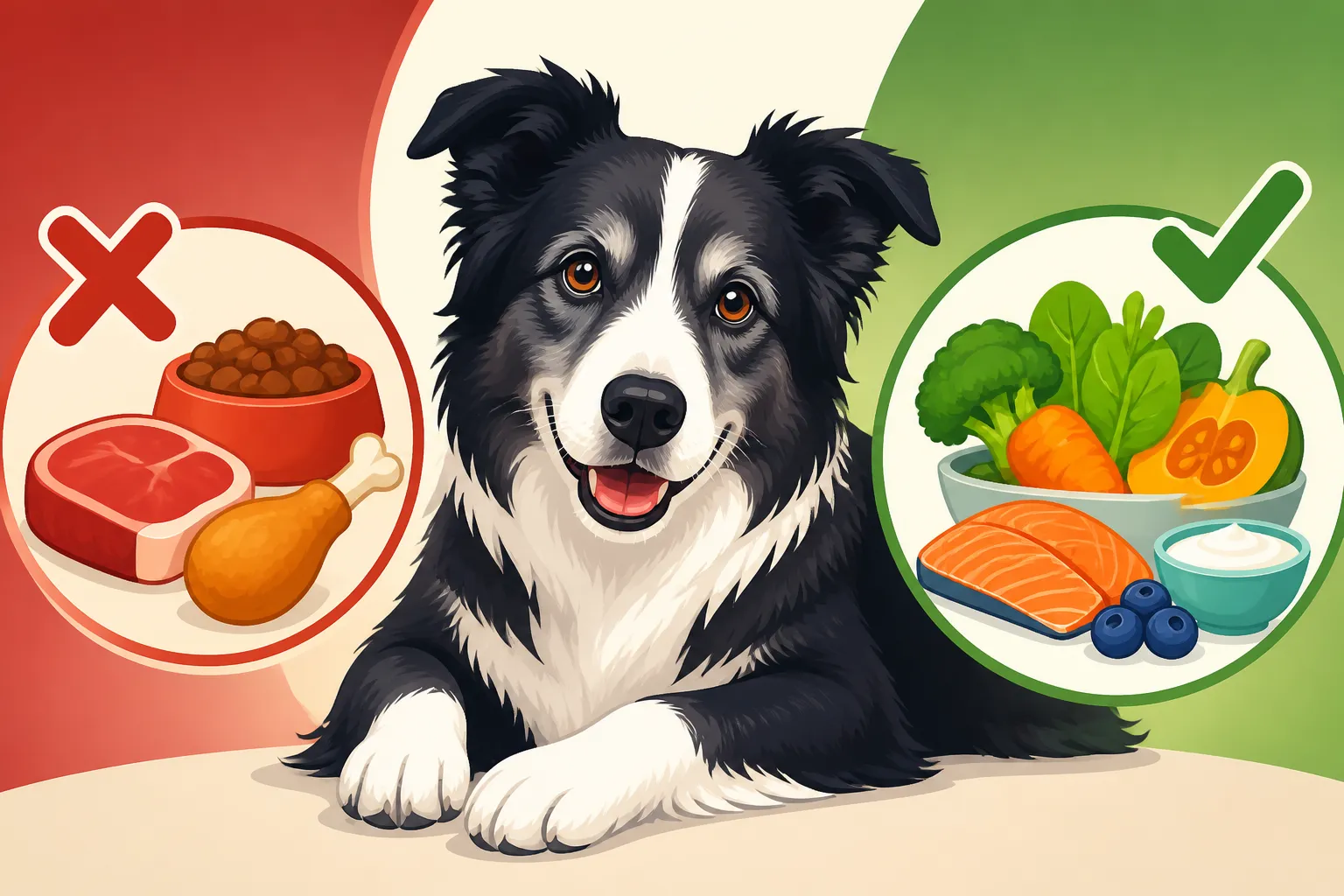
Look for diets that contain a moderate to high level of easily digestible protein from good sources, such as chicken, lamb, fish, or beef. These proteins provide the essential amino acids needed to repair and maintain muscle tissue without contributing to excessive fat. Don't fall into the trap of thinking a "senior" diet automatically means low protein; that's often a misconception. Instead, focus on lean protein content. This helps prevent them from becoming frail and less able to move comfortably, which can further reduce activity and create a vicious cycle of muscle loss and weight gain. Adequate protein ensures they keep enough strength to enjoy their walks, get up from a nap, and still have a good quality of life.
Incorporating Joint-Supporting Ingredients
Aging inevitably takes a toll on a Border Collie's joints, especially given their active past. Many working and sport Border Collies develop some degree of arthritis or joint stiffness as they age. Therefore, their diet should actively support joint health. Look for ingredients like glucosamine, chondroitin, and omega-3 fatty acids.
Glucosamine and chondroitin are natural compounds found in healthy cartilage and are known to help maintain its integrity and reduce inflammation. Omega-3 fatty acids, particularly EPA and DHA found in fish oil, are powerful anti-inflammatories that can significantly reduce joint pain and improve mobility. Many senior dog foods will include these ingredients, but you might also consider adding them as supplements. Brands widely available on platforms like Chewy or Amazon often carry a variety of reputable Joint Supplements for a Border Collie Doing Agility or other types of joint support. Discussing this with your veterinarian is essential to determine the appropriate dosage for your dog's specific needs and to ensure it won't interact with any other medications they might be taking. Giving them that extra boost can truly make a difference in their comfort and willingness to move.
Choosing the Right Food Type and Formula
The sheer variety of dog food options available today can be overwhelming. For a retired Border Collie, the choice isn't just about brand; it's about finding the right type and formula to meet their evolving needs.
Senior-Specific Commercial Diets
For many Border Collie owners, a high-quality senior-specific commercial diet offers the most convenient and nutritionally balanced option. These foods are typically formulated by veterinary nutritionists to address the unique requirements of older dogs. They generally feature:
- Reduced Calories and Fat: To prevent weight gain.
- Increased Fiber: To promote satiety and healthy digestion.
- Higher Protein: To maintain muscle mass.
- Joint Support: Often fortified with glucosamine, chondroitin, and omega-3 fatty acids.
- Antioxidants: Like vitamins E and C, to support the immune system and combat cellular aging.
- Easier Digestibility: Ingredients that are gentle on an older dog's digestive system.
When selecting a senior kibble, read the ingredient list carefully. Look for whole animal protein sources as the first few ingredients, followed by digestible carbohydrates and healthy fats. Avoid foods with excessive fillers, artificial colors, or preservatives. Popular pet supply retailers like Chewy offer a vast selection of senior formulas from reputable brands, making it easier to compare options and read reviews. Always transition your dog slowly onto a new food over 7-10 days, gradually mixing increasing amounts of the new food with decreasing amounts of the old food. This minimizes digestive upset and allows their system to adjust smoothly.
Exploring Fresh or Home-Cooked Options
For some owners, the idea of feeding a fresh or home-cooked diet to their retired Border Collie holds appeal. There's a certain satisfaction in knowing exactly what goes into your dog's bowl. Companies like Ollie deliver fresh, human-grade meals tailored to your dog's needs, which can be an excellent option for older dogs, especially those with pickier appetites or digestive sensitivities. These meals are often highly palatable and can improve hydration due to their higher moisture content.
If you're considering a home-cooked diet, however, it's absolutely crucial to work with a board-certified veterinary nutritionist. Randomly combining ingredients you think are healthy for humans is a recipe for nutritional deficiencies in dogs. They need a precise balance of proteins, fats, carbohydrates, vitamins, and minerals. A nutritionist can create a balanced recipe specifically for your Border Collie's age, weight, and any underlying health conditions. While potentially more time-consuming and costly, fresh or home-cooked diets can offer customized nutrition that may be particularly beneficial for dogs with complex health issues or those who struggle with commercial kibble. The commitment to meticulous preparation and precise measurement is paramount to ensure your dog is getting all the nutrients they need.
Wet Food vs. Dry Kibble for Older Dogs
The debate between wet food and dry kibble often comes down to individual dog preference and specific health needs, especially in their senior years.
Dry Kibble Pros:
- Dental Health: Some kibble is designed to help scrape plaque off teeth, though this effect is often minimal.
- Cost-Effective: Generally more affordable than wet or fresh food.
- Convenience: Easy to store, measure, and doesn't spoil quickly.
- High Energy: Can be formulated to be very calorie-dense (though this is a con for senior dogs unless it's a "light" formula).
Dry Kibble Cons:
- Palatability: Can be less appealing to finicky eaters.
- Hydration: Lower moisture content, so dogs need to drink more water.
- Dental Issues: Can be difficult for dogs with Soft Food for a Border Collie With Worn Teeth, missing teeth, or gum disease to chew.
Wet Food Pros:
- Hydration: High moisture content contributes to overall hydration, which is vital for kidney health in older dogs.
- Palatability: Often more appealing and aromatic, great for dogs with reduced appetite or a picky palate.
- Dental Issues: Easier to eat for dogs with dental problems.
- Weight Management: Can be used to help a dog feel full on fewer calories due to its volume, even if the caloric density per gram is lower.
Wet Food Cons:
- Cost: Generally more expensive per serving.
- Dental Health: Does not contribute to cleaning teeth and can sometimes stick to them.
- Storage: Once opened, it needs refrigeration and has a shorter shelf life.
For many senior Border Collies, a combination of both can work well. A dry senior kibble as the base, topped with a spoon of wet food, can increase palatability and hydration without fully committing to a more expensive all-wet diet. Ultimately, the best choice considers your dog's health, preferences, and your budget.
Here’s a quick overview of some food options:
| Food Type | Pros for Retired Border Collies | Cons for Retired Border Collies | Key Nutritional Focus |
|---|---|---|---|
| Senior Kibble | Formulated for lower calories, joint support, good fiber. Cost-effective. | Can be less palatable. Low moisture content. | Weight control, joint health, digestibility |
| Wet Food | High moisture for hydration, very palatable, easy to chew for dental issues. | More expensive, less dental benefit (usually), shorter shelf life once opened. | Hydration, palatability, ease of eating |
| Fresh/Gently Cooked | Highly palatable, digestible, excellent hydration, human-grade ingredients. | More expensive, requires careful balancing (if home-cooked), specific storage. | Overall health, targeted nutrition |
Managing Portion Control and Feeding Schedule
Once you've selected the right food, how you feed it is just as important as what it is. Precision and consistency are paramount when managing a retired Border Collie's diet to prevent both weight gain and nutritional deficiencies.
Accurate Measuring and Consistent Feeding Times
You might have eye-balled your Border Collie's food when they were younger, especially if they were burning off every single calorie in the field. But for a retired dog, every calorie counts. Guessing portions can lead to significant over or underfeeding over time. Invest in a reliable kitchen scale or accurate measuring cups specifically for pet food. Do not rely on "scoops" that come with food bags, as their volume can vary, and what one person considers a "cup" can differ wildly from another. Your veterinarian can provide precise caloric recommendations, which you can then translate into grams or cups of your chosen food.
Feeding consistency also plays a vital role. Establishing a regular feeding schedule—typically two meals a day—helps regulate their metabolism and digestive system. This routine can also be comforting for an older dog and helps you monitor their appetite. If they suddenly start refusing meals or leaving food, it's an immediate flag that something might be amiss, prompting you to investigate further. A consistent schedule helps distinguish between a true loss of appetite and merely being a bit finicky.
Healthy Treats and Supplementation
Treats are often a source of hidden calories that can quickly derail a retired Border Collie's diet. While it's tempting to reward them often, especially as they get older, you need to be mindful. Opt for low-calorie, healthy options. Fresh vegetables like green beans, carrots, or apple slices (without seeds) make excellent, guilt-free treats. There are also many commercial low-calorie dog treats available on platforms like Amazon or Chewy; just be sure to check the nutritional information. Remember to factor any treats into their daily caloric intake to avoid accidental overfeeding.
Beyond treats, supplementation can be a valuable tool for supporting an aging Border Collie. As discussed, joint supplements like glucosamine and chondroitin are often beneficial. Omega-3 fatty acids are also great for overall health, including skin, coat, and cognitive function. Some older dogs might benefit from probiotics to aid digestion, or antioxidants to support their immune system. If your Border Collie is showing signs of Canine Cognitive Dysfunction in an Old Border Collie, supplements formulated for brain health might also be considered. Always consult your veterinarian before adding any supplements to your dog's diet. They can help you choose the right product and dosage, ensuring it's safe and effective for your individual dog and doesn't interfere with any existing medications.
Monitoring Weight and Body Condition Score
The scale is one tool, but judging your Border Collie's body condition by sight and touch is even more important for a retired dog. The Body Condition a Sport Border Collie Carries is usually very lean, but as they age, it's easy for them to get a little too comfortable. Aim for a Body Condition Score (BCS) of 4-5 out of 9 (or 2-3 out of 5, depending on the chart your vet uses).
Here's how to check your dog's BCS:
- Ribs: You should be able to easily feel your dog's ribs with light pressure, almost like feeling the back of your hand. They shouldn't be visibly protruding, but you shouldn't have to press hard to feel them.
- Waist: Look down at your dog from above. You should see a distinct waistline tucked in behind their ribs.
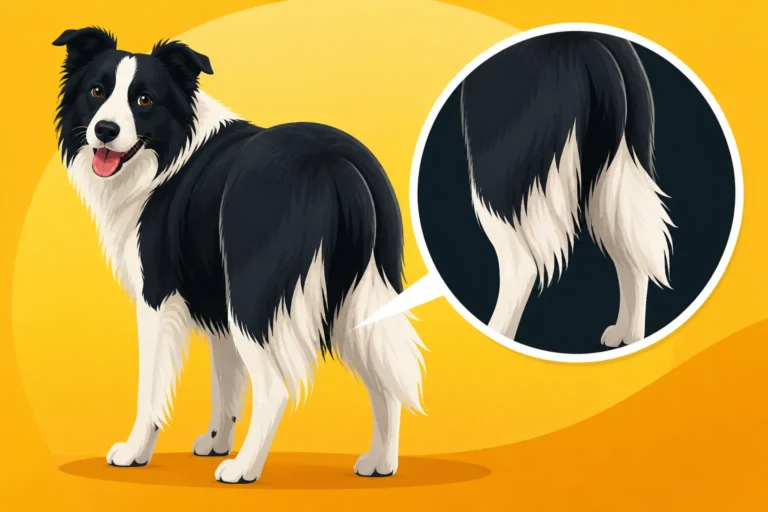
- Abdominal Tuck: When viewed from the side, your dog's abdomen should tuck up slightly from their rib cage to their hind legs.
Regularly check your Border Collie's BCS every few weeks. If you notice them gaining weight, you'll need to re-evaluate their food intake and potentially increase their gentle exercise. If they're losing weight unintentionally, it's crucial to consult your vet, as this can be a sign of an underlying health issue. Keeping accurate records of their weight and BCS over time can help you and your vet make informed decisions about their dietary needs as they continue to age.
Addressing Specific Health Considerations Through Diet
A retired Border Collie's diet can play a crucial supportive role in managing specific health conditions common in older dogs. While diet isn't a cure-all, strategic nutritional choices can significantly improve their quality of life.
Dental Health and Diet
Dental disease is incredibly common in older dogs, and a painful mouth can seriously impact their willingness to eat, or their ability to properly chew and digest food. Dogs with Soft Food for a Border Collie With Worn Teeth or significant gum disease might struggle with hard kibble, leading to decreased appetite or even weight loss.
For these dogs, wet food, fresh cooked meals, or even softened kibble (by adding warm water) can be a game-changer. These options are much easier to chew and swallow, ensuring they receive adequate nutrition without discomfort. However, softer foods don't provide the same mechanical cleaning action as kibble (even if minimal), so regular dental care, including professional cleanings and at-home brushing (if tolerated), becomes even more critical. Certain dental chews designed to fight plaque can also be beneficial, but again, remember to account for their calories. A good diet can support overall oral health, but it's not a substitute for proper veterinary dental care.
Kidney and Liver Support
As Border Collies age, their internal organs, particularly the kidneys and liver, can become less efficient. While a veterinarian must diagnose and manage any kidney or liver disease, diet often plays a supportive role.
For dogs with early signs of kidney issues, a diet lower in phosphorus and controlled protein levels may be recommended. High-quality, easily digestible protein is still important to prevent muscle wasting, but the quantity and type might need to be adjusted. For liver support, a diet that is highly digestible, with moderate protein and restricted copper levels, can sometimes be beneficial. It's important to stress that these are specialized diets, and any changes to address organ health must be done under the direct guidance of your veterinarian or a veterinary nutritionist. They can prescribe or recommend appropriate therapeutic diets that are precisely balanced for these conditions. Attempting to manage serious organ disease through diet without professional guidance can be detrimental to your dog's health.
Digestive Sensitivity in Older Border Collies
Just like humans, older dogs can experience changes in their digestive systems, leading to increased sensitivity, constipation, or more frequent upset stomachs. Their gut microbiome can shift, and enzyme production might decrease, making it harder to break down and absorb nutrients.
Diets formulated for senior dogs often include ingredients to support digestive health, such as:
- Increased Fiber: Both soluble and insoluble fiber help regulate bowel movements. Soluble fiber can act as a prebiotic, feeding beneficial gut bacteria, while insoluble fiber adds bulk to stool.
- Prebiotics and Probiotics: These can help maintain a healthy balance of gut bacteria, improving digestion and nutrient absorption. Many senior foods incorporate these, or they can be given as supplements.
- Highly Digestible Ingredients: Foods with easily digestible protein sources and simple carbohydrates are gentler on a sensitive stomach.
If your retired Border Collie is experiencing persistent digestive issues, it’s important to consult your vet to rule out any underlying medical conditions. Once cleared, dietary adjustments, such as introducing a sensitive stomach formula or specific supplements, can often provide significant relief and improve their comfort. Paying attention to their stool quality and consistency is a good indicator of how well their diet is working for their digestive system.
The journey with a retired Border Collie is a special one, filled with quiet companionship and cherished moments. By thoughtfully adjusting their diet, we can help ensure their golden years are as comfortable, healthy, and happy as possible.
Disclaimer
This article is for general informational purposes only and does not constitute professional advice. Laws, prices and regulations vary by location and change over time. Consult a qualified professional for guidance on your specific situation.