Whether a Border Collie Works Safely in Deep Snow
Border Collie safety in deep snow involves preventing hypothermia, frostbite, and musculoskeletal strain during winter work.

Border Collie safety in deep snow involves preventing hypothermia, frostbite, and musculoskeletal strain during winter work.
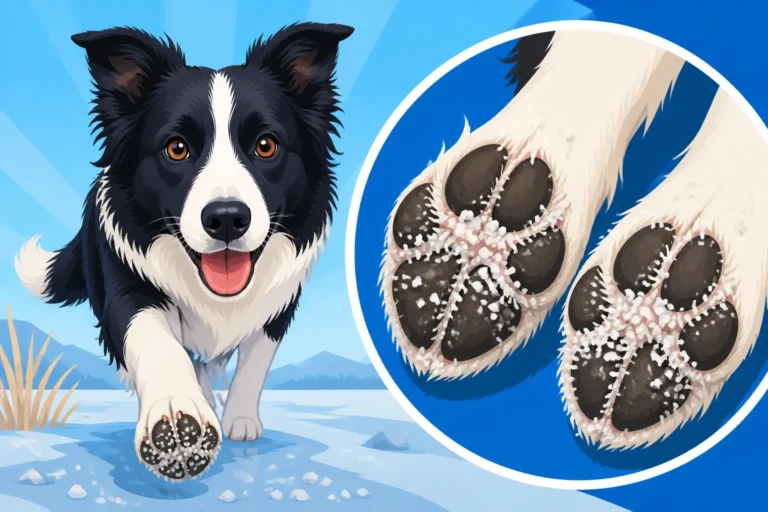
Salt and grit trapped in paw pads cause chemical burns, cracks, and severe irritation for Border Collies after winter walks.

Border Collie body temperature regulation and coat types explain how working dogs stay warm between intense runs.

Vehicle confinement risks for Border Collies at trials, detailing heatstroke dangers, temperature swings, and safer alternatives.

Border Collie heat risks during summer trials and how working dogs overheat due to high exertion and dense coats.

Early morning work sessions for Border Collies channel high drive, prevent overheating, and improve daily behavior.

Border Collie overexertion happens because working instincts and adrenaline mask fatigue during intense tasks.

Border Collie hydration practices and the effects of cold water after vigorous exercise help owners manage recovery safely.

Strategic wetting during warm weather cools a working Border Collie, enhancing panting and maintaining safe body temperature.
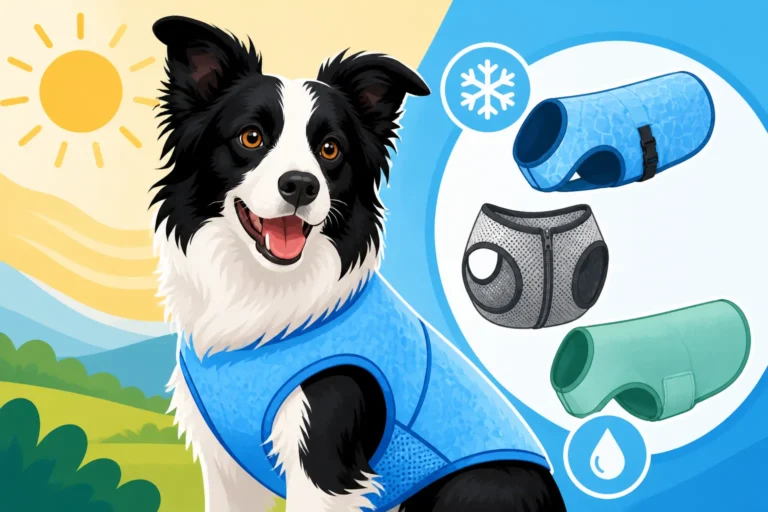
Cooling coats and vests use evaporative science to help regulate a Border Collie body temperature during warm weather.