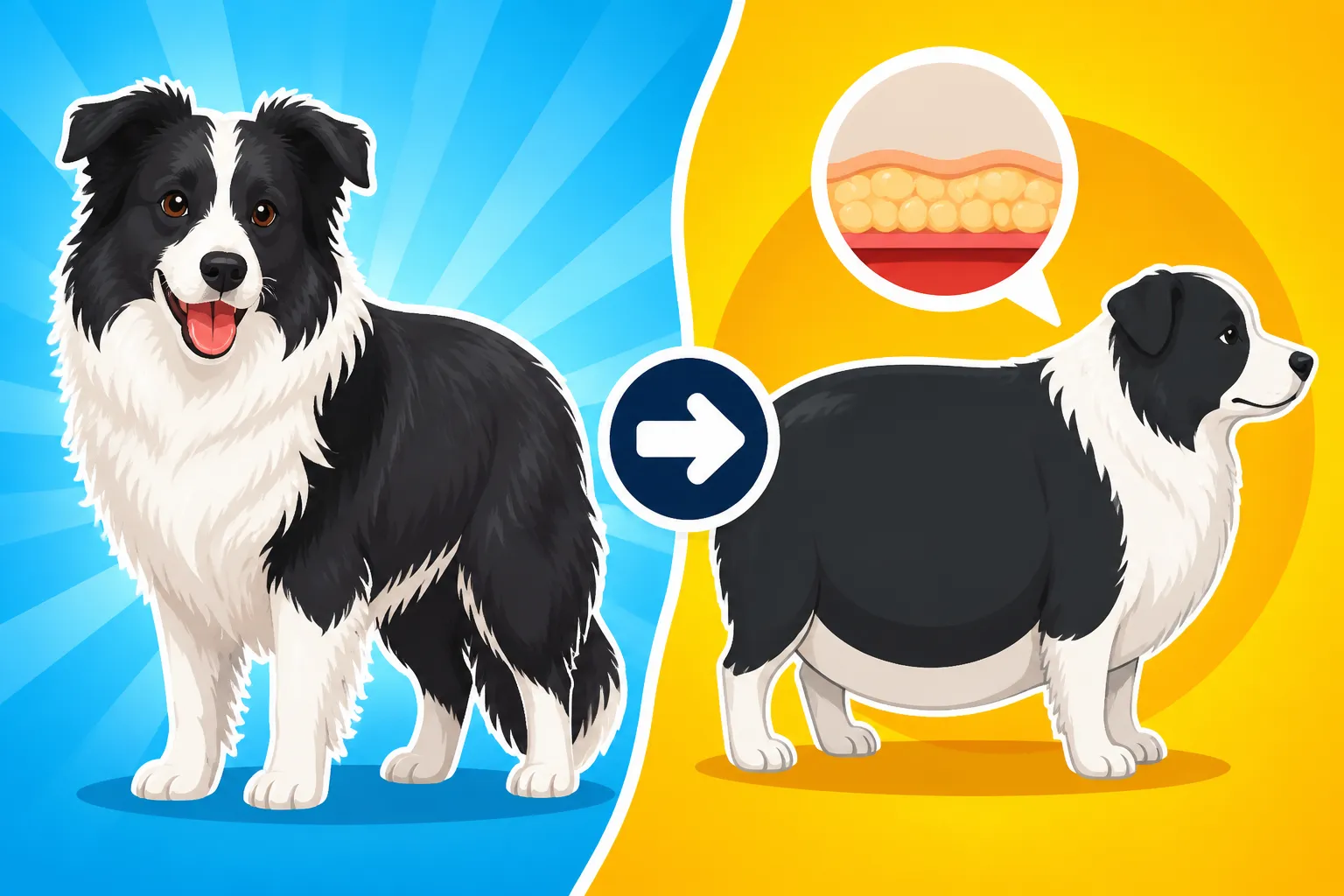
Whether a Rough Coat Hides a Fat Border Collie
It’s a common frustration for so many of us Border Collie owners with our gorgeous, fluffy companions: you look at your dog, and you just can't tell if they’re carrying a little too much weight or if that luxurious coat is simply doing an excellent job of disguising their true physique. This guide is all about helping you confidently assess your rough-coated Border Collie's body condition, understanding why it matters, and what steps you can take to ensure they stay healthy and fit.
The Deceptive Nature of the Rough Coat
Ah, the rough coat! It’s one of the things we adore about many Border Collies – that beautiful, flowing hair that gives them such a classic look. But let’s be honest, it can be a real troublemaker when you're trying to figure out if your beloved dog is at their ideal weight. You might stare for ages, tilting your head, trying to see a waistline that just isn’t obvious beneath all that fluff. This isn't just a vanity concern; your dog's weight has a profound impact on their health and longevity.
The Double-Layered Challenge
A rough-coated Border Collie typically boasts a double coat: a soft, dense undercoat for insulation and longer, coarser guard hairs that protect against elements like rain, snow, and thorny brush. It’s a magnificent piece of natural engineering, perfectly suited for a dog whose ancestors worked tirelessly in varied weather conditions. However, this very adaptation creates a visual conundrum for us owners. The thickness of the undercoat, especially when it’s fully blown in during cooler months, can add a deceptive layer of bulk. The longer guard hairs then fall over this, further smoothing out any natural contours of the body. What looks like a perfectly proportioned dog from a distance might, upon closer inspection, reveal a significant layer of excess padding. You're essentially trying to read a book through a very thick, fuzzy blanket. It’s no wonder so many of us struggle with this.
Visual Cues Versus Palpation
When dealing with a smooth-coated dog, or even breeds with a single, thinner coat, a quick visual scan is often enough. You can easily spot a tucked waist, feel the curve of their ribs with a light touch, and see if there’s any undue sag in their belly. For our rough-coated Border Collies, though, relying solely on your eyes can lead you astray. What appears to be a good weight might, in reality, be bordering on overweight because the coat simply masks the natural definition.
Imagine trying to guess the shape of a tree trunk when it's completely covered in thick ivy. You get a general idea, but the fine details are lost. It’s the same principle here. This is where palpation – using your hands to feel your dog's body – becomes absolutely indispensable. It’s the most reliable method for accurately assessing your Border Collie's body condition, allowing you to bypass the visual camouflage of their beautiful fur and get down to what’s truly happening underneath. It’s a skill every owner of a rough-coated dog should cultivate, and honestly, once you get the hang of it, it becomes second nature, like checking your own pulse.
Mastering the Art of Palpation for Body Condition
Okay, so we've established that the "eye test" isn't going to cut it for our fluffy friends. Now, let's get hands-on! Palpation is simply using your sense of touch to evaluate your dog's body. It sounds more complicated than it is, and with a little practice, you'll be a pro. The goal is to feel for key anatomical landmarks like ribs, spine, and hip bones, and to assess the amount of fat covering them.
Finding the Ribs
This is perhaps the most crucial part of assessing your Border Collie's body condition. Their ribs are like little billboards telling you a story about their fat reserves.
To start, place both your hands flat on either side of your dog's chest, just behind their front legs. Your fingers should be pointing downwards, and your thumbs towards their spine. Gently but firmly run your fingertips along their side, applying light pressure, moving from front to back, covering the rib cage area. Don't press so hard that you hurt them, but firm enough to get through that glorious rough coat and feel what's beneath.
What you're looking for is to feel the individual ribs.
- Ideal Weight: You should be able to feel each rib distinctly, almost like feeling the knuckles on your hand, but without having to press hard. There should be a slight layer of fat over them – enough to feel smooth, but not so much that they disappear. They shouldn't feel sharp or prominent, nor should they feel deeply buried under a cushion.
- Overweight: If you have to press quite firmly to feel the ribs, or if you can't easily count them, feeling more like a padded surface than distinct bones, then your Border Collie is likely carrying too much weight. The thick coat can make this even harder to discern, so really focus on the sensation under your fingertips.
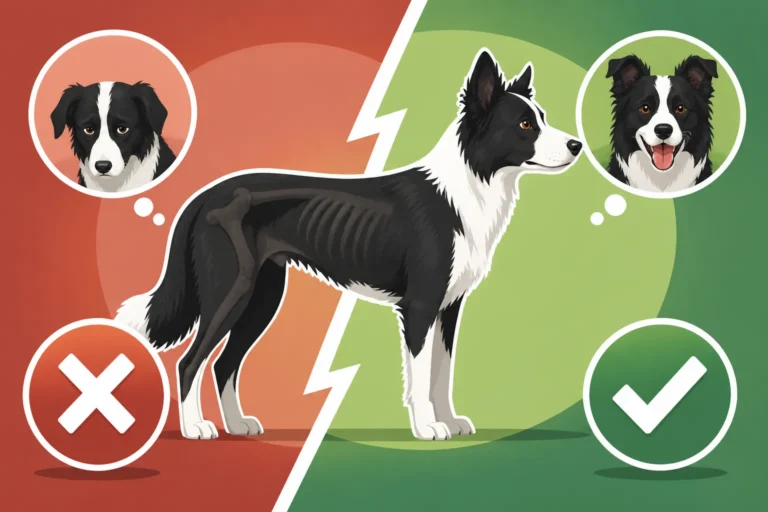
- Underweight: If the ribs feel very prominent, sharp, and you can see them visually despite the rough coat, your dog is too thin. This is less common in pet Border Collies but can happen with illness or insufficient feeding.
Remember, the rough coat adds a challenge. It's not about seeing them, but about feeling them with clarity through the hair and skin. It might take a few attempts, perhaps when your dog is relaxed and enjoying a good scratch, to get an accurate read.
Assessing the Waist and Abdominal Tuck
Even with a rough coat, a healthy Border Collie should have some degree of a discernible waist and an abdominal tuck. These are often the first things to disappear when a dog starts to gain weight.
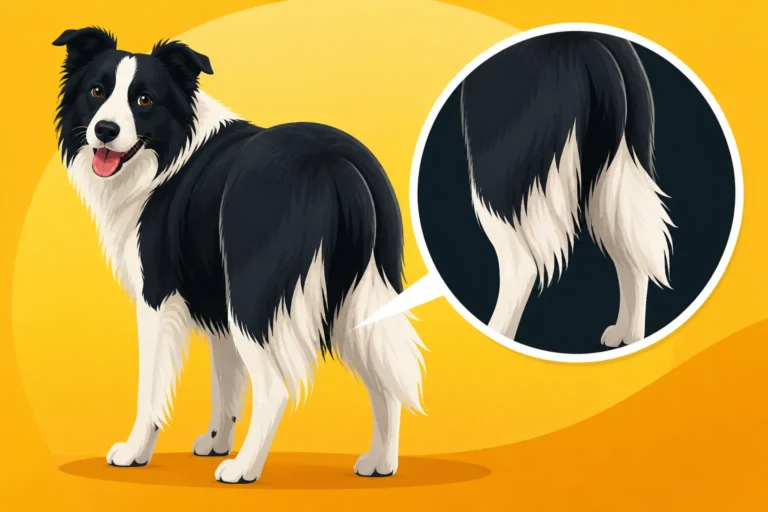
- The Waist: Stand above your dog and look down at their back. Behind their rib cage, where their hind legs begin, there should be a slight narrowing, like an hourglass figure. With a rough coat, this might not be a dramatic visual curve, but there should be some indentation. Run your hands along their sides from the ribs back to the hips. You should feel a gentle curve inwards. If your hands slide straight back from the ribs to the hips without any narrowing, or if the sides bulge out, that indicates excess fat.
- The Abdominal Tuck: This refers to the belly area behind the ribs, which should tuck up slightly rather than hanging low or being level with the chest. Again, the coat can make this difficult to see clearly from the side. Use your hands to feel the underside of their belly. It should slope upwards from the bottom of the rib cage towards the groin. If their belly appears full or droops, even if they have a lot of hair, it’s a sign that they might be overweight. A common misconception is that a saggy belly is just loose skin from spaying/neutering; while that can contribute, often it’s a sign of abdominal fat accumulation.
For a true working dog, or an agility competitor, a distinct waist and tuck are vital for agility and stamina. A dog with a great The Body Condition a Sport Border Collie Carries will show these characteristics clearly under closer inspection, even if the coat provides a softer outline.
Feeling the Spine and Hip Bones
These bony prominences also offer valuable clues about your Border Collie's body fat.
- The Spine: Run your hand firmly along your dog’s backbone, from their shoulders all the way to the base of their tail.
- Ideal Weight: You should be able to feel the individual bumps of the vertebrae, but they shouldn't feel sharp or jagged. There should be a thin layer of muscle and fat over them, making them feel smooth but distinct.
- Overweight: If the spine feels like a smooth, rounded ridge, and you can't easily distinguish the individual vertebrae without digging in, there's too much fat covering it.
- Underweight: The individual vertebrae will feel very prominent and sharp, almost like a washboard, with little to no padding over them.
- The Hip Bones (Pelvis): Now move your hands to your dog's hips, located on either side of the base of their tail.
- Ideal Weight: You should be able to feel these bony points with a light touch, but they shouldn't protrude dramatically. They'll have a slight covering.
- Overweight: The hip bones will be difficult to feel, hidden under a significant layer of fat. They might feel like soft bumps rather than distinct bony points.
- Underweight: The hip bones will be very obvious, possibly even visible through the coat, and feel sharp to the touch.
By combining the assessment of ribs, waist, tuck, spine, and hip bones, you get a comprehensive picture of your Border Collie’s body condition, regardless of how fluffy their coat is. Regular checks, perhaps once a week during grooming sessions, will help you notice subtle changes and take action before a minor issue becomes a bigger problem.
Why Body Condition Matters for a Border Collie
Keeping your Border Collie at their ideal body weight isn't just about aesthetics; it's absolutely crucial for their overall health, performance, and indeed, their very happiness. These are dogs bred for work, for stamina, for quick turns and bursts of speed. Every extra pound they carry, or every pound they're missing, impacts their ability to do what they love and affects their long-term well-being.
The Risks of Being Overweight
When your rough coat is hiding a Border Collie that’s carrying too much weight, you're inadvertently inviting a host of health problems. It's a silent threat because it often creeps up slowly, and the very nature of their coat helps mask the visual signs until it's quite advanced.
First and foremost, excess weight puts an enormous strain on their joints. Border Collies are generally athletic, but they are still susceptible to conditions like Hip and Elbow Scores in a Border Collie and Osteoarthritis in a Border Collie by Eight. Even a few extra pounds dramatically increases the load on their hips, elbows, and knees, accelerating the wear and tear on cartilage and leading to pain, stiffness, and reduced mobility. This can prematurely end a dog's working or sport career, or simply make daily life uncomfortable.
Beyond joints, an overweight Border Collie is at higher risk for cardiovascular disease. Their heart has to work harder to pump blood through a larger body mass, leading to increased blood pressure and a greater chance of heart issues down the line. They're also more prone to breathing difficulties, especially in warm weather, making them more susceptible to things like Heat Stroke in a Border Collie That Kept Working – a serious and potentially fatal condition. Diabetes, certain types of cancer, and reduced liver function are also concerns associated with obesity in dogs. Think about how much a working Border Collie needs to do; imagine trying to do that with a heavy backpack on all day. It dramatically reduces their stamina, their zest for life, and their ability to stay sound.
The Dangers of Being Underweight
While less common, an underweight Border Collie also faces significant health challenges. Sometimes, in an effort to keep an active dog lean, owners might accidentally underfeed, or an underlying health issue could be the culprit.
An underweight dog lacks the necessary energy reserves to fuel their active lifestyle. Their body starts to break down muscle tissue for energy, leading to muscle wastage, especially noticeable over the hips and shoulders. This loss of muscle compromises their strength, agility, and overall physical performance. They might appear lethargic, struggle to keep up with their usual activities, and lose their vibrant drive.
Being too thin can also compromise their immune system, making them more susceptible to infections and slower to recover from illness or injury. Their ability to regulate body temperature can be affected, making them more sensitive to cold weather. If your Border Collie is underweight despite adequate feeding, it's a clear signal that something else might be going on, such as parasites, dental issues, malabsorption problems, or other medical conditions requiring immediate veterinary attention. It’s crucial not to dismiss thinness as simply "being lean." A truly lean, healthy Border Collie is muscular and fit, not emaciated.
Longevity and Quality of Life
Ultimately, maintaining an ideal body condition is one of the most significant things you can do to extend your Border Collie’s How Long a Border Collie Lives and enhance their overall quality of life. Dogs at a healthy weight tend to live longer, more active, and more comfortable lives. They suffer from fewer chronic diseases, maintain better mobility into their senior years, and generally have a higher energy level and a more positive disposition.
A fit Border Collie can chase the ball, work stock, hike trails, and play with gusto well into their golden years. An overweight or underweight dog, on the other hand, will often experience discomfort, pain, and a reduced capacity for joy in their daily activities. Their working life, whether on the farm or in sports, may be cut short by joint problems or fatigue – a heartbreaking prospect for any owner who cherishes their dog's drive and athleticism. Keeping your Border Collie at that sweet spot of ideal weight is truly an act of love, ensuring they can be the vibrant, intelligent, and active companion they were born to be for as long as possible. It truly impacts What Ends a Border Collie's Working Life.
Practical Strategies for Weight Management
Once you've mastered palpation and have a clear idea of your Border Collie's body condition, the next step is proactive management. Whether your rough-coated dog needs to shed a few pounds, gain some muscle, or simply maintain their current lean physique, consistent strategies are key.
Diet Adjustments for a Rough-Coated Border Collie
Diet is often the first place to look when managing weight. For an active breed like the Border Collie, their caloric needs can be high, but it's easy to overdo it, especially if their activity fluctuates.
- Calorie-Appropriate Food: Not all dog foods are created equal. A working or sport Border Collie often thrives on a high-quality food formulated for active breeds, which provides a good balance of protein, fat, and carbohydrates to fuel their energy demands. However, if your Border Collie isn't working or training intensely every day, a standard adult maintenance food might be more appropriate, or even a weight-management formula if they need to lose weight. Read labels carefully and consult with your vet or a canine nutritionist. Brands like Ollie offer customized fresh food plans that can be tailored precisely to your dog's specific caloric needs, body condition goals, and activity level, which can be incredibly helpful for fine-tuning their intake. You can also find a vast array of high-quality kibble and wet food options on platforms like Chewy, allowing you to compare ingredients and nutritional profiles.
- Portion Control is Paramount: This is where many owners unintentionally go wrong. Even if you're feeding a great food, too much of it will lead to weight gain. Measure your dog's food accurately with a dedicated scoop or kitchen scale. Don't just eyeball it. The feeding guidelines on dog food bags are just starting points; your dog's individual metabolism, activity level, and age will dictate their true needs. If your Border Collie needs to lose weight, reduce their daily intake by 10-15% gradually, rather than drastically, to avoid hunger and nutrient deficiencies. If they need to gain, increase slowly.
- Treats Count: Those little training treats add up! Be mindful of how many treats you're giving throughout the day. Opt for low-calorie options, use vegetables like green beans or carrots as healthy rewards, or integrate a portion of their daily kibble into training sessions. Remember, every calorie contributes to their overall intake.
Exercise and Mental Stimulation
A Border Collie is a powerhouse of energy and intellect. Diet alone won't keep them fit; they need to move and think!
- Tailored Physical Activity: For a Border Collie, "exercise" often means more than just a leisurely walk around the block. They need purposeful activity that engages both their body and mind. This could be regular sessions of Teaching a Border Collie the Herding Commands if you have access to stock, agility training, flyball, disc dog, or even long, vigorous hikes where they can run off-leash in safe areas. The key is consistency and intensity appropriate for their age and fitness level. If your dog has gained Weight Gain on a Border Collie Taking Phenobarbital or other medications, maintaining an exercise routine is even more vital, but always check with your vet.
- Mental Work is Just as Crucial: A mentally stimulated Border Collie is often a calmer, more content Border Collie. Engaging their brilliant minds with puzzle toys, scent work, advanced obedience, or trick training helps to expend energy in a different, yet equally tiring, way. Mental Work That Tires a Border Collie Faster can burn calories and prevent boredom-induced behaviors that might lead to overeating or destructive habits. Remember, Exercise, Work and What Actually Settles a Border Collie isn't just about physical exertion; it's about channeling their innate drive and intelligence.
- Balance is Key: It’s about finding the right balance between physical work, mental challenges, and appropriate rest. A tired Border Collie is a good Border Collie, but over-exercising a dog that's not conditioned for it, especially if they're overweight, can lead to injuries. Build up intensity and duration gradually.
Regular Vet Checks and Professional Advice
You are your Border Collie's primary caregiver, but your veterinarian is your most valuable partner in their health journey.
- Annual Wellness Exams: These are non-negotiable. During your Border Collie's The Annual Exam a Border Collie Needs, your vet will perform a thorough physical examination, including a professional body condition score assessment. They can feel through that thick coat with experienced hands and give you an objective evaluation. They can also screen for any underlying health issues that might be contributing to weight gain or loss, such as thyroid problems or metabolic disorders.
- Addressing Weight Changes: If you notice sudden or unexplained weight changes, or if your palpation consistently indicates your dog is off their ideal weight, don't hesitate to schedule an extra vet visit. Early intervention for weight issues can prevent more serious complications down the road. Your vet can help you create a personalized weight management plan, recommend specific dietary changes, and advise on appropriate exercise regimens.
- Leveraging Resources: Beyond vet visits, there are many tools available to help you manage your dog's weight. Simple things like accurate measuring cups for food, or even a pet scale, can be found easily on platforms like Amazon. Many vets also provide free weight clinics or resources. Don't be afraid to ask for guidance – we all want what's best for our dogs!
By combining these strategies, you can confidently navigate the challenges of the rough coat and ensure your Border Collie remains in peak physical condition, ready to enjoy a long, healthy, and active life by your side.
Body Condition Score (BCS) Guide for Rough-Coated Border Collies (Palpation Focus)
| BCS | Description (Visual) | Palpation Findings (Ribs, Spine, Hips) | Recommendation |
|---|---|---|---|
| 1 | Emaciated: Ribs, spine, hip bones, and all bony prominences easily visible through coat. No discernible body fat. | Ribs, spine, hip bones, and shoulder blades are extremely prominent and feel sharp to the touch, with absolutely no fat covering. Spine feels like jagged ridges. | URGENT VET VISIT. Seriously underweight. Rule out underlying medical conditions, parasites, or severe underfeeding. Gradually increase high-quality, high-calorie food. |
| 2 | Very Thin: Ribs, spine, hip bones easily visible through coat. Minimal muscle mass. | Ribs, spine, and hip bones are easily felt and appear prominent. Little to no palpable fat covering. Spine feels distinct and somewhat sharp. Waist and abdominal tuck are severe. | VET VISIT RECOMMENDED. Underweight. Adjust diet to gradually increase caloric intake. Monitor for any underlying health issues or insufficient Feeding a Border Collie That Works Two Hours a Day. |
| 3 | Thin: Ribs easily felt, slight fat covering. Top of lumbar vertebrae visible (though hidden by coat). Pelvic bones less prominent. | Ribs are easily felt but with a very thin, distinct layer of fat. Spine is easily felt but not sharp. Hip bones are discernible with light pressure. Waist is distinctly tucked, and abdominal tuck is present. | APPROPRIATE FOR HIGHLY ACTIVE WORKING DOGS. While technically "thin" by general standards, some high-performing Border Collies at peak fitness may fall here. Closely monitor to ensure no further weight loss. |
| 4 | Ideal Weight: Ribs easily felt with minimal fat covering. Waist easily noted, abdominal tuck evident. | Ribs are easily felt without excessive pressure, with a thin, even layer of fat over them. Spine is felt as individual vertebrae with slight padding. Hip bones are palpable but not prominent. Waist is clearly defined, and abdominal tuck is well-defined. | EXCELLENT! Maintain current feeding and exercise regimen. Regular palpation is key to ensure consistency. This is the goal for most Border Collies. |
| 5 | Slightly Overweight: Ribs are palpable but with a slight excess of fat covering. Waist is discernible but not prominent. Abdominal tuck starting to diminish. | Ribs are still palpable but require slightly more pressure to feel distinctly, covered by a noticeable but not thick fat layer. Spine feels slightly more rounded. Hip bones require moderate pressure to feel. Waist is less distinct; abdominal tuck is present but not sharp. | ACTION REQUIRED. Begin minor diet adjustments (reduce portions by 5-10%) and increase exercise duration/intensity if appropriate. Monitor closely to prevent further weight gain. |
| 6 | Overweight: Ribs are difficult to feel due to significant fat covering. Waist is absent or barely visible. Abdominal tuck is minimal or absent. | Ribs require firm pressure to feel, covered by a thick fat layer. Spine feels rounded and padded. Hip bones are difficult to find under fat. No discernible waist; body is more straight-sided or even bulging. Abdominal tuck is absent or replaced by a sagging belly. | VET VISIT RECOMMENDED. Overweight. Implement a structured weight loss plan including controlled calorie reduction (10-15%) and increased, consistent exercise. Consider a weight-management specific food. Watch out for signs of joint strain. |
| 7 | Obese: Ribs cannot be felt under very thick fat layer. Massive fat deposits over spine, hips, and chest. No waist or abdominal tuck. | Ribs are nearly impossible to feel through a very thick layer of fat. Spine feels like a deeply padded cushion. Hip bones are buried and not palpable. Body shape is rounded or bulging throughout. Significant fat deposits on neck, chest, and tail base. | URGENT VET VISIT. Obese. This poses serious health risks. Your vet will create a comprehensive, medically supervised weight loss plan and rule out any severe underlying conditions. This requires significant dedication and monitoring. |
Disclaimer
This article is for general informational purposes only and does not constitute professional advice. Laws, prices and regulations vary by location and change over time. Consult a qualified professional for guidance on your specific situation.