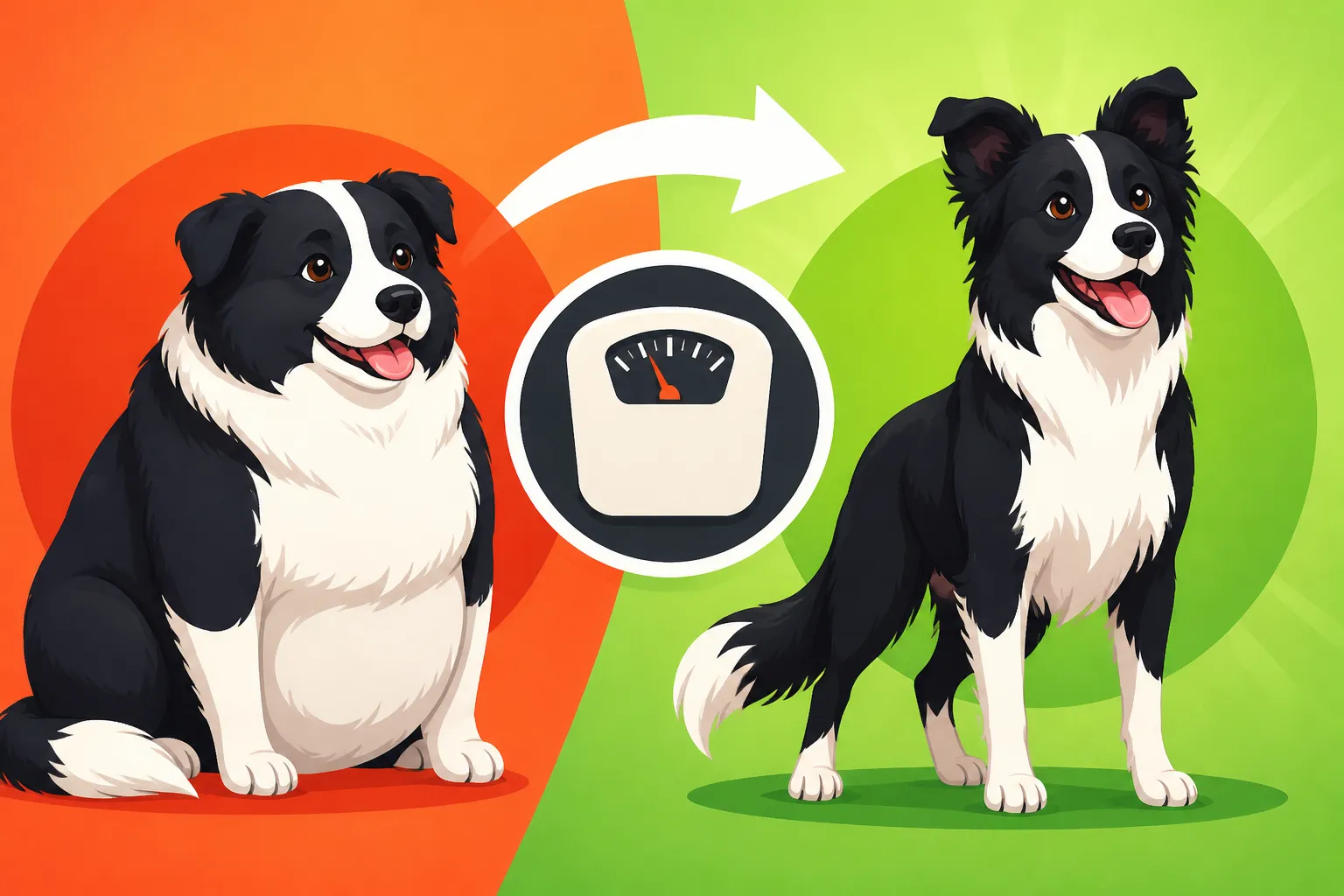
Bringing a Border Collie Down to Trial Weight
It's incredibly frustrating when you've got a brilliant Border Collie, full of drive and talent, but they've packed on a few extra pounds, making them just a little less efficient in their work or sport. You know they could perform better, feel better, and ultimately have a longer, healthier career if they were at their optimal "trial weight." This guide is all about helping you navigate the journey of safely and effectively bringing your Border Collie down to that peak condition, ensuring they're ready to shine, whether on the sheep field, agility course, or disc dog arena.
Why Trial Weight Matters for Your Border Collie
When we talk about "trial weight" for a Border Collie, we're not just throwing around a fancy term; we're referring to their ideal working weight. This isn't about making them skinny or underfed; it's about achieving a lean, athletic physique where every ounce contributes to their power, speed, and endurance, rather than hindering it. It's a sweet spot where they're incredibly fit, agile, and ready for anything.
The Performance Edge of a Lean Body
Imagine your Border Collie bursting off the line at an agility trial or making a sweeping outrun on the sheep field. Every jump, every turn, every sprint demands incredible energy and puts stress on their joints. A dog carrying even a few extra pounds is essentially running with tiny invisible weights strapped to their body. That added weight requires more energy to move, increases strain on their hips, elbows, and spine, and can slow down their reaction time. When a Border Collie is at its ideal trial weight, they are lighter on their feet, more nimble, and can sustain high-intensity work for longer periods without tiring as quickly. This translates directly to better performance, fewer dropped bars, faster times, and more precise work on stock. It's about maximizing their natural athleticism and ensuring they can perform their demanding jobs with the utmost efficiency and joy. The Body Condition a Sport Border Collie Carries is often misunderstood, but it's crucial for their career.
Beyond the physical mechanics, there's an element of sheer comfort. A lean Border Collie moves with grace and freedom. They can accelerate faster, change direction more sharply, and recover more quickly. Their cardiovascular system isn't working overtime to pump blood to excess tissue, and their muscles are free to contract and extend without resistance from fat. This isn't just theory; it's something you can see in their stride, the bounce in their step, and their overall enthusiasm for work. When they're in peak condition, they look and feel like they were born for it – because they were.
Health Implications of Being Overweight
The immediate performance benefits are clear, but the long-term health implications of an overweight Border Collie are just as, if not more, critical. Carrying excess weight puts a significant burden on almost every system in their body. Their joints, already prone to issues like hip and elbow dysplasia due to their active lifestyle, suffer even more. Imagine the constant pounding on already stressed cartilage and bone; it's a recipe for premature arthritis and chronic pain down the line. We often see dogs developing Osteoarthritis in a Border Collie by Eight or even earlier if they're carrying too much weight.
Beyond musculoskeletal issues, being overweight dramatically increases the risk of other serious health problems. Diabetes, heart disease, certain types of cancer, and even respiratory issues can be exacerbated or directly caused by obesity. An overweight dog will struggle more in hot weather, be more prone to Heat Stroke in a Border Collie That Kept Working, and generally have a reduced quality of life. They might become less enthusiastic about their work, or even just daily walks, simply because moving is uncomfortable. Their lifespan can be noticeably shortened. Taking proactive steps to manage their weight isn't just about winning ribbons; it's about ensuring your beloved partner lives a full, comfortable, and healthy life for as long as possible.
Assessing Your Border Collie's Current Condition
Before you can start a weight-loss journey, you need to honestly and accurately assess where your Border Collie stands right now. This isn't just about stepping on a scale; it's about understanding their body condition in detail. Weight alone can be misleading because Border Collies come in various sizes and builds. What's more important is their body composition – the ratio of muscle to fat.
The Hands-On Rib Check
This is the most crucial step and one that every Border Collie owner should be doing regularly. Forget what you see through that beautiful rough coat; you need to feel. Run your hands along your dog's sides, over their rib cage. If your Border Collie is at a healthy weight, you should be able to easily feel their ribs with just a light touch, similar to feeling the back of your hand. You shouldn't see them prominently jutting out, but you should definitely be able to count them without having to press hard. If you have to dig your fingers in to locate the ribs, your dog is likely carrying too much fat. Conversely, if the ribs are extremely prominent and visible without touching, they might be too thin. Feeling Ribs Through a Rough Border Collie's Coat can be tricky, so it's vital to get a good feel.
Once you've felt the ribs, extend your check to their spine and hips. You should be able to feel the bony prominences of the spine and hip bones, but again, they shouldn't be sharply visible or feel like they're poking out. A slight covering of muscle and fat is good, but not so much that you can't feel the underlying structure. This hands-on assessment gives you a much more accurate picture than simply looking at them or their number on the scale. It's about understanding the subtle layers beneath their fur.
Visual Cues and Body Shape
While the hands-on check is paramount, visual cues also play a significant role. When you look at your Border Collie from above, they should have a distinct waist, an hourglass figure if you will, tapering in after their rib cage and before their hips. If they look like a straight line from chest to tail, or worse, if their sides bulge out, they are carrying too much weight. The Tuck a Fit Border Collie Should Show is another key indicator.
From the side, their abdomen should gently tuck up from their chest toward their hind legs. There shouldn't be a sagging belly or a lack of definition in their tuck-up. Observe their movement as well. An overweight Border Collie might move with less energy, appear slightly lethargic, or struggle with movements that once came easily, like jumping onto a couch or into a vehicle. Their gait might be less fluid. Pay attention to their overall demeanor; sometimes, a dog that's not feeling their best physically will also show subtle changes in their enthusiasm for their usual activities. Comparing these observations with your hands-on assessment will give you a comprehensive understanding of their current body condition.
| Body Condition Score | Ribs (Palpation) | Waist (From Above) | Abdominal Tuck (From Side) | Implications |
|---|---|---|---|---|
| 1 (Emaciated) | Easily visible, no fat | Severe hourglass, prominent hip bones | Severe tuck, hollow flanks | Underweight, health risk |
| 2 (Very Thin) | Easily felt, minimal fat | Obvious hourglass, some definition | Marked tuck | Lean, possibly too lean for performance |
| 3 (Ideal/Lean) | Easily felt with light touch | Well-defined hourglass | Good tuck-up | Optimal for performance and health |
| 4 (Overweight) | Difficult to feel, moderate fat | Minimal waist, barrel-like | Flat or slightly sagging | Needs weight loss |
| 5 (Obese) | Cannot feel, heavy fat | No waist, wide back | Sagging belly, pendulous | Significant health risk, urgent intervention |
Note: This table is a general guide. Always consult your veterinarian for an accurate body condition assessment and personalized advice.
Strategies for Safe Weight Reduction
Bringing a Border Collie down to trial weight isn't a race; it's a carefully planned and executed process that prioritizes their health and well-being. Crash diets and excessive exercise can be detrimental. The goal is sustainable, healthy weight loss that prepares them for peak performance, not exhaustion or injury.
Adjusting Their Diet Smartly
Diet is usually the biggest lever you have in weight management. First and foremost, resist the urge to drastically cut their food portion. Instead, focus on quality and caloric density. Many performance-oriented Border Collies are fed high-calorie diets to support their activity levels. If their activity has dipped, or if they've gradually put on weight over time, their current food intake might simply be too much. Start by slightly reducing their daily food portion, maybe by 10-15%, and then monitor for a couple of weeks. You can also explore foods specifically designed for weight management, which often have reduced fat and calorie content but maintain essential nutrients. Brands like Purina Pro Plan Weight Management or Hills Science Diet Perfect Weight are readily available on platforms like Chewy or Amazon.
However, simply cutting volume isn't always enough. Consider the quality of ingredients. A diet rich in lean protein helps maintain muscle mass while losing fat, which is crucial for a working dog. Protein a Border Collie Needs to Hold Muscle is vital. Many owners find success transitioning to a fresh, human-grade food delivery service like Ollie, which can offer precise portion control and nutrient-dense, less processed options. Remember to measure their food accurately; eyeballing it can lead to overfeeding. Use a kitchen scale or a dedicated measuring cup specifically for their kibble. Don't forget treats! Those small rewards add up quickly. Opt for low-calorie alternatives like small pieces of carrot, green bean, or commercial low-calorie training treats. If you're giving joint supplements or other chewable medications, factor those calories into their daily total.
Calibrating Exercise Without Overdoing It
While diet is primary, exercise plays a vital supporting role. The key is to increase activity in a structured and safe way, especially if your Border Collie is currently overweight. Don't suddenly jump into marathon runs or intense agility sessions. Start with longer, more consistent walks. If you usually do one 30-minute walk, try two 45-minute walks. Incorporate varied terrains, like gentle hills, to build strength and cardiovascular fitness without excessive impact. Remember, Why Walking a Border Collie Is Not Enough for their mental stimulation, but it's a great baseline for calorie burning.
Gradually introduce more moderate-intensity activities. Swimming is excellent for overweight dogs as it's low-impact but provides a full-body workout. Longer sessions of fetch or disc play are good, but be mindful of their joints and avoid repetitive, high-impact activities on hard surfaces initially. Break up their exercise throughout the day rather than one long, exhausting session. A morning walk, a midday play session, and an evening training walk can be more effective and safer than trying to cram everything into one go. The goal is to increase their caloric expenditure without causing injury or discomfort, which could set back your progress. This is especially true if you are looking into Taking Weight Off a Border Collie Without Cutting Work too much.
The Importance of Slow and Steady Progress
When it comes to weight loss, consistency and patience are your best friends. Aim for a gradual weight loss, typically 1-2% of their body weight per week. This might sound slow, but it's the healthiest and most sustainable approach. Rapid weight loss can lead to muscle loss, nutritional deficiencies, and other health problems. Keep a log of their weight, food intake, and exercise. Weigh your Border Collie weekly, ideally at the same time of day, to track progress.
Don't get discouraged if the scale doesn't move every week. Weight loss isn't always linear. There might be plateaus, or slight fluctuations. Focus on the trend over several weeks. Regularly perform the hands-on rib check to monitor changes in their body composition, as muscle gain can sometimes mask fat loss on the scale. Celebrate small victories, like being able to feel their ribs more easily or seeing a clearer waistline. This journey is about building healthier habits for a lifetime, not a quick fix. Your veterinarian is your most valuable partner in this process; they can help you determine a safe target weight and a sensible feeding plan, especially if your Border Collie has underlying health conditions.
Maintaining Trial Weight Season After Season
Achieving trial weight is a fantastic accomplishment, but maintaining it is an ongoing commitment. A Border Collie's activity levels can fluctuate dramatically depending on the season, training schedule, and whether they're actively trialing or in an off-season period. Adapting your management strategy to these changes is key to consistent success.
Seasonal Adjustments and Off-Season Management
The demands on a working or sport Border Collie are rarely constant throughout the year. During peak trial season, your dog might be expending an incredible amount of energy, traveling, running multiple events, and training hard. Their caloric needs will be at their highest. This is when you might be feeding a richer, Feeding a Border Collie on a Performance Diet that supports sustained energy and recovery. However, as the season winds down, or during periods of reduced activity due to weather, injury, or simply a break, their energy expenditure drops significantly. If you continue to feed the same amount and type of food, weight gain is almost inevitable.
This is where proactive adjustment comes in. During the off-season, or when your dog is on an injury layoff, you'll need to critically Adjusting a Border Collie's Food in the Off Season. This might mean reducing their daily portion, switching to a slightly lower-calorie kibble, or being much more stringent with treats. It doesn't mean stopping exercise entirely; instead, adapt it to lower-impact activities like longer walks, swimming, or mental enrichment games that keep their minds engaged without burning through massive calories. The goal is to find a balance where their intake matches their output, keeping them lean and fit, but not overly thin or prone to losing muscle mass.
Monitoring and Fine-Tuning
Maintaining ideal weight requires constant vigilance. It's not a set-it-and-forget-it deal. Continue with your weekly hands-on rib checks and visual assessments. These subtle changes can alert you to a creeping weight gain before it becomes a problem. Keep track of their activity levels; a week of bad weather might mean fewer outdoor runs, which should prompt a slight dietary adjustment. Pay attention to how they feel after training sessions – are they recovering well, or do they seem sluggish? This can be an indicator of their energy balance.
Periodically, review their diet with your veterinarian, especially if their needs change due to age or health status. As a Border Collie ages, their metabolism might slow, or they might develop conditions that impact their ability to exercise as intensely. This necessitates further adjustments to their diet and exercise regimen. Staying proactive and making small, consistent tweaks will prevent larger weight problems down the line. Remember, every Border Collie is an individual, and what works perfectly for one might need slight modification for another. Consistent monitoring, thoughtful adjustments, and a close partnership with your vet will help your Border Collie remain at their peak trial weight, ready for anything life, or the sheep, throws their way.
Disclaimer
This article is for general informational purposes only and does not constitute professional advice. Laws, prices and regulations vary by location and change over time. Consult a qualified professional for guidance on your specific situation.