Tangles Behind a Rough Border Collie’s Elbows
If you've got a beautiful rough-coated Border Collie, chances are you've spent a fair bit of time admiring that luxurious, flowing fur. But then, you run your hand behind their elbows, hit a snag, and groan. Those stubborn knots and mats that seem to appear out of nowhere, especially in that active, high-friction area, are a common frustration. This guide is here to walk you through why these tangles form in this particular spot and, more importantly, how to prevent them and safely remove them when they do happen.
Understanding the Culprit: Why Elbow Tangles Form
It's not just bad luck that your Border Collie seems to collect knots right behind their front legs. There are some very specific reasons why this area is a prime tangle zone, and understanding them is the first step to keeping your dog comfortable and mat-free.
The Anatomy of a Tangle Magnet
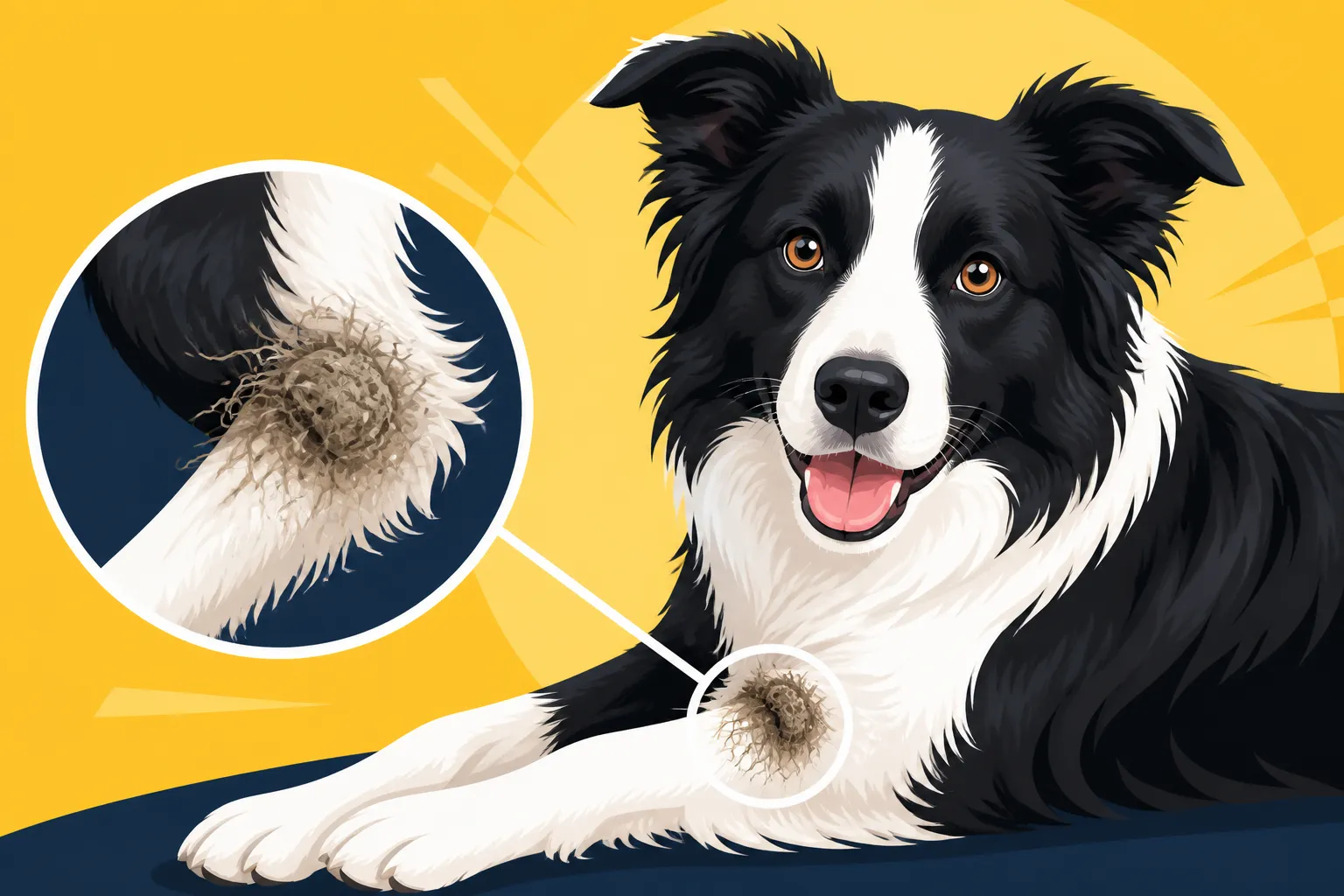
Think about where your Border Collie's "feathers" are longest and often finest – around their legs, especially the front ones. The hair here tends to be softer, silkier, and therefore, more prone to knotting than the coarser body coat. Behind the elbows, this longer hair meets constant movement and friction. Every step your dog takes, every time they lie down, every time they shift their weight, those fine hairs rub against each other, against their own body, and against whatever surface they're on. This consistent friction is a recipe for disaster when it comes to keeping individual hair strands separate and smooth. It’s like when your fine hair gets tangled under a backpack strap; the rubbing just makes it worse.
Consider also the skin folds in this area. While not as pronounced as in some breeds, the skin around the elbow can fold and crease, creating little pockets where hair can get trapped and then, with movement, start to felt together. Dogs, being dogs, also love to scratch and chew at itchy spots, and their teeth and nails can quickly turn a small knot into a full-blown mat by pulling and tightening the hair further.
Environmental and Lifestyle Factors
Beyond just anatomy, your Border Collie's daily life plays a huge role in how quickly those elbow tangles appear. If your dog spends a lot of time outside, romping through tall grass, brush, or muddy fields, they're collecting all sorts of debris in their coat. Twigs, burrs, grass seeds, and plain old dirt can easily get caught in the fine feathering behind the elbows. These foreign objects act like anchors, giving the hair something to cling to and start knotting around. Mud, once dried, can also cement hairs together, creating a tough, unyielding mass. Grass Seeds in a Border Collie's Feet discusses similar issues in other high-contact areas.
Even indoor living isn't entirely safe. If your Border Collie likes to snuggle into blankets, rugs, or dog beds, the friction from these materials can contribute to tangles. Furthermore, insufficient grooming is a major factor. If you're not brushing regularly, especially in these high-traffic areas, the natural shedding process combined with the constant movement means loose hair gets trapped within the coat, forming felted mats that are incredibly difficult to remove once they set in. It's a compounding problem: a little knot becomes a bigger knot, which then traps more loose hair, and before you know it, you have a solid patch of felt.
Your First Line of Defense: Prevention and Daily Care
Preventing tangles from forming in the first place is always easier than trying to remove them later. Establishing a consistent grooming routine and using the right tools can make a world of difference for your rough-coated Border Collie's elbows.
The Power of Daily Brushing
For a rough-coated Border Collie, daily brushing, even if it's just a quick five-minute session, is your best friend. This is particularly true for areas like behind the elbows. You don't need a full spa treatment every day, but a targeted session can prevent minor knots from escalating. Focus on gently working through the feathering, separating the hairs, and removing any loose undercoat or trapped debris.
Start with a good quality slicker brush, designed to get through the topcoat and reach the undercoat without pulling. Use light, sweeping strokes, always brushing in the direction of hair growth. For the elbow area, it can be helpful to have your dog lie down on their side, giving you better access. Lift their leg slightly and carefully brush through the feathering. After the slicker brush, follow up with a metal comb with both wide and fine teeth. This allows you to check for any smaller knots the slicker brush might have missed. If the comb glides through easily, you’re in good shape. If it catches, you’ve found a potential trouble spot that needs more attention. Investing in quality tools from a retailer like Chewy or Amazon can make a big difference in how effective and comfortable your grooming sessions are. Which Brush Suits a Rough Border Collie's Coat offers more detail on brush selection.
Essential Grooming Tools and Products
Having the right arsenal of grooming tools is crucial. Beyond the slicker brush and metal comb, consider adding a detangling spray or conditioning spray to your routine. These products can help lubricate the hair strands, making them less prone to tangling and easier to brush through. A good quality leave-in conditioner can also offer a protective layer to the coat, especially in those friction-prone areas.
Grooming Tool Essentials for Rough-Coated Border Collies
| Tool Type | Purpose | Key Features | Best For |
|---|---|---|---|
| Slicker Brush | Removing loose hair, minor tangles, de-shedding | Fine, bent wires; various sizes; good grip handle | All-over brushing, initial tangle removal |
| Metal Comb | Detecting small knots, finishing, detail work | Combination of wide and fine teeth; stainless steel | Checking for mats, precise detangling |
| Detangling Spray | Lubricating hair, easing brush glide | Contains conditioning agents; non-greasy formula | Pre-brushing, preventing new tangles |
| Pin Brush | Longer coats, gentle brushing, distributing oils | Wire pins with rounded tips; softer feel than slicker brush | Everyday brushing, maintaining feathering |
| De-matting Tool | Safely cutting through severe mats (use with caution) | Sharp, curved blades; safety guard (some models) | Last resort for severe mats (professional use ideal) |
| Blunt-nosed Scissors | Trimming around problem areas, hygiene | Rounded tips for safety; sharp blades for clean cuts | Trimming excess hair, small snips near mats |
When choosing products, look for ones specifically formulated for dogs with long, double coats. Avoid human shampoos and conditioners, as they can strip essential oils from your dog's skin and coat. You can find a wide range of these specialized grooming products on platforms like Chewy or Amazon, making it easy to keep your Border Collie’s coat in top condition. Regular bathing with appropriate shampoos and conditioners, followed by thorough drying and brushing, also helps prevent mats. How Often a Rough Border Collie Needs Brushing can give you an idea of a good schedule.
Tackling Existing Tangles: Gentle Removal Techniques
Even with the best preventive care, a persistent tangle might sneak past your defenses. When you find one, the key is to approach it with patience and gentleness to avoid causing pain or skin irritation to your sensitive Border Collie.
Step-by-Step Detangling Process
First things first: gather your tools. You'll need your metal comb, a slicker brush, a detangling spray (a good quality human detangler can sometimes work in a pinch for this specific task if you don't have a dog-specific one, just be sure it's mild), and potentially some blunt-nosed scissors. Find a quiet, comfortable spot where your Border Collie is relaxed. Offer a treat or two to associate the process with positive experiences.
- Isolate the Tangle: Gently separate the matted area from the surrounding healthy fur. You might need to hold the skin at the base of the mat to minimize pulling.
- Apply Detangling Spray: Liberally spray the tangle with your detangling product. Let it sit for a minute or two to penetrate the hair and start loosening the knot. This is where products from Chewy or Amazon can really shine.
- Finger Pick First: Begin by trying to pull apart the mat with your fingers, working from the outer edges inwards. Be incredibly gentle. You're trying to break the larger mat into smaller, more manageable sections.
- Comb from the Edge: Once you've finger-picked a bit, take your metal comb (using the wide-toothed side first) and start gently combing at the very edge of the mat, working outwards towards the ends of the hair. Never try to pull the comb straight through the entire mat – this will hurt your dog and likely tighten the mat further. Work in small sections, a few hairs at a time.
- Use the Slicker Brush: For larger, more stubborn sections, you can carefully use the slicker brush, again, working from the outside of the mat towards the ends of the hair. Use a pat-and-pull motion rather than a harsh raking motion.
- Alternate Tools: Switch between finger-picking, the comb, and the slicker brush until the mat slowly starts to loosen and unravel. Be patient. This can take time, especially for a dense tangle.
- Scissors as a Last Resort: If a mat is too tight or too close to the skin to comb out safely, blunt-nosed scissors are your last resort. Only use them if you are absolutely confident you can get under the mat without cutting your dog's skin. You want to slide one blade of the scissor under the mat, parallel to the skin, and snip through the mat horizontally, in slices. This breaks the mat into smaller sections that might then be combed out. Never cut vertically into a mat, as it's too easy to catch skin. If you're unsure, stop and consider professional help. Tangles Behind a Rough Border Collie's Elbows is the very article you're reading, but other internal links will be provided for relevance.
When to Call a Professional Groomer
There are times when even the most dedicated owner needs to admit defeat and call in the experts. If a tangle behind your Border Collie's elbow is large, very tight, or if your dog is showing signs of pain or extreme discomfort during your attempts to remove it, it's definitely time to seek professional help. Professional groomers have specialized tools, techniques, and experience in dealing with severe matting. They can often remove mats more efficiently and with less stress to your dog than you could at home.
Leaving severe mats untreated can lead to serious health issues, including skin infections, irritation, and even restricted movement. They can pull at the skin, causing pain and discomfort every time your dog moves. In some extreme cases, a matted area can restrict blood flow, leading to more severe problems. A groomer might recommend shaving the affected area to relieve the pressure and allow the skin to breathe and heal. While no one wants to shave their beautiful Border Collie, their comfort and health are paramount.
Beyond the Brush: Diet, Lifestyle, and Professional Help
Maintaining a beautiful, tangle-free coat on a rough-coated Border Collie goes beyond just regular brushing. It’s a holistic approach that includes their diet, general health, and knowing when to get professional assistance.
The Role of Nutrition in Coat Health
A healthy coat starts from within, and your Border Collie's diet plays a significant role in the quality and manageability of their fur. A diet rich in essential fatty acids, particularly Omega-3 and Omega-6, can contribute to a strong, shiny coat that is less prone to dryness and breakage, which in turn can make it less susceptible to tangling. Think of it like conditioning your hair from the inside out.
Look for high-quality dog foods that list named meat sources as the first ingredients and contain sources of beneficial fats like fish oil or flaxseed. Some owners opt for fresh food delivery services, like Ollie, which can offer tailored nutrition plans designed to support overall health, including skin and coat condition. If your dog’s coat seems dry, brittle, or dull despite regular grooming, speak to your veterinarian about potential dietary supplements or changes. They might recommend adding a fish oil supplement or switching to a food specifically formulated for skin and coat health. A healthy coat is more resilient and easier to maintain, requiring less effort to prevent those frustrating elbow tangles.
Regular Health Checks and Coat Condition
Beyond diet, your Border Collie's overall health can impact their coat. Certain medical conditions, such as thyroid imbalances or skin allergies, can lead to dry, brittle, or excessively shedding hair, all of which contribute to matting. If you notice a sudden change in your dog's coat texture, excessive shedding, dry flaky skin, or if they are constantly scratching or licking at their elbows, it's time for a vet visit. Why a Border Collie's Drive Drops With Its Thyroid and Sensitive Skin in a Border Collie both touch on related health concerns.
Your veterinarian can rule out underlying health issues and recommend appropriate treatments. A healthy dog generally has a healthier coat. Regular check-ups allow you to catch these issues early before they significantly impact coat quality. Also, ensure your Border Collie is up-to-date on parasite prevention. Fleas and mites cause intense itching, leading to excessive scratching, which can quickly turn a clear coat into a matted mess, especially in delicate areas like behind the elbows.
Long-Term Coat Maintenance Strategies
Developing a sustainable long-term coat maintenance strategy is key for a rough-coated Border Collie. This means integrating grooming into your routine as naturally as feeding or walking. Consistency is far more effective than sporadic, marathon grooming sessions. Grooming a Rough-Coated Border Collie offers a broader view of coat care.
Consider incorporating a routine where you do a quick brush-through of the "high-friction" areas, like behind the elbows, under the armpits, and behind the ears Mats Behind a Rough Border Collie's Ears, every day or every other day. Then, plan for a more thorough grooming session, perhaps weekly, where you work through the entire coat with a slicker brush and comb, ensuring you get down to the skin. During seasonal shedding, such as the spring molt The Spring Molt That Fills a Border Collie's Kennel, you may need to increase the frequency of brushing to manage the increased amount of loose hair. This proactive approach not only keeps your dog looking great but also helps you bond with them and allows you to catch any skin issues, lumps, or bumps early. Remember, a well-cared-for coat is a sign of a well-cared-for dog.
Disclaimer
This article is for general informational purposes only and does not constitute professional advice. Laws, prices and regulations vary by location and change over time. Consult a qualified professional for guidance on your specific situation.